Explore
724 places across 13 regions — search and filter to plan your trip.
92 places(showing 1–24)
Osaka
A reconstructed feudal keep ringed by moats and cherry trees.
Hiroshima
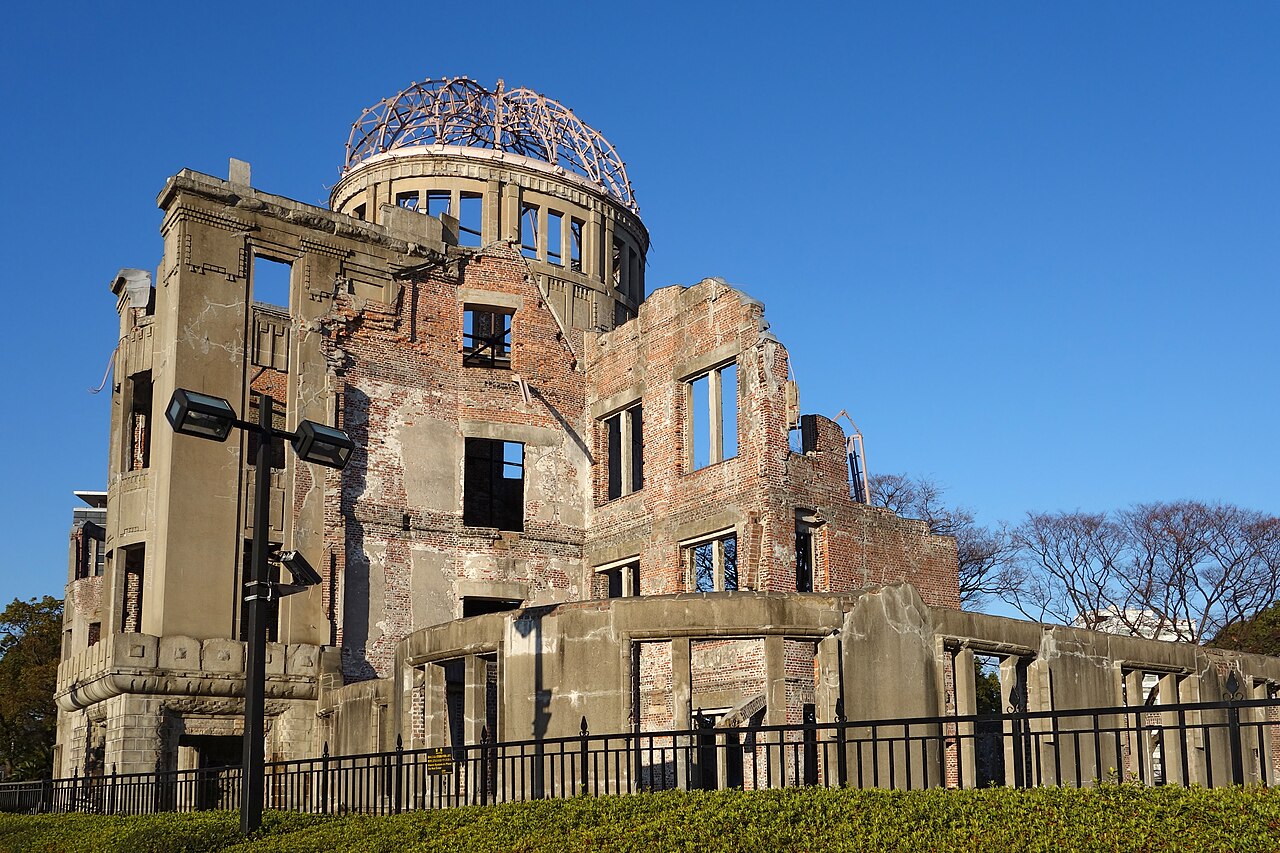
The skeletal ruin left standing beneath the 1945 atomic blast, now a UNESCO World Heritage symbol of peace.
A green riverside park of monuments built on the hypocentre district, dedicated to the victims and to world peace.
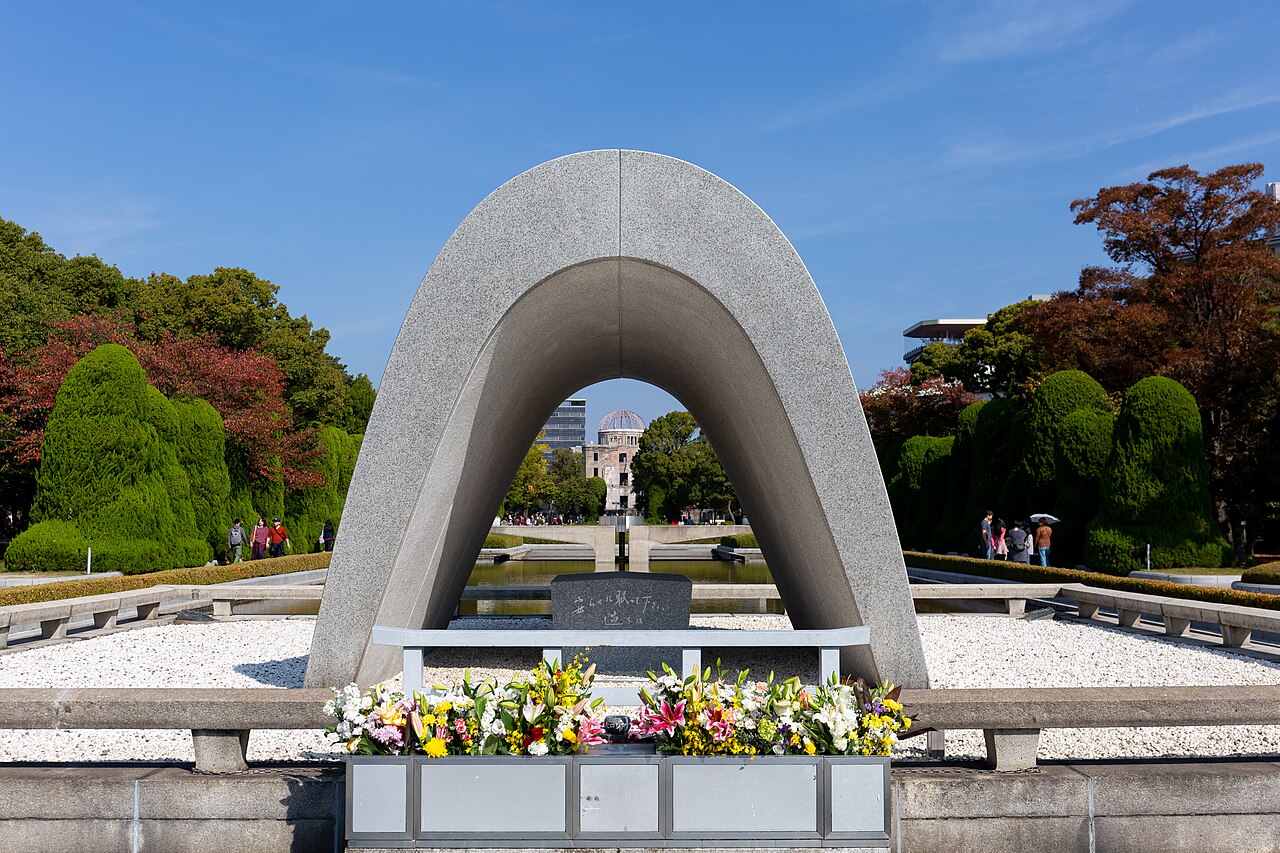
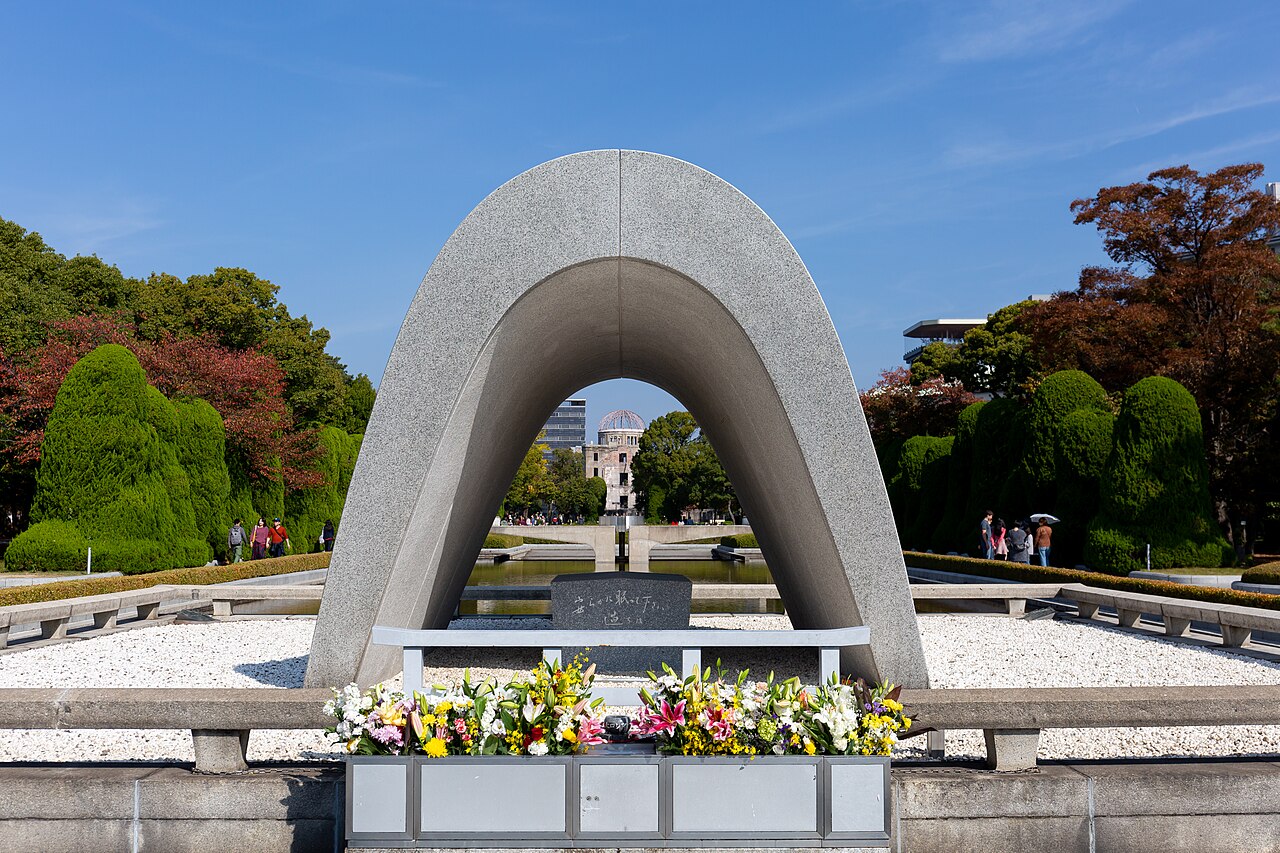
The saddle-shaped arch at the heart of the Peace Park, sheltering the register of every known atomic-bomb victim.
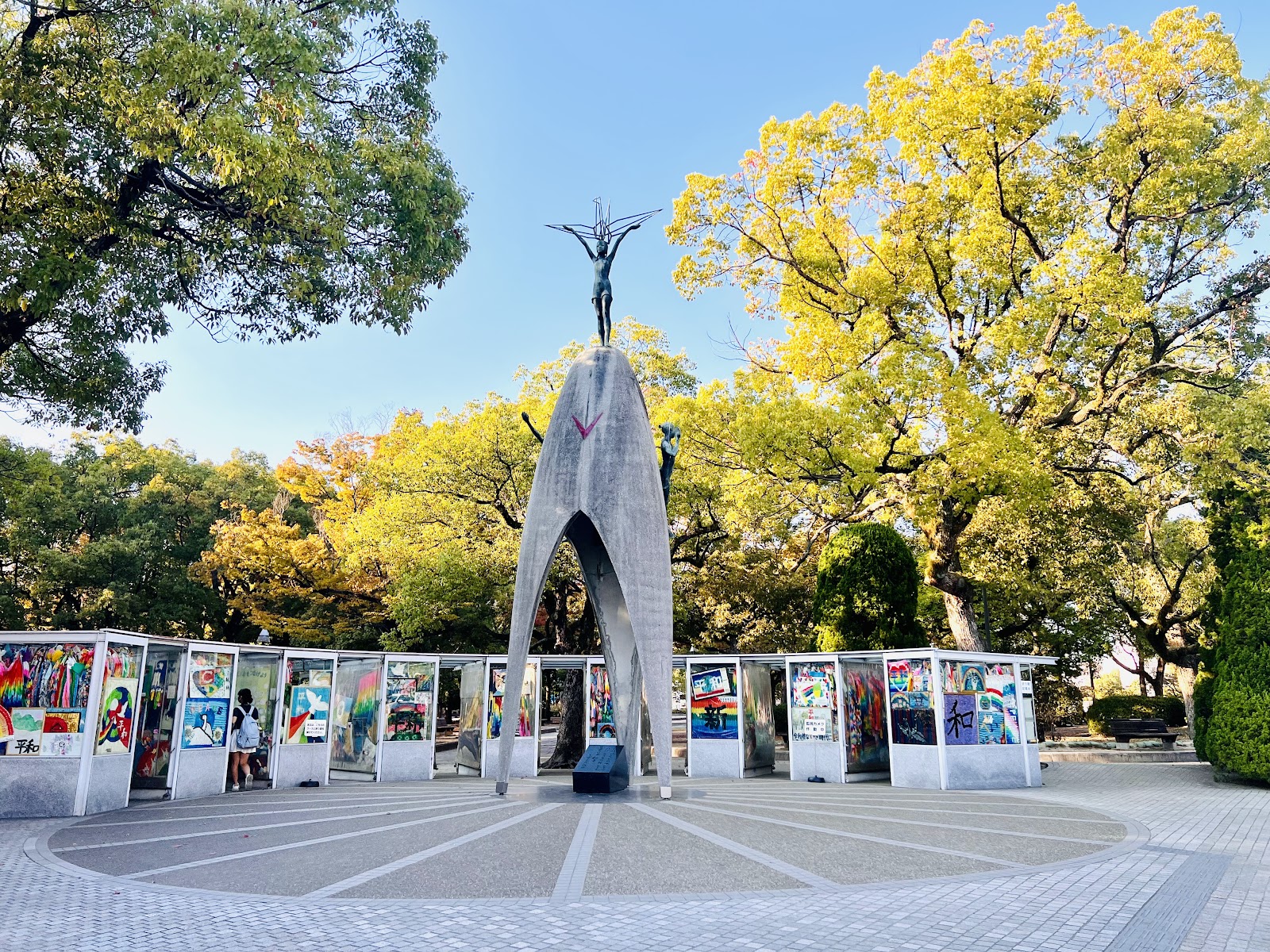
A monument crowned by a girl lifting a folded crane, inspired by Sadako Sasaki and dedicated to child victims.
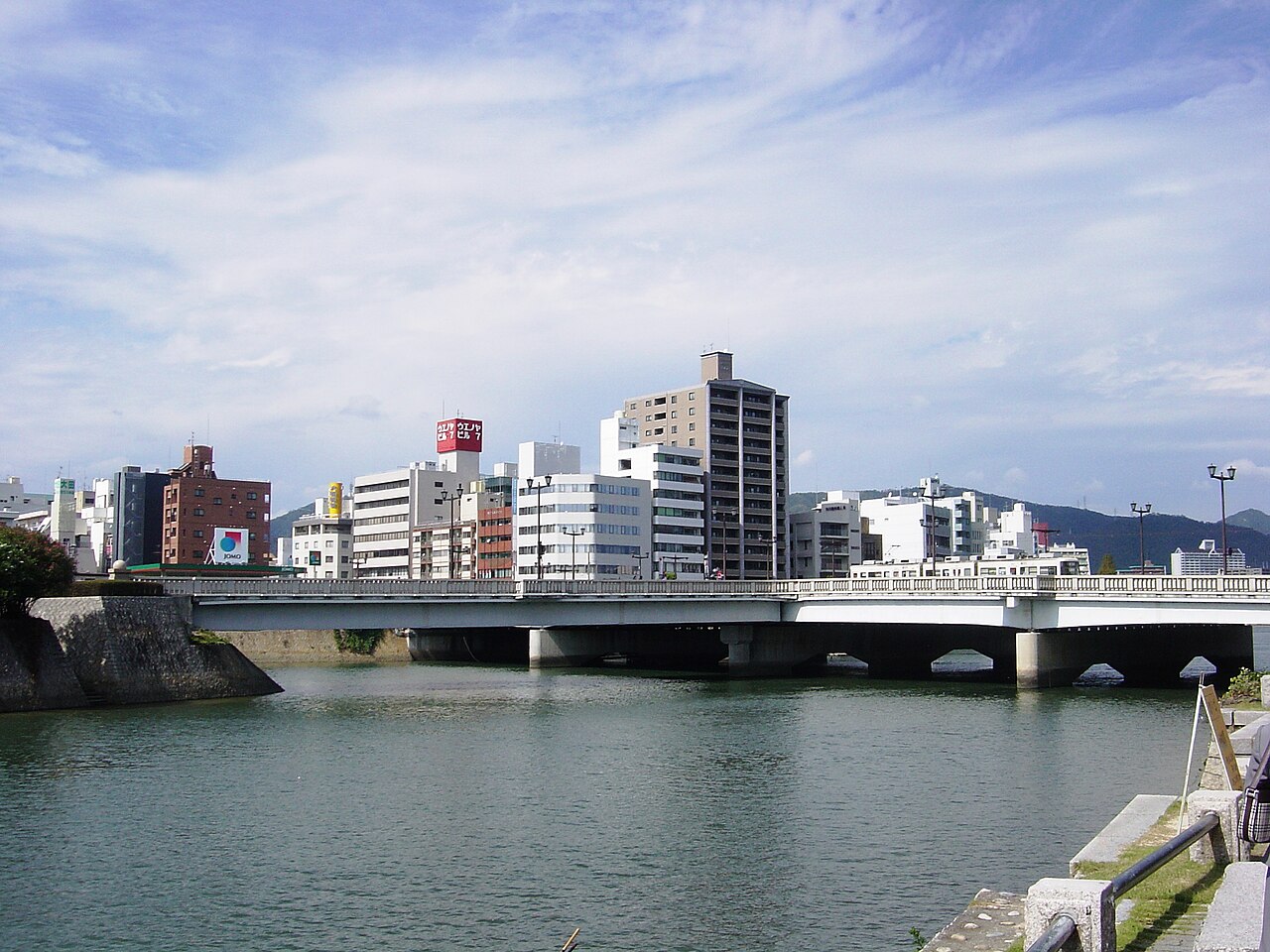
The distinctive T-shaped bridge that served as the atomic bomb's visual aiming point on 6 August 1945.
An Edo-period castle rebuilt beside its Shinkansen station, notable for the restored iron plating on its keep.
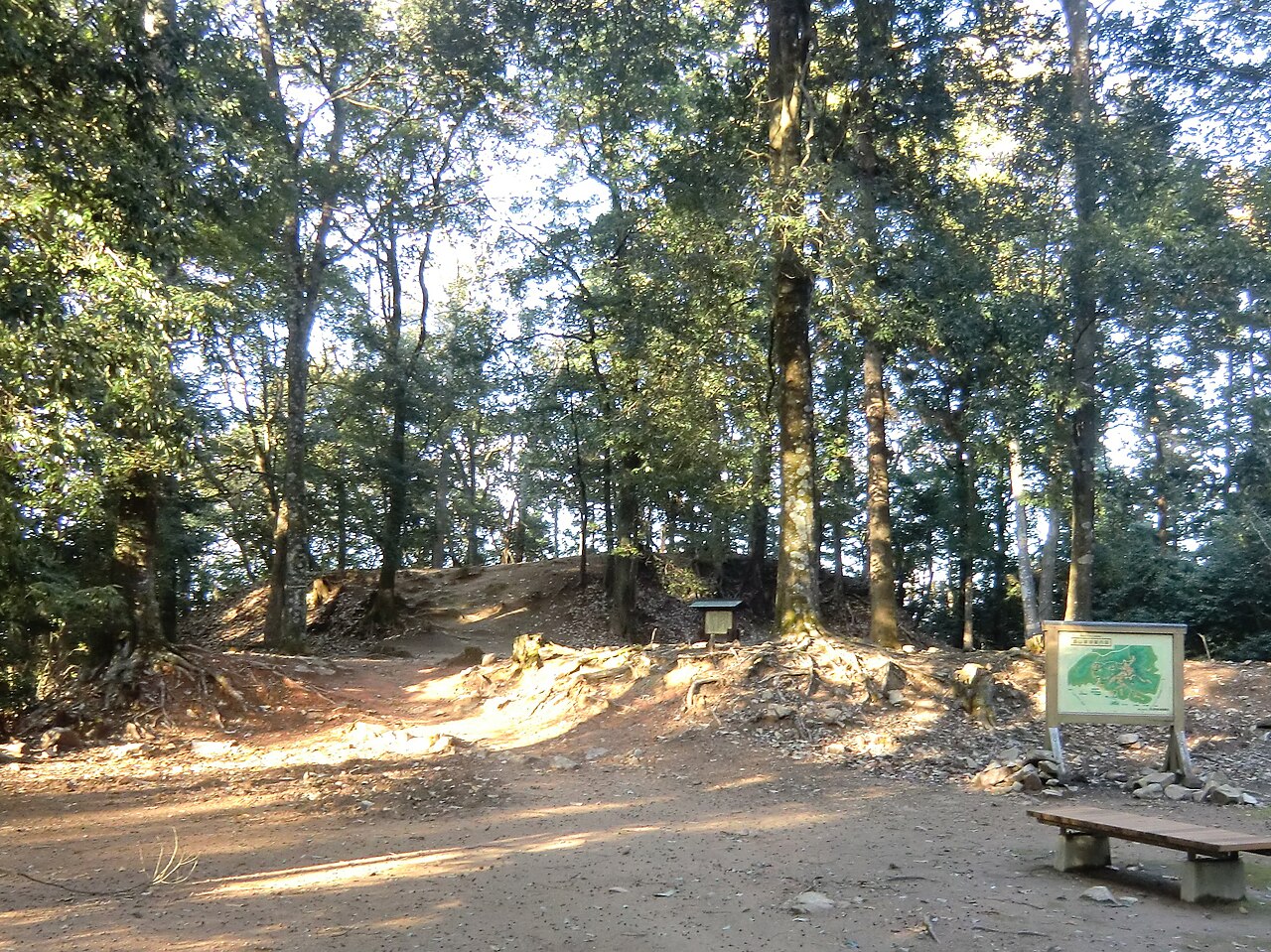
The sprawling mountain-castle ruins of warlord Mori Motonari, one of Japan's 100 Great Castles.
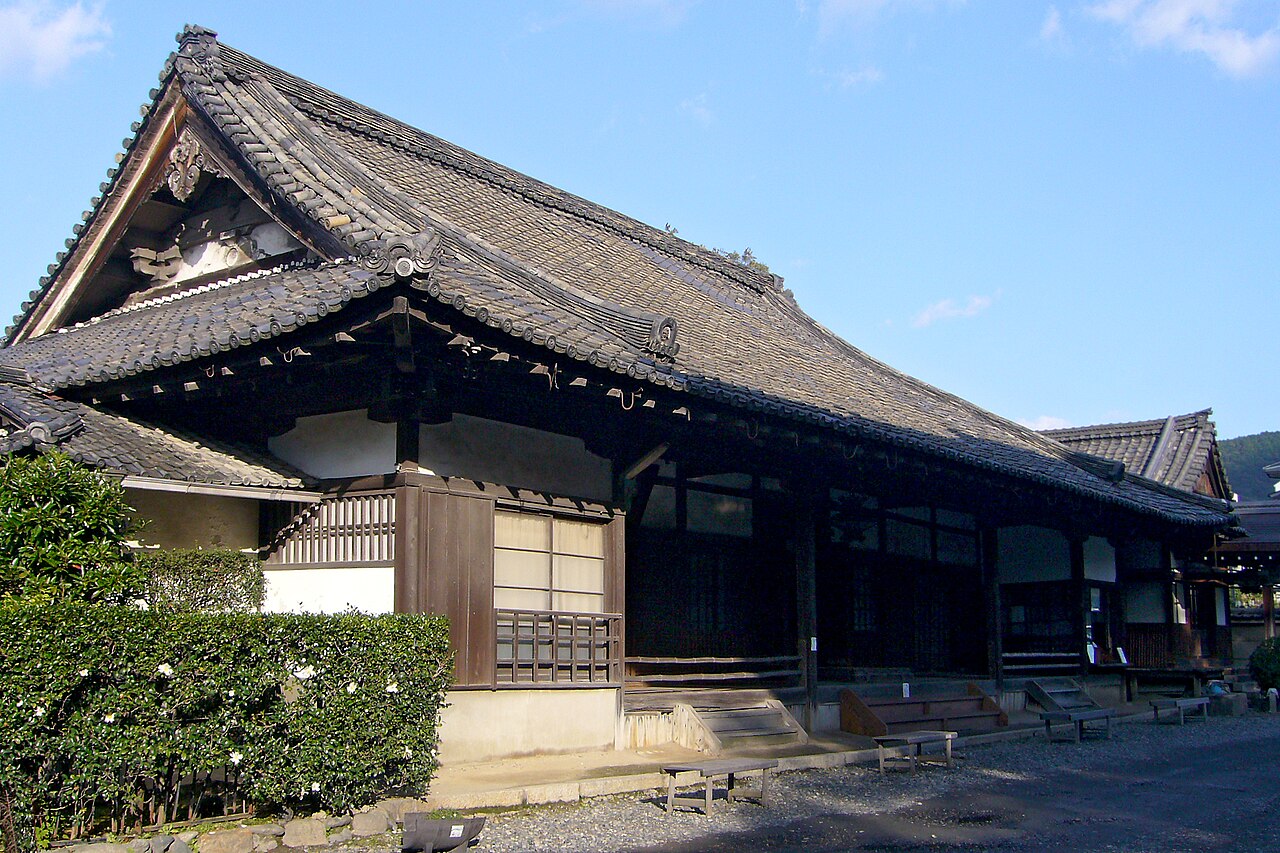
A vast open-sided wooden hall begun by Toyotomi Hideyoshi in 1587, nicknamed the Hall of a Thousand Tatami Mats.
Fukuoka
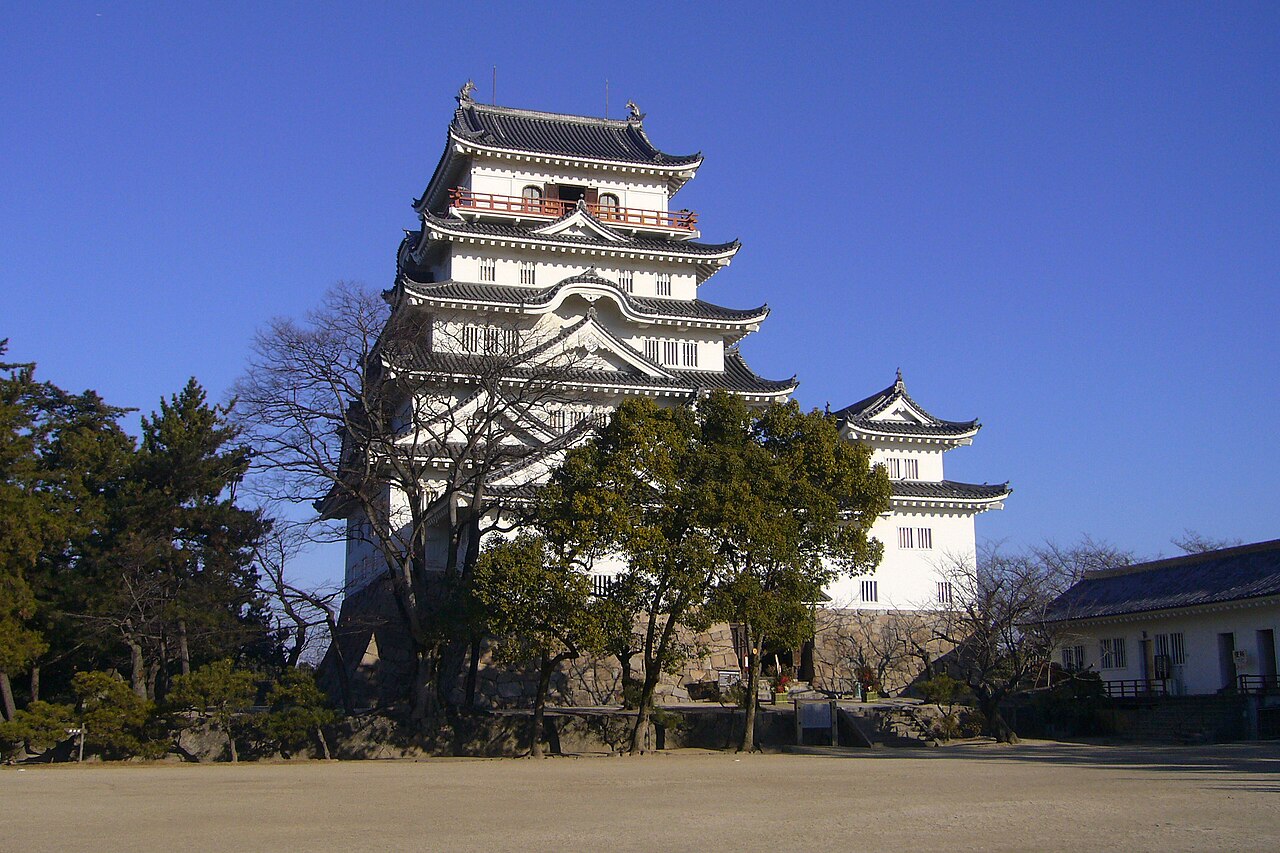
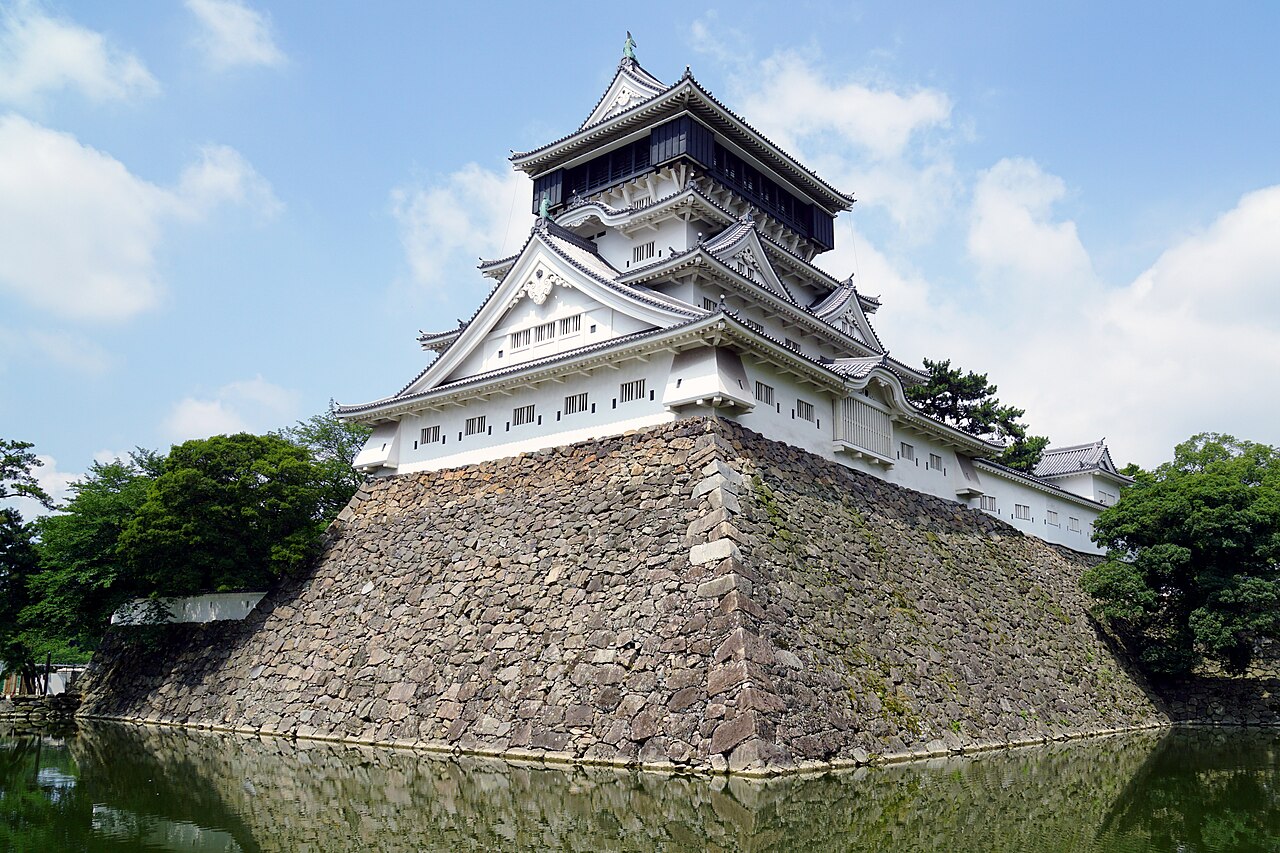
Kitakyushu's rebuilt hilltop keep, a striking gateway castle first raised by warlord Hosokawa Tadaoki in 1602.
A 7th-century Korean-style mountain fortress above Dazaifu, built to guard ancient Japan from invasion.
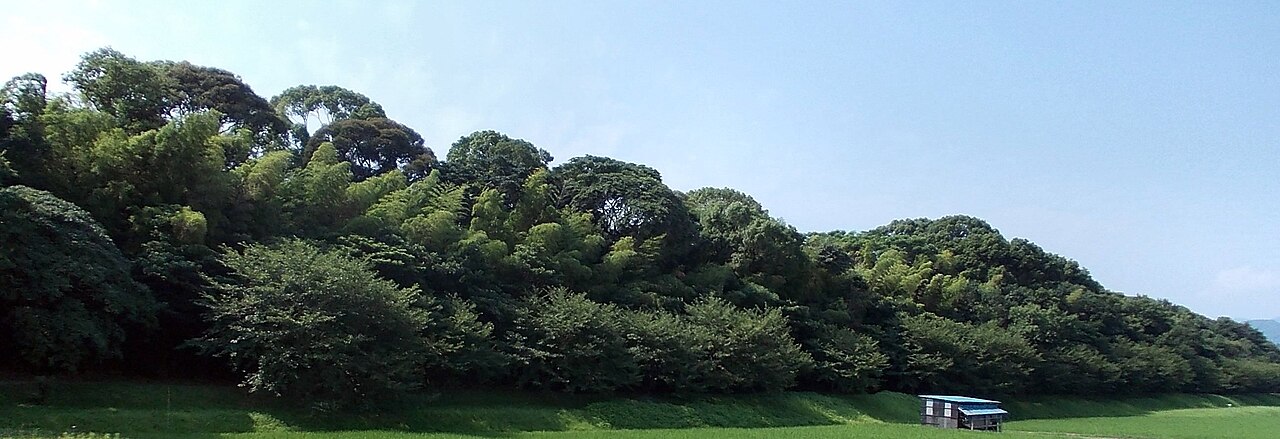
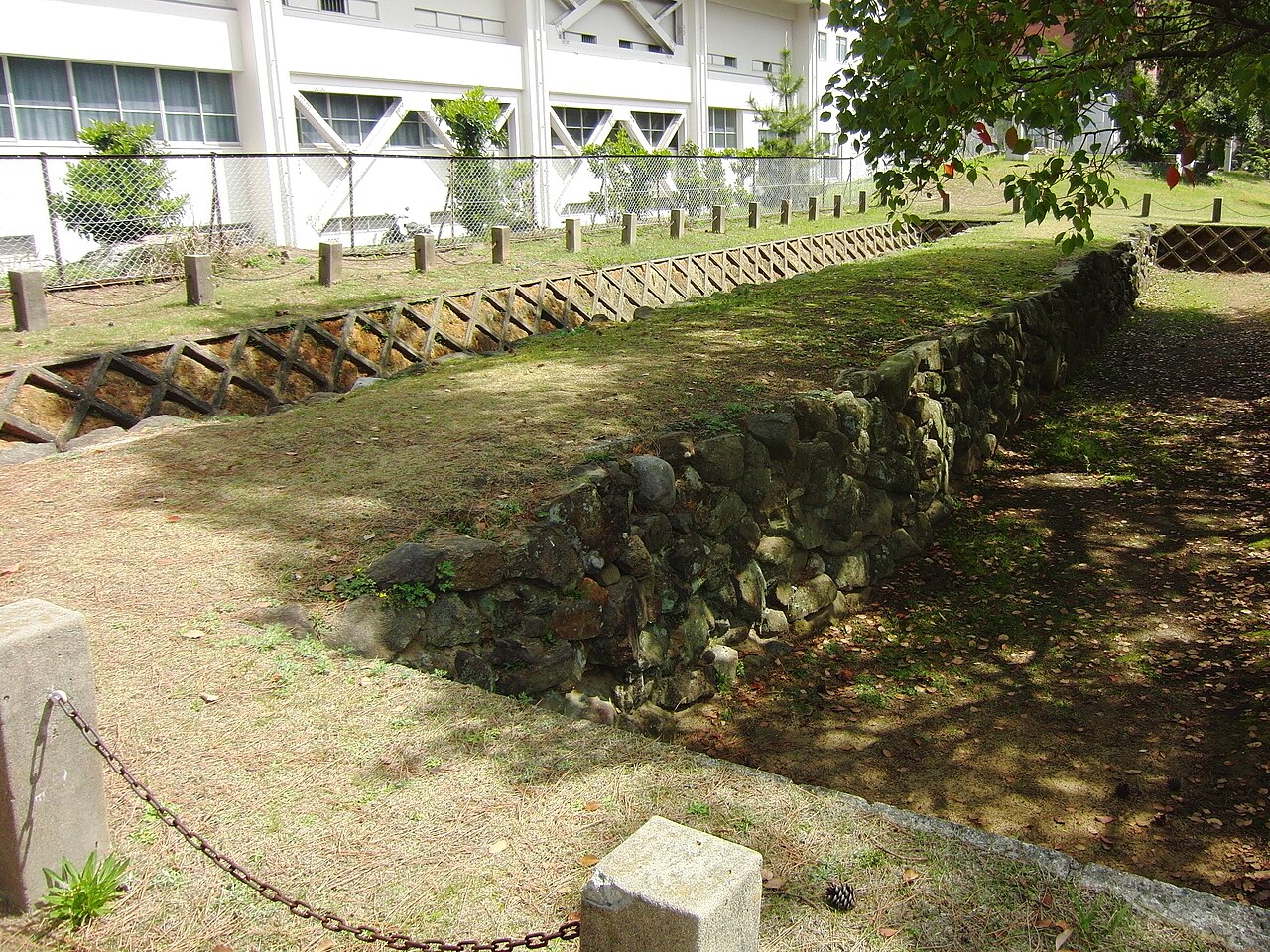
An enormous 7th-century earthen water rampart raised to defend the ancient Kyushu capital of Dazaifu.
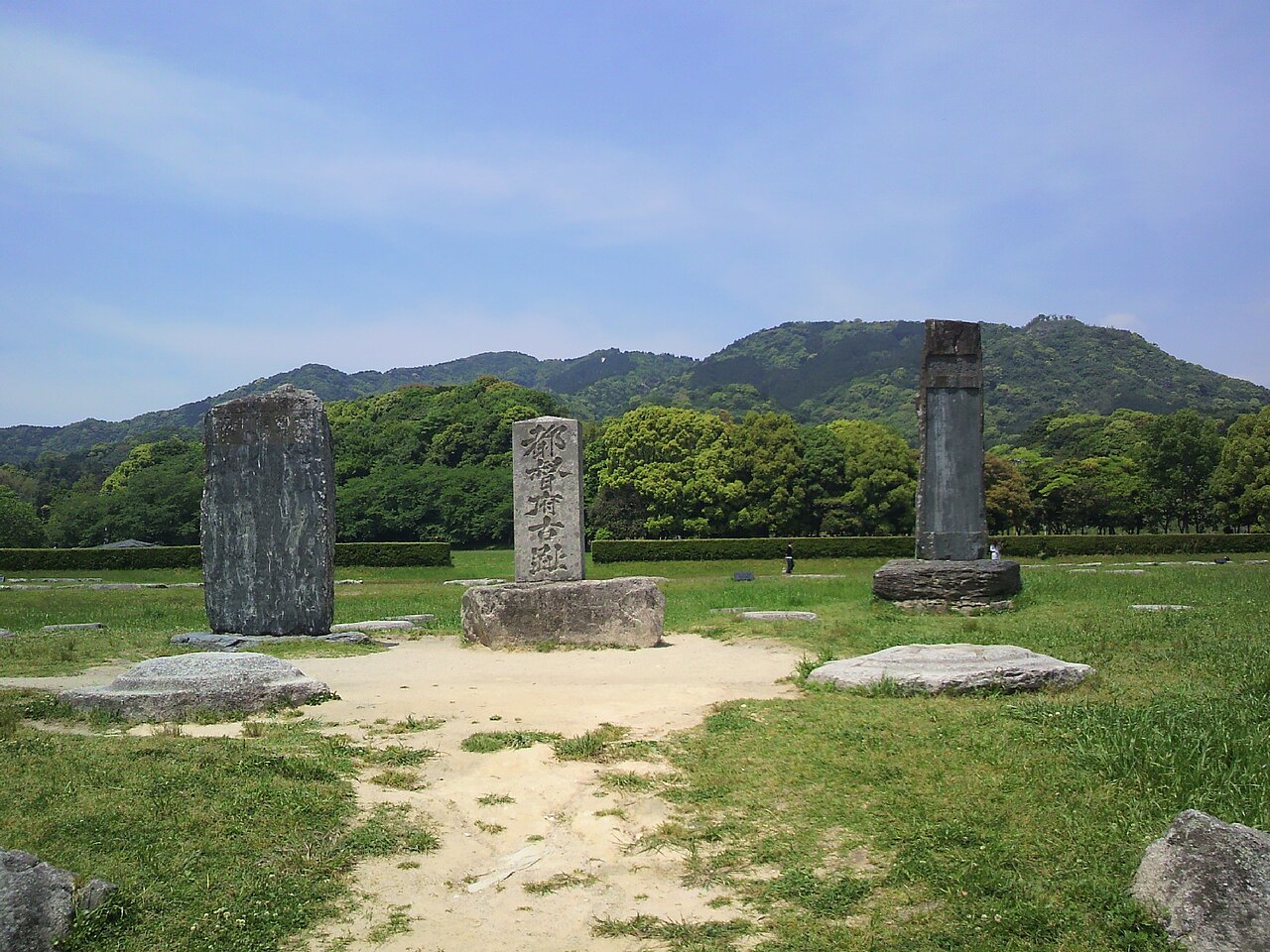
The broad foundation-stone field of Tofuro, the ancient capital that governed all of Kyushu for five centuries.
A 13th-century stone sea wall along Hakata Bay, built to repel the Mongol invasions of Kublai Khan.
A perfectly preserved feudal castle town in the hills of Asakura, nicknamed the Little Kyoto of Chikuzen.
A former castle town laced with canals, famous for gentle boat cruises and the lordly Ohana residence.
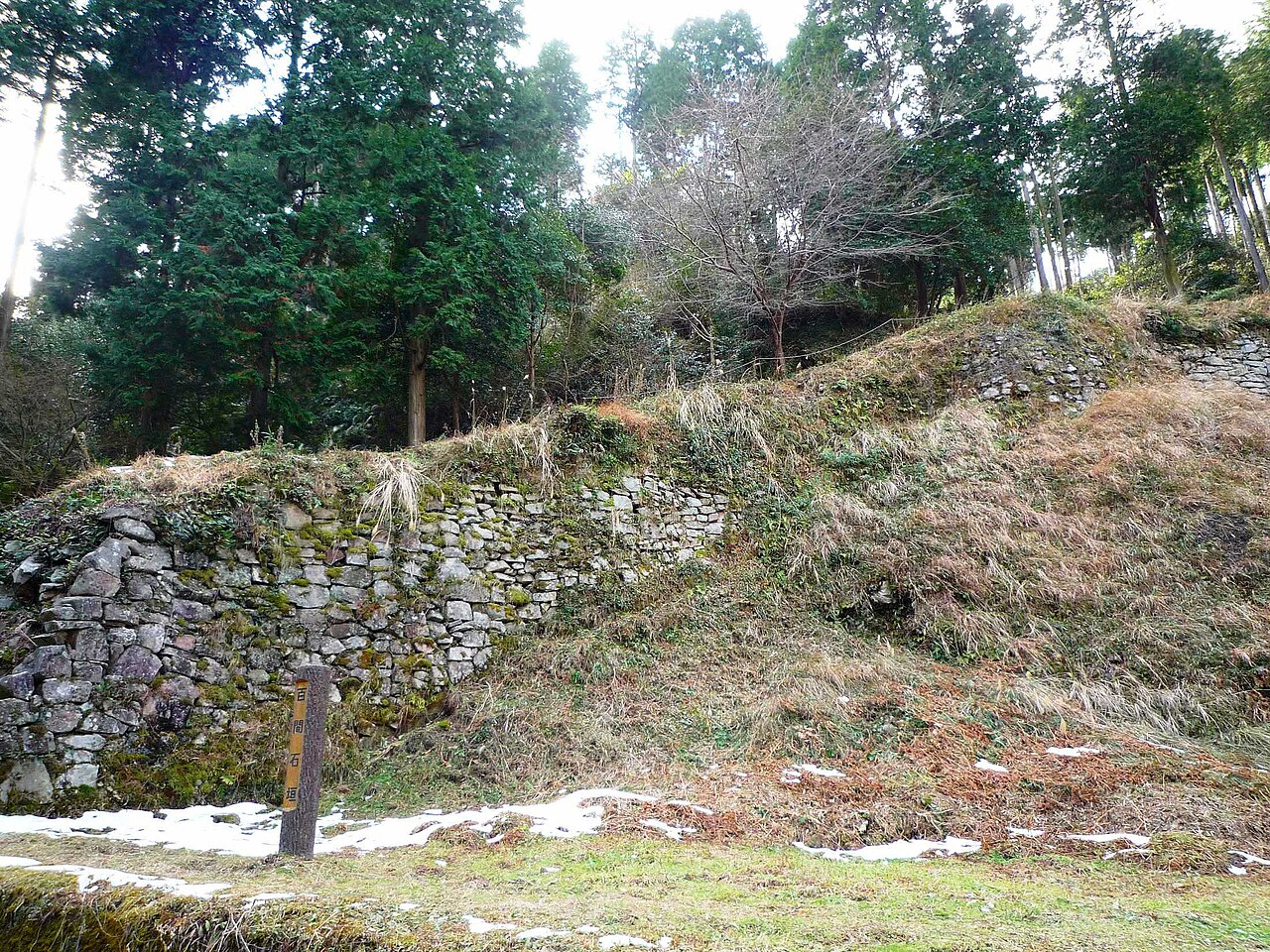
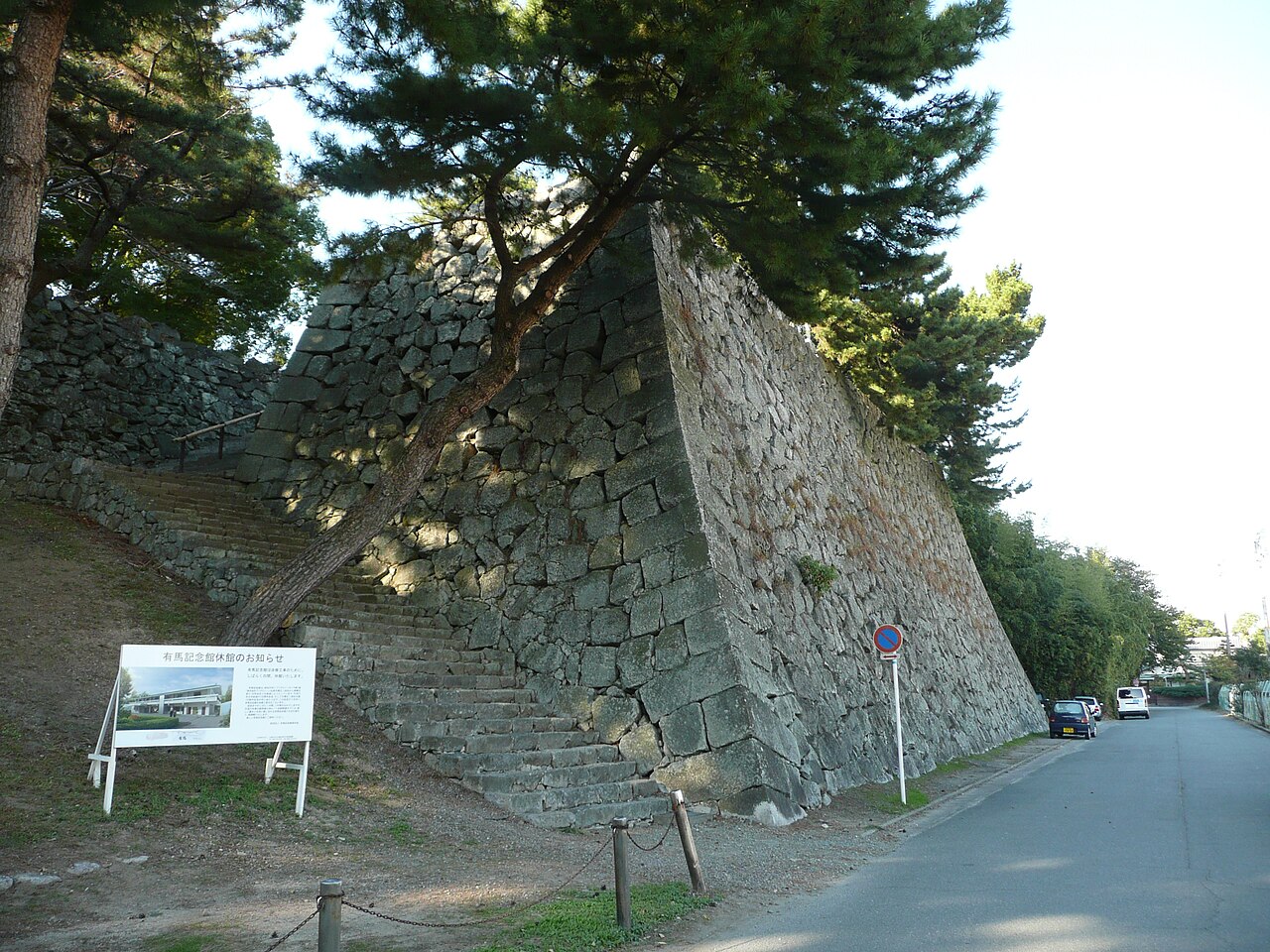
The imposing stone ramparts of the Arima clan's riverside stronghold, now a shrine above the Chikugo River.
A UNESCO-listed Meiji coal-mine shaft in Omuta, its towering steel headframe a monument to Japan's industrial rise.
Kyoto
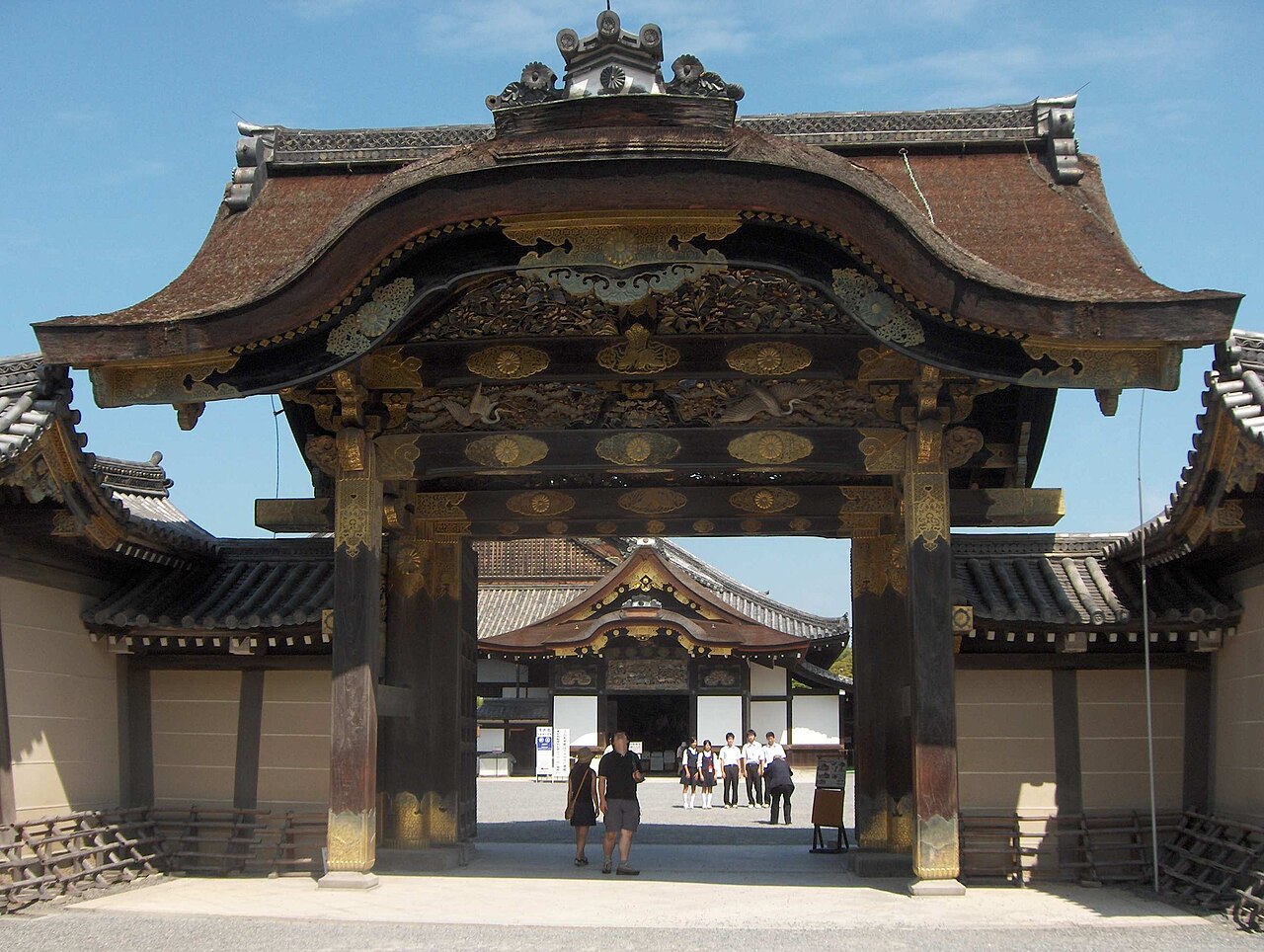
The Tokugawa shoguns' Kyoto stronghold, famous for its nightingale floors and lavish Ninomaru Palace.
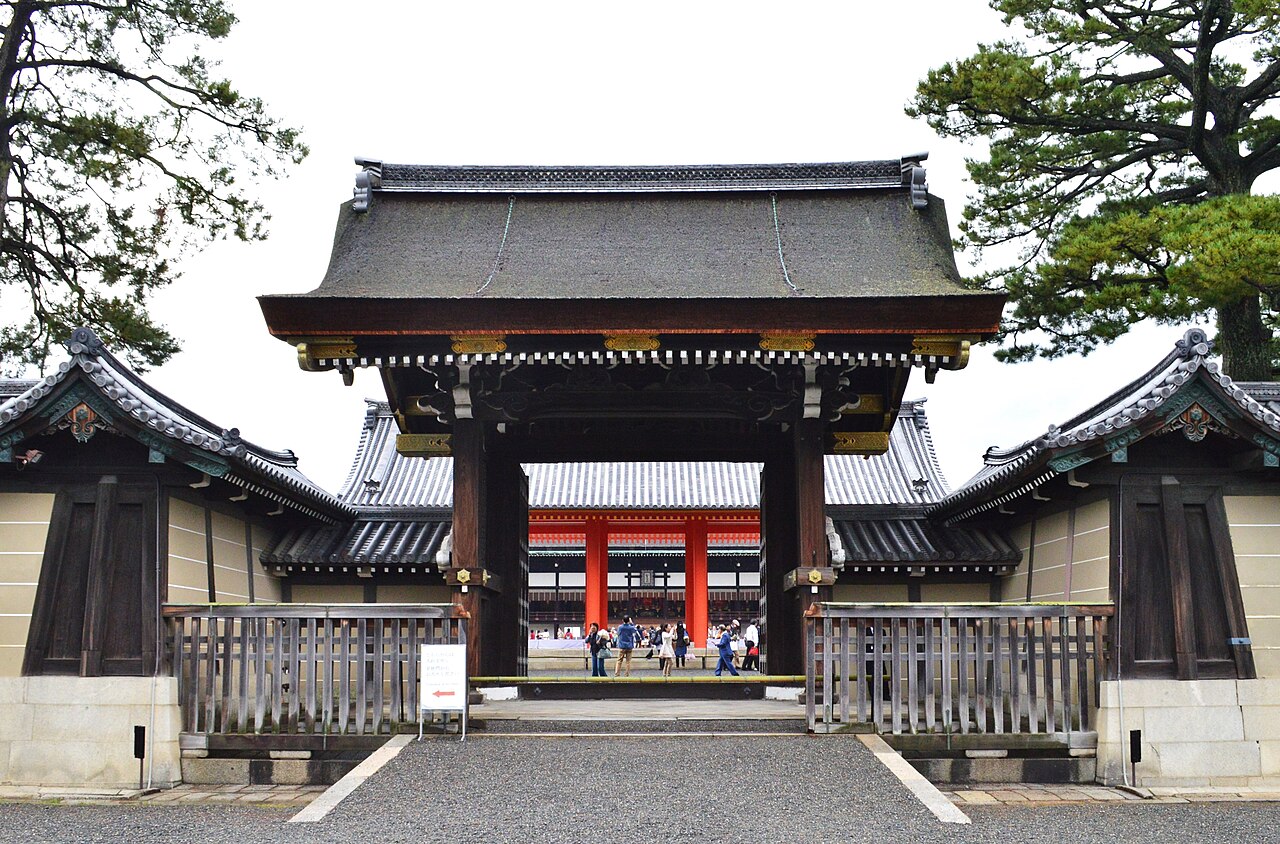
A retired emperors' palace inside Kyoto Gyoen, prized for its exquisite Kobori Enshu pond gardens.
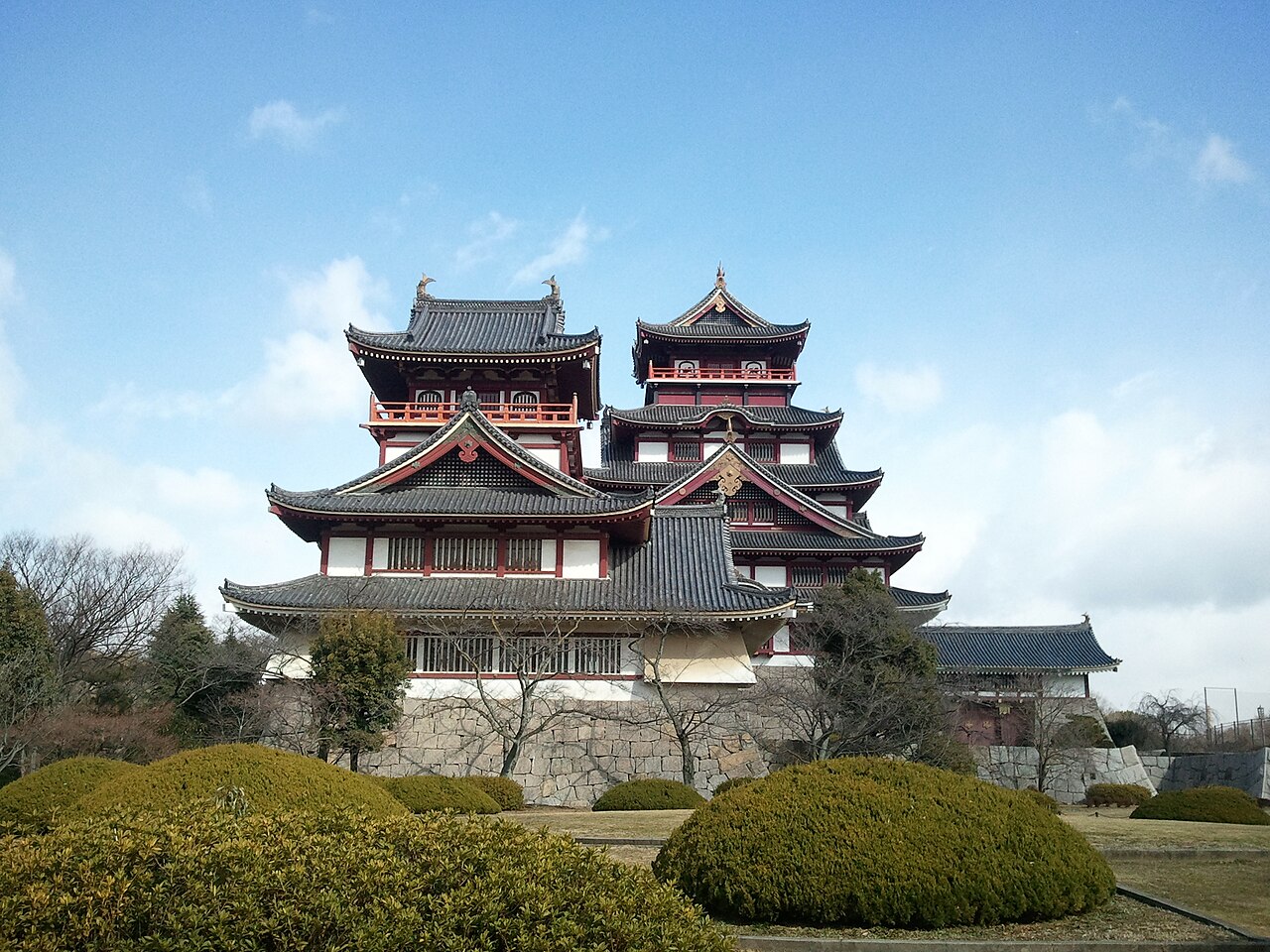
A striking hilltop keep marking the site of Toyotomi Hideyoshi's last great castle and the birthplace of the Momoyama era.
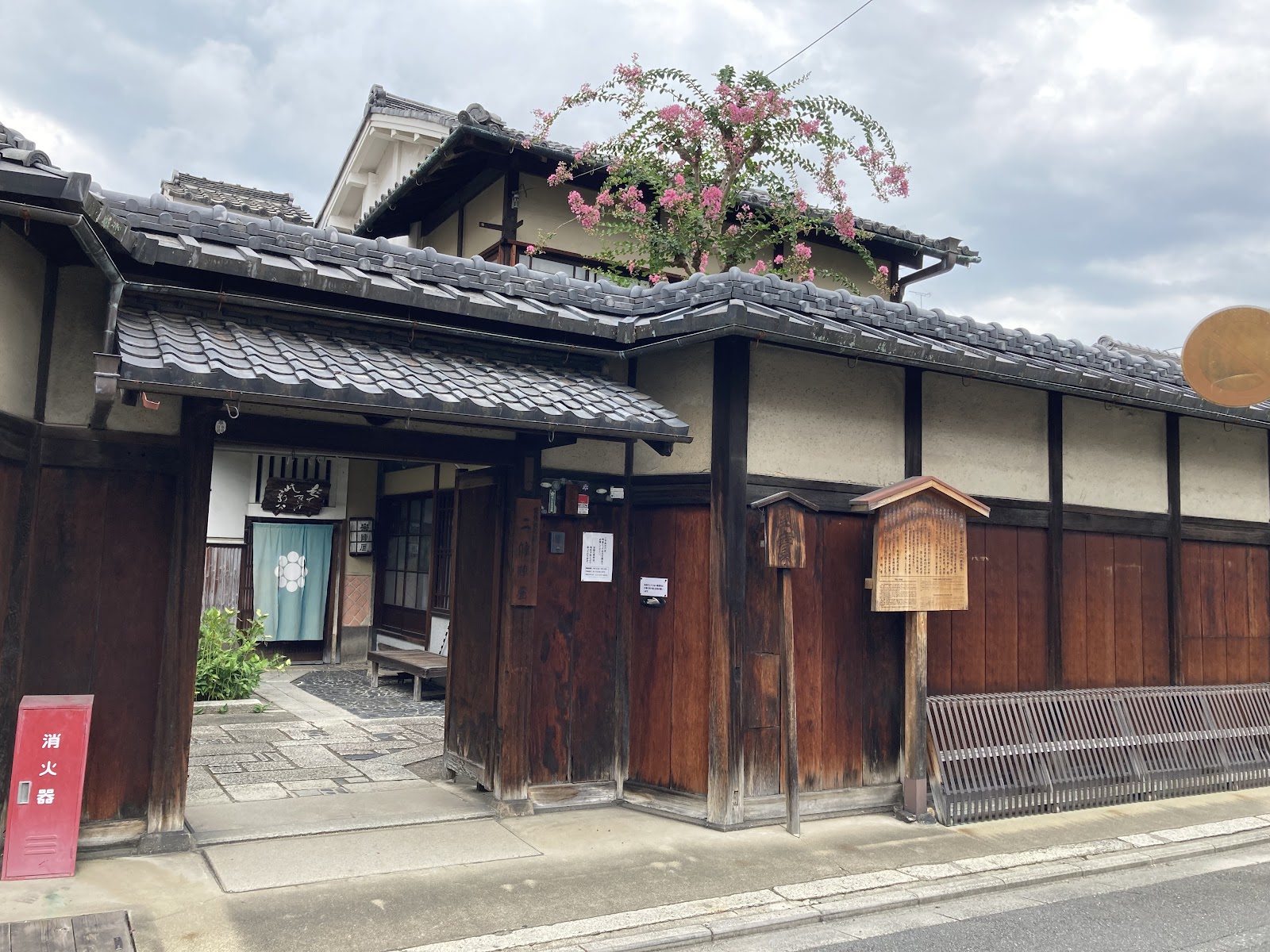
An ingenious 17th-century merchant house full of secret defences, trapdoors and hidden passages for its samurai guests.
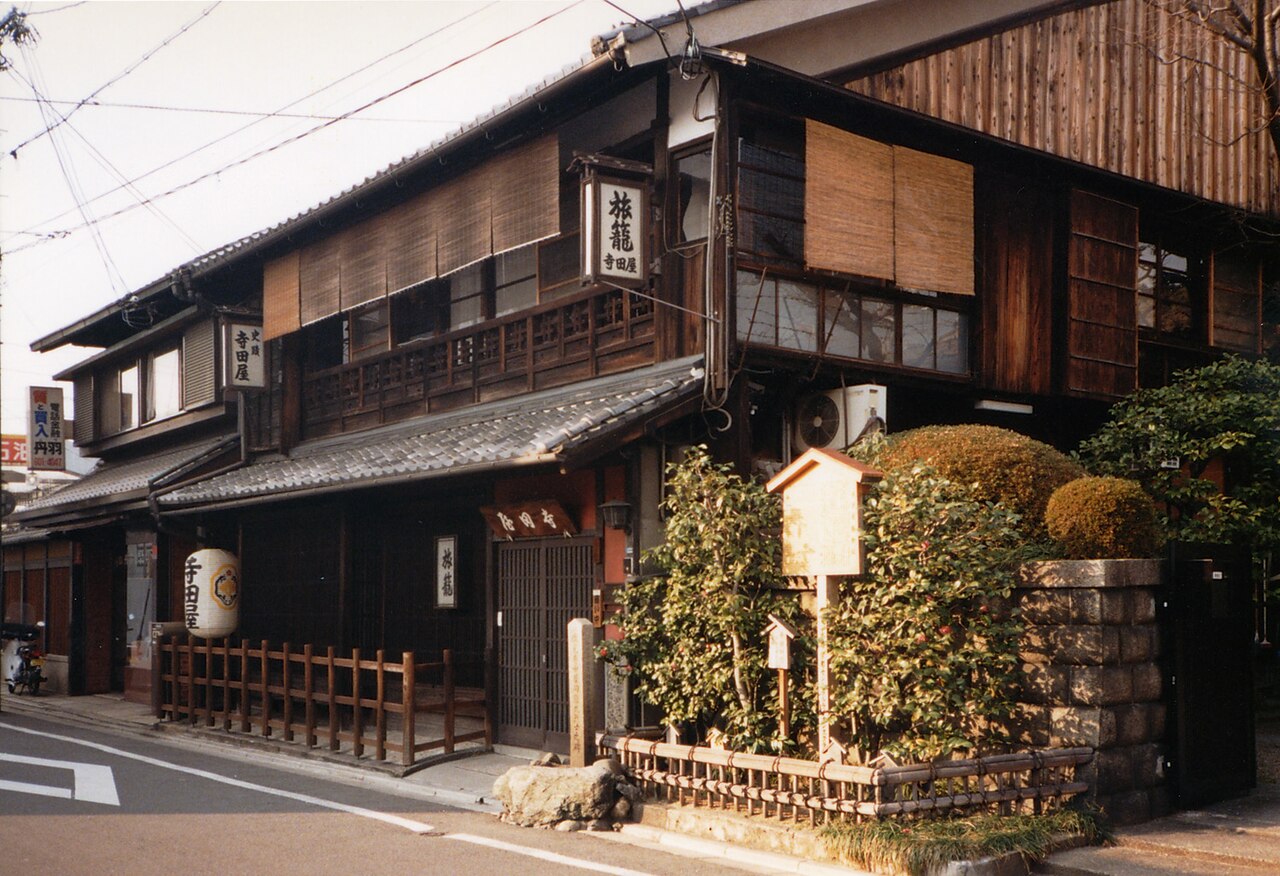
The historic Fushimi boatmen's inn where Sakamoto Ryoma narrowly escaped assassination in 1866.
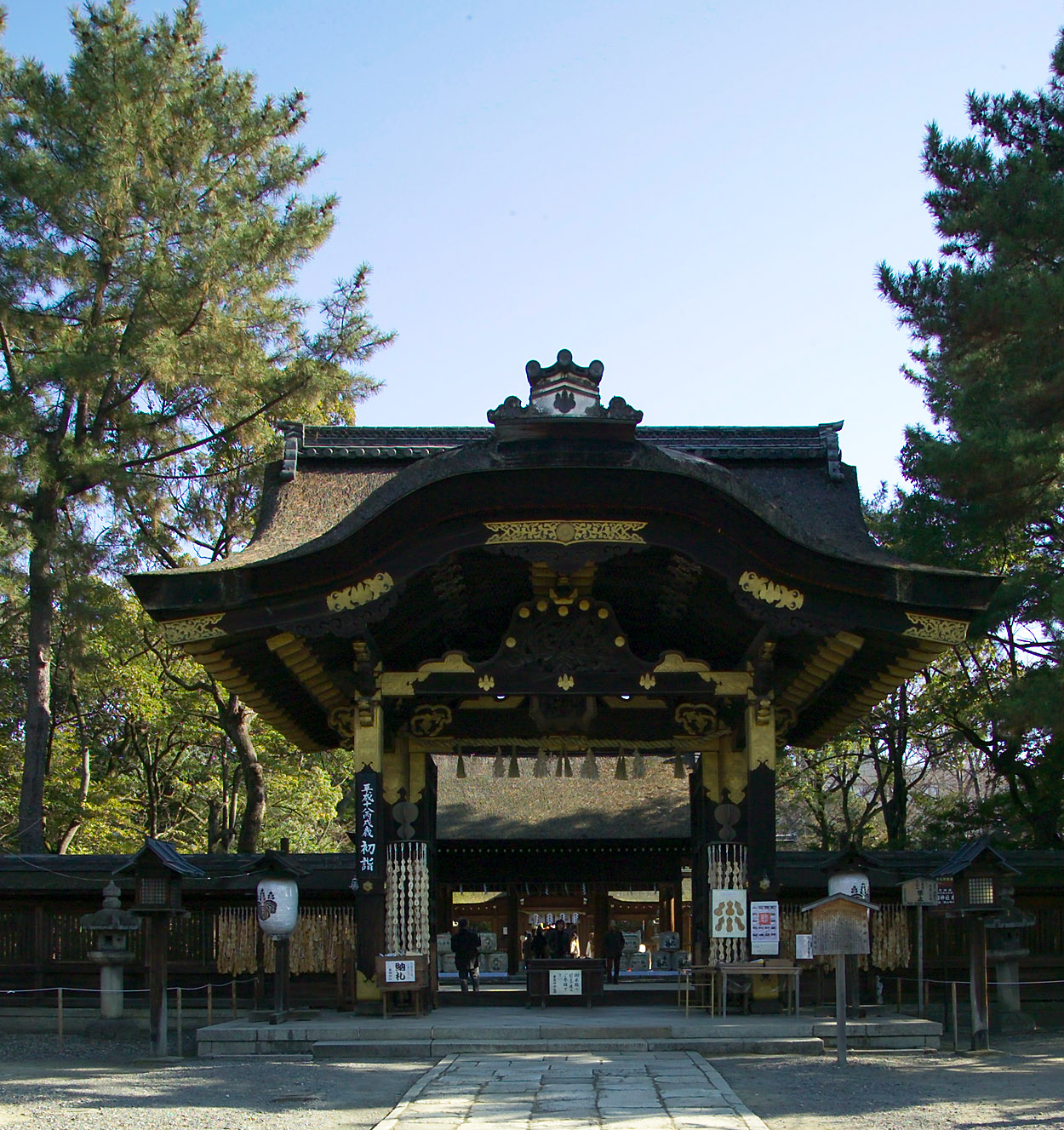
The shrine deifying the warlord Toyotomi Hideyoshi, fronted by a spectacular National Treasure gate from Fushimi Castle.