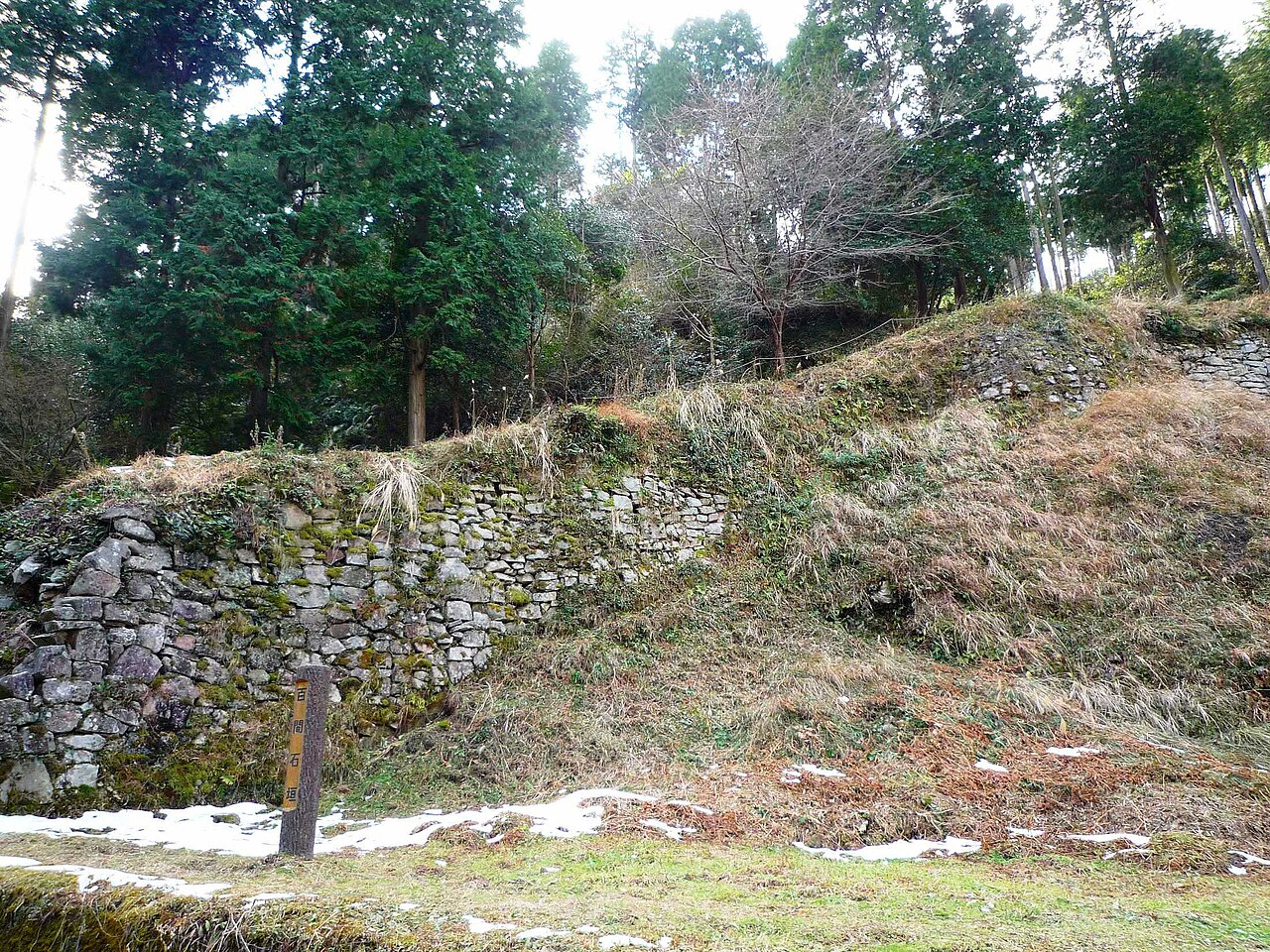
A 7th-century Korean-style mountain fortress above Dazaifu, built to guard ancient Japan from invasion.
Ono Castle is one of the oldest fortifications in Japan and one of the most evocative historic sites in all of Kyushu, yet it sees only a trickle of visitors. Spread across the wooded summit ridge of Mount Shioji, on the borders of Onojo, Dazaifu, and Umi, it is not a castle in the later samurai sense of keeps and moats but an ancient earth-and-stone citadel of a wholly different age.
Its construction was an act of national fear. In 663, the allied forces of Yamato Japan and the Korean kingdom of Baekje were crushed by the armies of Tang China and Silla at the Battle of Baekgang. Bracing for a retaliatory invasion of the home islands, the Yamato court ordered a ring of defences thrown up around Dazaifu, the administrative capital of Kyushu. Ono Castle, begun in 665, was the mountain stronghold of that system, a refuge and command post overseen with the help of Baekje engineers who brought continental fortress-building techniques with them.
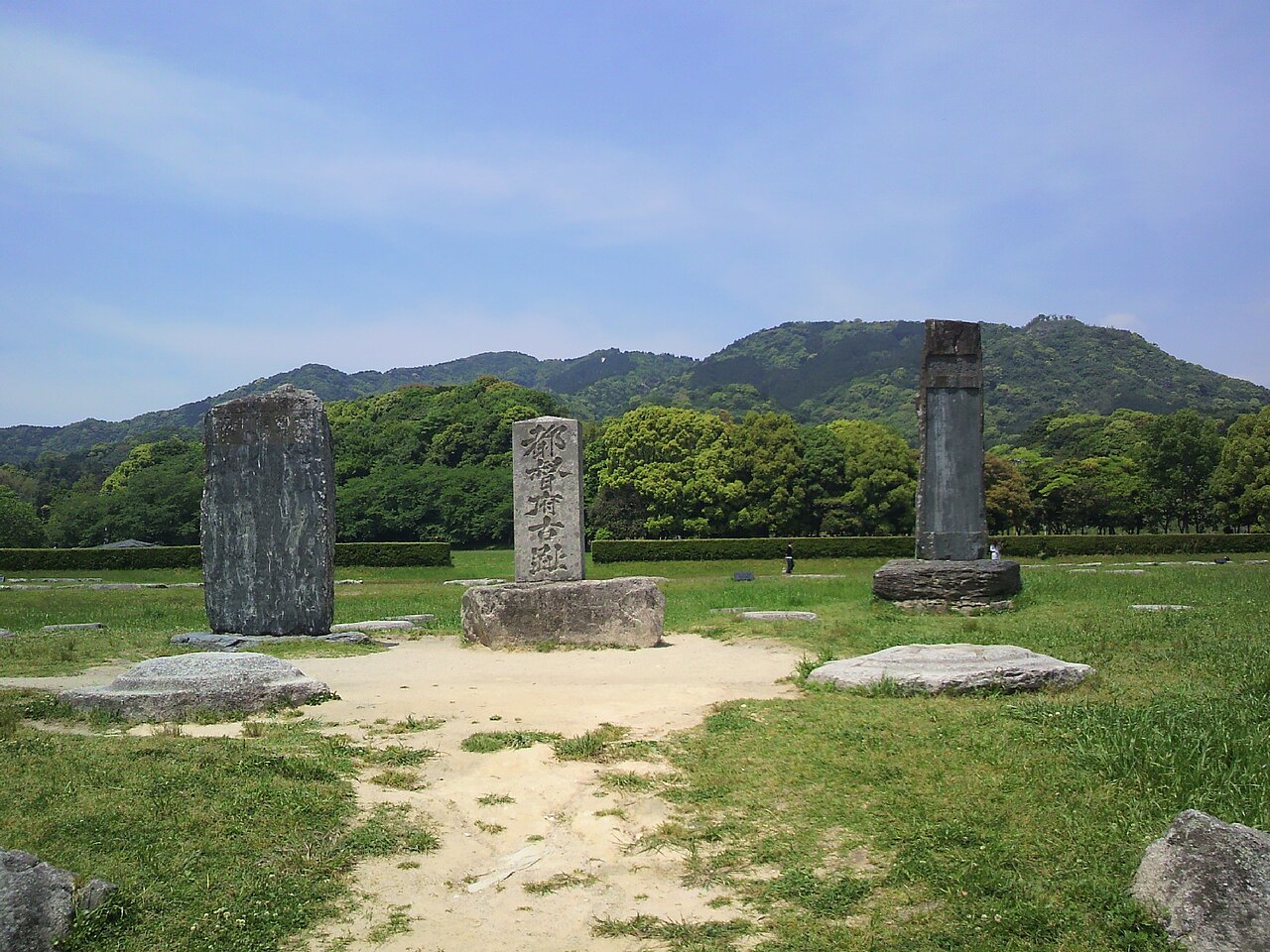
What survives is remarkable. A perimeter of ramparts more than eight kilometres long rings the mountain, following the natural contours of ridge and valley. In places these are simple earthen banks; in others, notably the celebrated Hyakken-ishigaki on the western flank, they become massive dry-stone walls of fitted boulders that have held their line for over thirteen centuries. Scattered across the summit are the stone foundations of some seventy storehouses and buildings, once packed with weapons and grain against a siege that, in the end, never came.
Exploring the site is genuinely atmospheric. Forest trails link the gates and rampart sections, and interpretive signs help you piece together the plan of the ancient fortress. Because you are walking a mountaintop, the reward is not only history but landscape: gaps in the trees open onto sweeping views over the Dazaifu basin, the sprawl of the Fukuoka plain, and, on clear days, the distant sea from which the feared invasion was expected to come. In autumn the surrounding slopes glow with colour, and the cool air makes the climb a pleasure.
This is a place that rewards effort and a little imagination. There are no ticket booths, souvenir stalls, or crowds, just the bones of a vanished state's anxiety written into a mountain. Ono Castle is protected as a National Special Historic Site and is often paired with the nearby Mizuki water fortress and the Dazaifu government ruins as a set that tells the story of ancient Japan's western frontier.
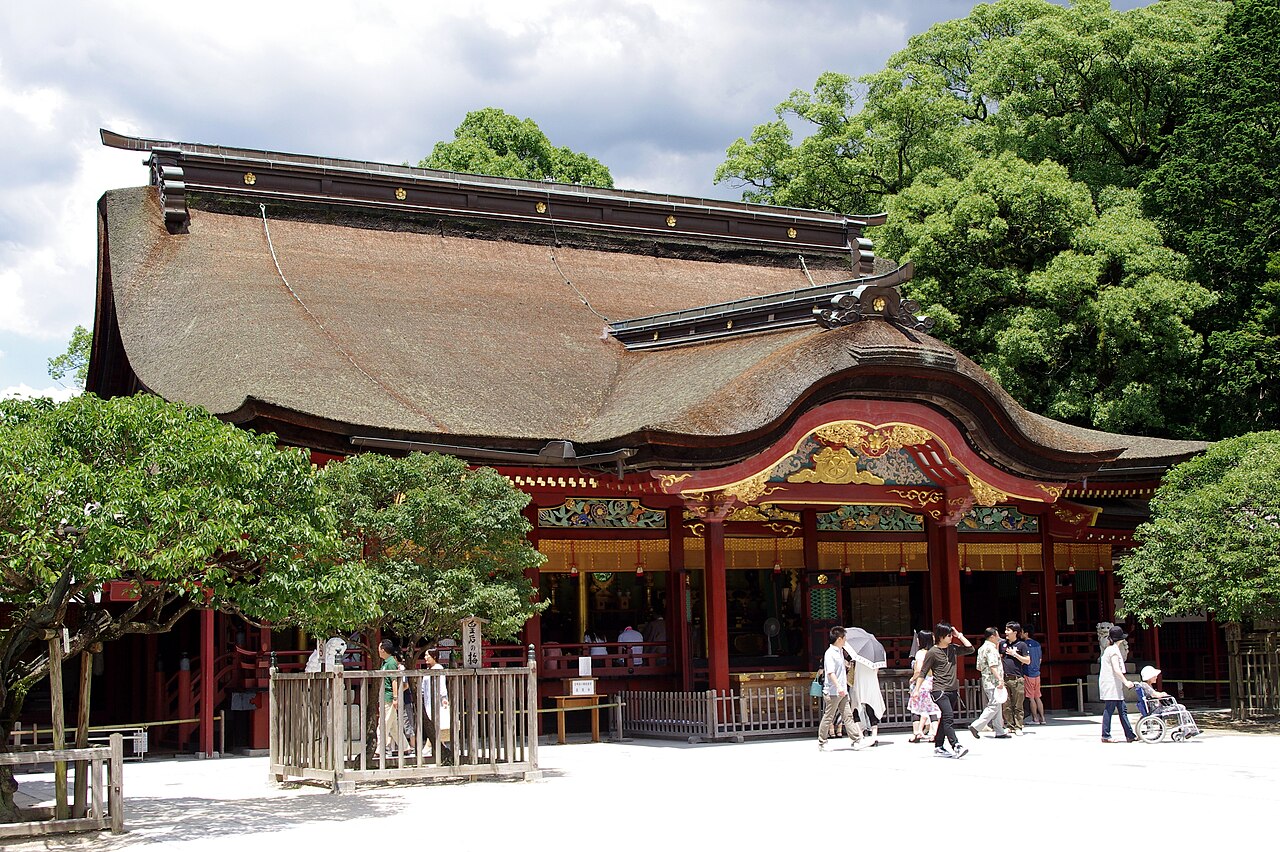
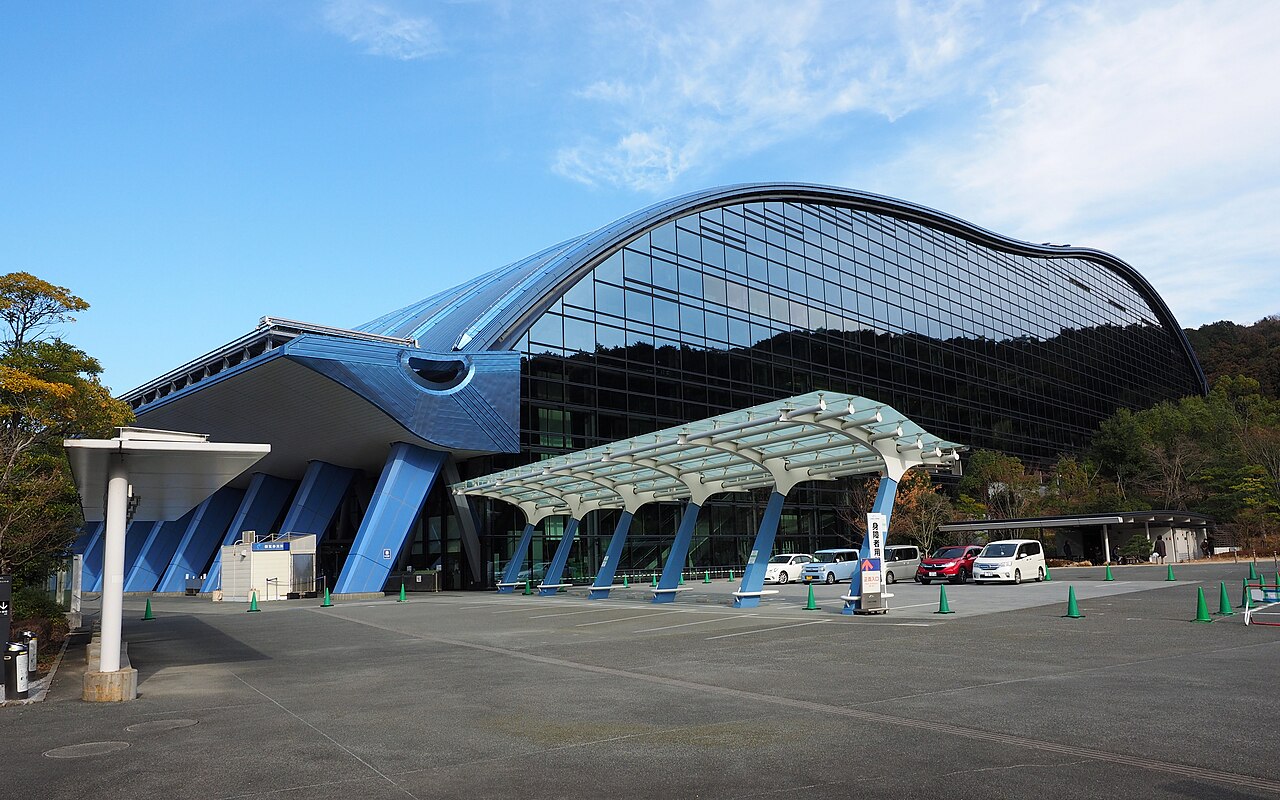
Come in spring or autumn for comfortable hiking weather and the best visibility. Access is easiest with a car to one of the ridge-line trailheads and parking areas; on foot, expect a demanding walk up from the Dazaifu or Onojo side, so allow a half day, carry water, and wear sturdy shoes. Combine it with Dazaifu Tenmangu and the Kyushu National Museum below for a full day that moves from ancient warfare to courtly culture.
A local's tip
Head straight for the Hyakken-ishigaki, the hundred-ken stone rampart on the western slope, which is the most dramatic and best-preserved stretch of the ancient wall.
Best time to visit
Spring and autumn for comfortable hiking and clear valley views
Getting there
The ruins crown Mount Shioji on the border of Onojo, Dazaifu, and Umi. Access is easiest by car to the ridge-line trailheads; on foot it is a stiff hike up from the Dazaifu or Onojo side, so allow half a day and wear proper shoes.
Good to know
- Parking
- Restrooms
Plan the whole trip offline
Ono Castle Ruins is one of many places in the Real Japan app — with turn-by-turn directions, nearby spots and full offline maps you can use with no signal.