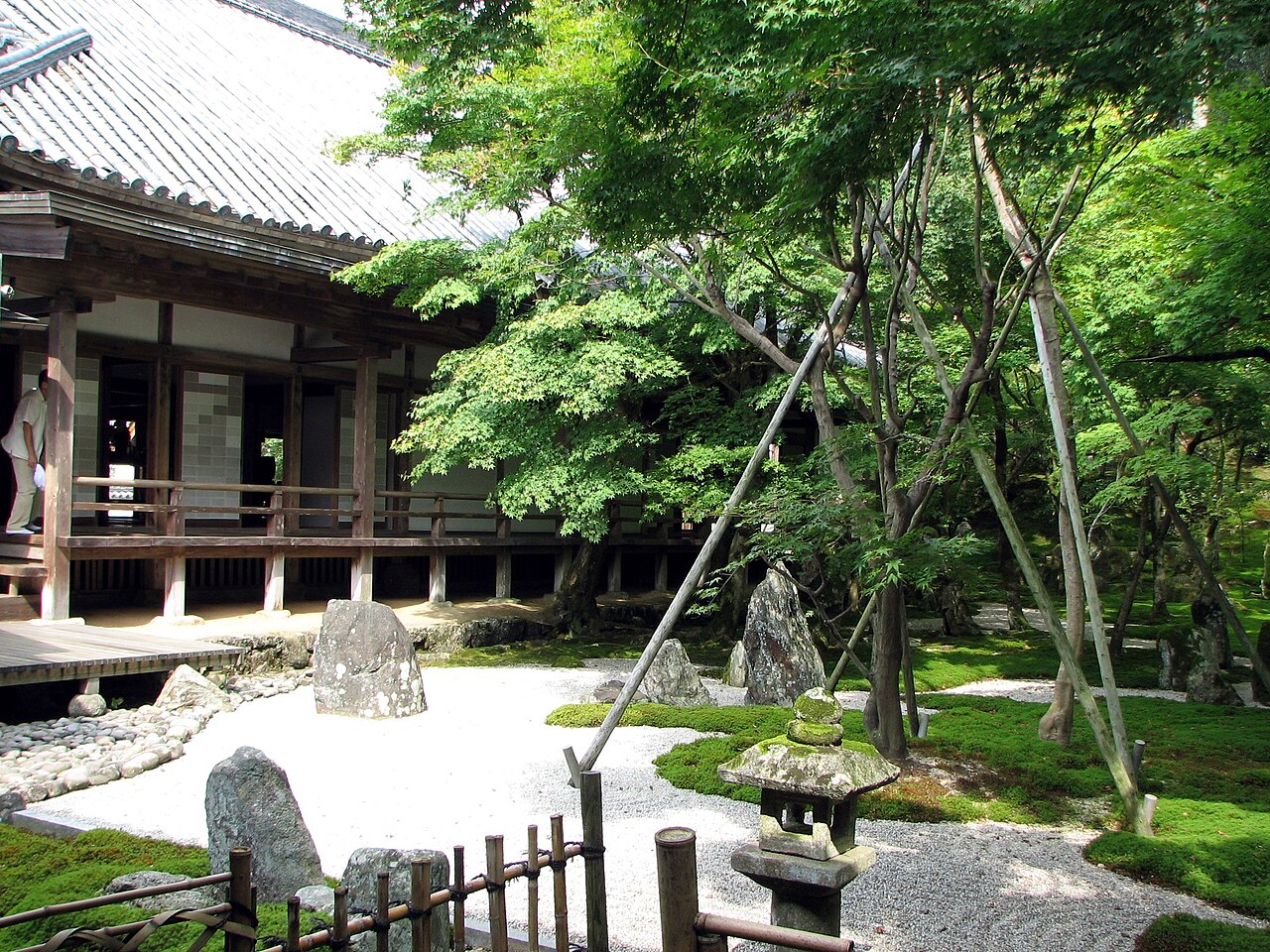
A serene Rinzai Zen temple by Dazaifu Tenmangu, home to Kyushu's only classic karesansui dry-landscape garden.
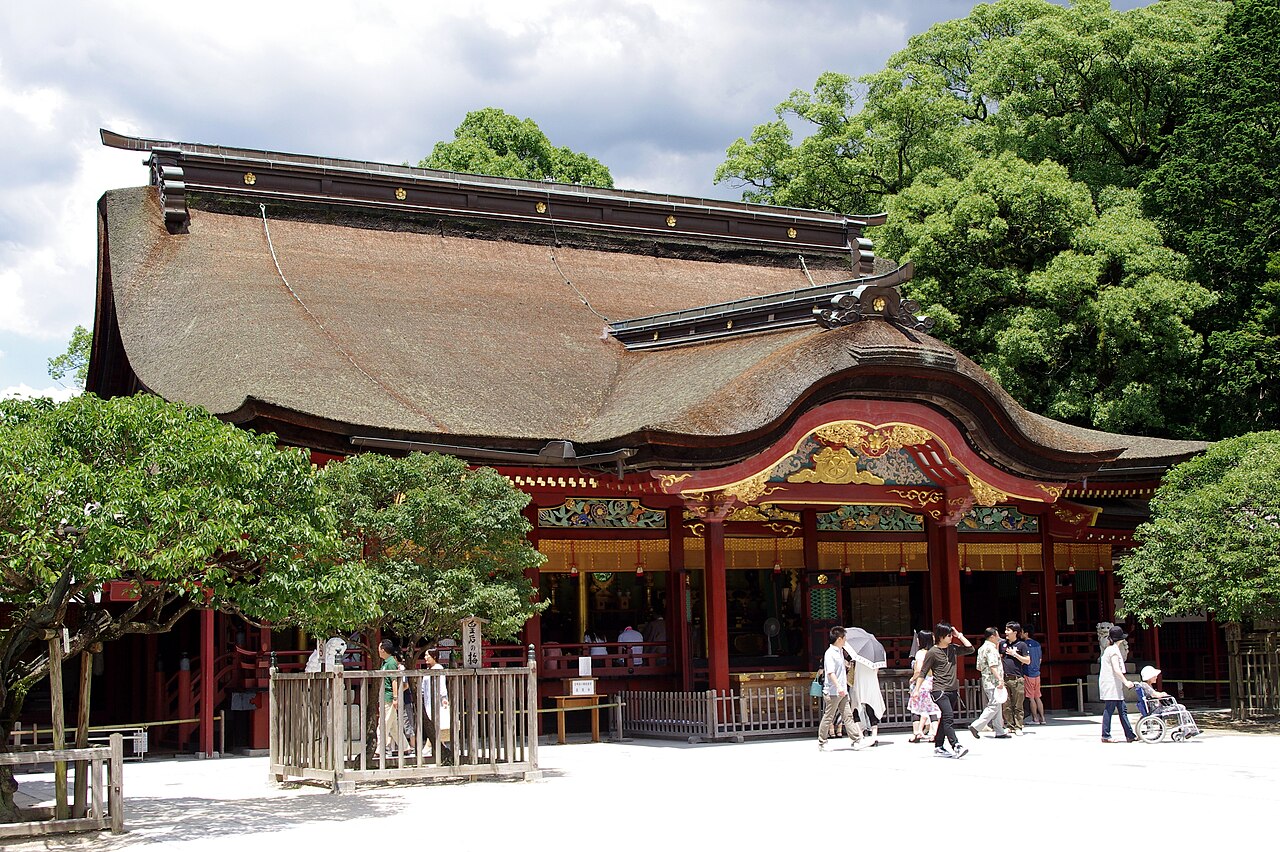
Just a few minutes' walk from the thronged approach to Dazaifu Tenmangu, and worlds away in mood, lies Komyozenji, a small Rinzai Zen temple that offers one of the most peaceful experiences in the whole Dazaifu area. Founded in the Kamakura period in the thirteenth century, the temple is celebrated for its karesansui, or dry-landscape garden, often described as the only classic Zen rock garden of its kind in Kyushu. Where Dazaifu Tenmangu is grand, busy and colourful, Komyozenji is intimate, hushed and contemplative, and most of the crowds surging past its gate never think to step inside, which is precisely what makes it so rewarding.
The temple has two gardens, and the contrast between them is the heart of a visit. The smaller front garden, the Sekichinsekitei, is a pure dry-landscape composition of fifteen stones set in a bed of raked white gravel, arranged so that the rocks trace out the Japanese character for light, komyo, from which the temple takes its name. It is austere and abstract, a garden meant for meditation rather than strolling. The larger rear garden, viewed from the wooden veranda of the main hall, is softer and more sensuous: here raked gravel meets carpets of deep green moss, clusters of rocks and, above all, maple trees, laid out to suggest islands in a sea and mountains rising beyond. The design plays gravel against moss and stone against foliage in a way that changes completely with the seasons.
That seasonal transformation is Komyozenji's great gift. In autumn, from mid to late November, the maples over the rear garden blaze scarlet and gold, their colour reflected in the moss and framed by the dark timber of the veranda, and the temple becomes one of the finest and most photogenic spots for autumn foliage anywhere near Fukuoka. In summer the same garden is a cool wash of green; in the quiet of winter it is stripped back to bones of rock and gravel. Visitors are invited to sit on the veranda for as long as they like, and the temple asks only for stillness and quiet, so that the garden can do what such gardens are made to do: slow the mind and focus attention.
Because it sits barely a seven-minute walk from Dazaifu Station and immediately south of Dazaifu Tenmangu, Komyozenji is effortless to add to a day exploring the old western capital, and it makes the ideal calm counterpoint to the bustle of the great shrine. A modest admission fee of a few hundred yen is collected by a simple honesty box at the entrance. Allow around forty minutes, longer in autumn, remove your shoes to step up onto the tatami and veranda, and give yourself permission to simply sit. Few small detours in Fukuoka repay the effort so richly.
A local's tip
Sit on the wooden veranda of the main hall in silence and take in the rear garden slowly; photography of the moss and maple garden is best on an overcast day when colours saturate.
Best time to visit
Mid to late November for the autumn maples
Getting there
A seven-minute walk from Dazaifu Station, just a short stroll south of Dazaifu Tenmangu; look for the modest gate on a quiet side street away from the main crowds.
Good to know
- Restrooms
Plan the whole trip offline
Komyozenji Temple is one of many places in the Real Japan app — with turn-by-turn directions, nearby spots and full offline maps you can use with no signal.