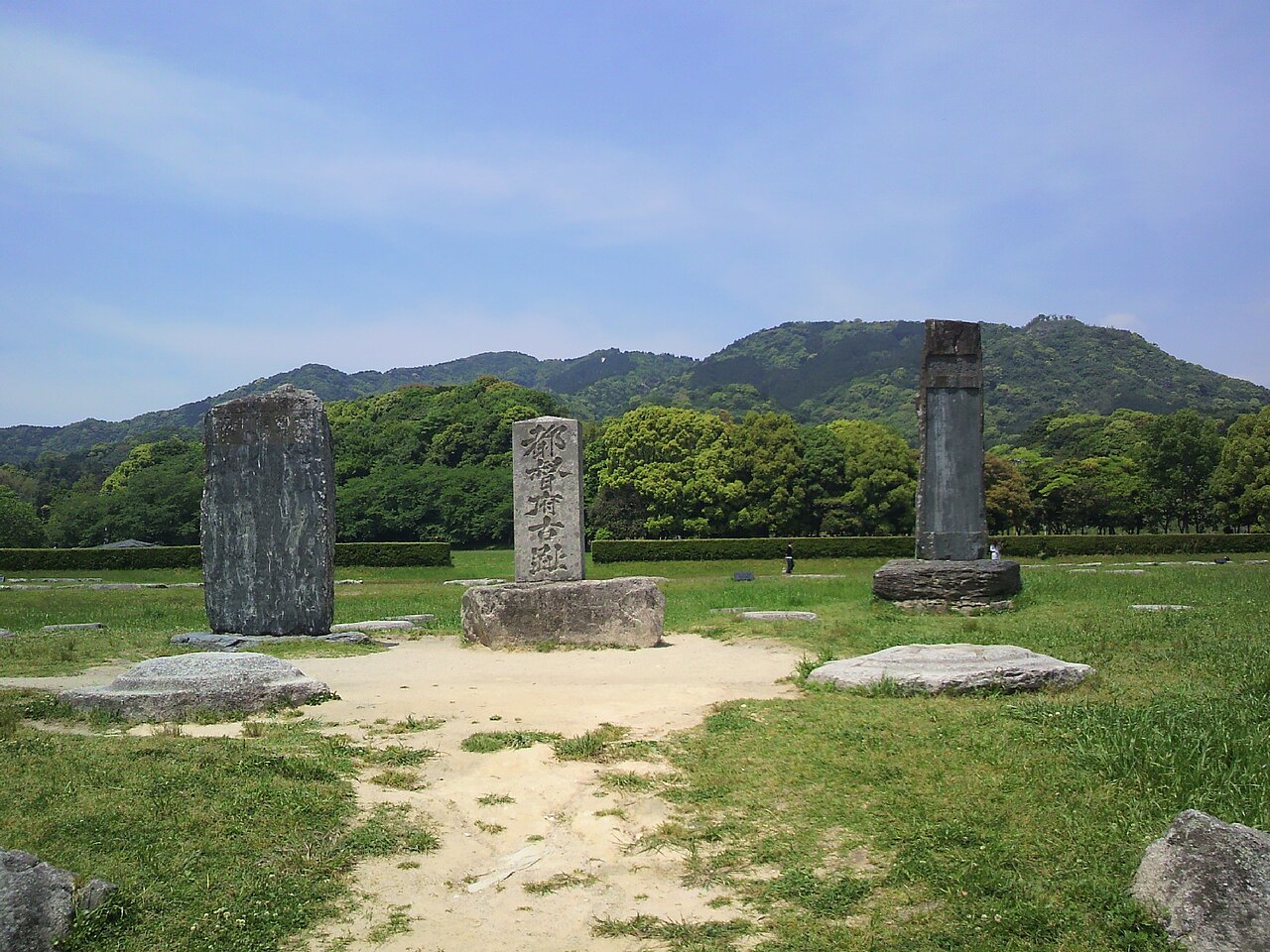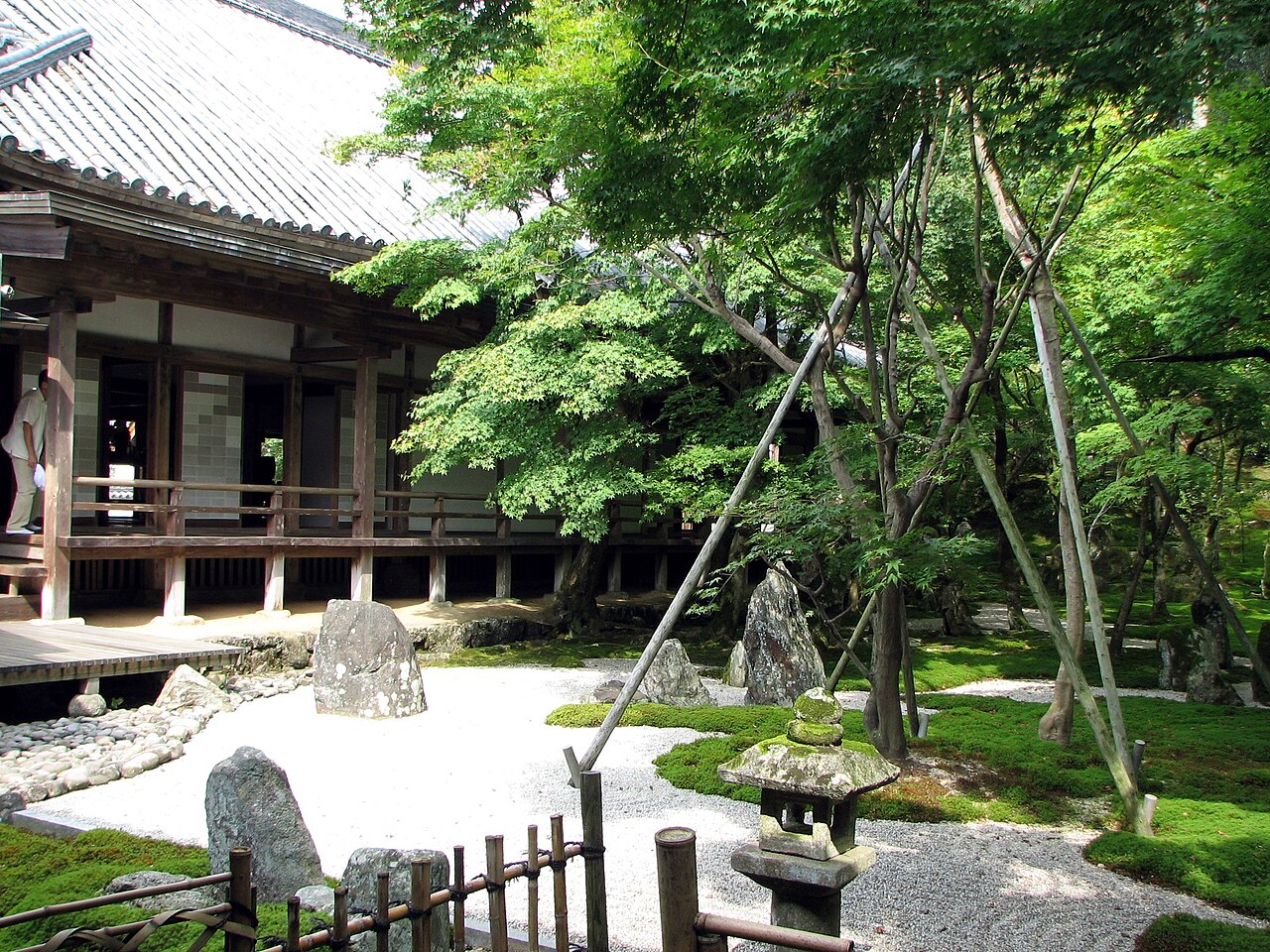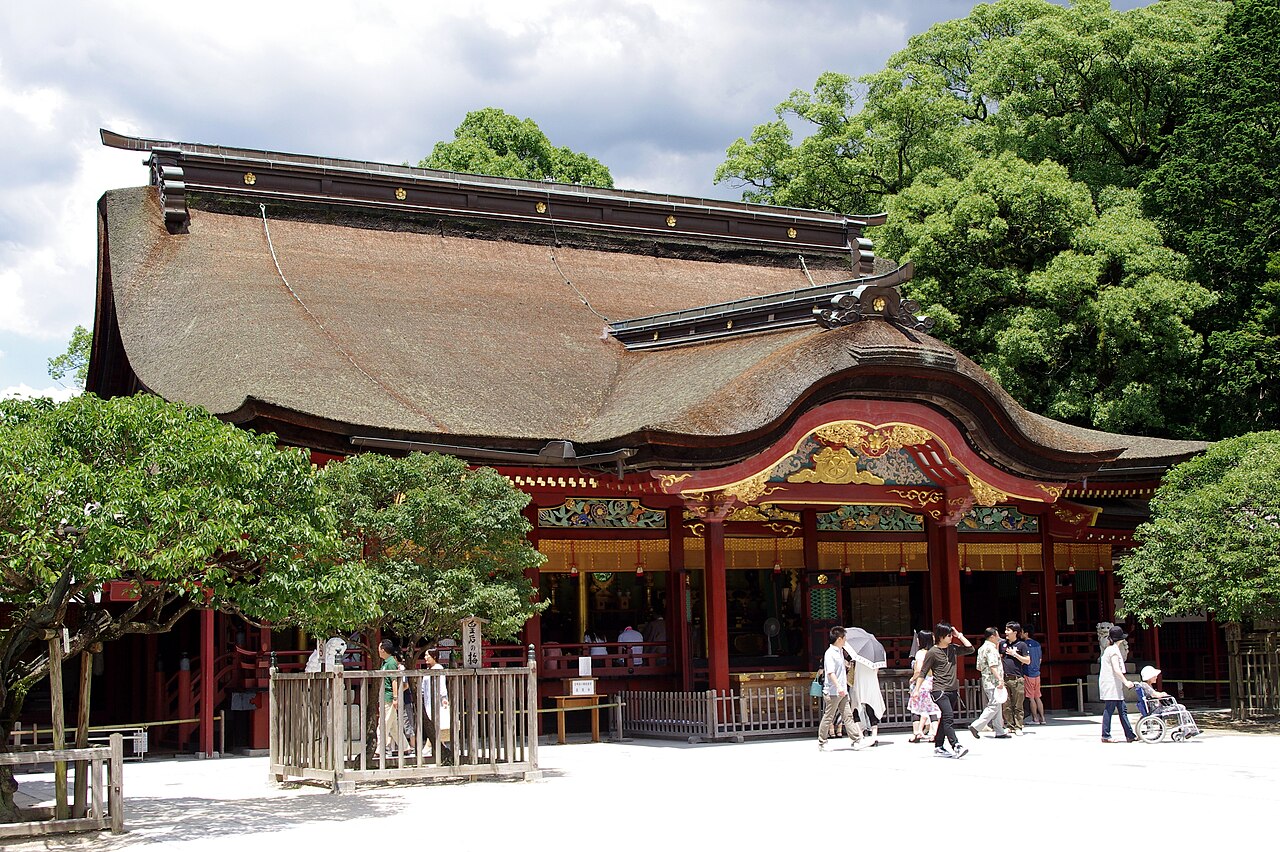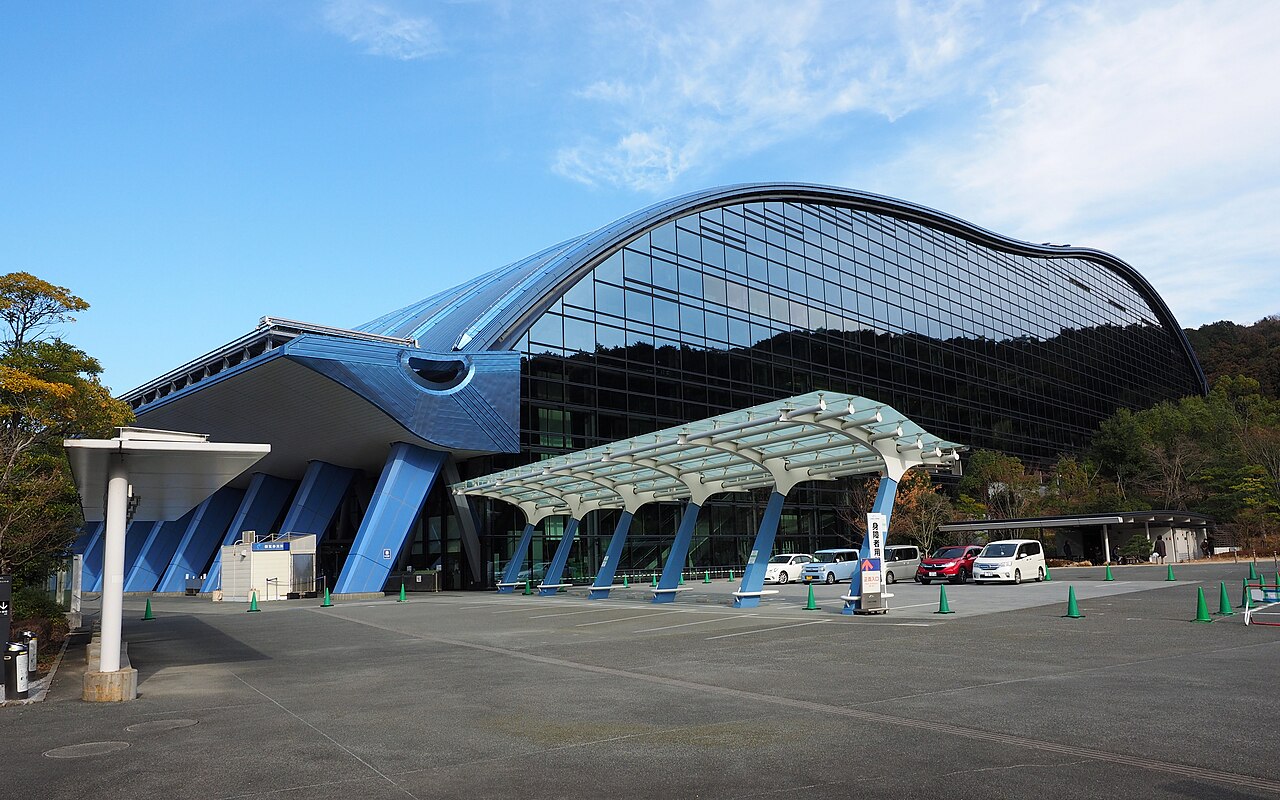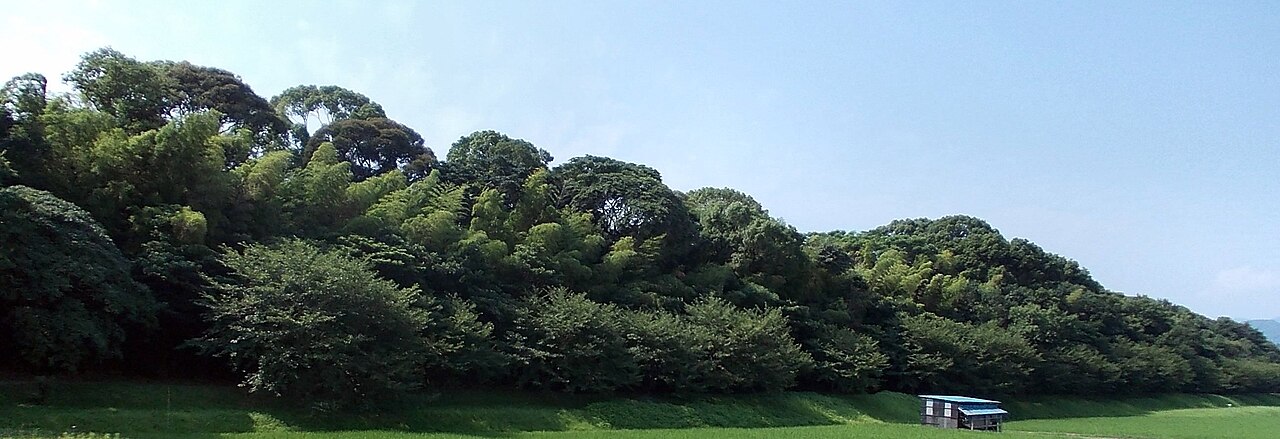
An enormous 7th-century earthen water rampart raised to defend the ancient Kyushu capital of Dazaifu.
Mizuki, whose name literally means water fortress, is one of the great engineering relics of ancient Japan, hiding in plain sight along the commuter railway between Fukuoka and Dazaifu. To a passing traveller it can look like an ordinary tree-covered ridge, but it is in fact a colossal defensive earthwork, deliberately thrown across the narrowest point of the valley that leads to the old capital of Kyushu.
Like the nearby mountain fortress of Ono Castle, Mizuki was built in the atmosphere of national alarm that followed Japan's catastrophic defeat at the Battle of Baekgang in 663. Fearing an invasion by the victorious Tang and Silla forces, the Yamato court in 664 ordered the construction of a barrier to shield Dazaifu, the administrative heart of the island. The result was a rampart of packed earth roughly 1.2 kilometres long, some 80 metres wide at the base, and originally around 9 metres high, sealing off the corridor between the surrounding hills.
The genius of the design lay in water. A wide moat was dug along the front of the embankment and fed to hold a defensive expanse of water, so that any attacking army marching on Dazaifu would be forced to halt before a flooded barrier overlooked by defenders. Wooden conduits and gates controlled the flow, and two gates pierced the wall to carry the road and allow controlled passage. It was, in effect, a piece of continental military science transplanted onto the Kyushu plain more than thirteen hundred years ago.
Walking the site today is a quiet, contemplative experience rather than a spectacle. Substantial stretches of the earthen wall survive, now cloaked in grass and trees and cut through by the modern railway and expressway that still exploit the same natural gap. Interpretive panels and small preserved sections at the East Gate and West Gate help you visualise the scale of the original structure, and an observation point lets you follow the line of the rampart as it strides across the valley. In spring, cherry trees planted along the embankment bloom in a long pink ribbon, softening the ancient defences.
Mizuki is protected as a National Special Historic Site and forms one leg of the trio of ancient defensive works, together with Ono Castle above it and the Dazaifu government office ruins beyond, that together tell the story of how a young Japanese state fortified its western frontier. Seen together, they turn an ordinary suburban valley into a landscape of 7th-century geopolitics.
The ruins are free and always open. The easiest approach is a short walk from Nishitetsu Mizuki Station on the Tenjin Omuta Line, which threads right past the earthwork, making it a convenient stop between central Fukuoka and Dazaifu. Allow around an hour, come in cherry blossom season if you can, and pair it with the Dazaifu shrine and museum complex a few minutes further down the line for a half-day steeped in the ancient history of Kyushu.
A local's tip
Climb the East Gate observation point at dusk to trace the full 1.2 km line of the earthwork as it cuts across the plain toward the hills.
Best time to visit
Spring, when cherry trees line the old embankment
Getting there
A short walk from Nishitetsu Mizuki Station on the Tenjin Omuta Line, roughly midway between Fukuoka's Tenjin and Dazaifu. The preserved embankment runs beside the railway and expressway across the narrow neck of the Dazaifu valley.
Good to know
- Parking
- Restrooms
Plan the whole trip offline
Mizuki Fortress Ruins is one of many places in the Real Japan app — with turn-by-turn directions, nearby spots and full offline maps you can use with no signal.