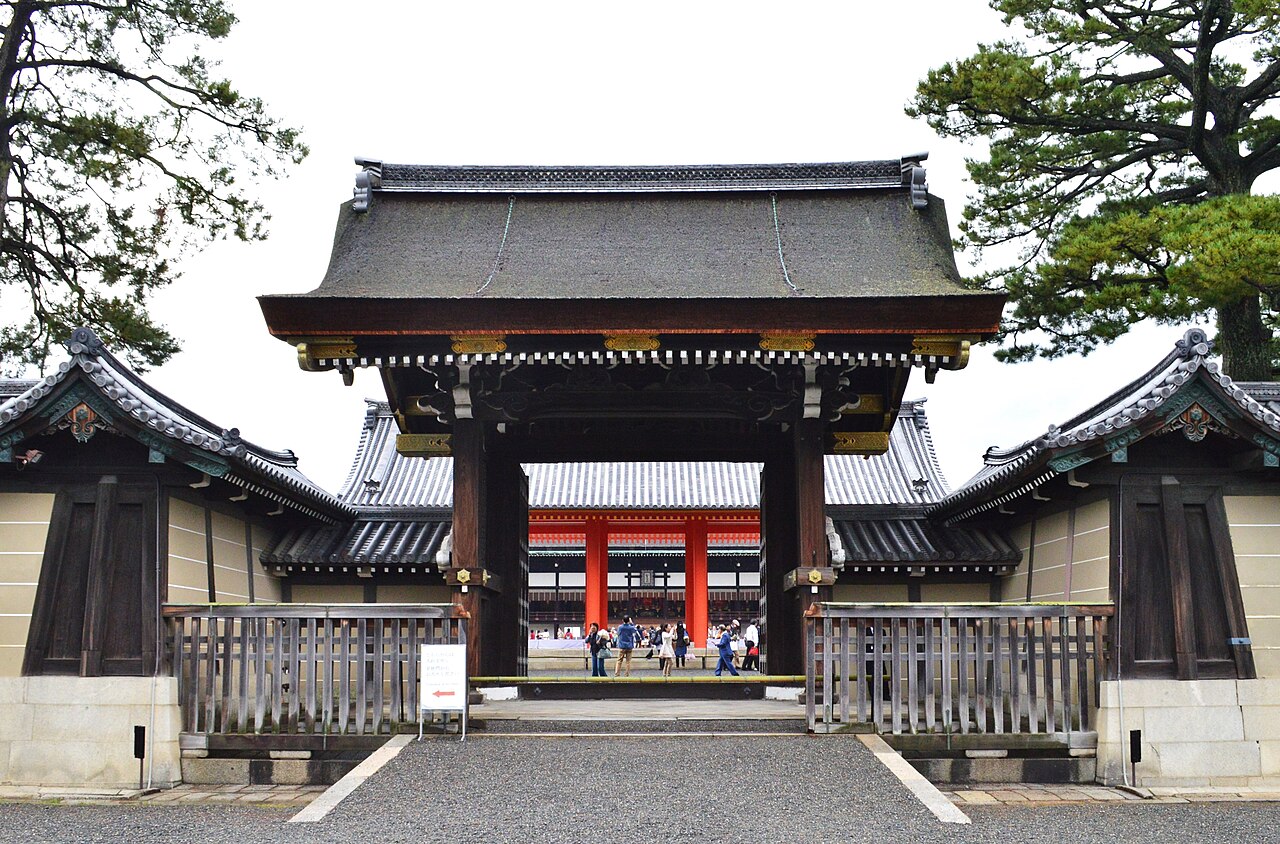
A retired emperors' palace inside Kyoto Gyoen, prized for its exquisite Kobori Enshu pond gardens.
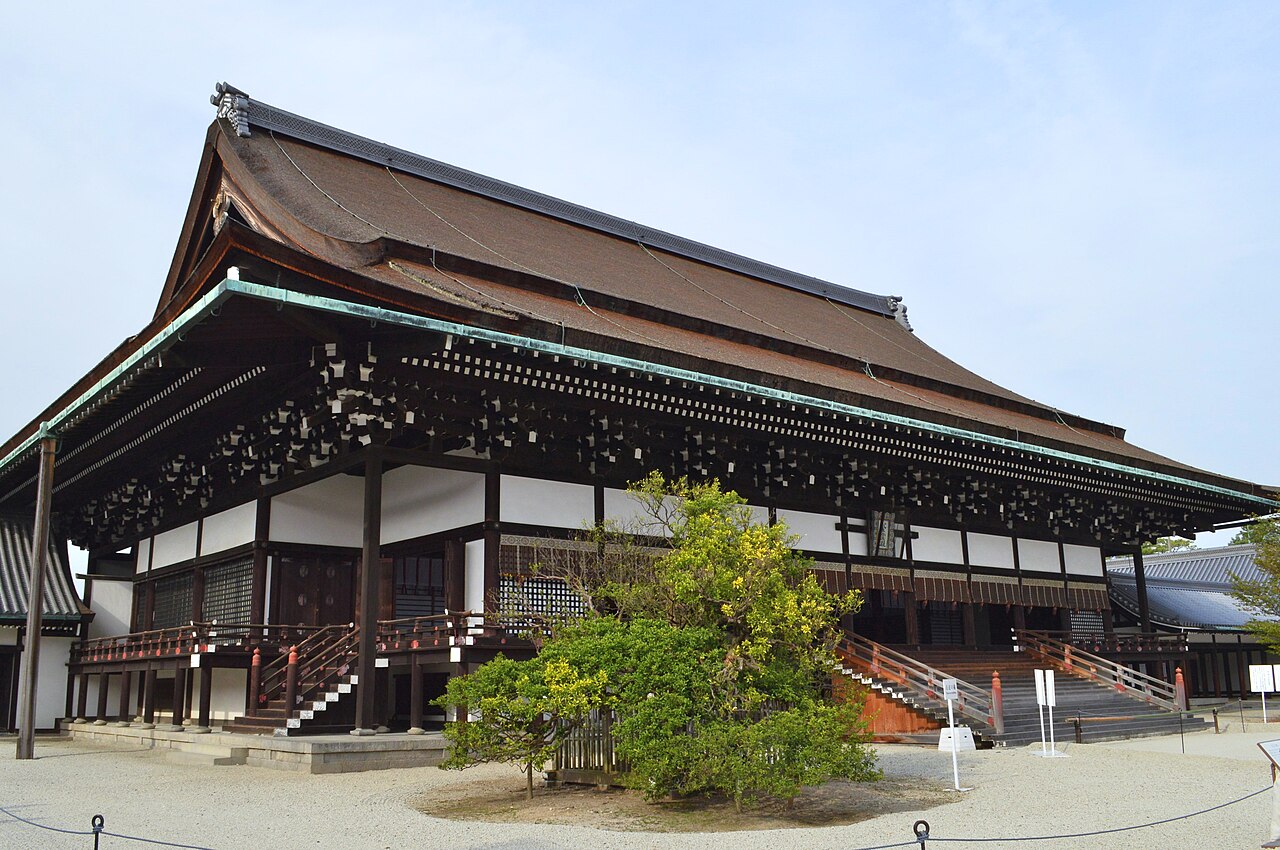
The Sento Imperial Palace (Sento Gosho) was built in 1630 as the retirement residence of Emperor Go-Mizunoo, who abdicated the throne but continued to wield influence as a cloistered former sovereign. In classical Japan, retired emperors often held real power from behind the scenes, and the Sento served as the elegant base for this kind of court life. It stands within Kyoto Gyoen, the same great walled park that holds the main Kyoto Imperial Palace, a short walk to the north.
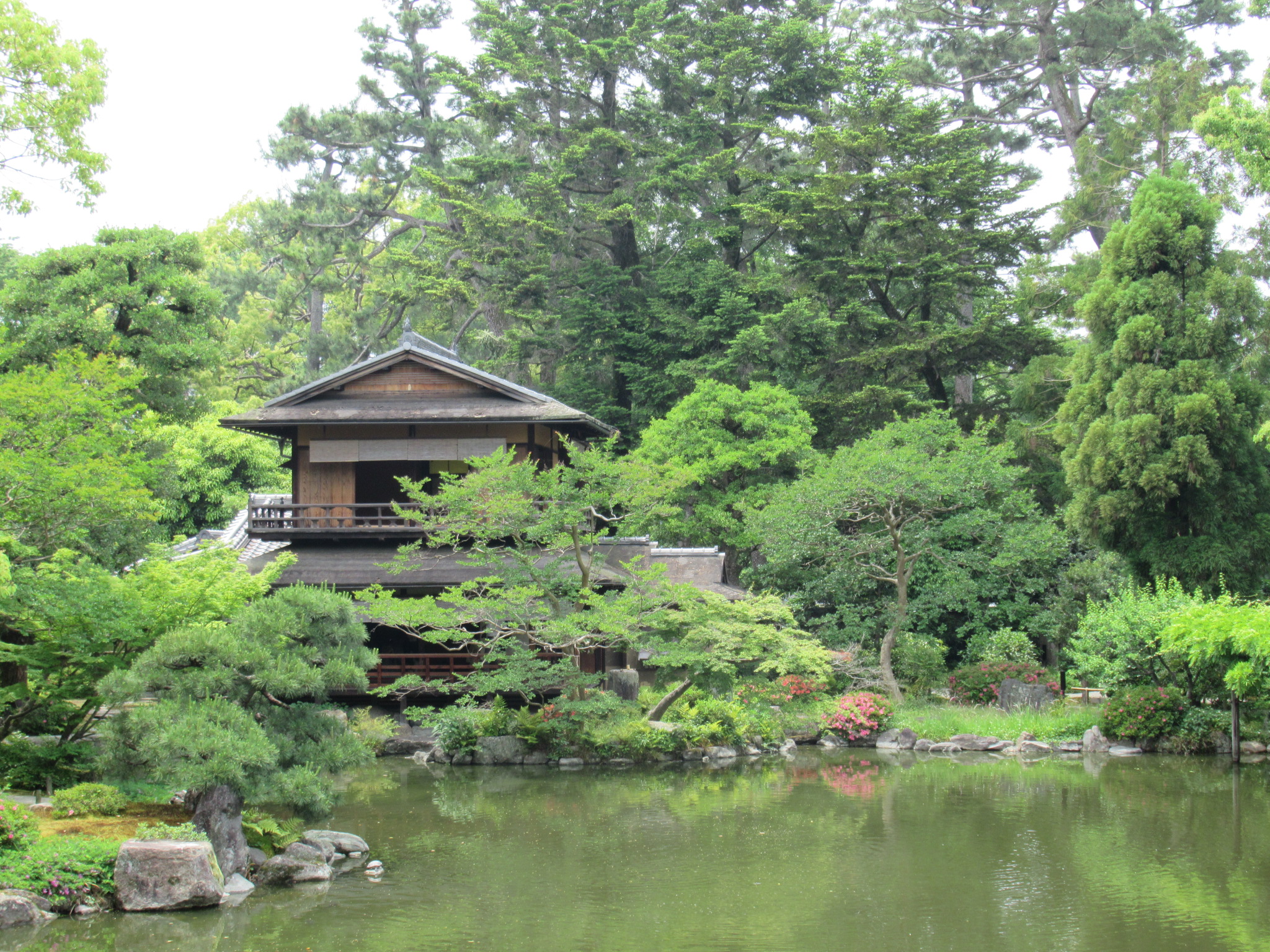
The palace buildings themselves were repeatedly destroyed by fire, the last time in 1854, and were not rebuilt, so what survives today is above all the garden, and it is one of the finest in the city. Laid out with the involvement of the legendary landscape designer Kobori Enshu, the grounds centre on two connected ponds, the North Pond and the South Pond, threaded by earthen bridges, a graceful arched wisteria trellis bridge, and stone lantern accents. The southern shore is famous for its beach of smooth, rounded pebbles, each said to have been individually wrapped and delivered as a tribute, forming a shimmering apron along the water's edge.
Because it is an active imperial property managed by the Imperial Household Agency, Sento can only be visited on a free guided tour. Tours run several times a day and can be reserved in advance online, by post, or at the agency's office in the park; a limited number of same-day tickets are also distributed on a first-come basis at the office each morning. The tour lasts about an hour and follows a set route around the ponds at an unhurried pace, with a guide narrating in Japanese while multilingual visitors can follow an audio guide or printed notes. The paths are gravel and mostly level, with some gentle slopes near the bridges.
Each season transforms the garden. In spring, cherry and later wisteria bloom over the water; in early summer the irises and fresh green maples are at their best; and in November the maples around the ponds ignite in reds and golds that mirror in the still water, making late autumn the most sought-after time to visit. The atmosphere is quiet and contemplative, a deliberate contrast to the busier temple gardens elsewhere in Kyoto, and the controlled group size keeps the setting serene.
Within the same grounds stand the Omiya Palace, historically the residence of empresses and dowager empresses and still used as a lodging for the imperial family when visiting Kyoto, though this is not open to the public. Combining Sento with the main Imperial Palace and a stroll through Kyoto Gyoen makes for a rewarding morning devoted to the refined world of the court.
To get there, take the Karasuma subway line to Marutamachi Station and walk about eight minutes into the park to the palace entrance, or approach from Imadegawa Station to the north. Note that tours do not run on Mondays or over the New Year period, and that visitors are typically asked to show identification when collecting tickets.
A local's tip
The tour is guided and timed, so arrive 20 minutes early; the celebrated Oikeniwa pond garden is at its most photogenic when autumn leaves reflect off the water.
Best time to visit
Late autumn for maples; reserve a morning tour slot
Getting there
Take the Karasuma subway line to Marutamachi Station and walk about 8 minutes into Kyoto Gyoen park to the palace gate. Register in advance online or try same-day tickets at the office.
Good to know
- Restrooms
- Wheelchair
Plan the whole trip offline
Sento Imperial Palace is one of many places in the Real Japan app — with turn-by-turn directions, nearby spots and full offline maps you can use with no signal.