The vast, tree-filled park surrounding Kyoto's old Imperial Palace, free and open around the clock.
Kyoto Gyoen National Garden is the great green rectangle at the centre of Kyoto, the spacious park that encloses the former Imperial Palace and the retired-emperors' Sento Palace. Measuring roughly 1,300 metres north to south and 700 metres east to west, it was once crowded with the residences of court nobles who lived around the palace. After the imperial capital moved to Tokyo in the Meiji era, those mansions were cleared and the land was opened as a public park, leaving a broad, gravel-pathed expanse shaded by more than nine thousand trees.
Today the park is one of the most relaxing open spaces in the city, and completely free to enter at any hour. Wide avenues of gravel, cherry, plum, maple, pine and oak invite unhurried walking, jogging and cycling, and there is enough space that it never feels crowded even when the palace tours are busy. In late winter and early spring a celebrated plum grove and a cluster of early weeping cherries in the northwest corner burst into bloom, often a week ahead of the rest of Kyoto, drawing photographers and families for hanami. Autumn brings maples and ginkgo turning gold, and summer offers cool, shady paths and the sound of cicadas.
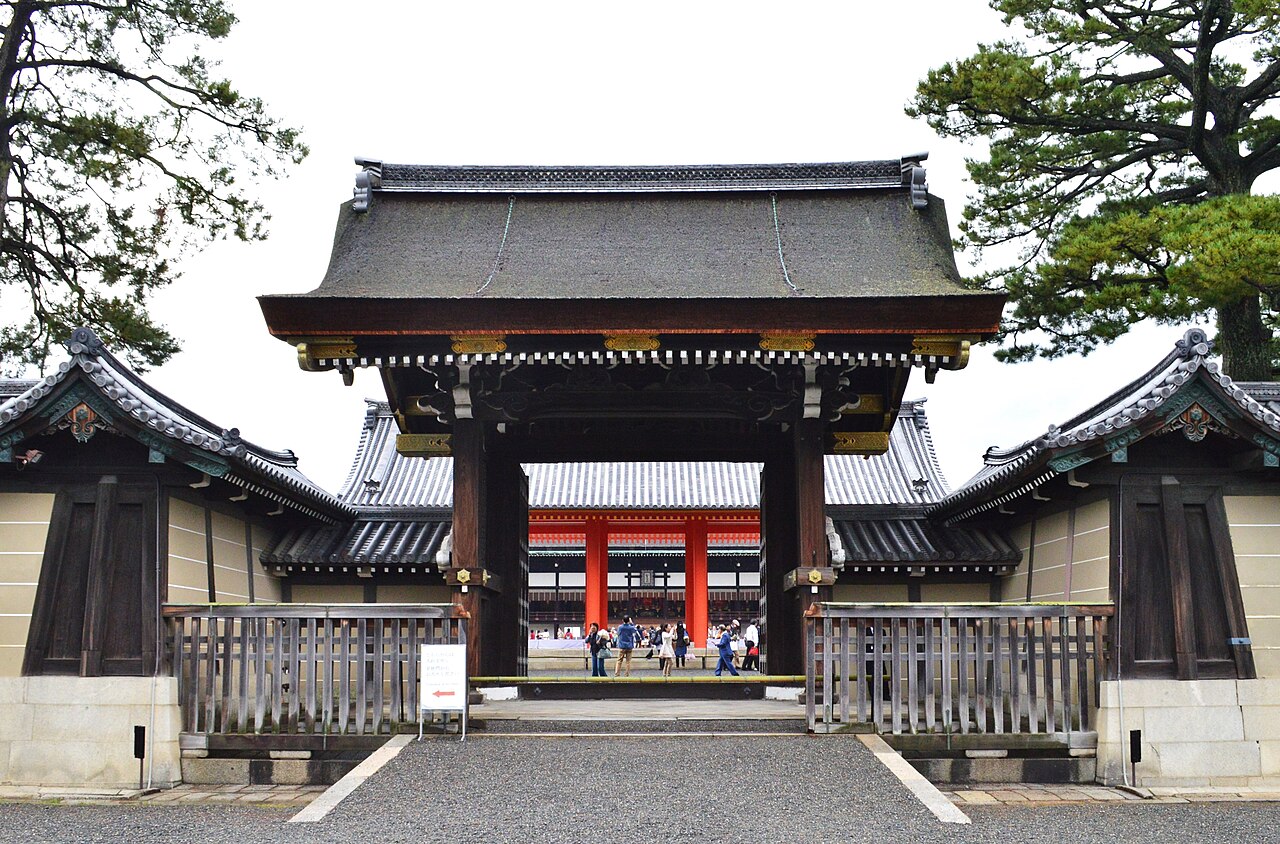
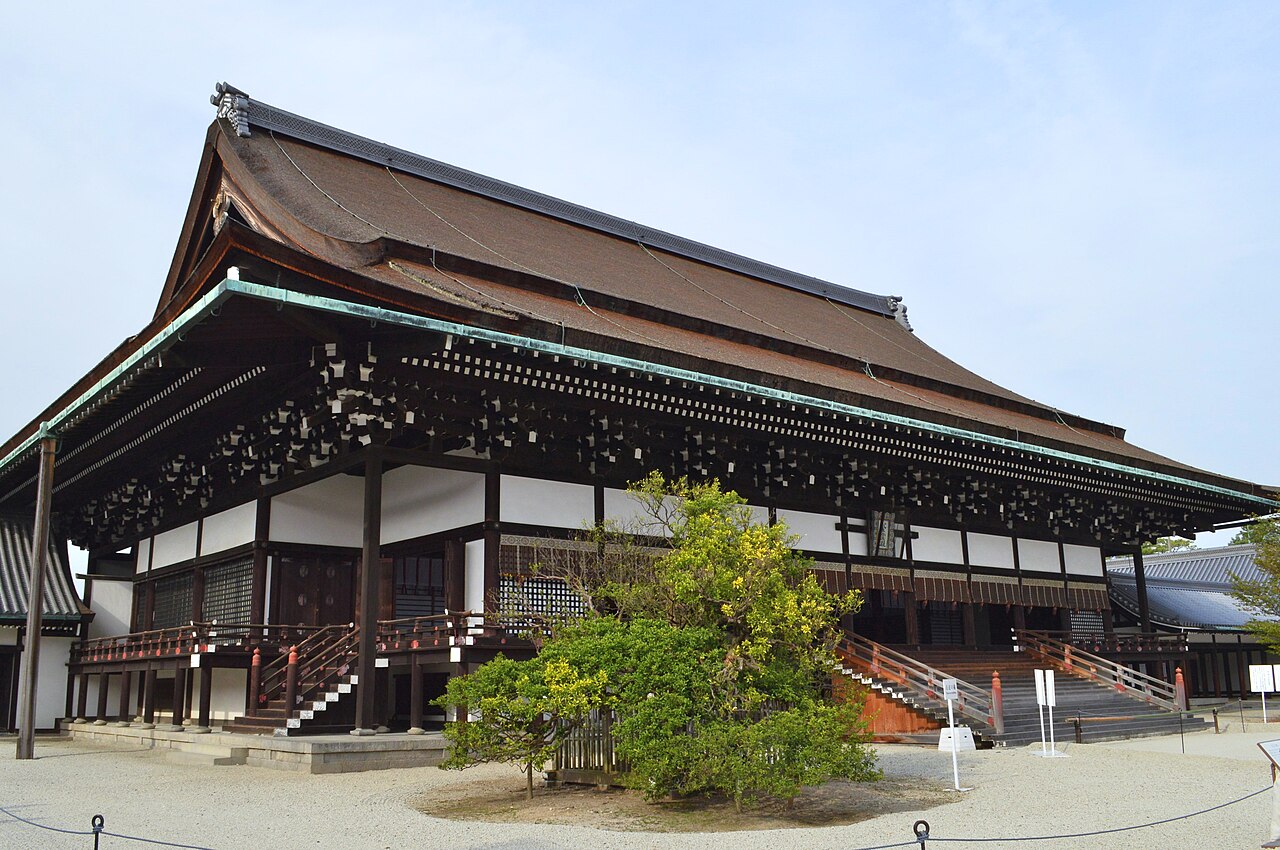
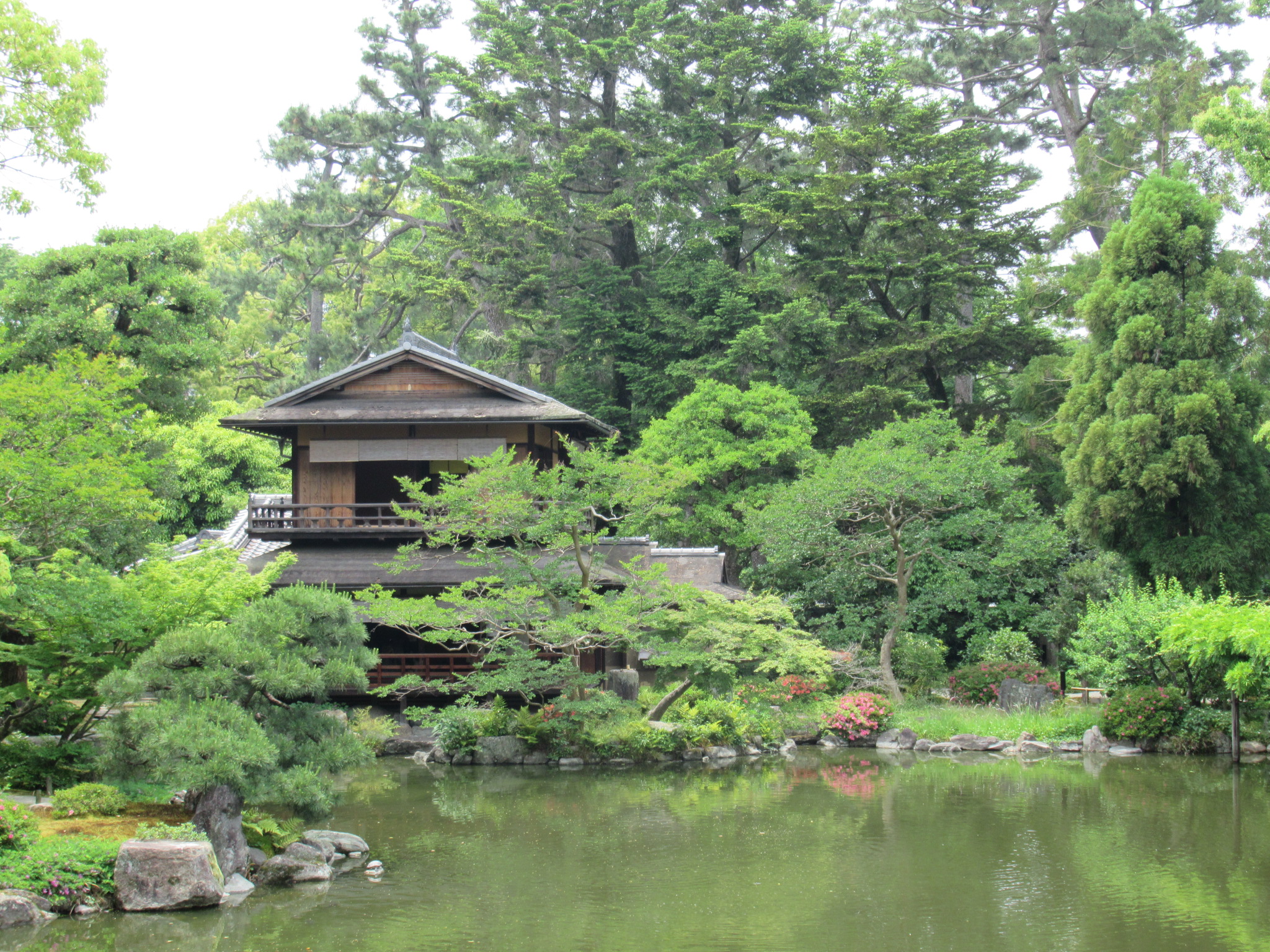
Within the park sit several notable enclosures. The Kyoto Imperial Palace itself, the residence of Japan's emperors until 1868, can be entered free of charge and toured on a set walking route past its ceremonial gates, halls and the elegant Oikeniwa pond garden. Nearby, the Sento Imperial Palace and its beautiful pond garden can be visited by advance reservation, and the small Shusui-tei teahouse opens on certain days. Scattered shrines, an old court well and remnants of noble gardens add quiet historical texture for those who explore the corners.
Because the grounds are unfenced and open around the clock, Kyoto Gyoen is wonderfully easy to drop into. Locals use it for morning exercise, lunch breaks and evening strolls, and its central position makes it a natural green pause between sights. There are clean public restrooms, a rest house with light refreshments, ample benches and even parking. The flat, well-maintained paths are suitable for all ages and for wheelchairs and strollers, though the gravel can be soft in places.
Allow around ninety minutes for a relaxed loop that takes in the plum and cherry groves, the palace's outer walls and the Sento pond area, or more if you join a palace tour. To make the most of a visit, come in late March for the early blossoms or in November for autumn colour, and note that while the park is always open, the Imperial Palace itself keeps set daytime hours and closes on Mondays. Access is simple: Marutamachi and Imadegawa stations on the Karasuma subway line sit directly beside the park, a short ride from Kyoto Station.
A local's tip
Head to the northwest corner in late March, where a grove of early weeping cherries blooms up to a week before the rest of Kyoto, then loop past the free-to-enter Sento garden pond.
Best time to visit
Late March for early plums and weeping cherries; November for autumn colour
Getting there
Take the Karasuma subway line to Marutamachi or Imadegawa Station, both of which sit at the edge of the park. From Kyoto Station it is about ten minutes by subway with no transfer.
Good to know
- Benches
- Parking
- Restrooms
- Rest house
Plan the whole trip offline
Kyoto Gyoen National Garden is one of many places in the Real Japan app — with turn-by-turn directions, nearby spots and full offline maps you can use with no signal.