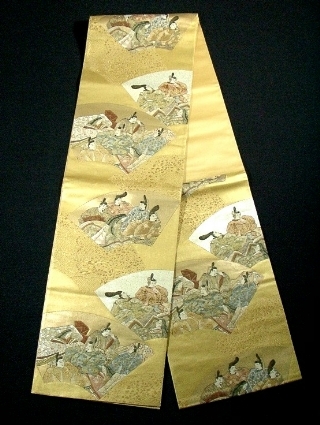
The showcase of Kyoto's famed Nishijin silk weaving, with live loom demonstrations and free daily kimono fashion shows.
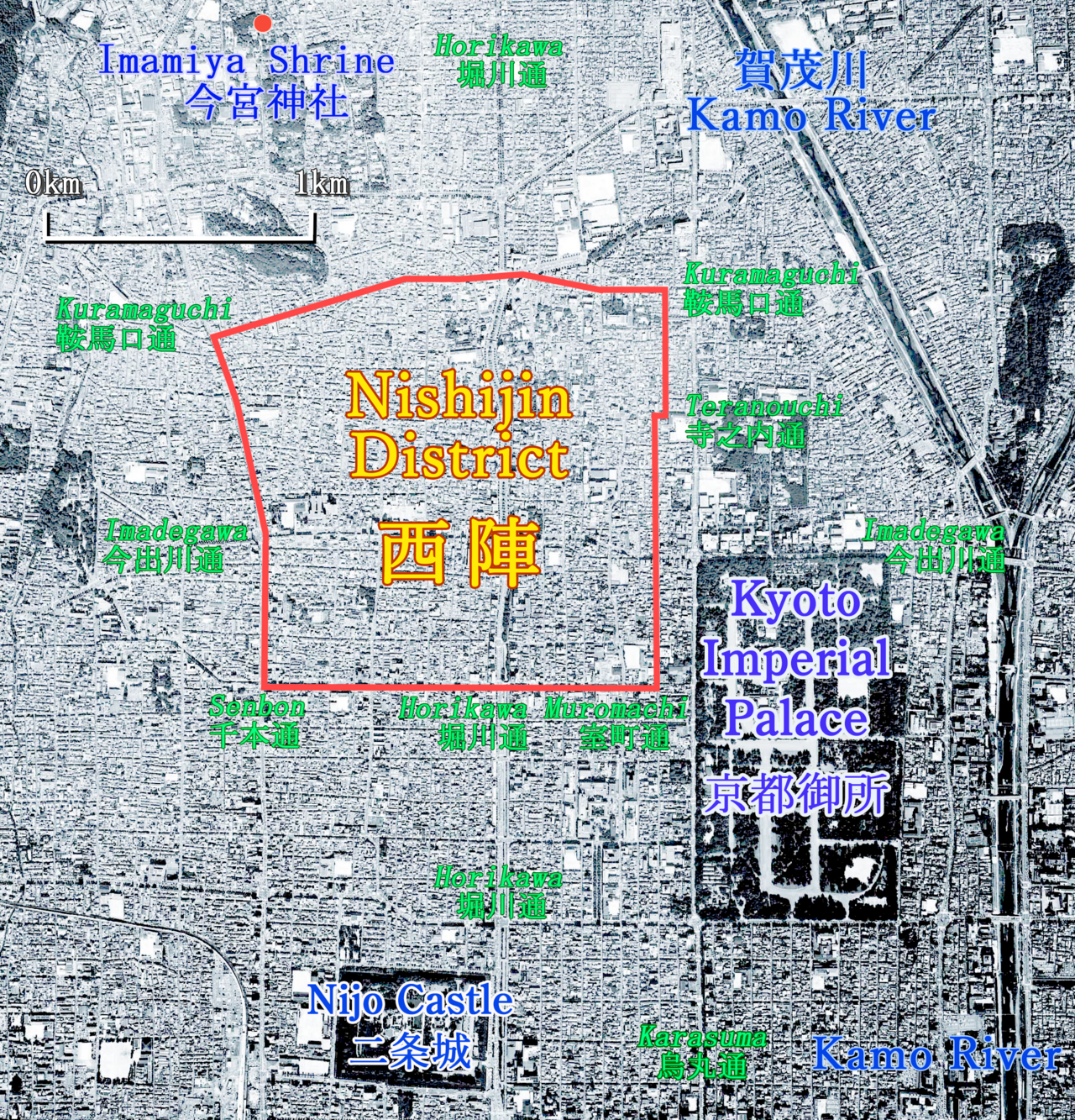
The Nishijin Textile Center is the public window onto one of Kyoto's most refined and historically important crafts: Nishijin-ori, the luxurious brocade silk weaving that has clothed emperors, aristocrats, tea masters and Noh actors for centuries. The Nishijin district, in the northwest of the city, takes its name from the western encampment of the Onin War of the 1460s, after which weavers returned to the ruined area and rebuilt an industry that would become synonymous with the very finest Japanese textiles. The center, run by the Nishijin Textile Industrial Association, exists to explain and celebrate that living tradition, and admission to the main displays is free.
Nishijin weaving is defined by its intricacy. Rather than printing a pattern onto cloth, the design is built thread by thread on the loom using many colours of dyed silk, often with gold and silver leaf wrapped around a paper core, producing the dense, jewel-like brocades used for the most formal obi sashes and kimono. The technique is labour-intensive and prestigious; a single elaborate obi can take a highly skilled weaver a very long time to complete, which is why genuine Nishijin pieces have always been costly status symbols.
Inside the center, the great draw is watching this craft happen in front of you. On the upper floors, artisans work traditional looms in live demonstrations, and you can see the astonishing complexity of setting up warp threads and the patient rhythm of throwing the shuttle. Displays explain the history and the many specialised roles, from designers to dyers to loom-preparers, that lie behind a finished bolt of cloth. Several times a day the center stages a free kimono fashion show, in which models parade a rotating wardrobe of seasonal and formal kimono along a small runway, offering a rare chance to see these garments worn and moving rather than displayed flat.
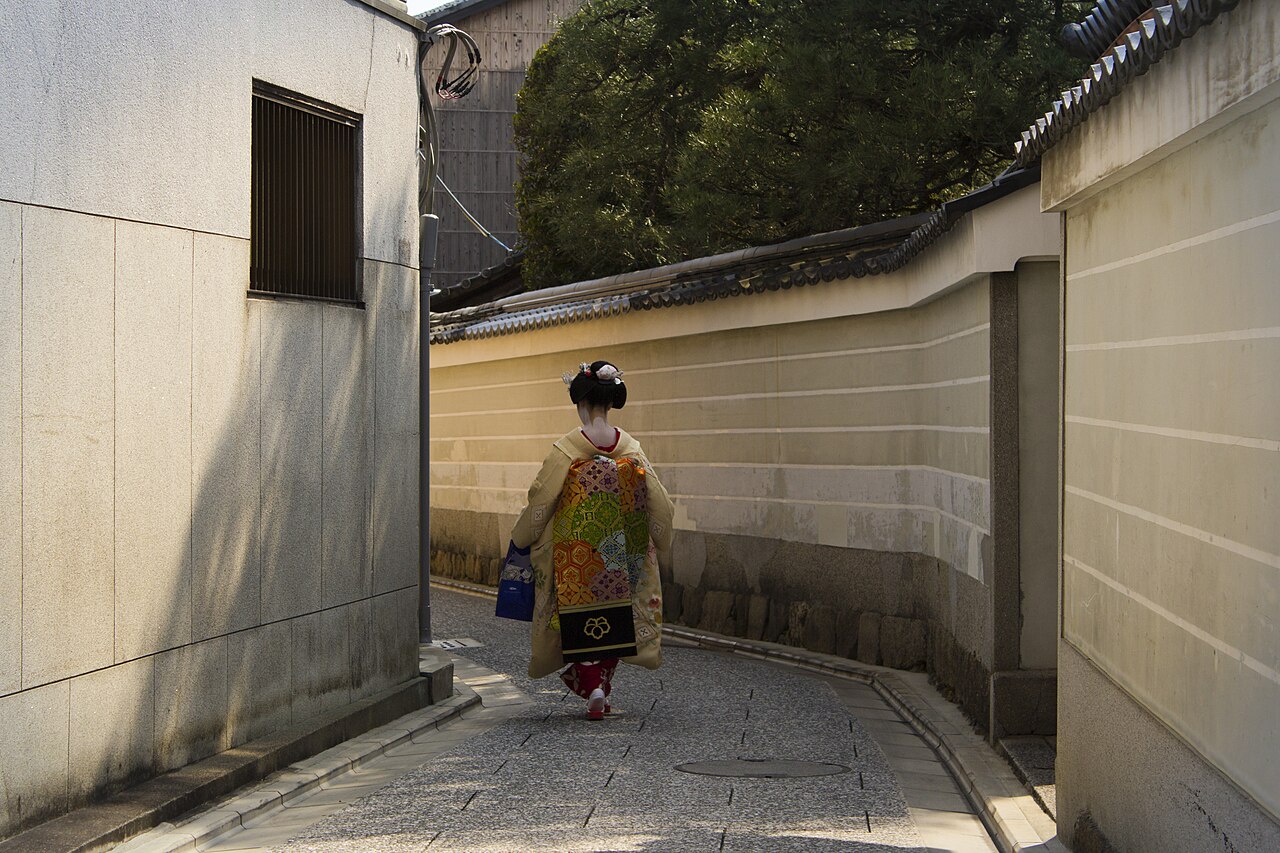
The center is also a hands-on place. Visitors can try their hand at weaving on a simple loom, take part in hand-dyeing or accessory-making workshops for a fee, and, popularly, rent a full kimono or the more elaborate maiko outfit and be dressed by staff before heading out to photograph themselves around the historic city. The ground-floor shop sells genuine Nishijin goods, from neckties and purses to obi and framed textile art, making it a good spot for a meaningful Kyoto souvenir.
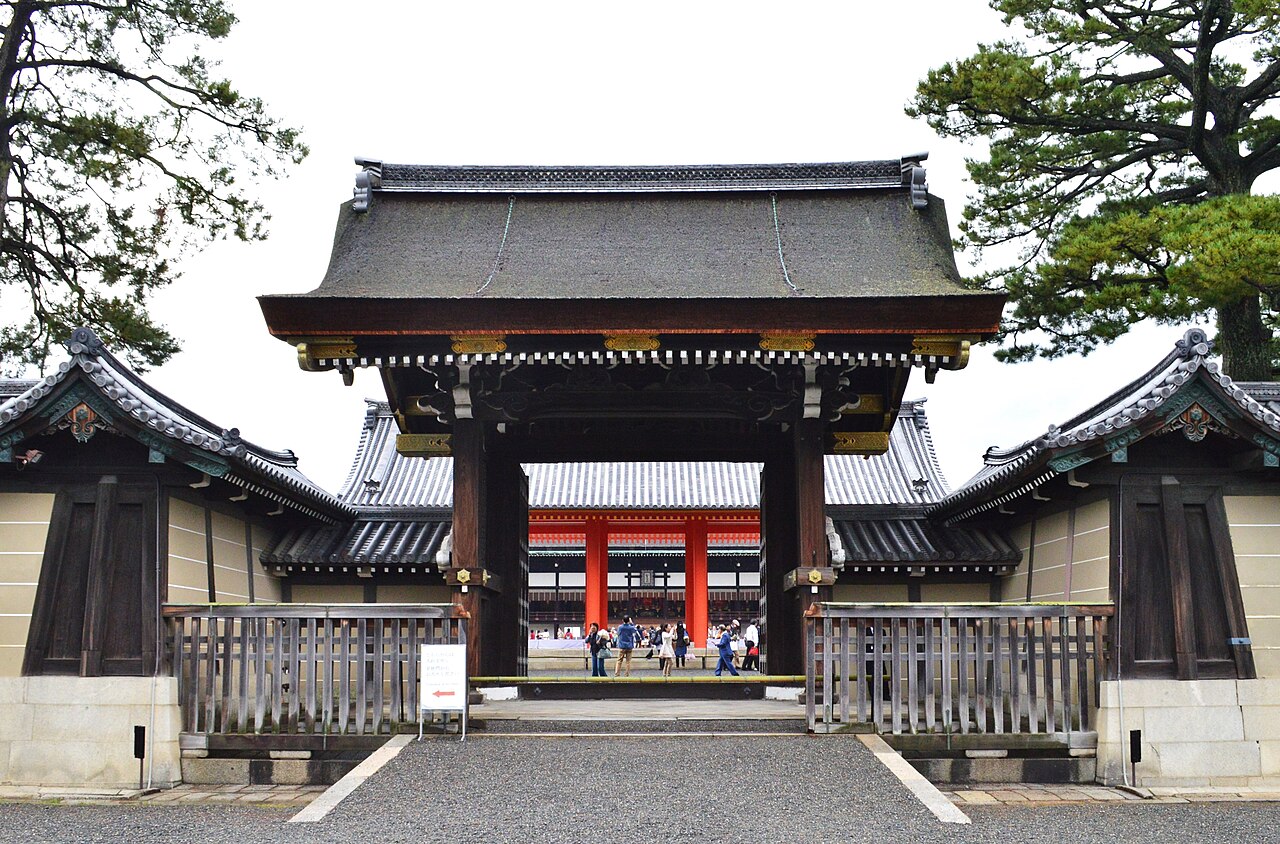
The location places you in a quieter, more residential part of Kyoto steeped in craft heritage; the narrow lanes of the surrounding Nishijin neighbourhood still hide working weaving workshops, and the Kyoto Imperial Palace park and Nijo Castle are both within reach. Plan on around an hour, or longer if you join a workshop or kimono session and want to explore the area afterward.
To get there, ride the Karasuma subway line to Imadegawa Station and walk roughly twelve minutes west, or take a city bus to the Horikawa-Imadegawa stop directly outside. Entry to the exhibitions and the kimono show is free; workshops, kimono rental and dressing are charged separately. The center is generally closed on Mondays and over the New Year period, and hours can shorten seasonally, so it is worth checking before a special trip.
A local's tip
Check the daily schedule of the free kimono fashion shows on arrival, then browse the top-floor weaving demonstrations where artisans work the looms in person.
Best time to visit
Late morning to catch a kimono fashion show
Getting there
Take the Karasuma subway line to Imadegawa Station and walk about 12 minutes west, or ride a city bus to the Horikawa-Imadegawa stop right outside; it is close to the Kyoto Imperial Palace and Nijo Castle.
Good to know
- Shop
- Wi-Fi
- Restrooms
- Kimono Rental
Plan the whole trip offline
Nishijin Textile Center is one of many places in the Real Japan app — with turn-by-turn directions, nearby spots and full offline maps you can use with no signal.