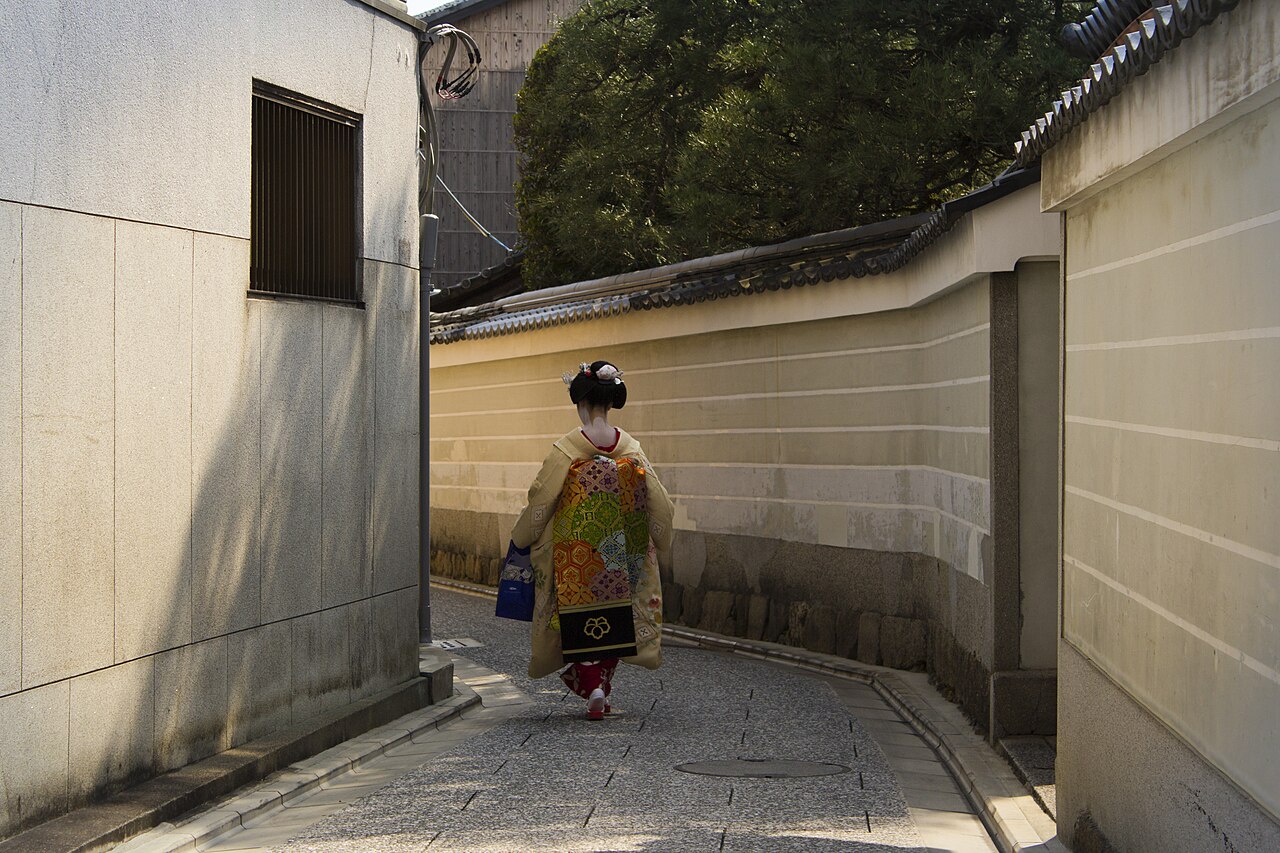
Kyoto's oldest and quietest geisha district, a lantern-lined lane of teahouses beside Kitano Tenmangu Shrine.
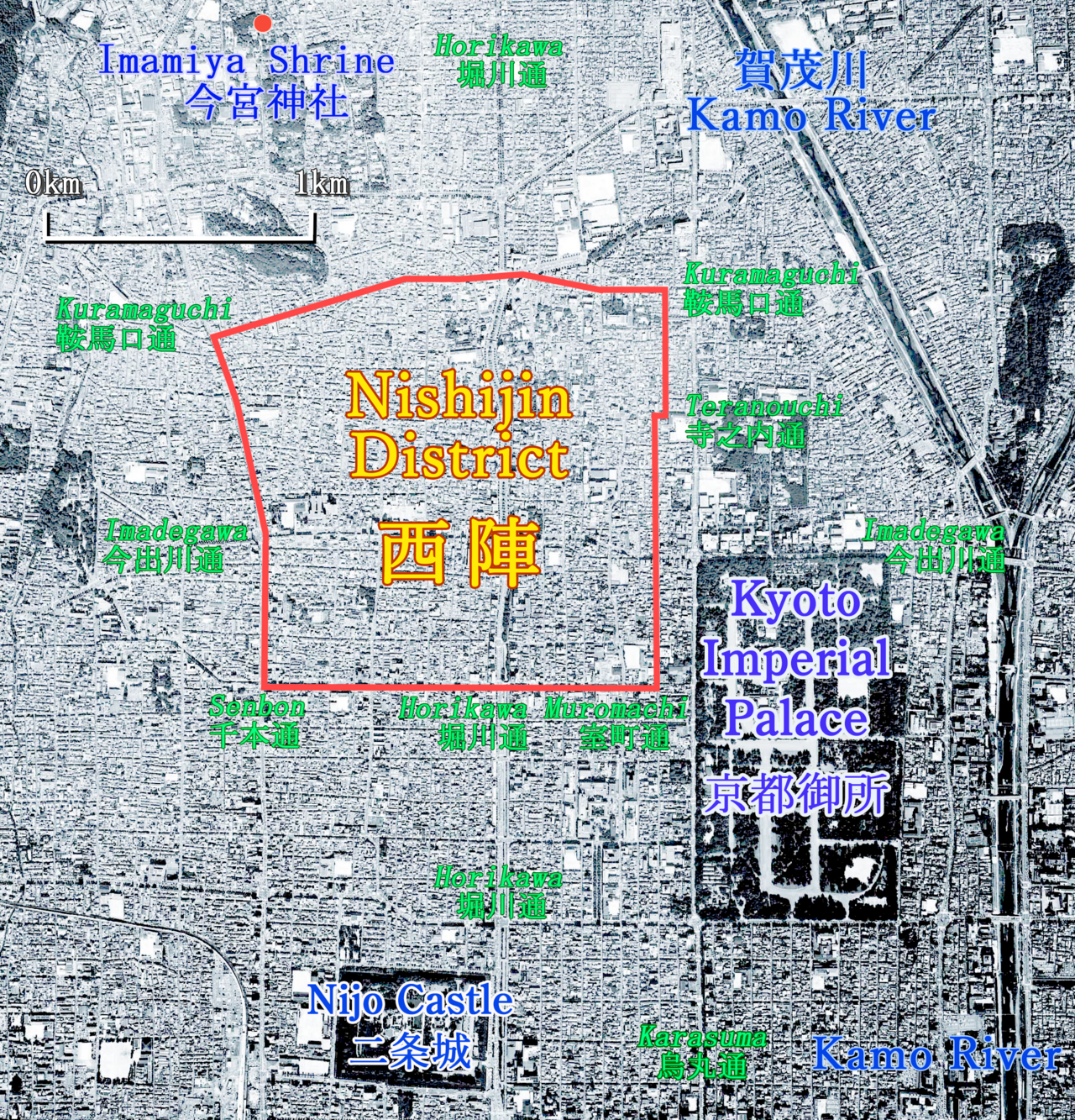
Kamishichiken, whose name means Seven Upper Houses, is the oldest of Kyoto's five hanamachi (geisha districts) and by far the most tranquil. Set in the city's northwest, immediately east of the great plum-blossom shrine Kitano Tenmangu, it is a single elegant lane of ochre-walled teahouses (ochaya) and geiko and maiko lodging houses, hung with lanterns bearing the district's distinctive crest of five stacked dumplings.
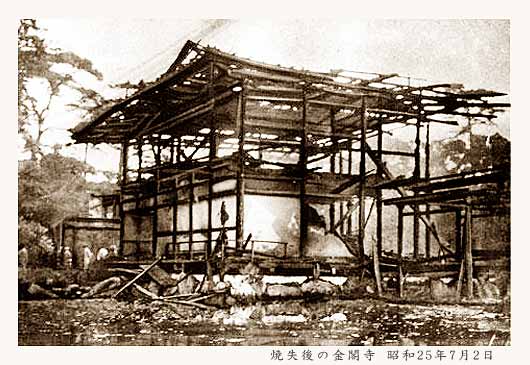
The district's origins reach back to the 15th century. When Kitano Tenmangu was rebuilt after a fire, leftover timber was used to raise seven teahouses along the approach — the Seven Upper Houses that gave the area its name. Its fortunes rose in 1587 when the warlord Toyotomi Hideyoshi held his famous Grand Kitano Tea Ceremony here and, delighted by the mitarashi dango dumplings served by the teahouses, granted them special privileges. Those five dumplings remain the emblem of Kamishichiken to this day, appearing on lanterns and crests throughout the lane.
What sets Kamishichiken apart from the more famous Gion is its calm. Far fewer tourists find their way here, and the district retains an unhurried, residential feel. In the soft light of late afternoon you may see a maiko in full regalia hurrying to an appointment, her wooden okobo sandals clacking on the pavement, or catch the sound of shamisen practice drifting from an upper window. The Kamishichiken Kaburenjo, the district's theater, hosts the annual Kitano Odori spring dances in which the local geiko and maiko perform — one of Kyoto's most intimate seasonal cultural events.
The teahouses themselves are private and admit guests by introduction, but the district is a delight simply to stroll. Two experiences are open to casual visitors: in spring the Kamishichiken maiko serve tea at an outdoor stand during the plum and cherry blossom season at Kitano Tenmangu, and in summer the Kaburenjo garden becomes a popular open-air beer garden staffed by the district's geiko and maiko — a rare, relaxed chance to meet them. A handful of small cafes and craft shops line the lane year-round.
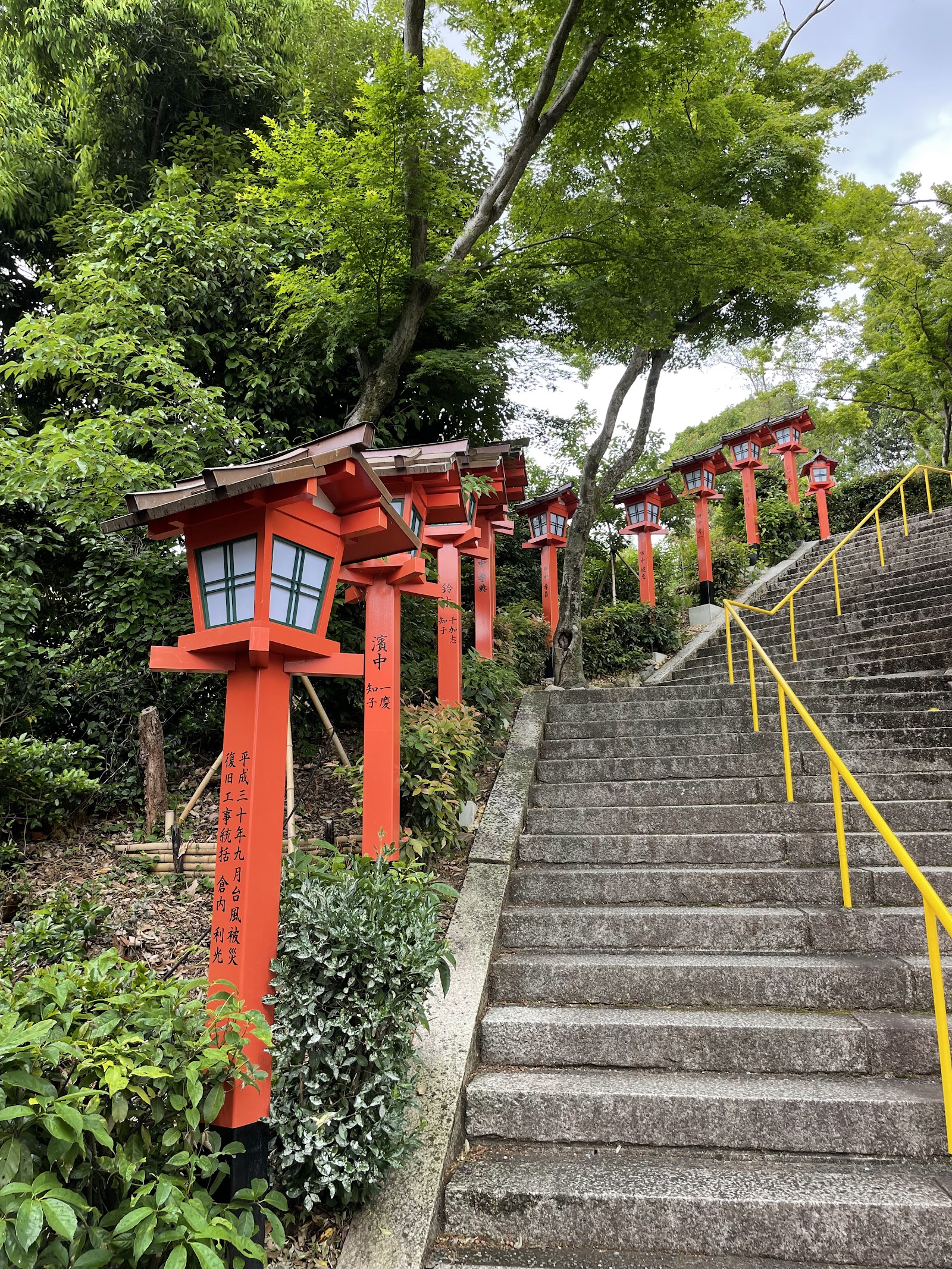
Because Kitano Tenmangu sits at the district's edge, the two are best visited together. The shrine's plum orchard blooms in February and March, its maples blaze in autumn, and its lively Tenjin-san flea market fills the grounds on the 25th of every month with antiques, food stalls, and crafts — the ideal day to combine a market wander with a quiet turn through Kamishichiken.
Getting there is easy despite the northwest location. From the Kitano-Hakubaicho terminus of the charming Keifuku Kitano tram line it is about a 12-minute walk east; numerous city buses, including 50, 101, and 203, stop at Kitano Tenmangu-mae right beside the district. Come in the late afternoon, respect the residents' privacy, and enjoy one of the last genuinely quiet corners of traditional Kyoto.
A local's tip
Time a visit to coincide with the monthly Tenjin-san flea market at Kitano Tenmangu (the 25th) — the district is liveliest then, and the Kamishichiken teahouses sometimes open a public beer garden in summer.
Best time to visit
Late afternoon into early evening
Getting there
From Kitano-Hakubaicho terminus of the Keifuku Kitano Line, walk east about 12 minutes; the district lies just east of Kitano Tenmangu Shrine. Kyoto City Bus 50, 101, or 203 to Kitano Tenmangu-mae is closest.
Good to know
- Cafes
- Wi-Fi
- Restrooms
Plan the whole trip offline
Kamishichiken is one of many places in the Real Japan app — with turn-by-turn directions, nearby spots and full offline maps you can use with no signal.