An ingenious 17th-century merchant house full of secret defences, trapdoors and hidden passages for its samurai guests.
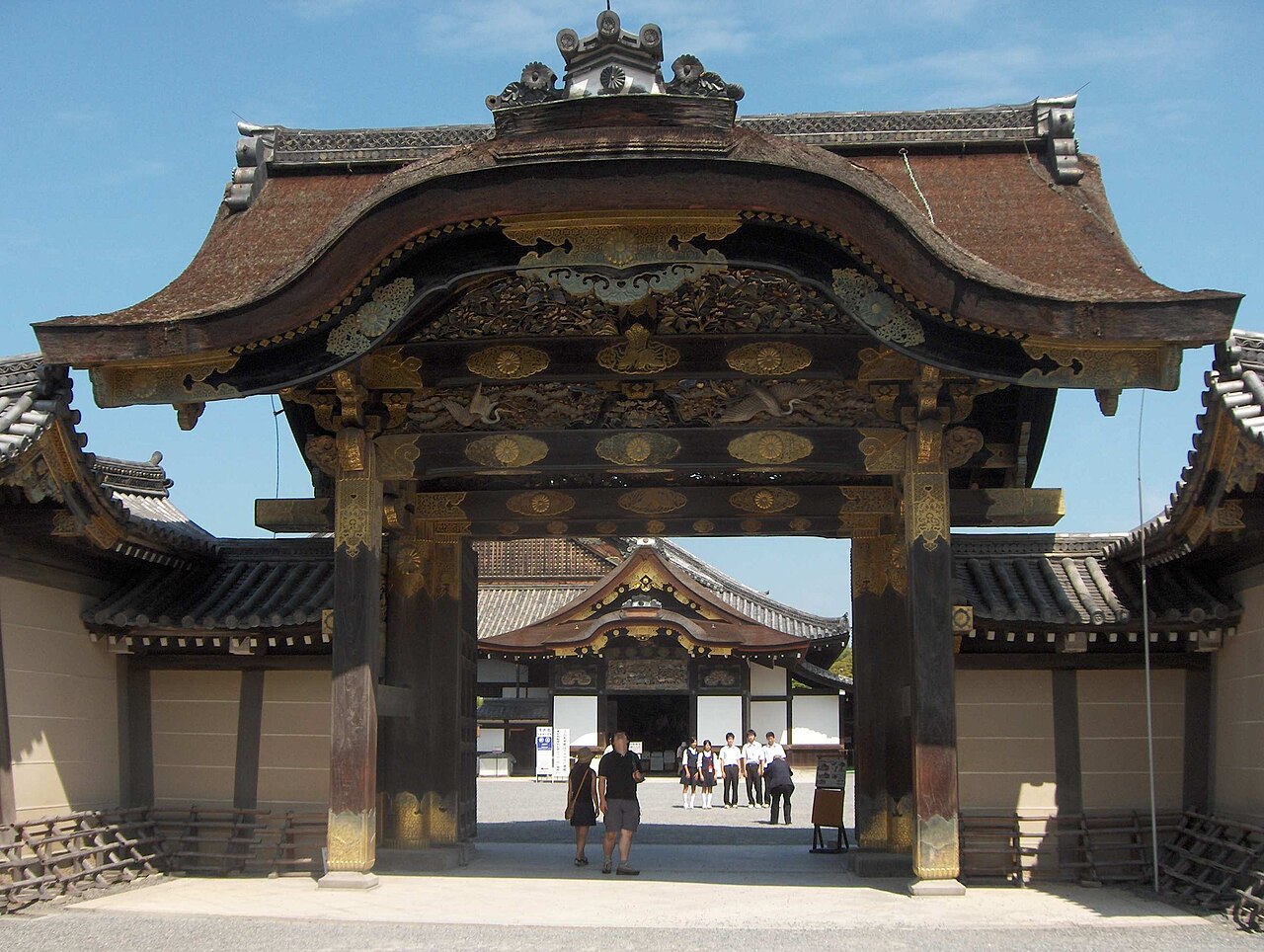
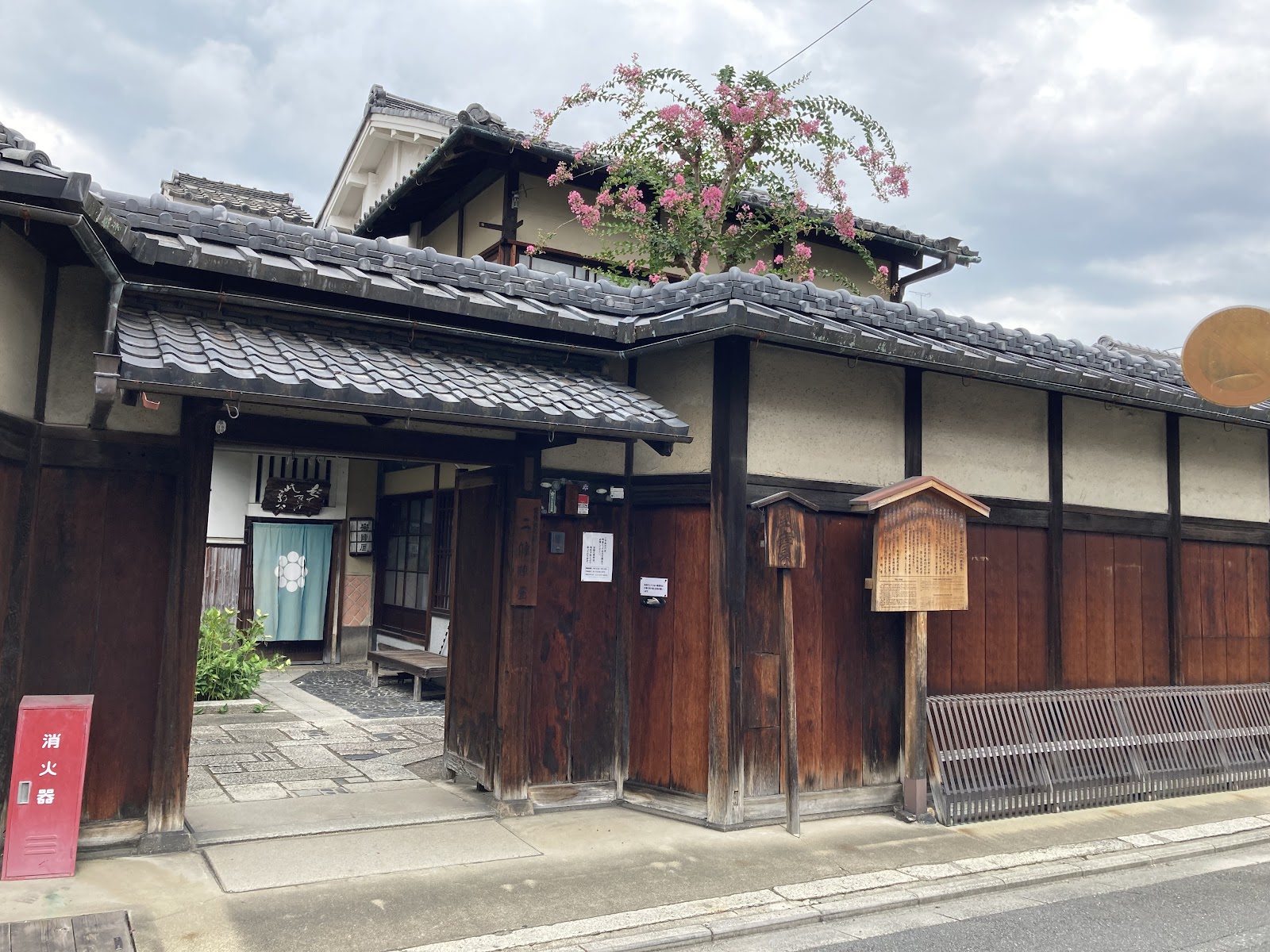
Nijo Jinya is one of Kyoto's most fascinating and least-known historic buildings, a large 17th-century townhouse a short walk south of Nijo Castle that hides an extraordinary secret behind its ordinary merchant frontage. Built by the Ogawa family, prosperous merchants who also ran a rice-broking and money-lending business, the house doubled as an inn and unofficial lodging for visiting feudal lords, or daimyo, who had come to Kyoto on official business but who could not all be accommodated within the castle or the shogunate's own facilities. Because such high-ranking guests were always potential targets for assassination or rival intrigue, the Ogawa built their home as a discreet fortress in disguise.
From the street, Nijo Jinya looks like a substantial but unremarkable Kyoto machiya. Inside, however, the house is riddled with defensive tricks and clever architecture. There are concealed staircases that can be pulled up or hidden, trapdoors, a suspended room reachable only by a hidden ladder that guards could use to watch over sleeping guests, sliding walls, and rooms arranged so that anyone approaching would be seen or heard. Skylights and light wells were positioned so that a guard could throw sand or water to douse an attacker's torch; certain corridors were deliberately built low so a drawn sword could not be swung; and secret passages allowed defenders to move unseen. Even the decorative details serve a purpose, with fire-resistant construction and copper fittings intended to protect against the fires that so often swept the wooden city.
Because of its rarity and completeness, Nijo Jinya is designated a National Important Cultural Property, and it remains privately owned by descendants of the original family. It can only be visited on a guided tour, arranged by reservation in advance by telephone, and tours are generally conducted in Japanese. For non-Japanese speakers, arranging the visit through a hotel concierge or bringing a Japanese-speaking companion is the usual solution, and the effort is richly rewarded, as much of the building's genius is invisible unless a guide points it out and demonstrates the mechanisms. Photography inside is restricted.
The visiting experience is intimate and unhurried, a slow walk through roughly two dozen rooms over about an hour, ducking through low doorways and pausing as the guide reveals each hidden feature. It offers a vivid, almost cinematic sense of the anxieties of the age, when even a merchant's guesthouse had to anticipate the possibility of a night-time attack, and it complements the grand, public statement of power at Nijo Castle just up the street with a glimpse of the private, defensive precautions that ordinary life demanded.
Nijo Jinya sits within easy walking distance of Nijo Castle, about six minutes from Nijojo-mae Station on the Tozai subway line. Advance booking is essential, as tours are small and fill quickly, and children below a certain age are generally not admitted in order to protect the fragile historic interior. For travellers who enjoy history with a puzzle-box twist, it is one of the most memorable hours to be spent in Kyoto.
A local's tip
Book ahead by phone in Japanese (or via a hotel concierge); the guide reveals hidden staircases, trapdoors and ambush rooms you would never notice alone.
Best time to visit
Any season; tours are indoors
Getting there
A short walk south of Nijo Castle. Take the Tozai subway to Nijojo-mae Station, then walk about 6 minutes. Reservations must be made in advance by phone, and tours are conducted in Japanese.
Good to know
- Restrooms
Plan the whole trip offline
Nijo Jinya is one of many places in the Real Japan app — with turn-by-turn directions, nearby spots and full offline maps you can use with no signal.