A city-history museum telling 1,200 years of Kyoto, with a reconstructed Edo merchant street and a landmark red-brick annex.
The Museum of Kyoto, known in Japanese as the Kyoto Bunka Hakubutsukan, is the best single place to grasp the sweeping story of the city itself, from its founding as the imperial capital Heian-kyo in 794 through more than a thousand years as the heart of Japanese culture, court life, craft and religion. Opened in 1988 and operated by the prefecture, it is a cultural museum rather than an art gallery, and its permanent displays are designed to give visitors the historical scaffolding that makes the rest of Kyoto's temples, festivals and neighbourhoods click into place.
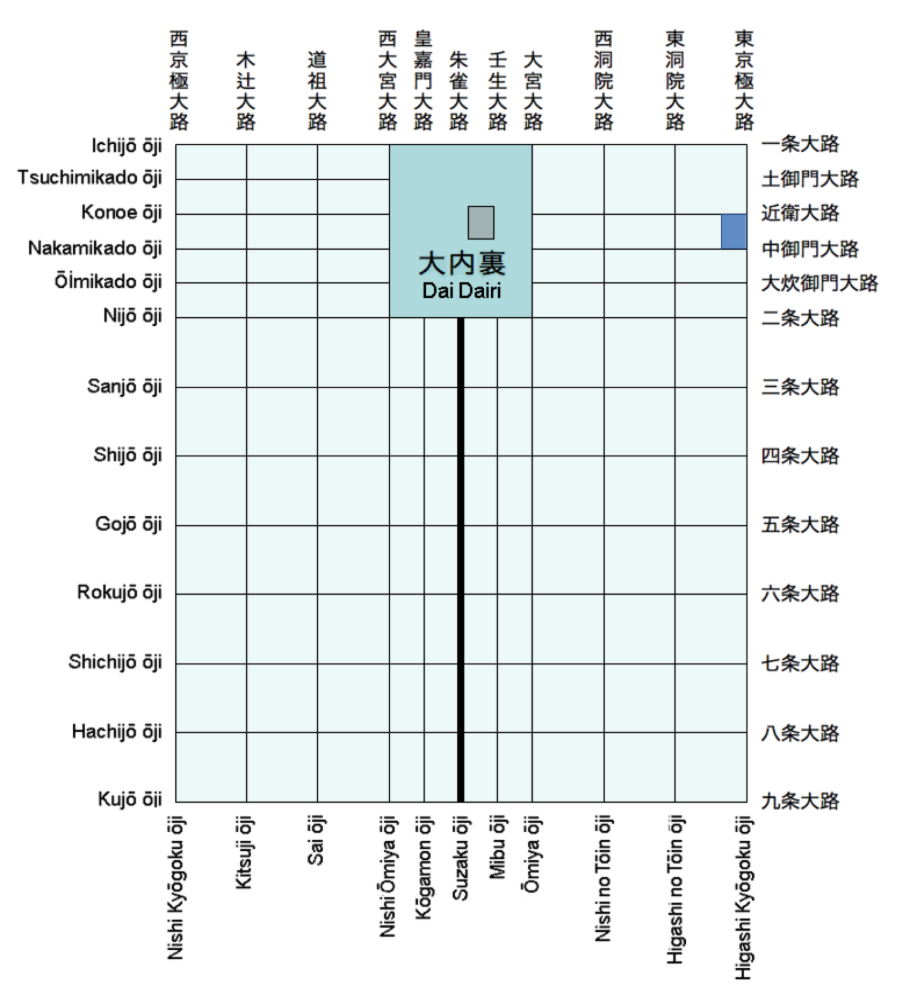
The general exhibition on the upper floors walks you chronologically through the city's history using scale models, artifacts, video and reconstructed settings. You can trace the grid plan of the ancient capital, learn how the aristocratic Heian court lived, follow the rise of the samurai and the devastation of the Onin War, and see how the great festivals such as Gion Matsuri and the traditions of Kyoto craftsmanship took shape. There are dedicated corners on the film industry, too, reflecting Kyoto's role as the birthplace of Japanese cinema, and the museum sometimes screens classic Japanese films in its theatre.
The most charming feature is on the ground floor and free to enter: the Roji Tempo, a faithfully reconstructed Edo-period merchant street complete with tiled roofs, lattice facades, hanging noren curtains and lanterns. Unlike a static diorama, these are working premises housing real restaurants, sake bars and craft shops, so you can eat a bowl of noodles or buy Kyoto sweets inside a convincing slice of the old townscape. It is atmospheric, photogenic and a genuinely pleasant place to pause.
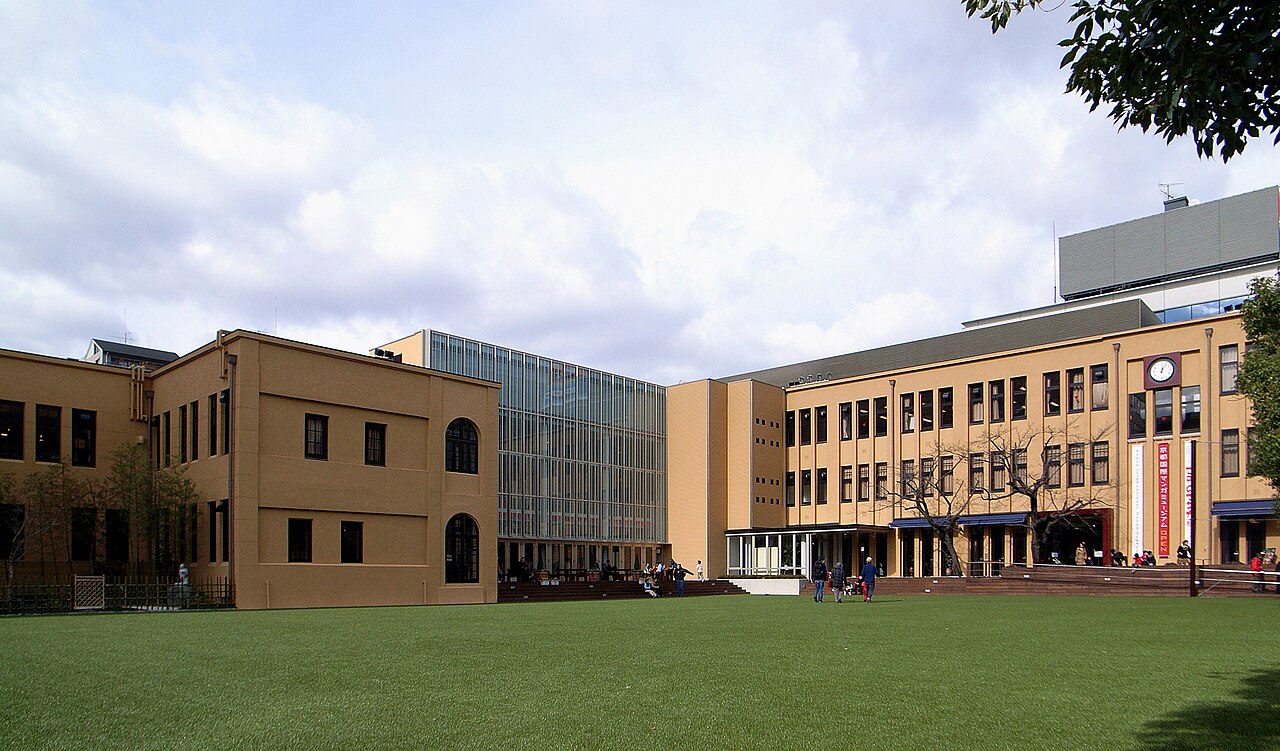
Adjoining the modern museum is one of downtown Kyoto's finest pieces of Meiji-era architecture: the former Kyoto branch of the Bank of Japan, a handsome red-brick and stone building completed in 1906 to a design by Tatsuno Kingo, the architect behind Tokyo Station. Now designated an Important Cultural Property and known as the Bettei annex, its grand banking hall is used for exhibitions and events and can often be visited free of charge.
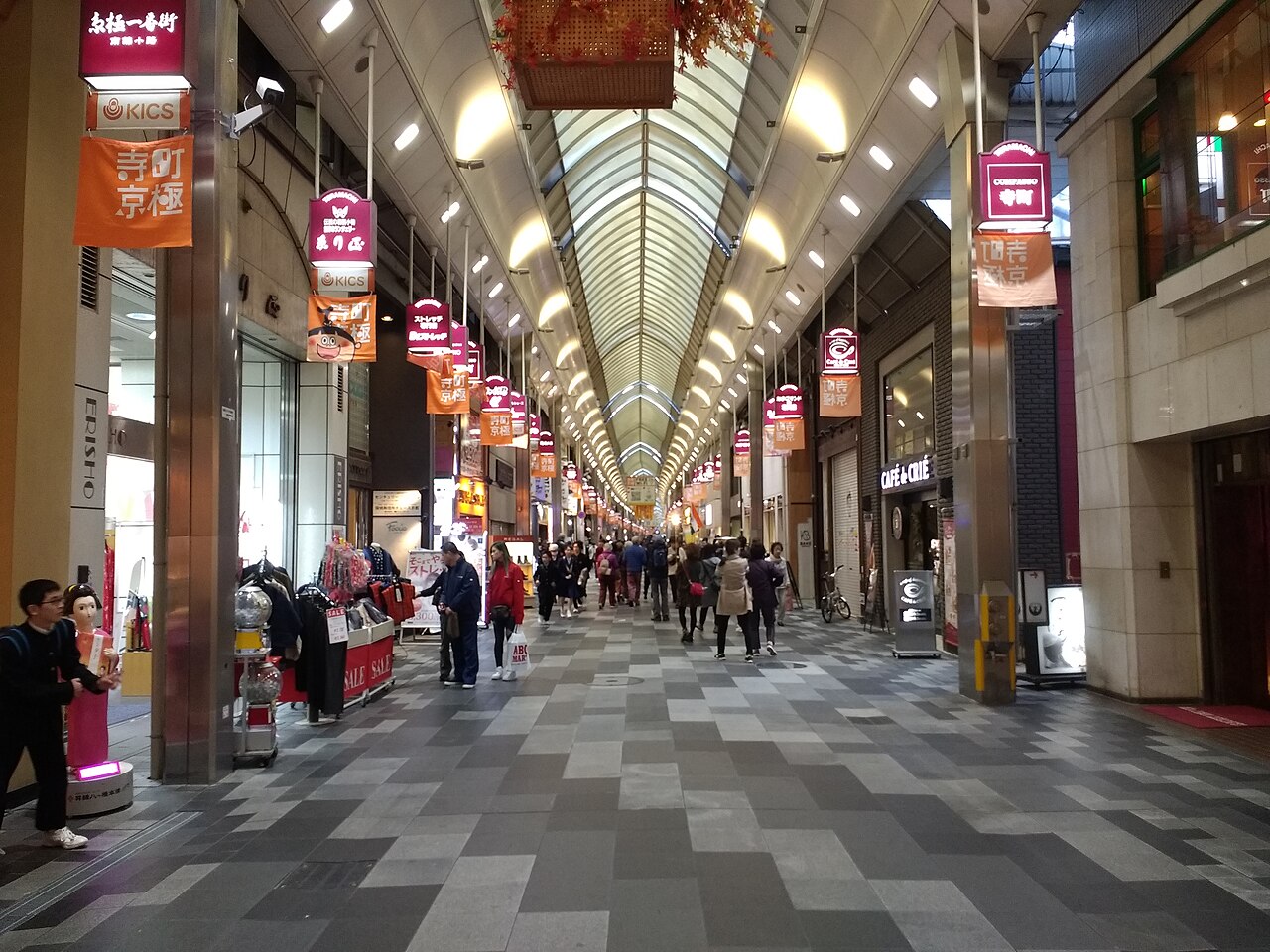
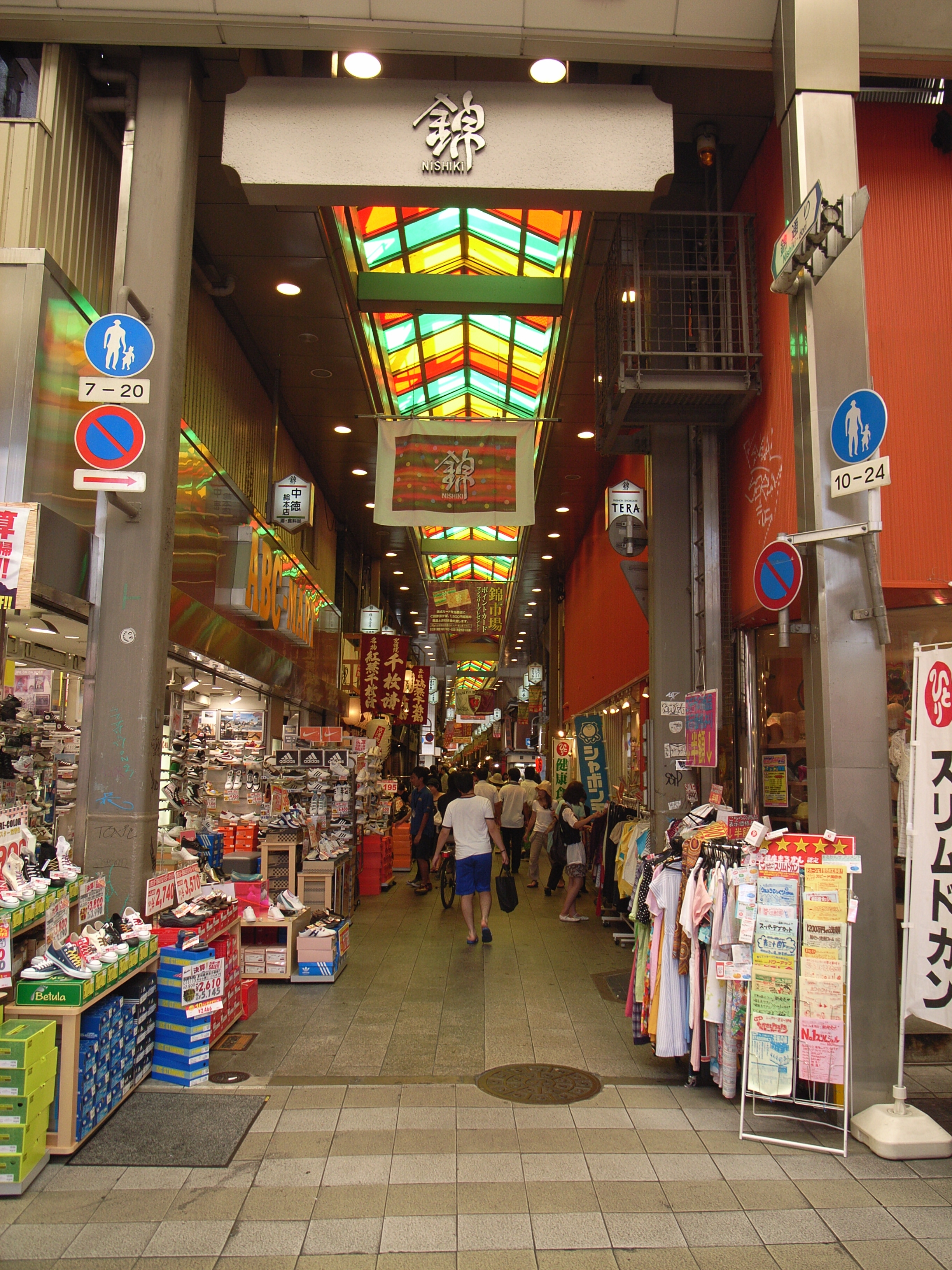
The location is ideal for slotting into a downtown day. It sits three minutes from Karasuma Oike Station, itself a junction of the Karasuma and Tozai subway lines, and is within an easy walk of Nishiki Market, the Teramachi and Shinkyogoku covered shopping arcades, and Nijo Castle. That makes it a smart move on a hot or rainy afternoon when you want air-conditioned culture between bouts of shopping and eating.
Allow around ninety minutes for the general exhibition, longer if a special exhibition or a film screening tempts you. The general exhibition costs a modest 500 yen, with special exhibitions ticketed separately, and both the Roji Tempo street and, frequently, the historic brick annex can be enjoyed without a ticket. The museum is closed on Mondays and over the New Year period.
A local's tip
Wander the free Roji Tempo lane on the ground floor, a reconstructed Edo-period merchant street with real shops and eateries, and admire the preserved red-brick former Bank of Japan hall next door.
Best time to visit
Any time; a good central rainy-day stop
Getting there
A 3-minute walk from Karasuma Oike Station (Karasuma and Tozai subway lines) in downtown Kyoto, close to Nishiki Market and the shopping arcades.
Good to know
- Wi-Fi
- Restrooms
- Museum Shop
- Restaurants
Plan the whole trip offline
The Museum of Kyoto is one of many places in the Real Japan app — with turn-by-turn directions, nearby spots and full offline maps you can use with no signal.