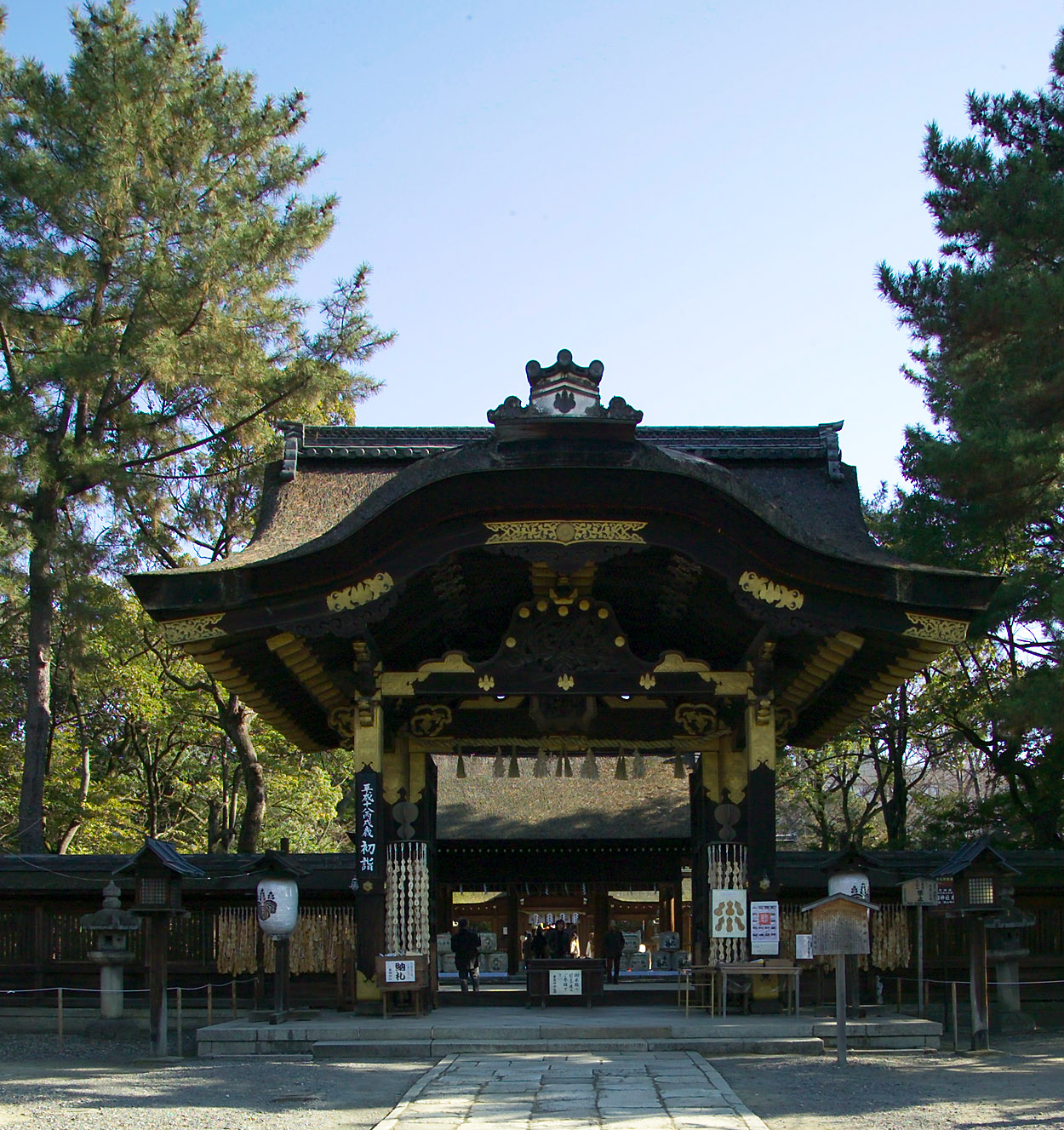
The shrine deifying the warlord Toyotomi Hideyoshi, fronted by a spectacular National Treasure gate from Fushimi Castle.
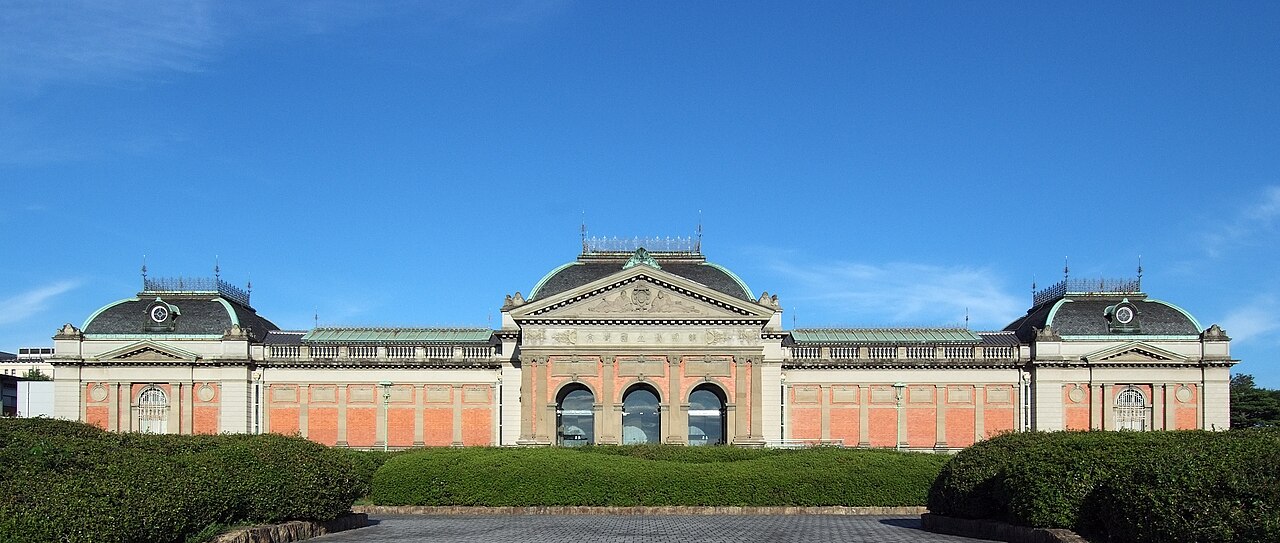
Toyokuni Shrine (Toyokuni-jinja) is the Kyoto shrine dedicated to Toyotomi Hideyoshi, the peasant-born general who rose to become the effective ruler of Japan and completed the country's unification in the late 16th century. After his death in 1598, Hideyoshi was enshrined as a deity under the divine name Toyokuni Daimyojin, and a grand shrine was raised in his honour on the Higashiyama hillside. When the Tokugawa shogunate eclipsed the Toyotomi family and destroyed them at the siege of Osaka in 1615, the original shrine was deliberately abandoned and left to decay, a calculated erasure of a rival dynasty. It was only in 1880, under the Meiji government, which cast Hideyoshi as a national hero, that the present shrine was rebuilt on this site near the Hokoji temple and the Kyoto National Museum.
The undisputed highlight of the shrine is its Karamon, a magnificent Chinese-style gate designated a National Treasure. The gate is believed to have originally stood at Fushimi Castle, Hideyoshi's own fortress, and was later moved through Nijo Castle before arriving here, so it is a rare surviving fragment of the opulent Momoyama architecture of Hideyoshi's era. Its curved gable, gilded fittings and richly carved panels of cranes, dragons and mythical beasts are exquisite, and tradition attributes some of the carving to the legendary craftsman Hidari Jingoro. Wish-plaques in the shape of gourds hang nearby, echoing Hideyoshi's personal emblem, the golden gourd standard he raised after each victory.
Beyond the gate lies the main hall, where visitors pay respects, and a small treasure house that displays artefacts associated with Hideyoshi, including items connected to his life and cult. Because Hideyoshi is popularly seen as a symbol of ambition and success, rising from the humblest origins to supreme power, the shrine is a favourite with those praying for good fortune in their careers and enterprises.
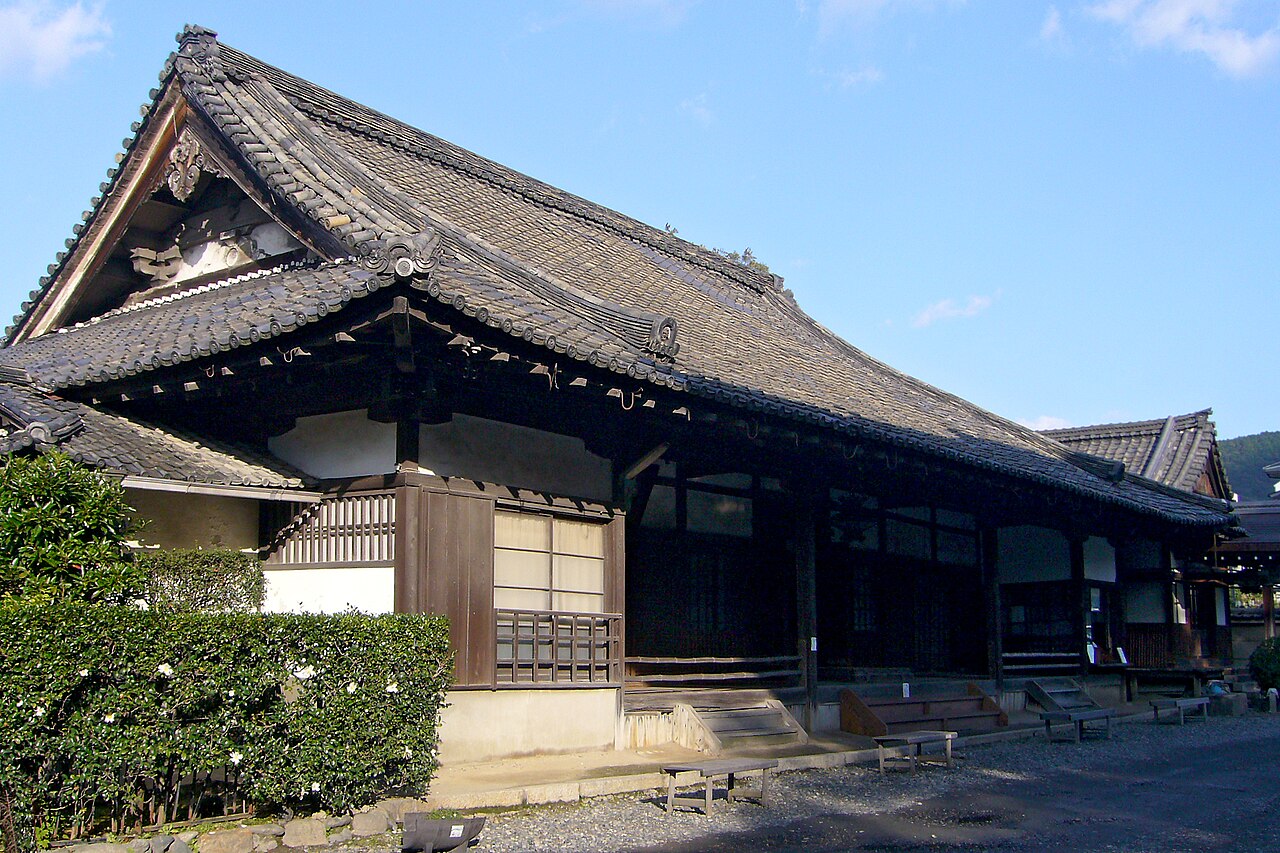
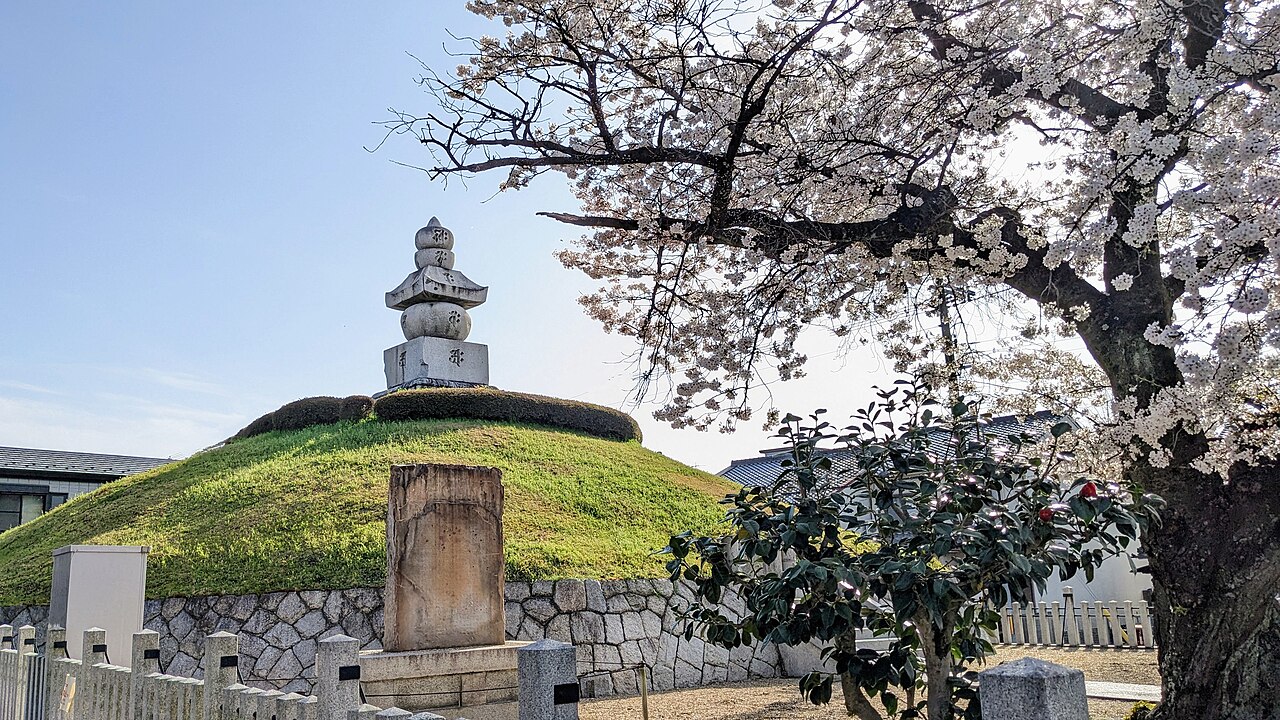
The visiting experience is quiet and quick, a free stroll through the compact grounds that takes around forty minutes, with the Karamon gate the obvious centrepiece for photographs. The atmosphere is markedly calmer than the crowded temples of nearby Higashiyama, making it a pleasant, contemplative stop. Immediately beside the shrine stands the Hokoji temple, once home to the colossal Great Buddha that Hideyoshi commissioned, and its great bell whose inscription helped provoke the Tokugawa attack on his heirs. Just to the west lies the Mimizuka mound, a sombre relic of Hideyoshi's invasions of Korea, so the immediate area forms a compact cluster of Toyotomi history.
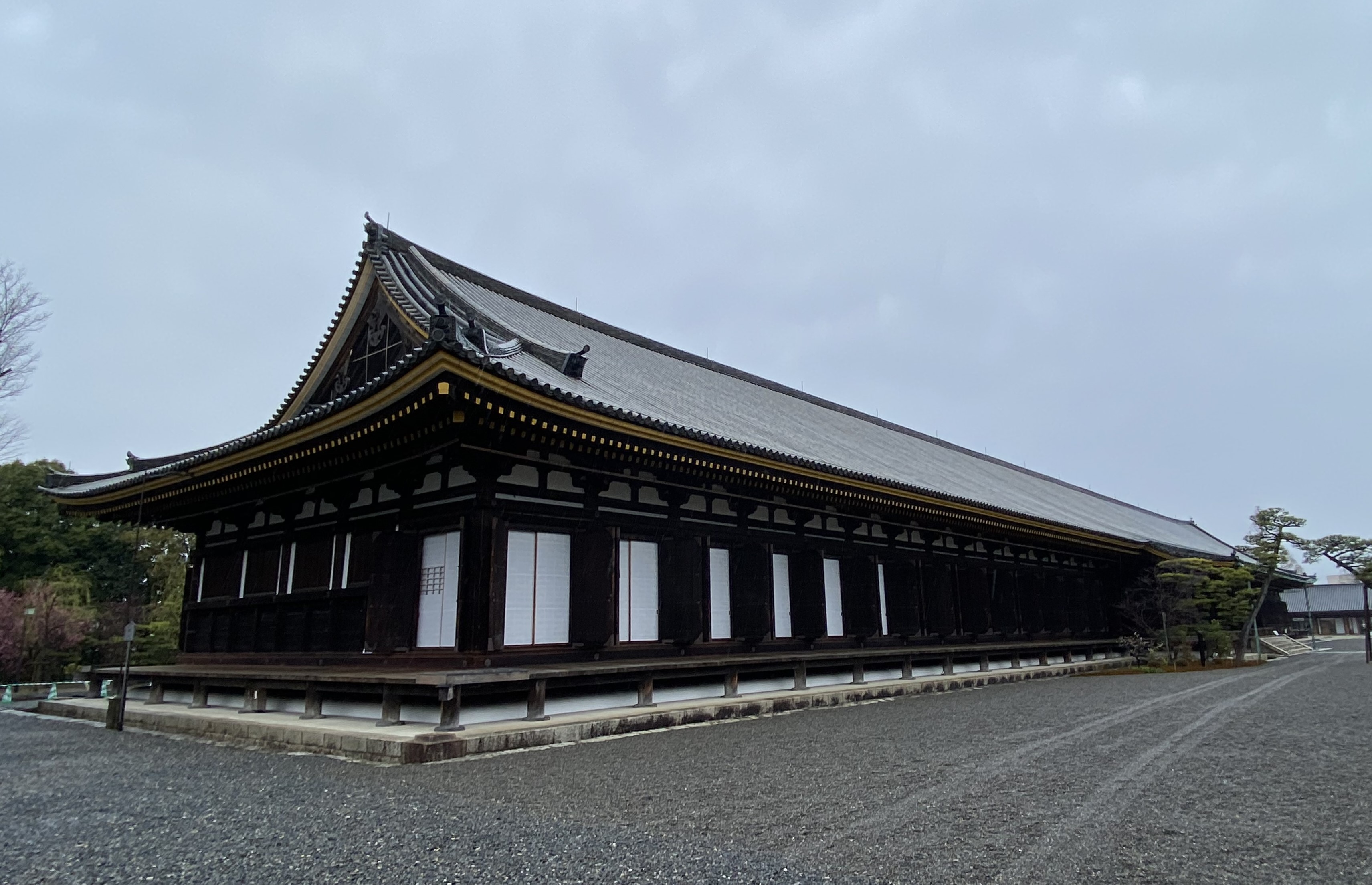
To reach the shrine, take the Keihan line to Shichijo Station and walk about ten minutes east toward the museum district, or ride a city bus to the Hakubutsukan-Sanjusangendo-mae stop. It combines naturally with the Kyoto National Museum next door, the long temple hall of Sanjusangen-do a short walk south, and the Hokoji bell, making this eastern riverside pocket a rewarding half-day for those interested in the age of the warlords.
A local's tip
Don't miss the magnificent Karamon gate, a National Treasure moved here from Fushimi Castle, with intricate carvings said to be by the master Hidari Jingoro.
Best time to visit
Morning; pair with the nearby Kyoto National Museum
Getting there
East of the Kamo River near the Kyoto National Museum. From Shichijo Station on the Keihan line walk about 10 minutes east, or take a city bus to Hakubutsukan-Sanjusangendo-mae.
Good to know
- Restrooms
Plan the whole trip offline
Toyokuni Shrine is one of many places in the Real Japan app — with turn-by-turn directions, nearby spots and full offline maps you can use with no signal.