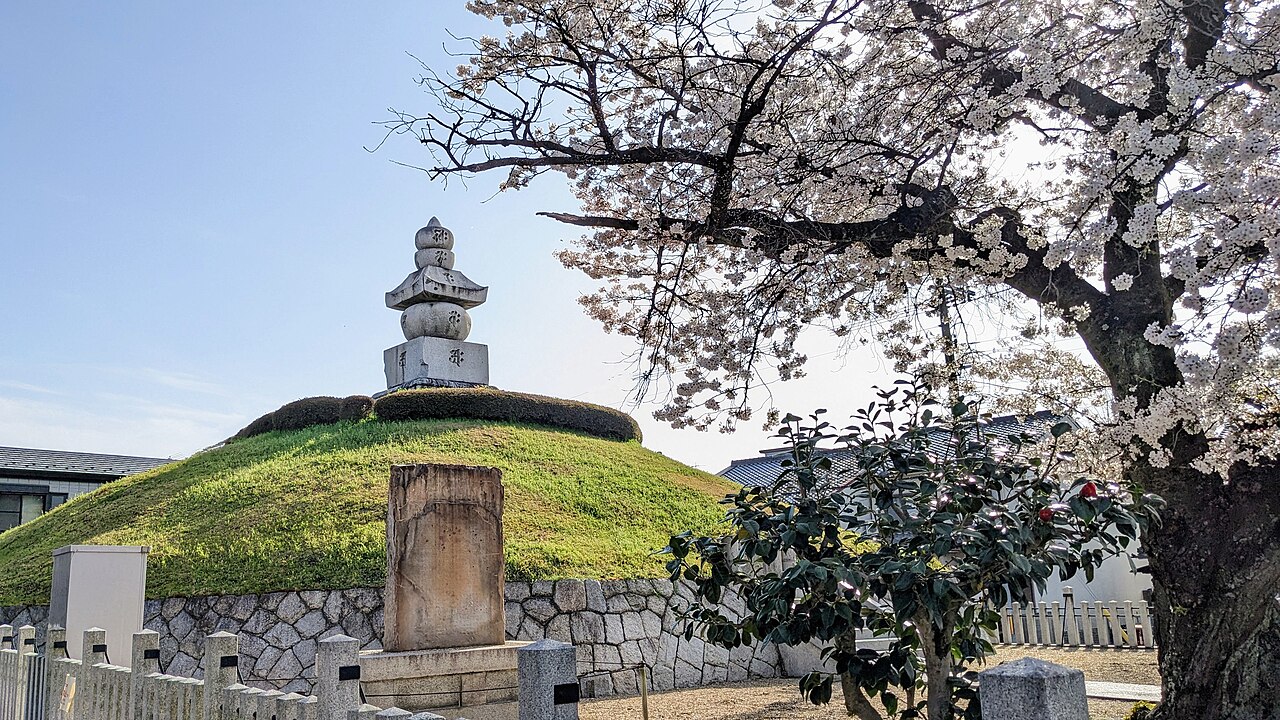
A sombre grassy mound entombing the noses of Korean war dead from Hideyoshi's 16th-century invasions.
Mimizuka, the Ear Mound, is one of Kyoto's most sobering historical sites, a grassy tumulus topped by a stone pagoda that stands in a small park just west of Toyokuni Shrine. Beneath it lie the mutilated remains, traditionally the ears and noses, of tens of thousands of victims of Toyotomi Hideyoshi's invasions of Korea in the 1590s, and it endures as a stark and disquieting monument to the brutality of that campaign.
When Hideyoshi launched his armies against the Korean peninsula in 1592 and again in 1597, his commanders were required to provide proof of the enemies they had killed. Rather than transport whole heads across the sea, soldiers cut off ears and noses, preserved them in salt, and shipped them back to Japan in barrels. On their arrival they were interred here in a great mound and a Buddhist memorial service was held in 1597, ostensibly to pacify the spirits of the dead. Although the site is commonly called the Ear Mound, most of the remains are in fact noses, and some scholars argue it would be more accurately named the Nose Mound; the gentler name is thought to have been adopted later. The victims are believed to have included not only soldiers but many civilians, and estimates of the number of remains run into the tens of thousands.
The monument is small and easy to miss, a low green mound perhaps a few metres high crowned by a weathered stone stupa, enclosed by a modest railing in an ordinary neighbourhood park along Shomen-dori. Its very ordinariness is part of its power: one of the largest atrocity memorials in Japan sits quietly among houses and streets, tended largely by local volunteers because official funding is limited. For centuries the site was little discussed, but in recent decades it has become a place of reconciliation and remembrance, visited by Korean delegations and commemorated on significant anniversaries, and calls have periodically been made to return the remains to Korea.
A visit is brief and reflective rather than sightseeing in the usual sense. There is little to see beyond the mound and its explanatory markers, and the appropriate response is a quiet moment of reflection rather than a photograph opportunity. The stark subject matter makes it a stop better suited to travellers with an interest in history and its darker chapters than to those simply ticking off famous sights, but it offers a rare and honest counterweight to the triumphal image of Hideyoshi celebrated at the shrine next door.
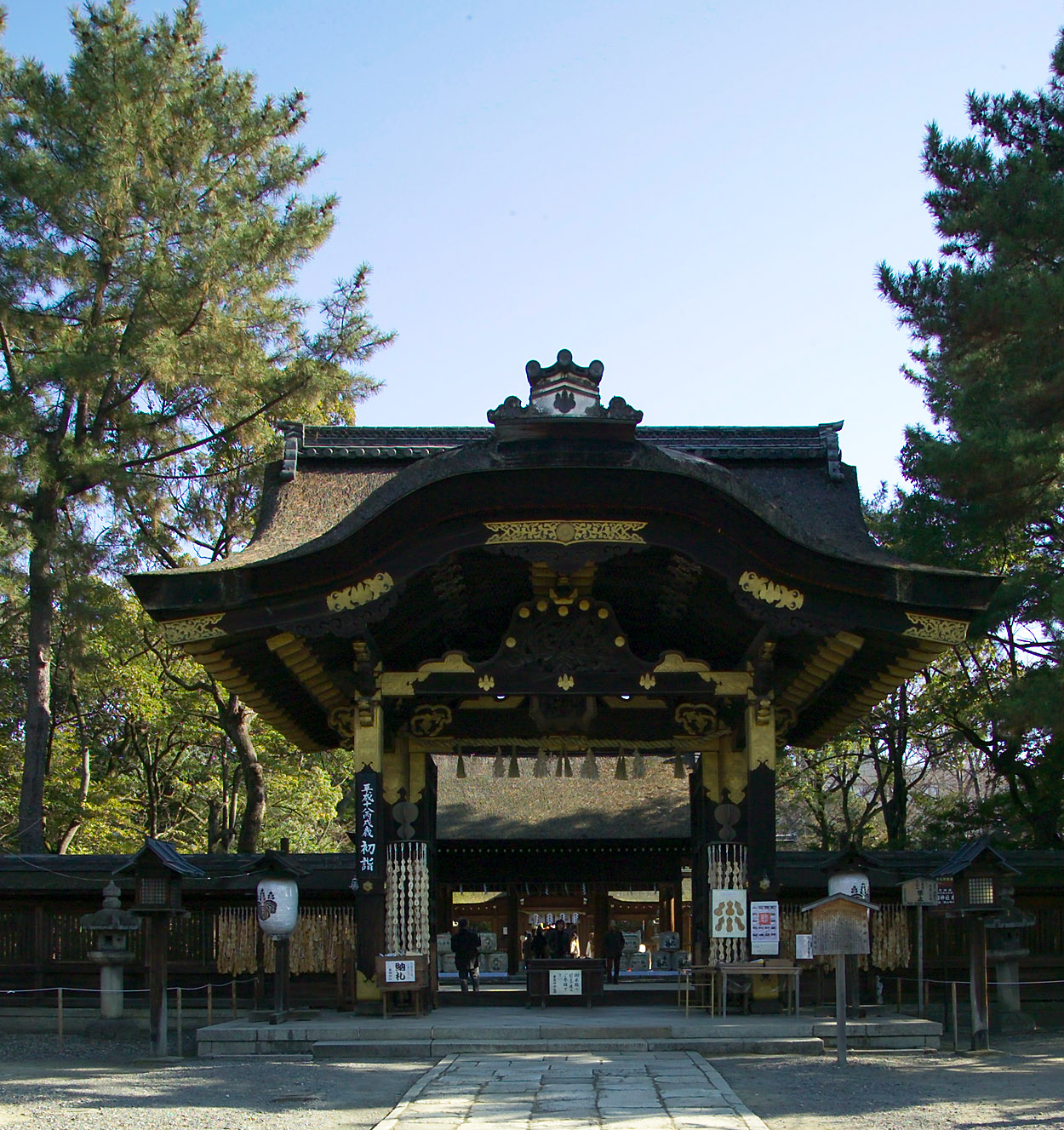
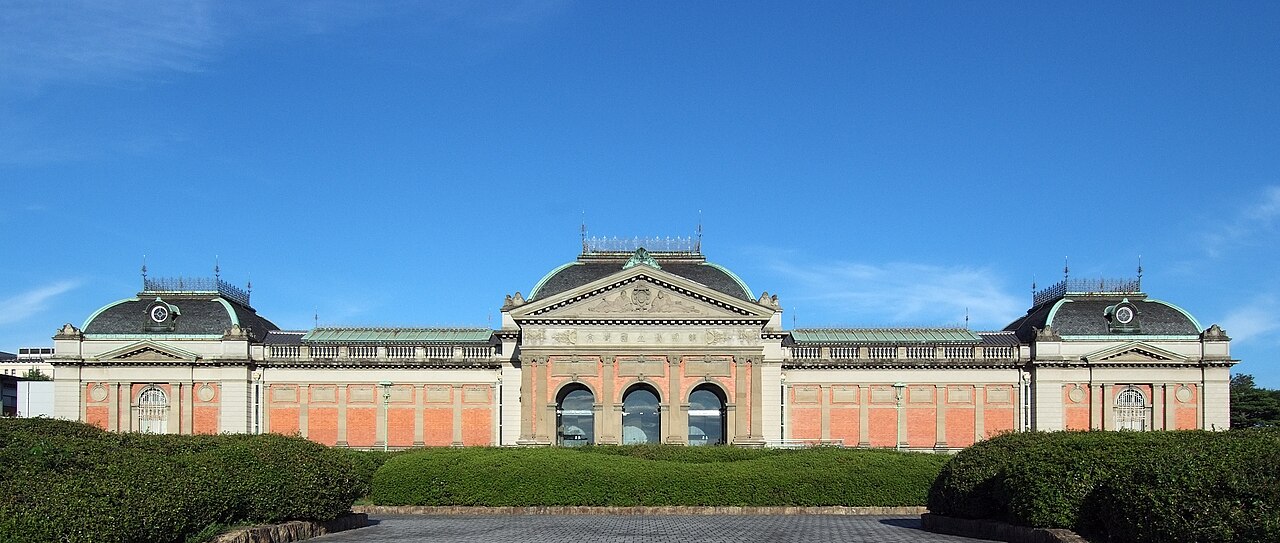
Mimizuka stands within a few minutes' walk of Toyokuni Shrine, the Hokoji bell and the Kyoto National Museum, so it can be woven into a compact tour of Toyotomi-related sites in eastern Kyoto. To reach it, take the Keihan line to Shichijo Station and walk about nine minutes toward the museum district; the mound is on Shomen-dori, a little west of the great stone torii of Toyokuni Shrine. Taken together with its neighbours, it completes a nuanced picture of one of Japanese history's most consequential and complicated figures, honouring his ambition while refusing to look away from its human cost.
A local's tip
This is a solemn war memorial, not a photo attraction; a quiet moment of reflection is more fitting than a selfie here.
Best time to visit
Any time; a short, sober stop
Getting there
A small mound just west of Toyokuni Shrine, east of the Kamo River. From Shichijo Station on the Keihan line walk about 9 minutes; it stands in a small park along Shomen-dori.
Good to know
- Restrooms
Plan the whole trip offline
Mimizuka is one of many places in the Real Japan app — with turn-by-turn directions, nearby spots and full offline maps you can use with no signal.