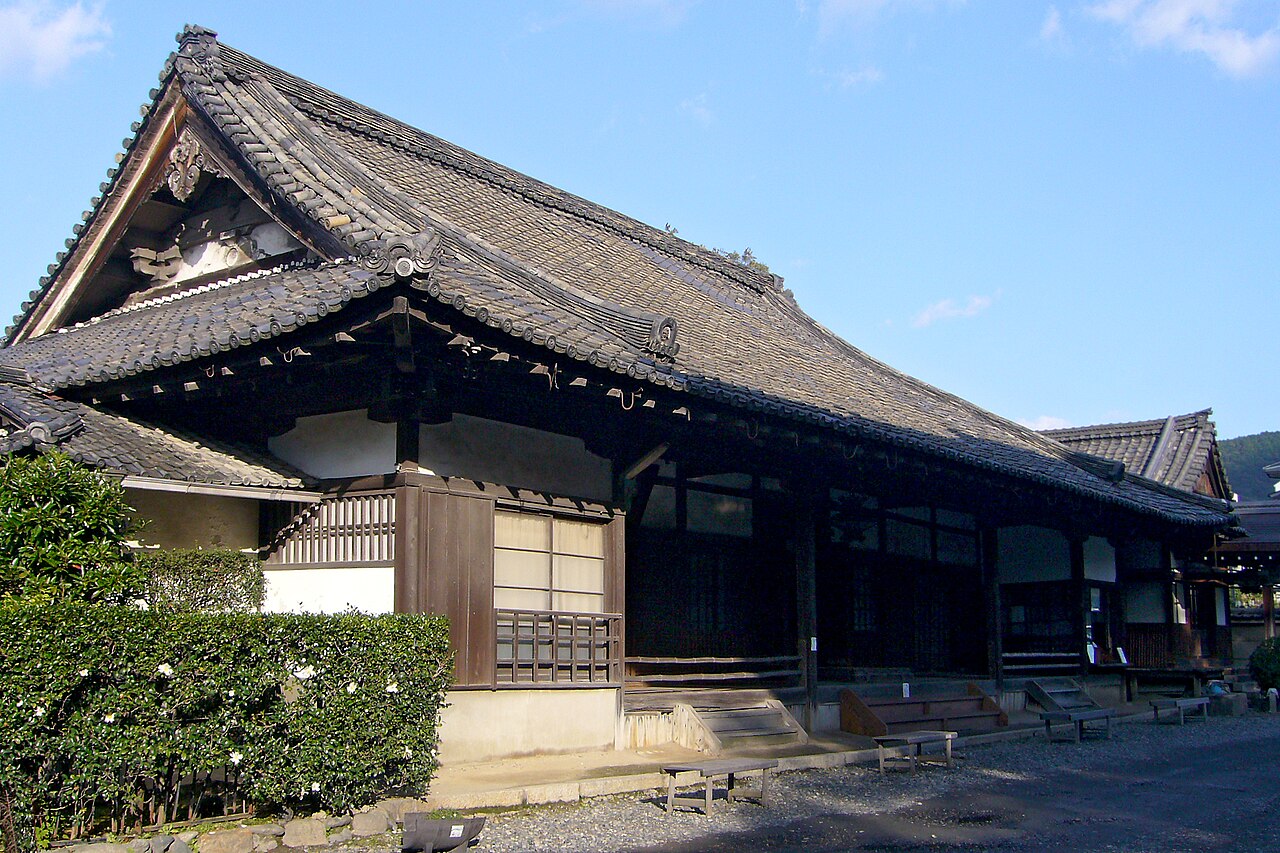
Home to a giant bronze bell whose inscription sparked the war that destroyed the Toyotomi clan.
Hoko-ji is a modest temple east of the Kamo River whose great bronze bell played an outsized role in one of the pivotal turning points of Japanese history. The temple was founded by Toyotomi Hideyoshi in the 1580s to house a colossal Great Buddha, a seated image intended to rival the famous giant Buddha of Nara. Hideyoshi's hall and its statue were repeatedly plagued by misfortune, damaged by earthquakes and fire and rebuilt more than once over the following decades, and the enormous Buddha that once dominated the site no longer survives. What remains, and what draws visitors today, is the temple's immense bell.
Cast in 1614 on the orders of Hideyoshi's son and heir, Toyotomi Hideyori, the bell is one of the largest in Japan. Its significance, however, lies less in its size than in its inscription. Among the characters cast into the bronze was a phrase that included the characters for the name of Tokugawa Ieyasu, the shogun, arranged in a way that his advisers chose to interpret as a curse or an insult, splitting his name and, they claimed, wishing him ill while praising the Toyotomi. Whether this reading was a genuine grievance or a deliberately manufactured excuse is debated to this day, but Ieyasu seized upon the inscription as a pretext. The dispute over the bell escalated into open conflict, leading to the winter and summer sieges of Osaka Castle in 1614 and 1615, in which the Toyotomi were crushed and Hideyori and his mother died, extinguishing the family and securing more than two centuries of unchallenged Tokugawa rule.
The bell that helped topple a dynasty still hangs in its belfry at Hoko-ji, and the fateful characters are traditionally marked out, often circled in white, so that visitors can find the very words that were turned into a casus belli. Standing beneath the great dark bell, with the story in mind, is a genuinely evocative experience, a reminder of how a few carved characters could be spun into the justification for a war.
The temple today is small and unassuming, and a visit is correspondingly brief, typically around half an hour. The grounds are free to enter and quiet, a striking contrast to the momentous history attached to them, and a modest hall displays materials related to the temple's past. Signage is limited and mostly in Japanese, so knowing the background beforehand greatly enriches the stop.
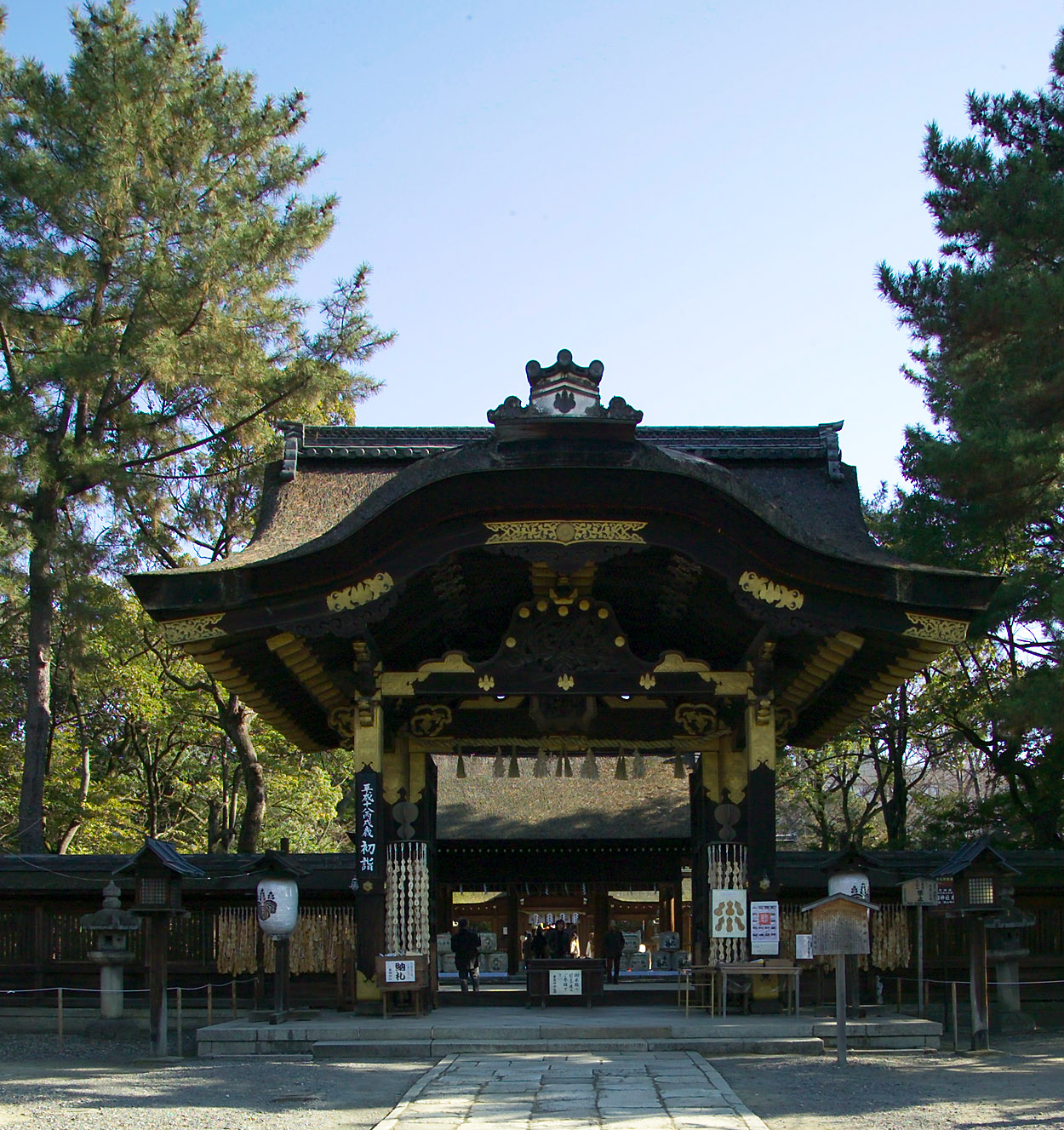
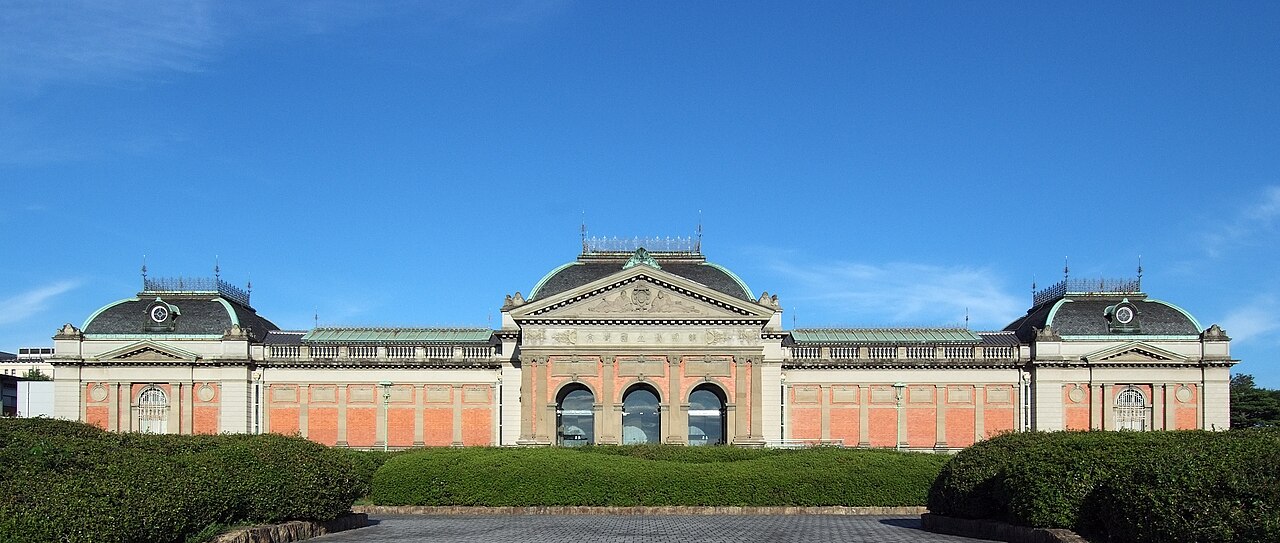
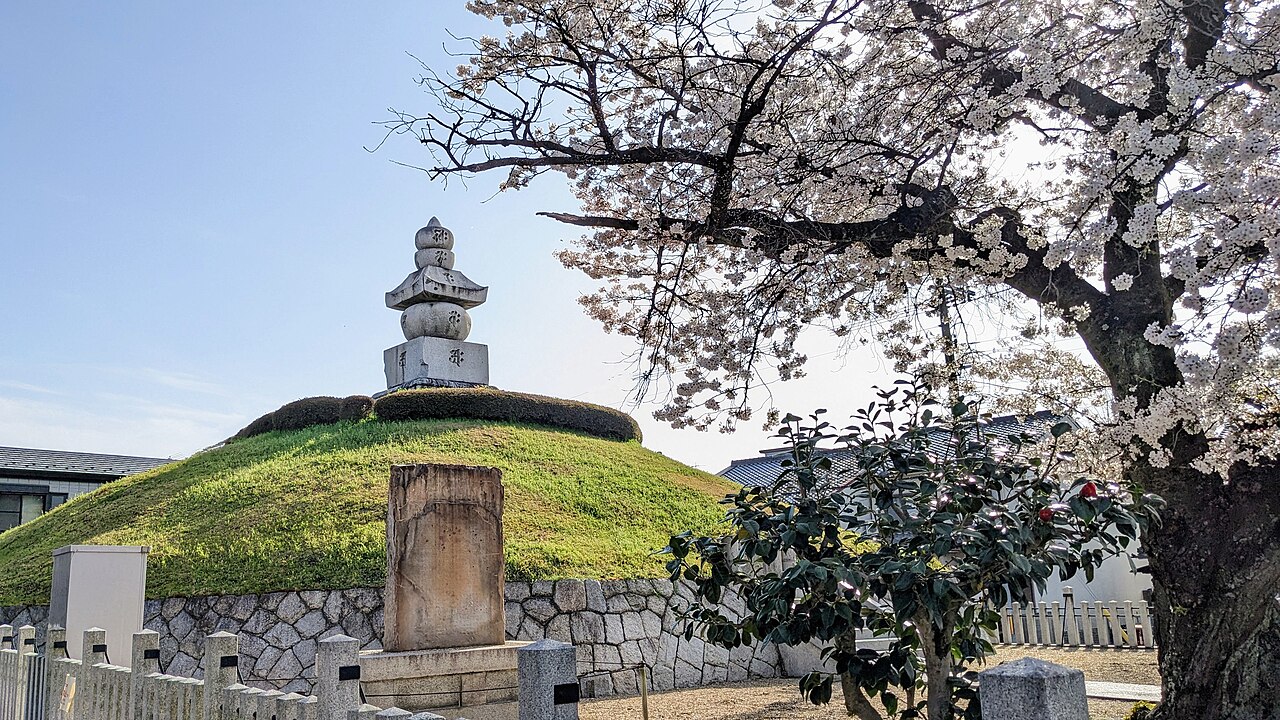
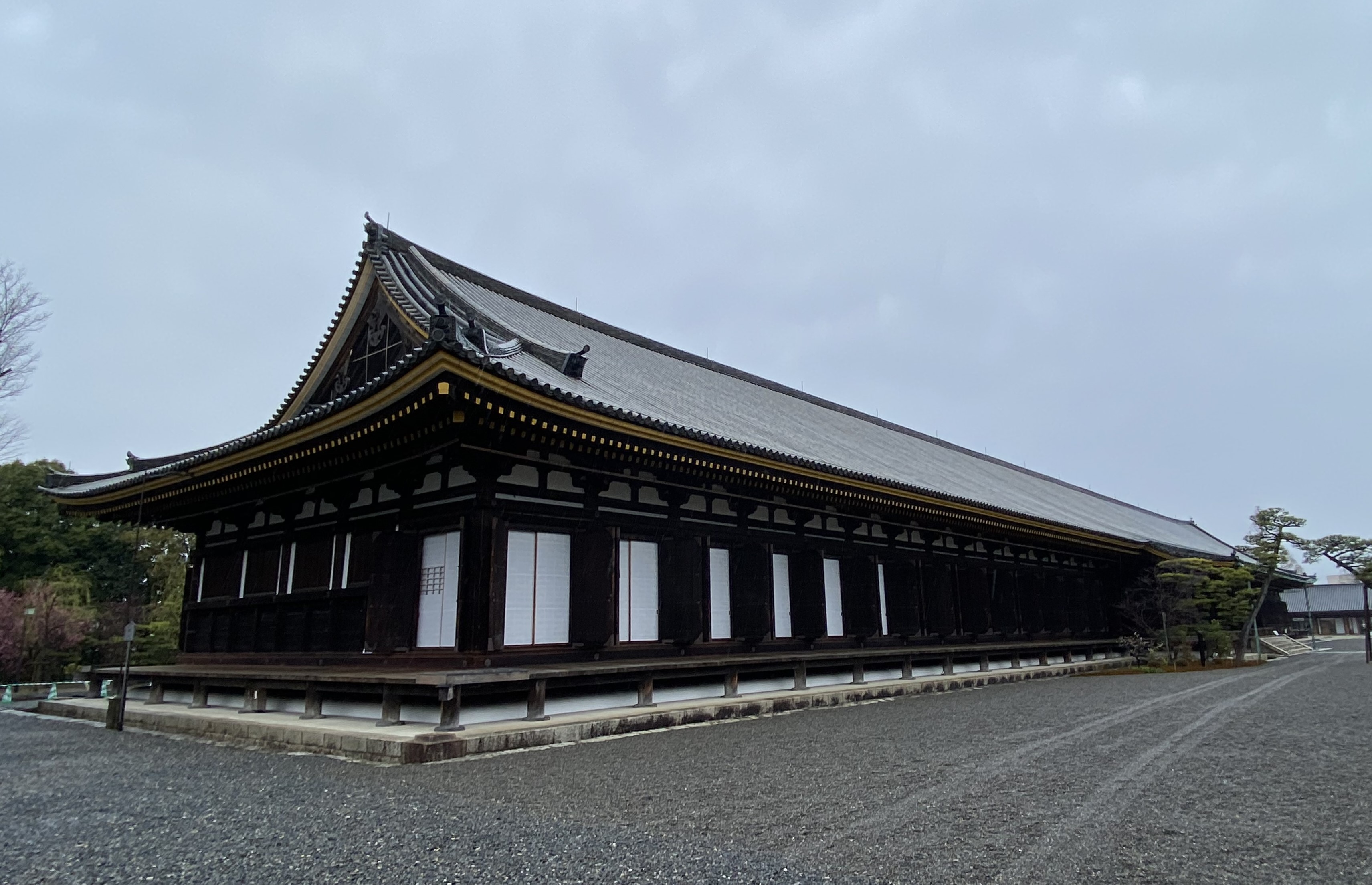
Hoko-ji sits directly beside Toyokuni Shrine, the shrine that deifies Hideyoshi, and a short walk from the Kyoto National Museum, Sanjusangen-do and the sombre Mimizuka mound, so it fits neatly into a compact loop of Toyotomi-related sites in eastern Kyoto. To get there, take the Keihan line to Shichijo Station and walk about ten minutes, or ride a city bus to the museum district. For history-minded travellers it is a small, atmospheric stop that repays the detour with one of the best stories in the city.
A local's tip
Look for the red-circled characters on the great bell; scholars insist the inscription was an innocent blessing, but the Tokugawa read it as a veiled insult and used it as a pretext for war.
Best time to visit
Any time; a short add-on to Toyokuni Shrine
Getting there
Immediately beside Toyokuni Shrine, east of the Kamo River. From Shichijo Station on the Keihan line walk about 10 minutes, or take a city bus to the Kyoto National Museum area.
Good to know
- Restrooms
Plan the whole trip offline
Hoko-ji Temple is one of many places in the Real Japan app — with turn-by-turn directions, nearby spots and full offline maps you can use with no signal.