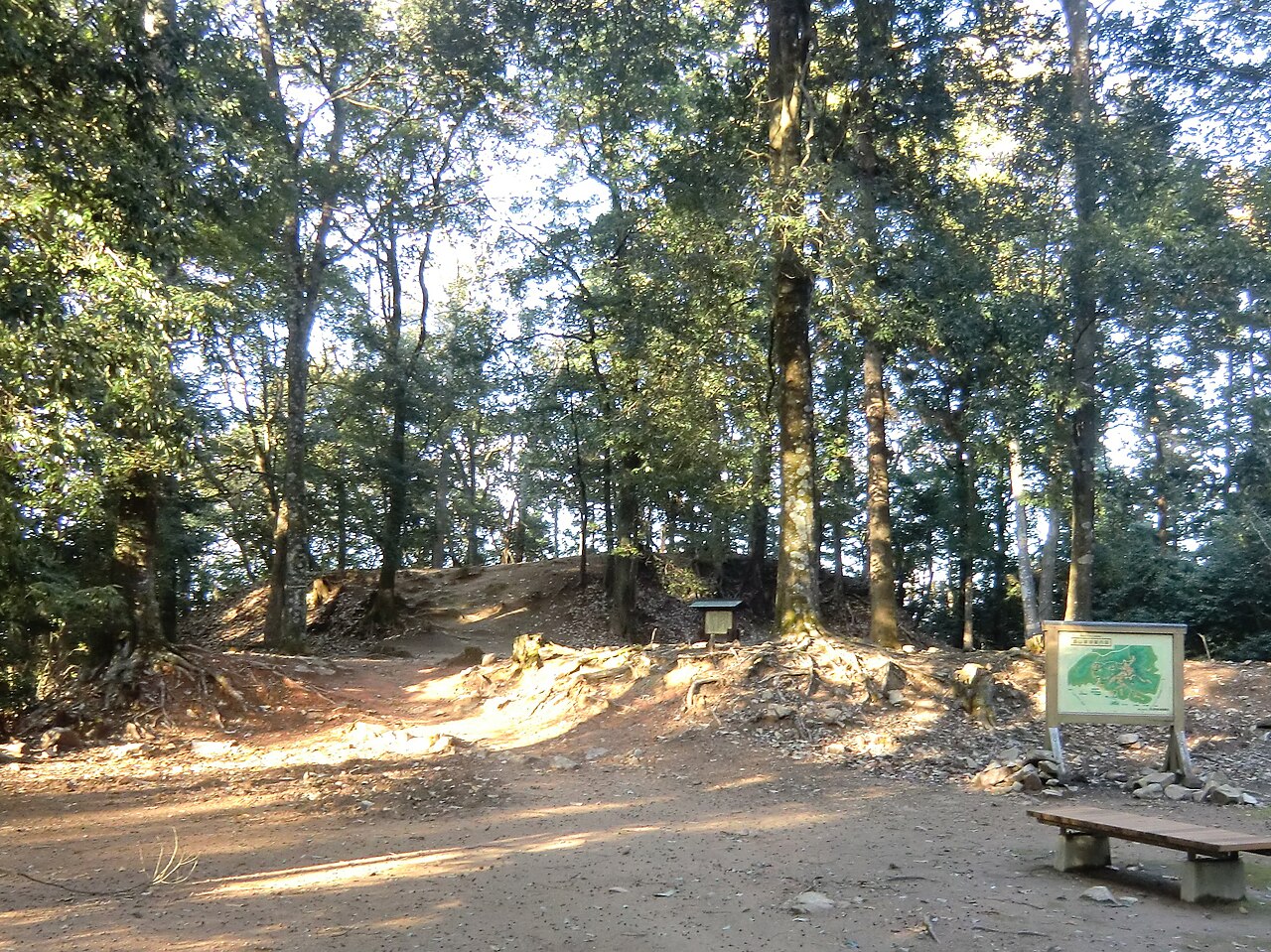
The sprawling mountain-castle ruins of warlord Mori Motonari, one of Japan's 100 Great Castles.
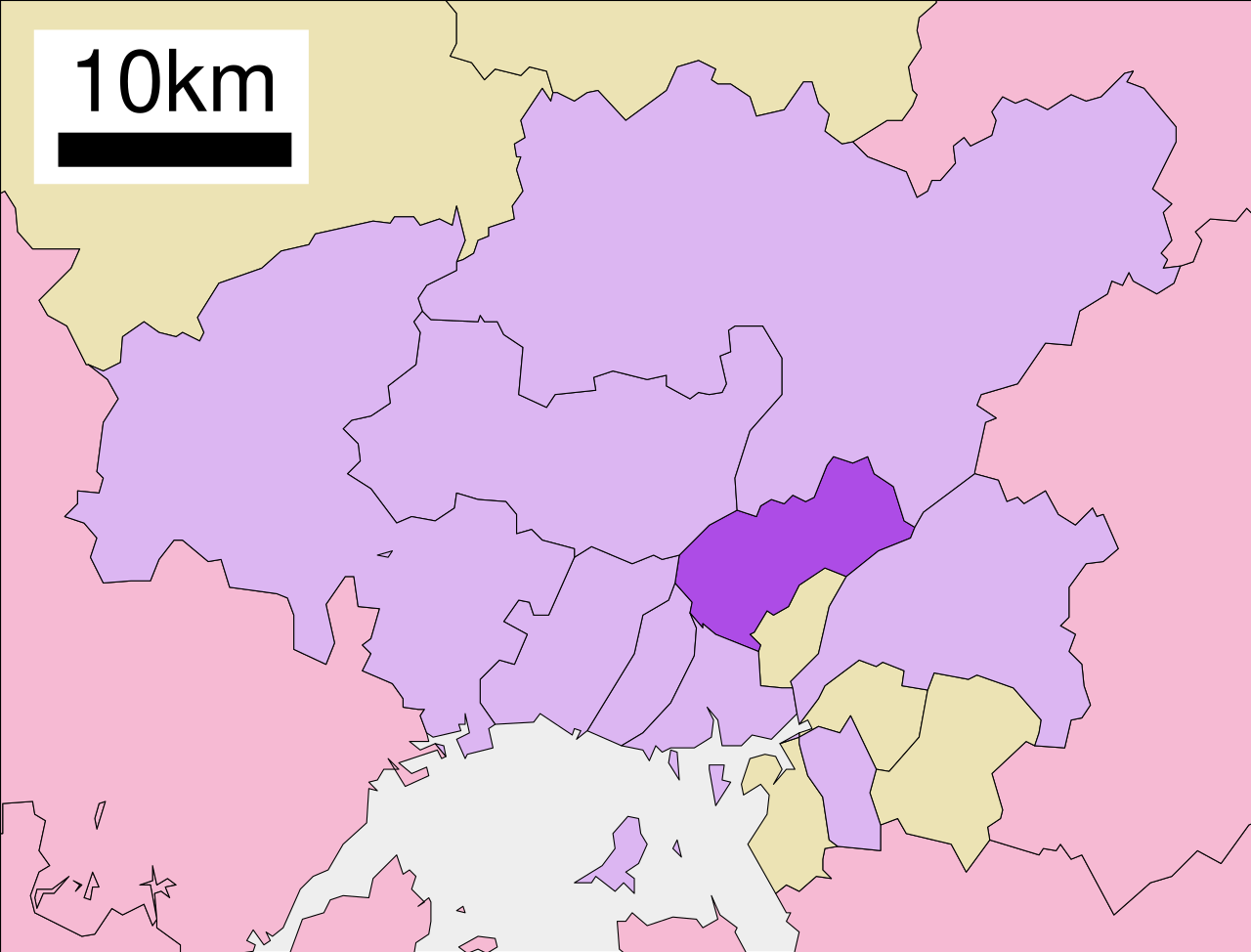
Yoshida-Koriyama Castle is a vast mountain fortress ruin in the town of Akitakata, in the hills north of Hiroshima city, and it was the ancestral stronghold of the Mori clan, one of the most powerful warrior houses of Japan's Sengoku, or Warring States, era. Unlike the elegant plains castles of the later Edo period, this was a yamajiro, a defensive castle that used an entire mountain as its structure, its baileys and terraces cut into the slopes and ridgelines rather than concentrated in a single keep. It covers a huge area, roughly a kilometre across, rising nearly two hundred metres above the surrounding valley, and it is listed among Japan's 100 Great Castles for its scale and its historical importance.
The castle is inseparable from the figure of Mori Motonari, the brilliant sixteenth-century strategist who transformed the Mori from a minor local family into overlords of the entire Chugoku region of western Japan. From this mountain he directed the campaigns and alliances that expanded his power, and in 1540 the castle withstood a famous siege when a far larger invading army was defeated on its slopes, a victory that sealed Motonari's rise. His grandson Mori Terumoto eventually outgrew the mountain and in 1591 moved the clan's seat to the new, modern Hiroshima Castle on the coastal delta, though Yoshida-Koriyama was kept in reserve. After the Mori backed the losing side at the Battle of Sekigahara in 1600 and were stripped of these lands, the mountain castle was abandoned and dismantled, leaving the earthworks and stone traces that survive today.
What the visitor finds now is not a rebuilt tower but an atmospheric archaeological landscape: a network of hiking trails climbs through the forest past clearly identifiable terraced baileys, the flattened sites of gates and halls, remnant stone walls, defensive ditches, and the graves of the Mori lords, culminating in the summit main bailey with wide views over the Enokawa river valley. Interpretive signs mark the key features along the way. Because it is a genuine mountain climb of a couple of hours over uneven, sometimes steep forest paths, it appeals to those who enjoy hiking and history together rather than casual sightseers, and sturdy shoes are essential.
At the foot of the mountain, the Akitakata City Museum of Mori Motonari tells the clan's story with armour, documents and models, and provides trail maps; starting there turns the climb into a coherent narrative rather than an anonymous walk in the woods. Nearby lie the clan's mausoleum and the ruins of their residence, rounding out the historical picture.
The ruins are free and always open, though the museum keeps daytime hours. Reaching them takes effort: from Hiroshima it is a bus ride to Akitakata or a slow train on the JR Geibi Line to Yoshida-guchi followed by a local bus or taxi to the base. For that reason it is a destination for the dedicated castle enthusiast, but as one of the great mountain fortresses of Sengoku Japan, tied to one of its most celebrated warlords, it rewards the journey.
A local's tip
Start at the Akitakata City Museum of Mori Motonari at the base to get the map and the story before climbing; the summit bailey rewards the hike with sweeping valley views.
Best time to visit
Autumn for clear hiking weather and colour
Getting there
From Hiroshima take a bus to Akitakata or the JR Geibi Line to Yoshida-guchi, then a bus or taxi to the Yoshida history museum at the foot of the mountain; the ruins are a hiking trail from there.
Good to know
- Parking
- Restrooms
Plan the whole trip offline
Yoshida-Koriyama Castle Ruins is one of many places in the Real Japan app — with turn-by-turn directions, nearby spots and full offline maps you can use with no signal.