Explore
724 places across 13 regions — search and filter to plan your trip.
54 places(showing 1–24)
Kanazawa
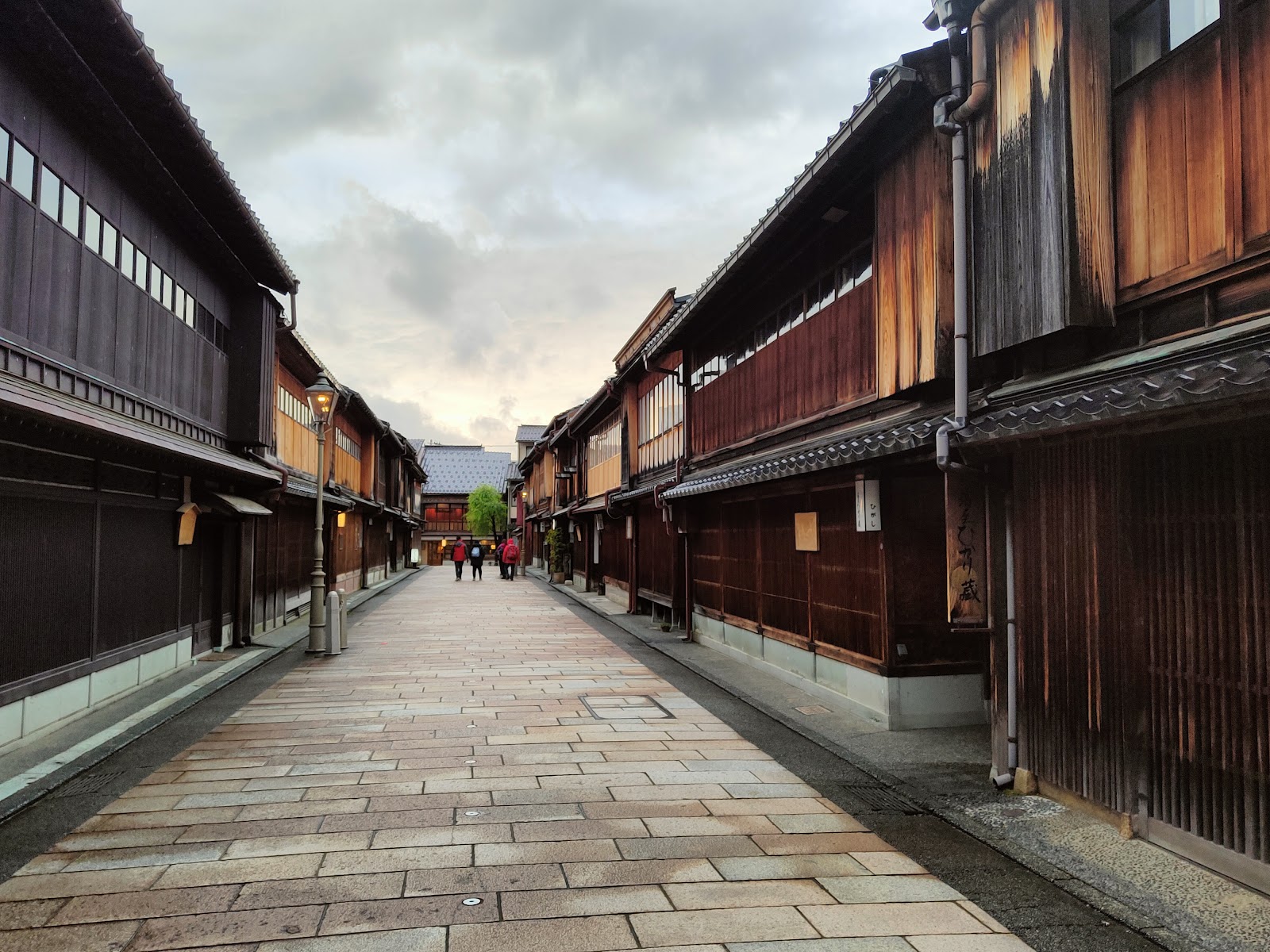
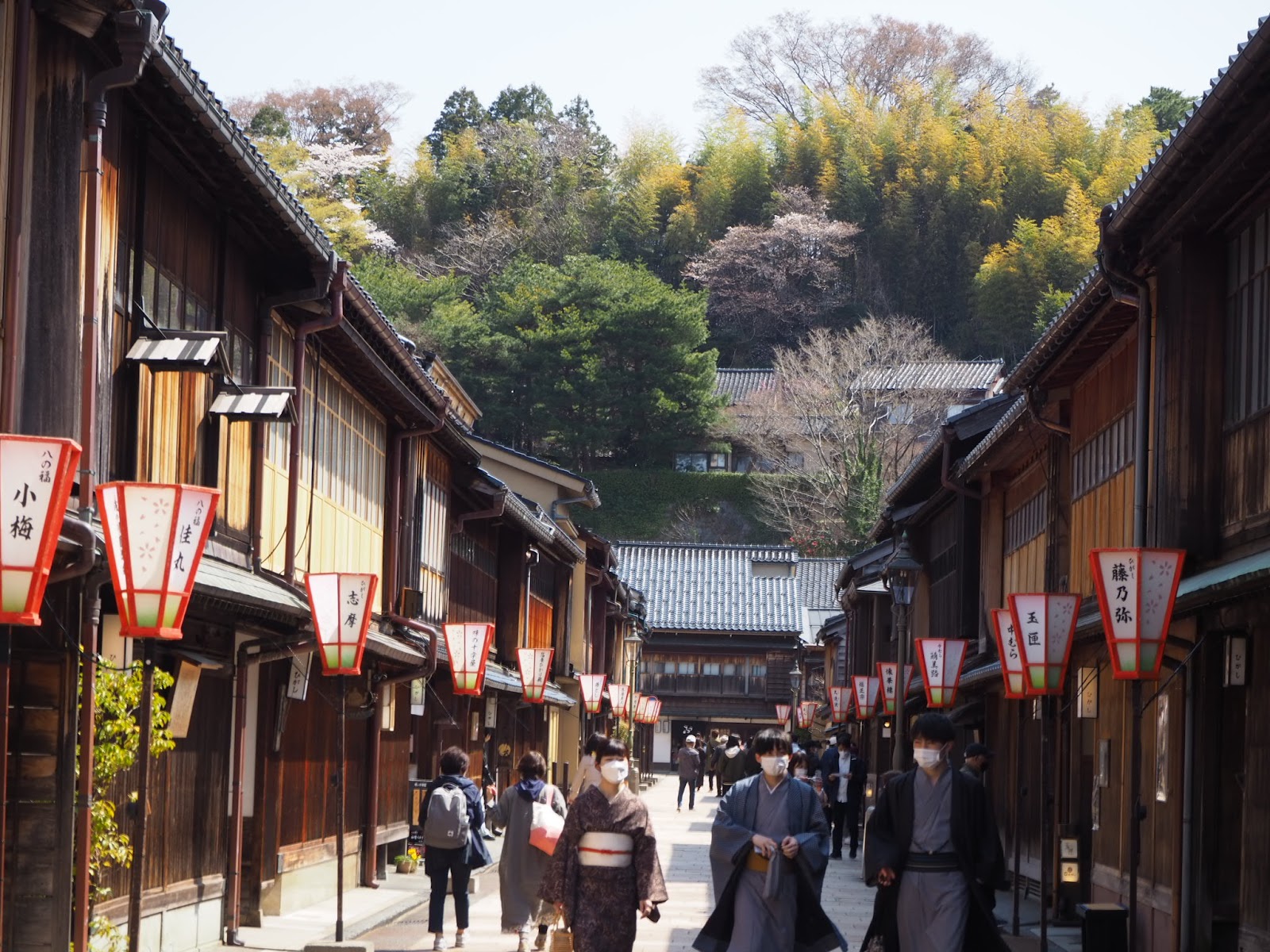
Kanazawa's largest and most atmospheric geisha teahouse district, a lattice-fronted Edo-era streetscape north of the Asano River.
The smallest and most intimate of Kanazawa's three geisha districts, a single atmospheric lane of latticed teahouses south of the Sai River.
A romantic riverside lane of teahouses along the Asano River, Kanazawa's most photogenic geisha district at dusk.
Earthen-walled lanes and canal-side samurai residences west of the castle, Kanazawa's best-preserved buke yashiki quarter.
A hillside quarter of some seventy Buddhist temples south of the Sai River, home to the celebrated Ninja Temple, Myoryu-ji.
Kanazawa's 300-year-old covered market, the Kitchen of Kanazawa, packed with snow crab, sweet shrimp and Sea of Japan seafood.
Kanazawa's downtown heart, department stores and boutiques by day, the Katamachi izakaya-and-bar warren by night.
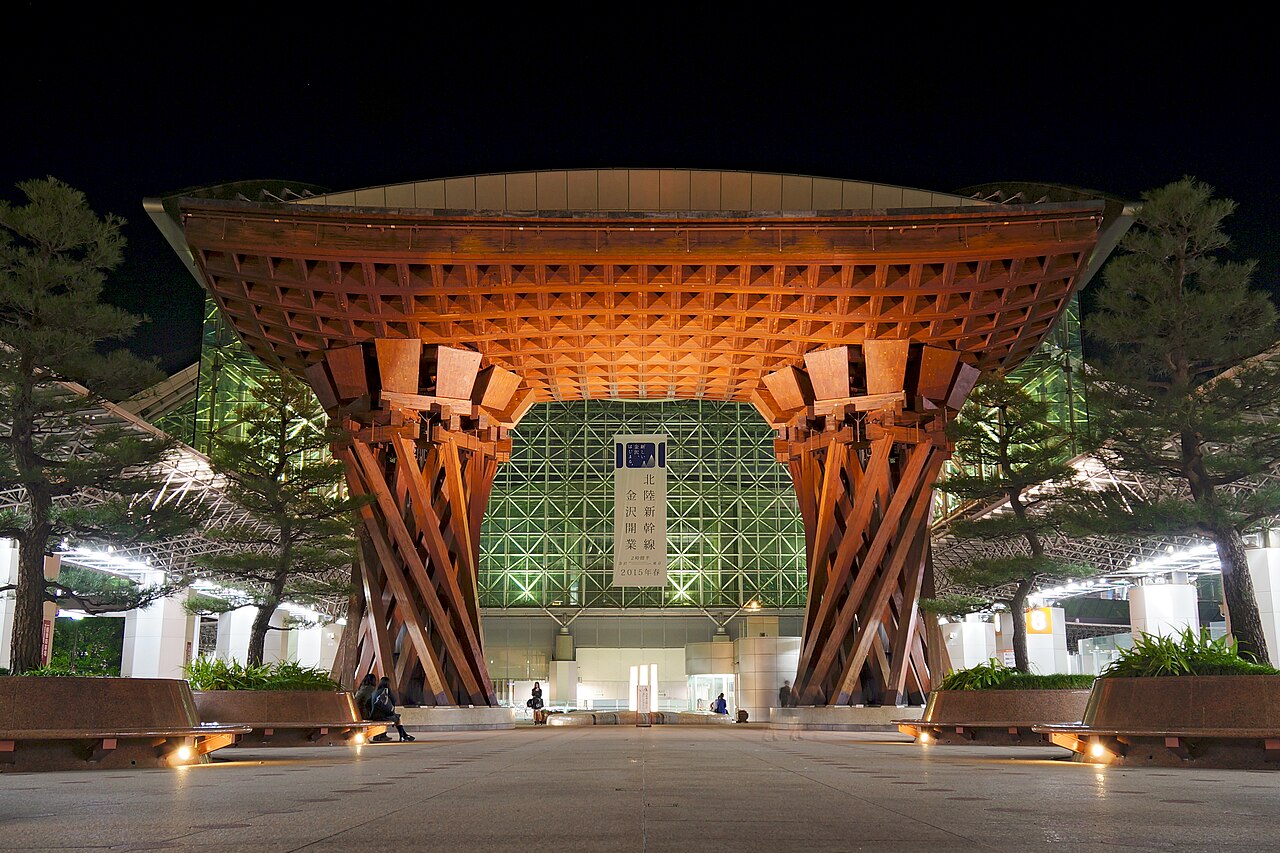
The striking gateway to the city, a giant wooden Tsuzumi drum gate and vast glass Motenashi Dome fronting the shinkansen station.
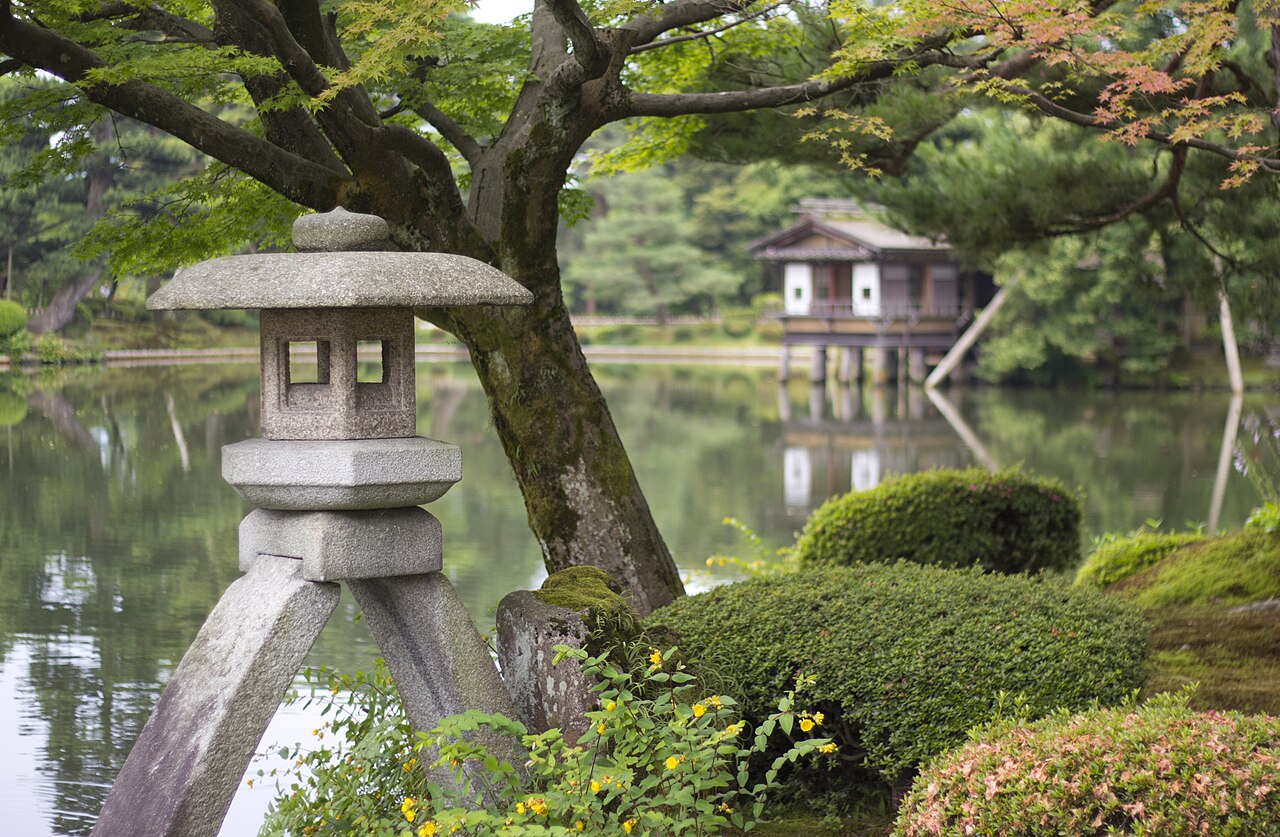
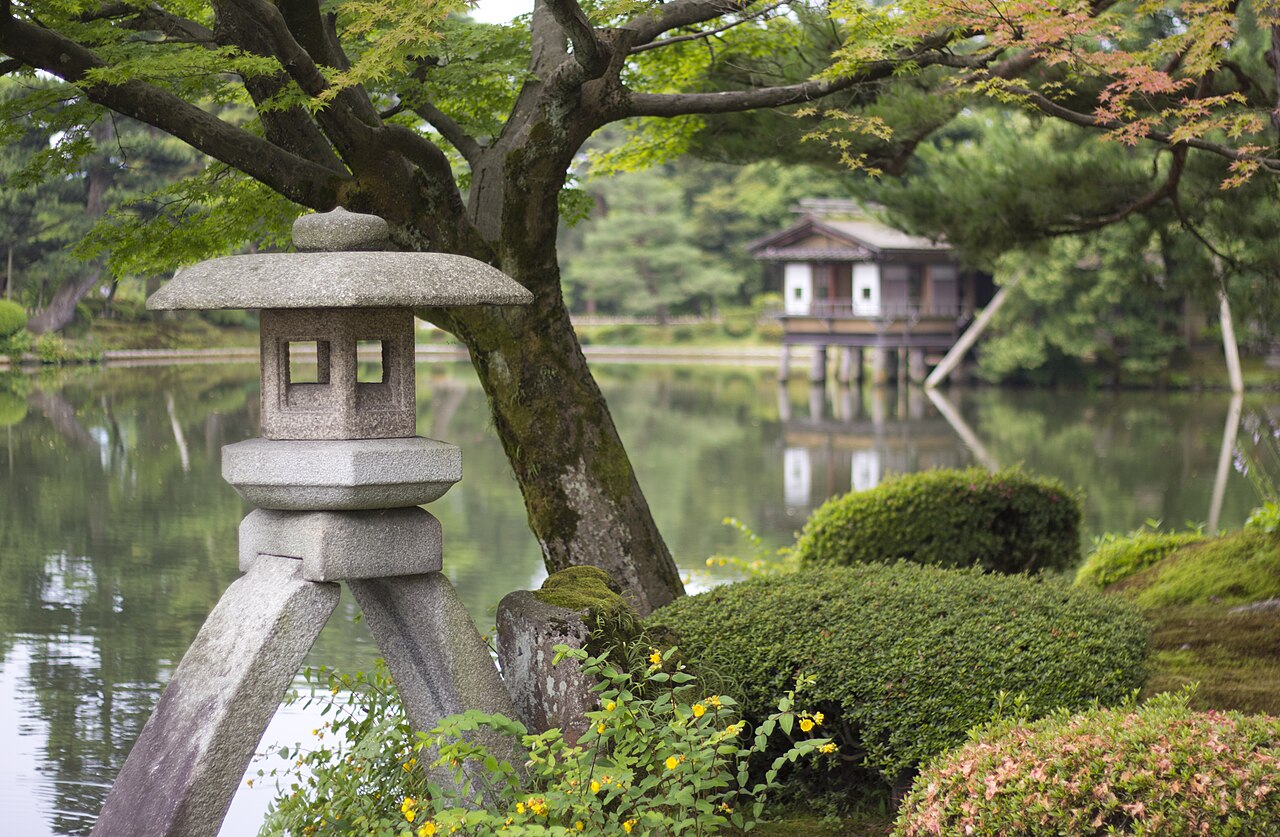
One of the Three Great Gardens of Japan, a masterful Edo-period strolling garden of ponds, streams and winter-suspended pines beside Kanazawa Castle.
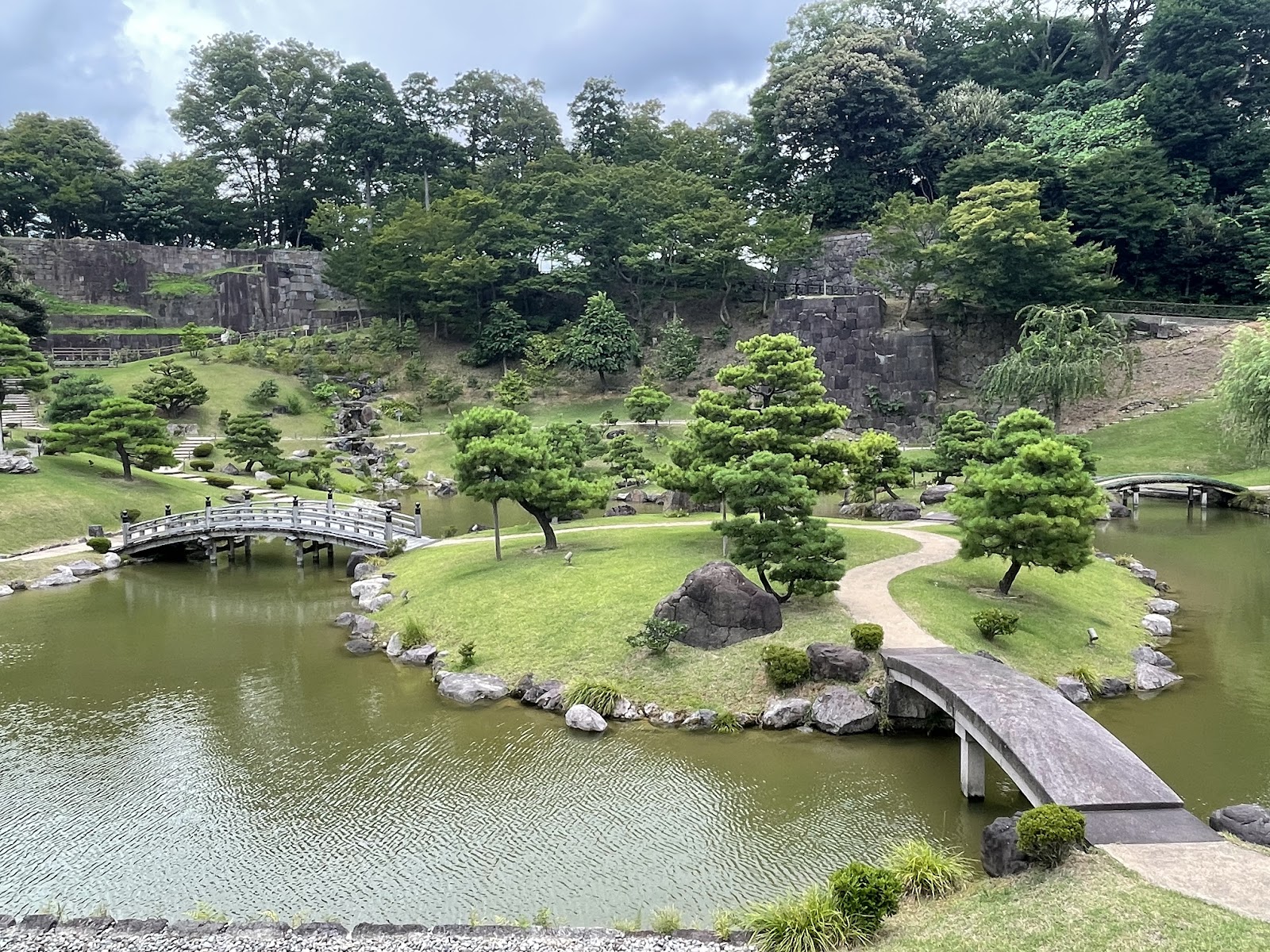
A meticulously reconstructed Edo-period daimyo garden inside Kanazawa Castle Park, with a tiered pond, waterfall and evening light-ups—free to enter.
A discreet 400-year-old private pond garden next to Kenroku-en, drawing its water from the famous garden and rewarding visitors with rare tranquillity.
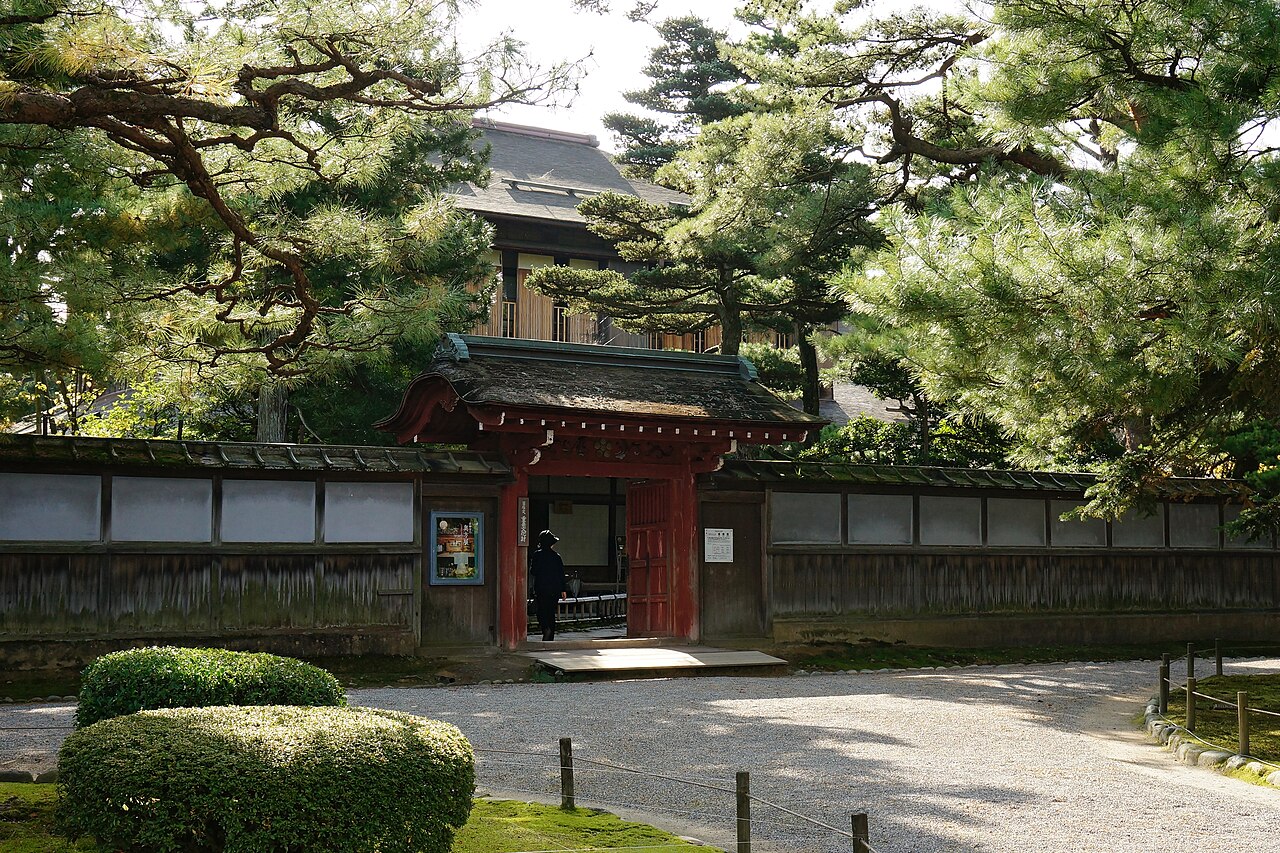
An elegant 1863 Maeda-family retirement villa with two intimate gardens and startlingly modern interiors, at the edge of Kenroku-en.
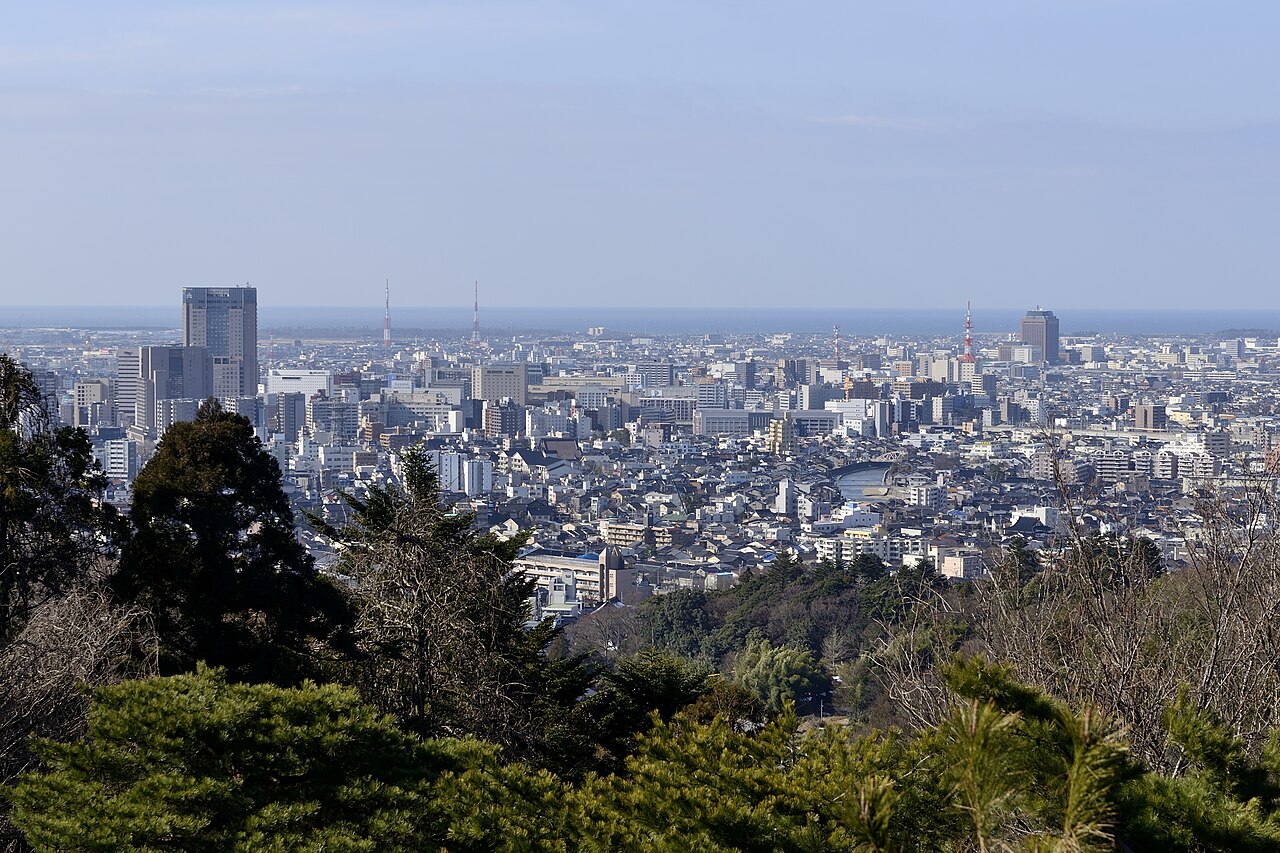
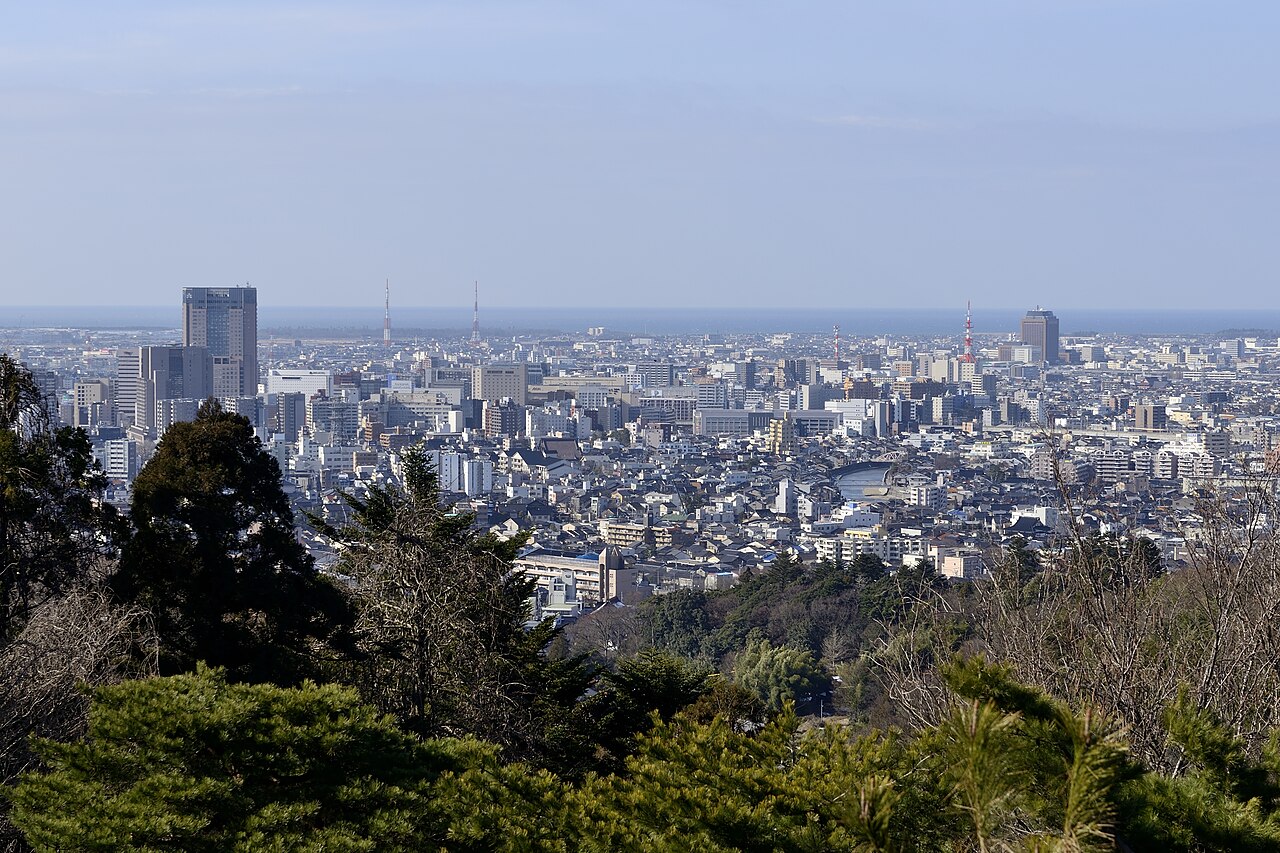
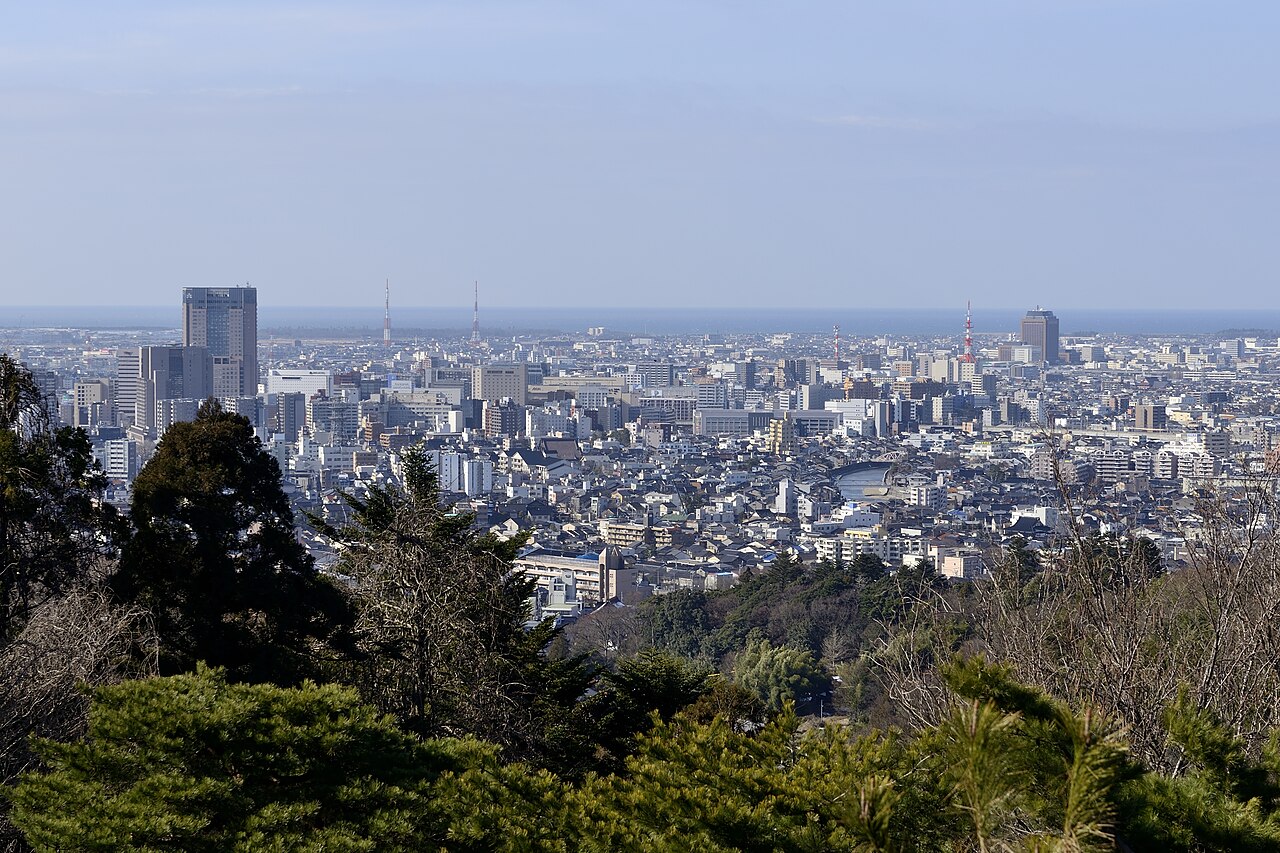
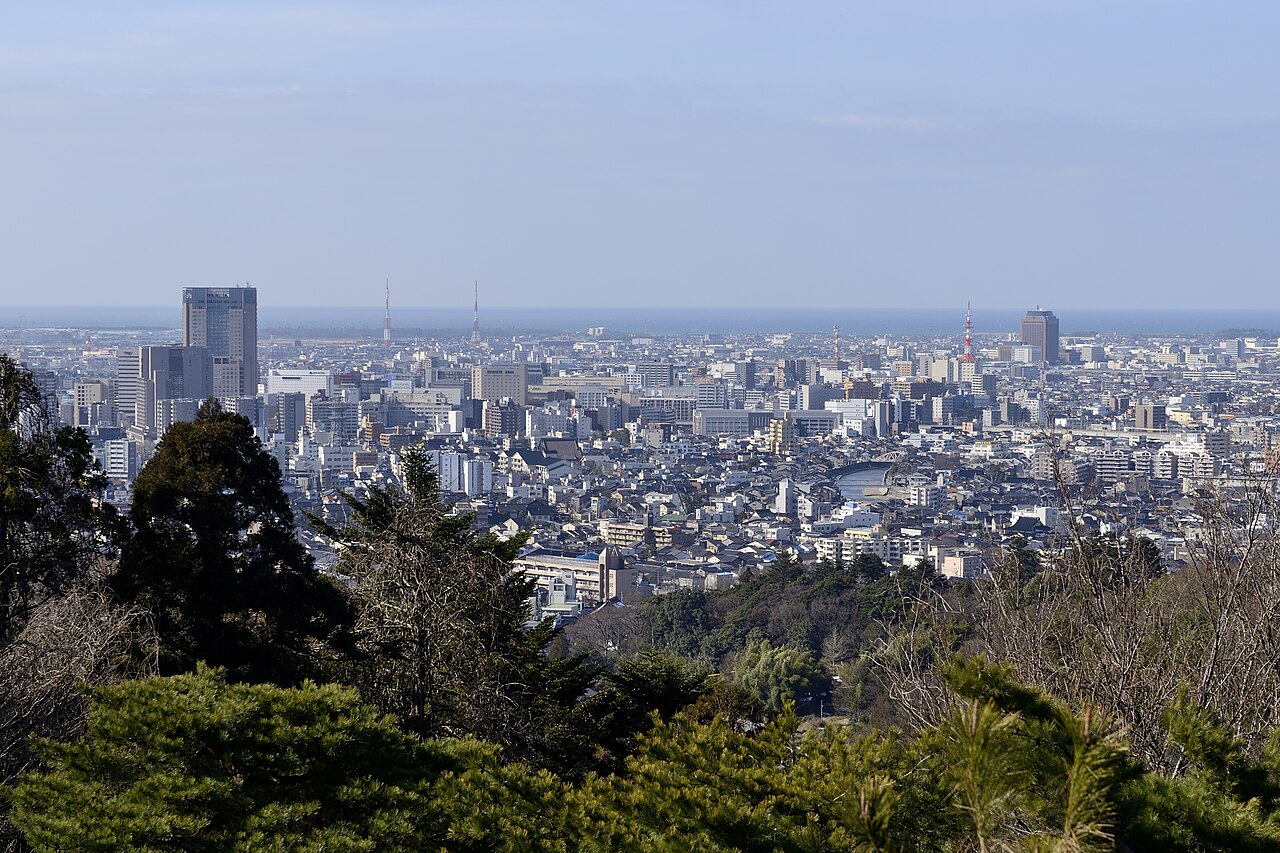
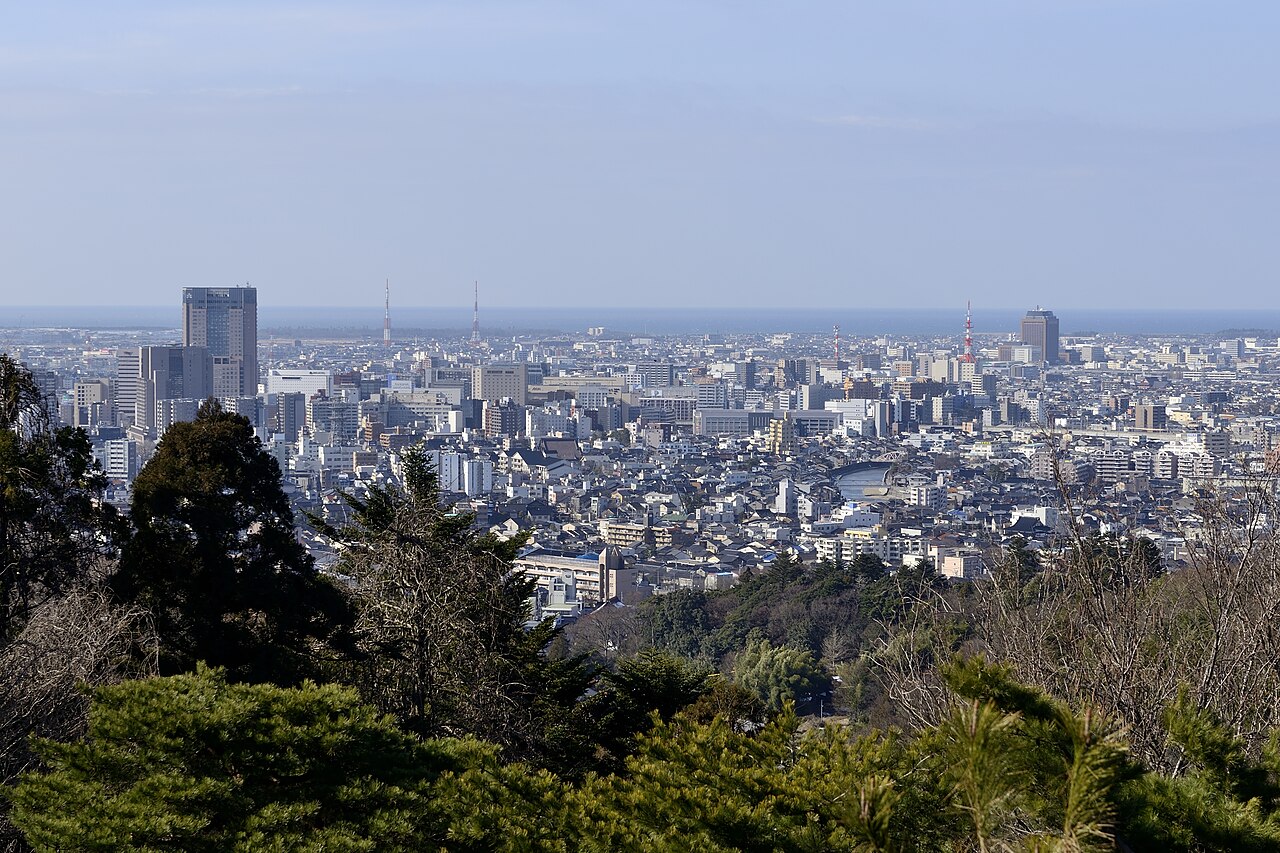
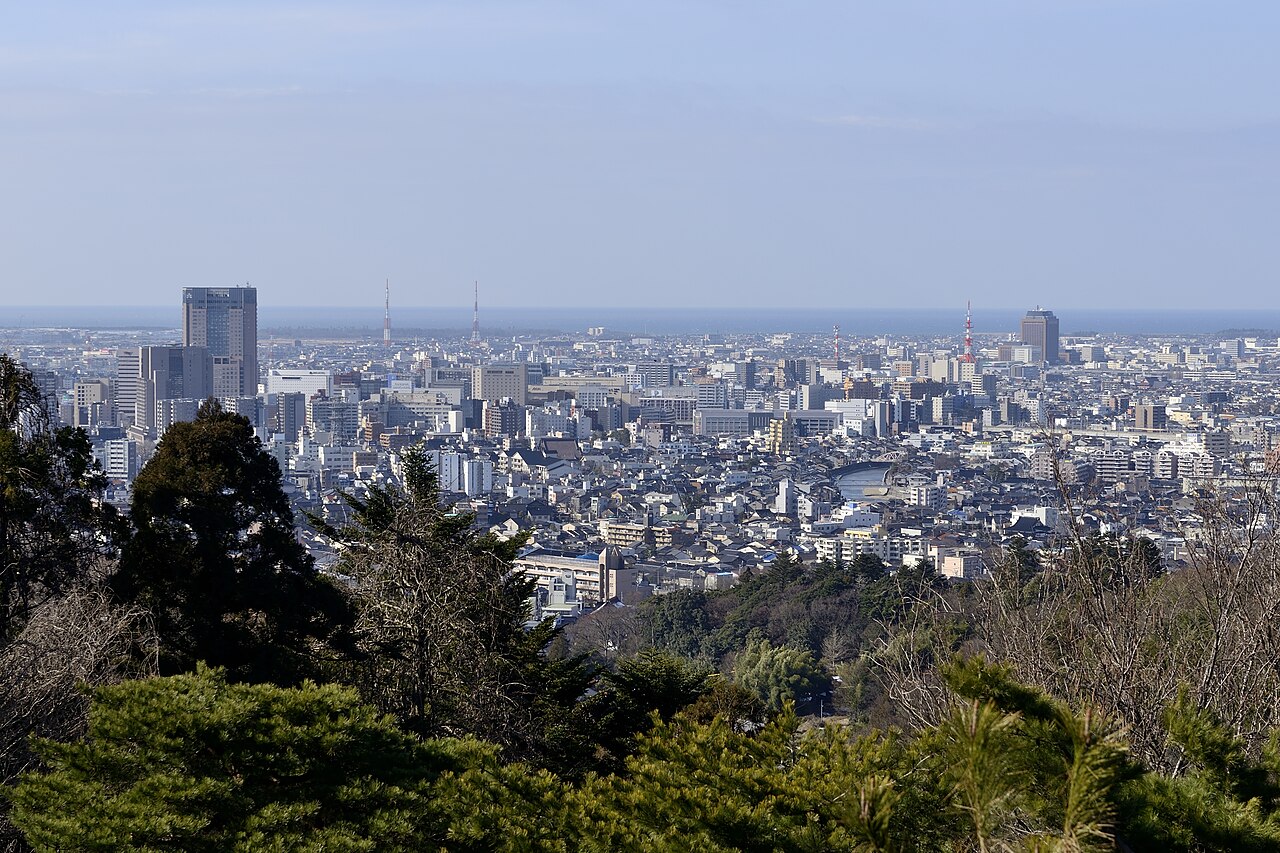
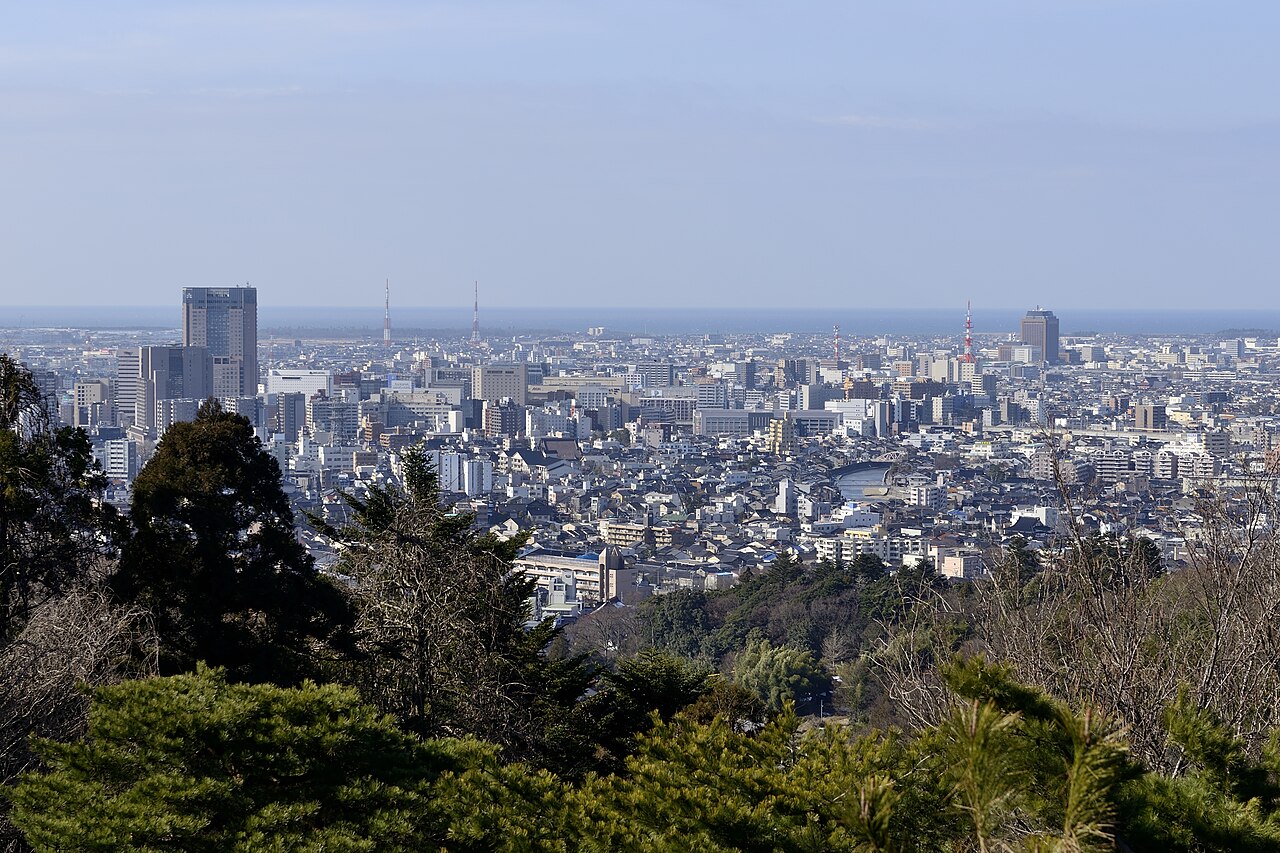
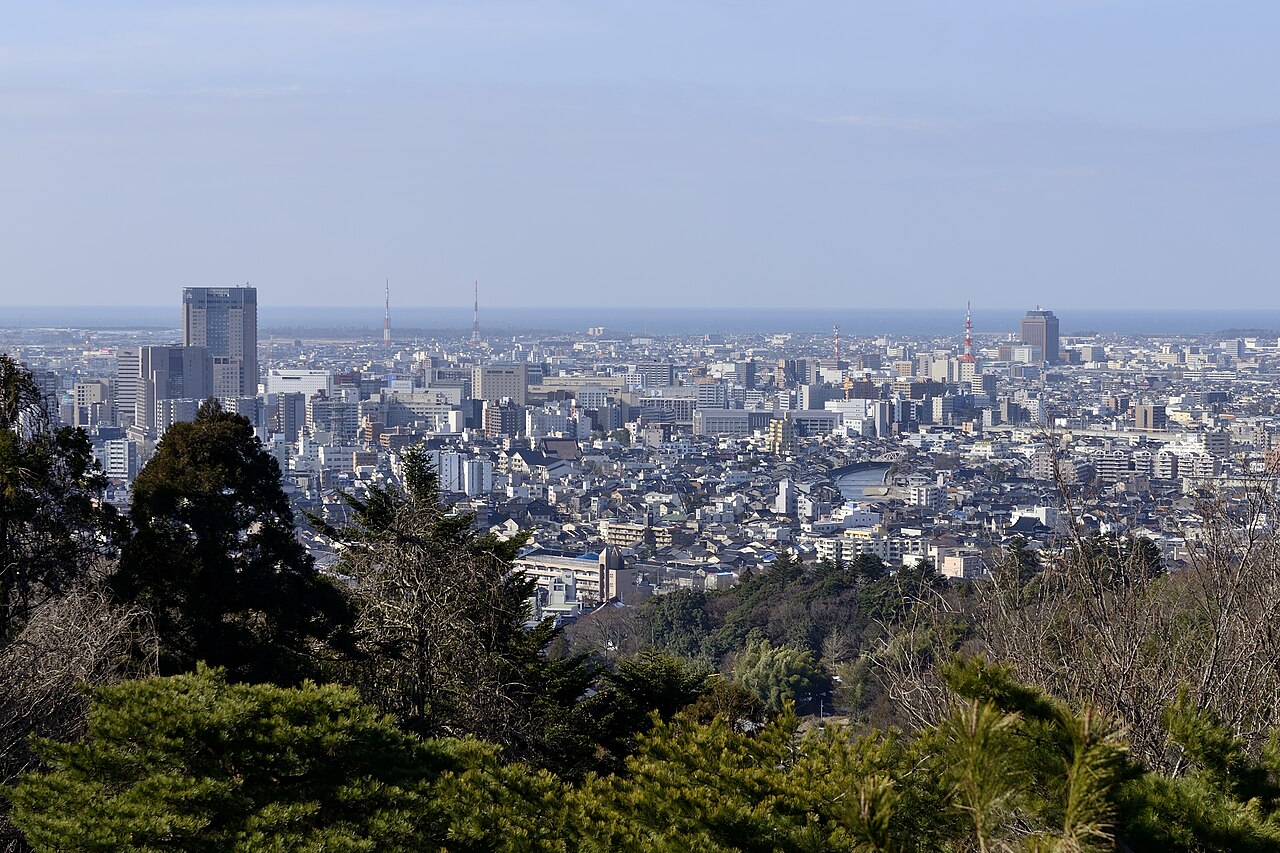
A forested hilltop park above the Higashi Chaya district with woodland trails, temples and a free panorama across Kanazawa to the sea.
A leafy woodland park below Kenroku-en that links Kanazawa's cluster of museums with shaded paths and mature trees.
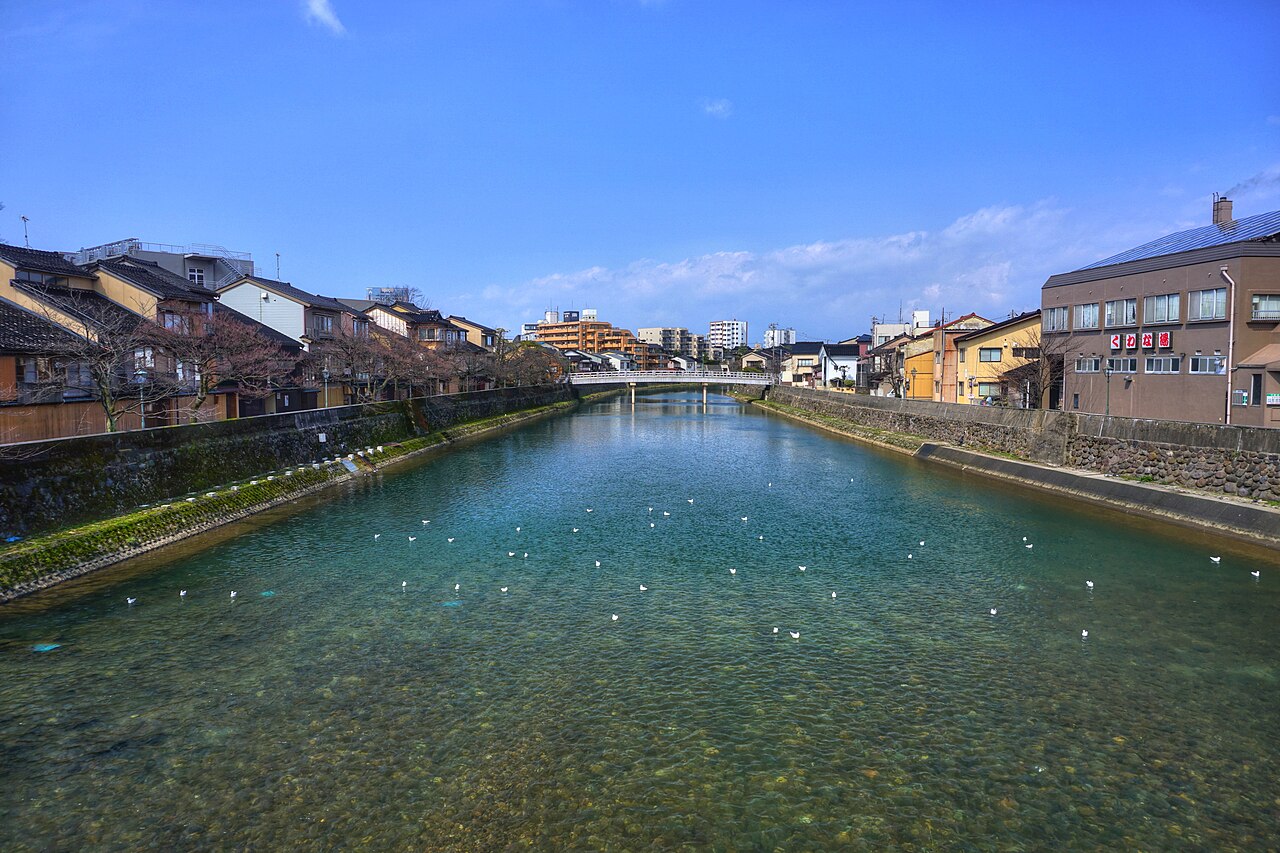
Kanazawa's graceful "feminine" river, lined with willow-shaded promenades, old bridges and the lantern-lit teahouses of the Higashi and Kazuemachi districts.
Kanazawa's broad "masculine" river, with open banks, blossom-lined walks and easy access to the Nishi Chaya and Teramachi districts.
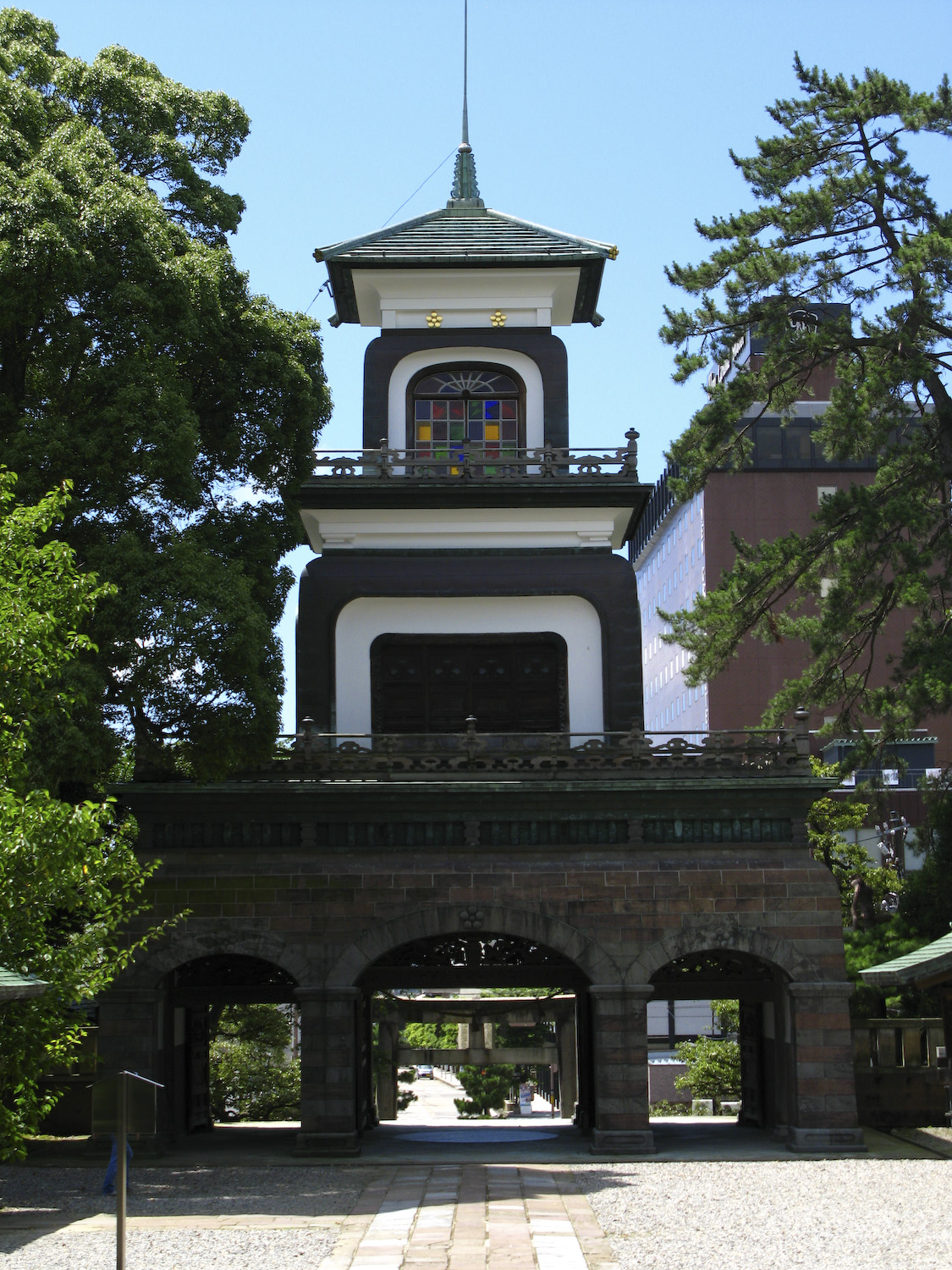
Kanazawa's most distinctive shrine, crowned by a Dutch-designed three-storey gate with stained glass, honouring the founding lord Maeda Toshiie.
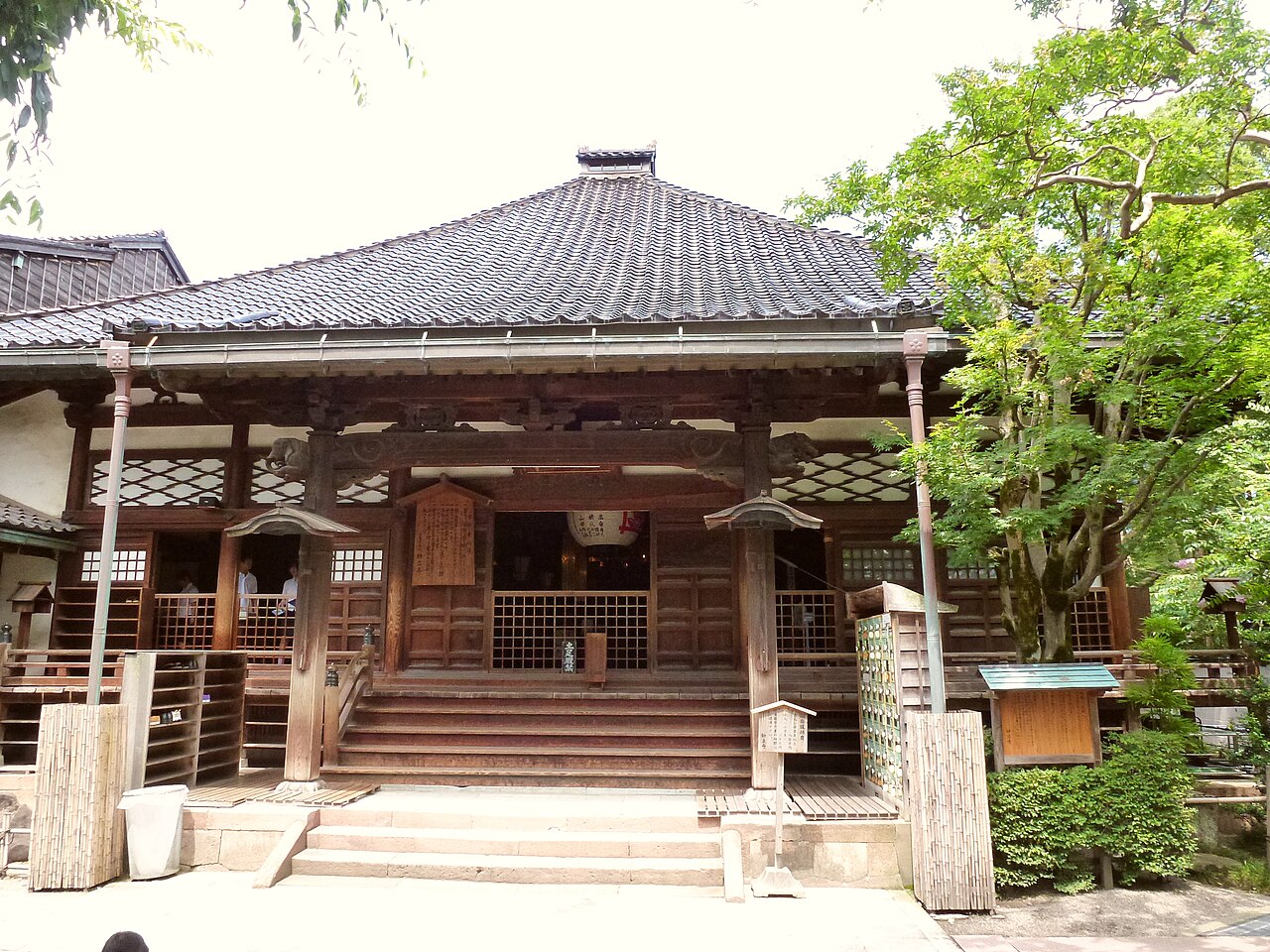
A deceptively ordinary temple riddled with hidden stairways, trap doors and secret passages - Kanazawa's cleverest piece of feudal engineering.
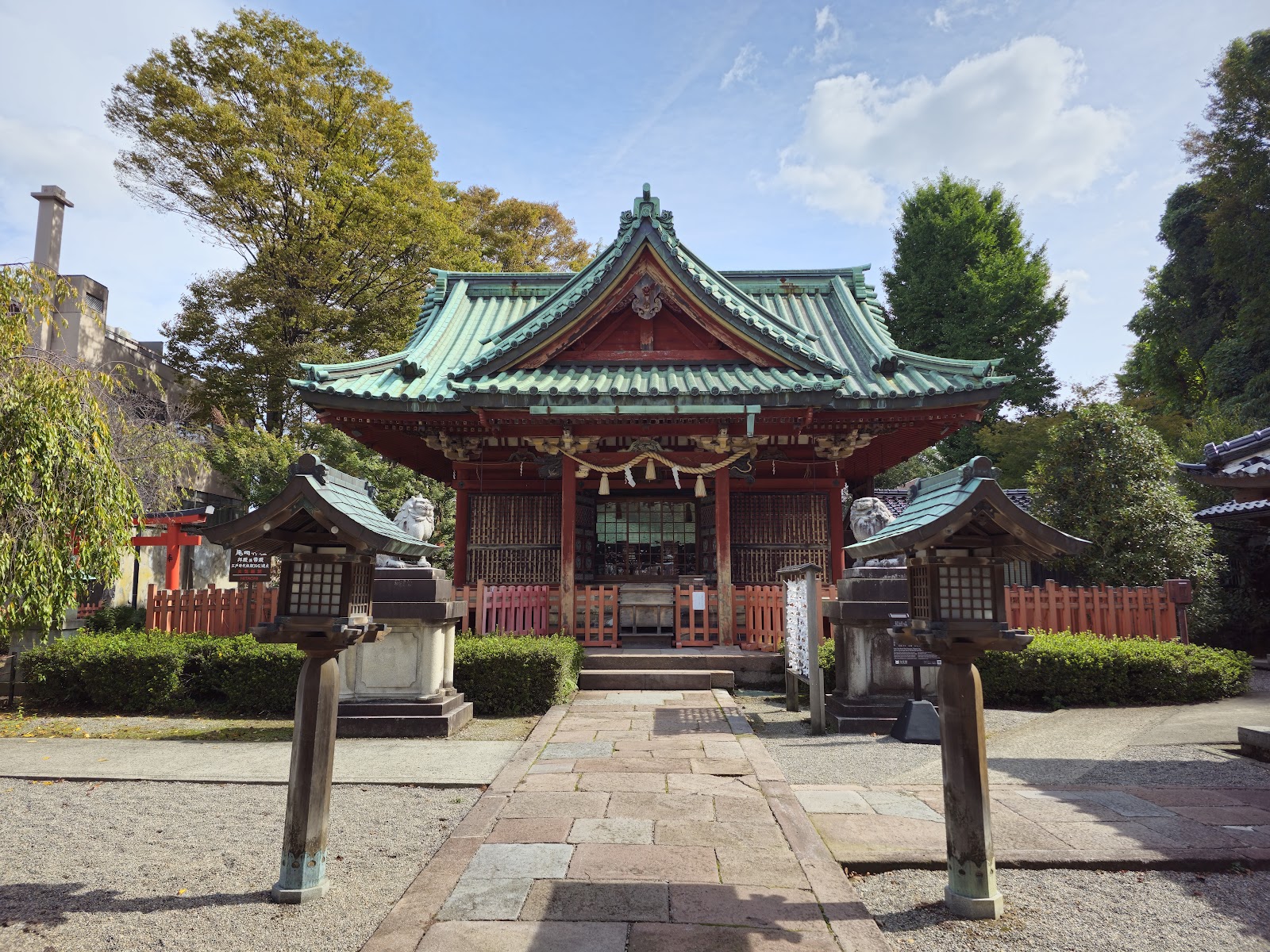
A jewel-box shrine of brilliant vermilion lacquer and fine carving, built in 1643 and often called the Toshogu of Kanazawa.
Said to be Kanazawa's oldest shrine, with a photogenic tunnel of vermilion torii and a reputation for matchmaking, right beside Kenroku-en.
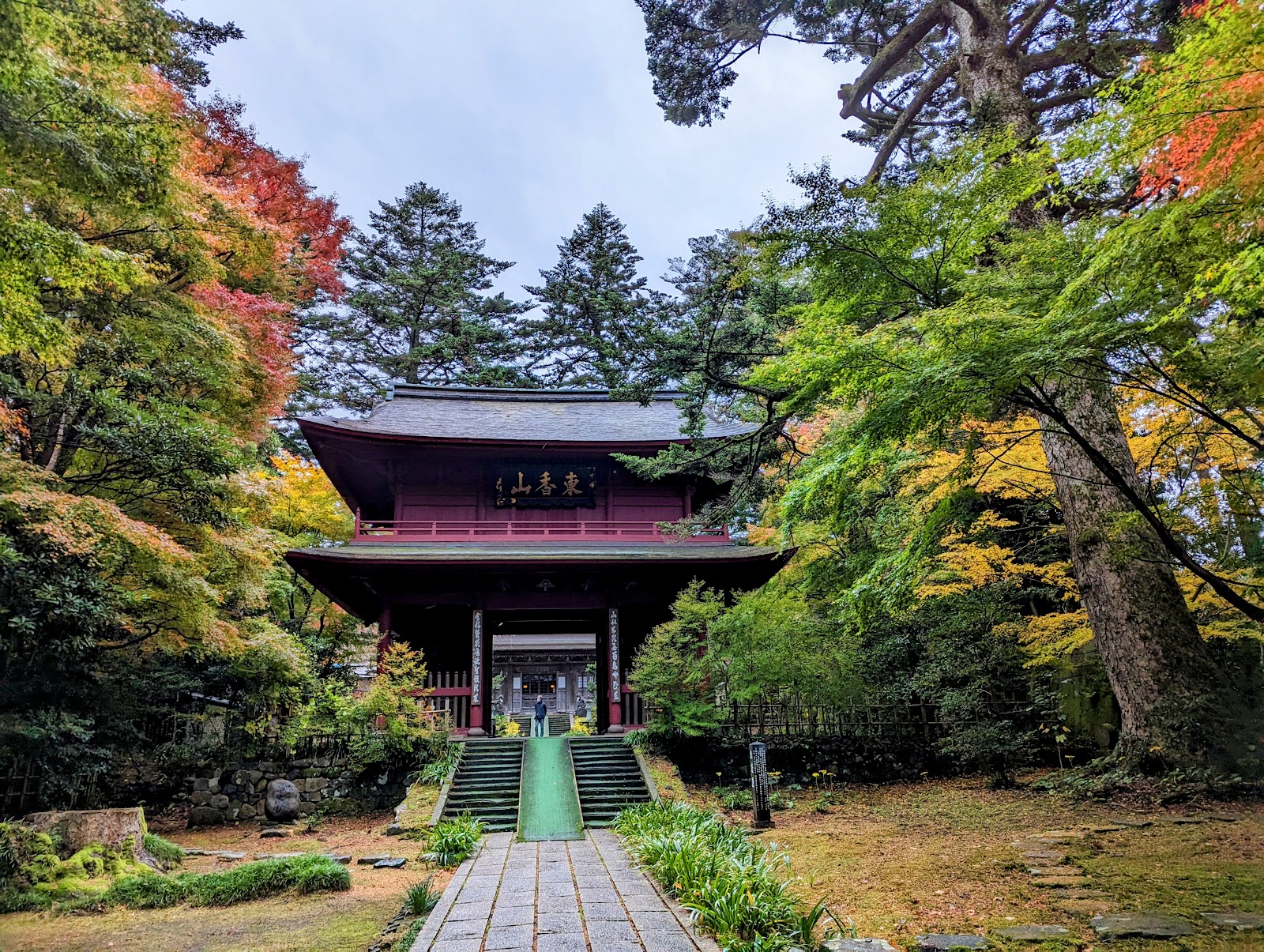
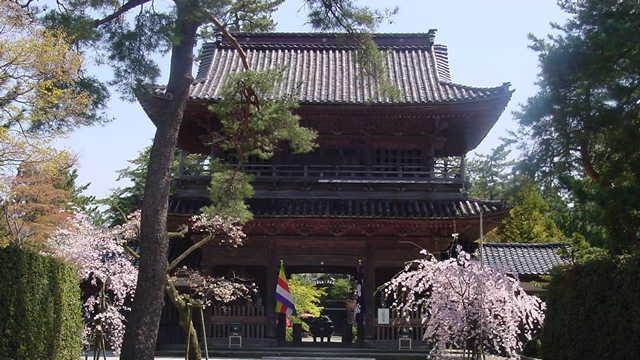
A working Soto Zen training monastery in southern Kanazawa, austere and authentic, where visitors can join monks for morning meditation.
A serene Maeda family temple built for a beloved princess, famous for its garden and its karakuri puppet retelling of her life.
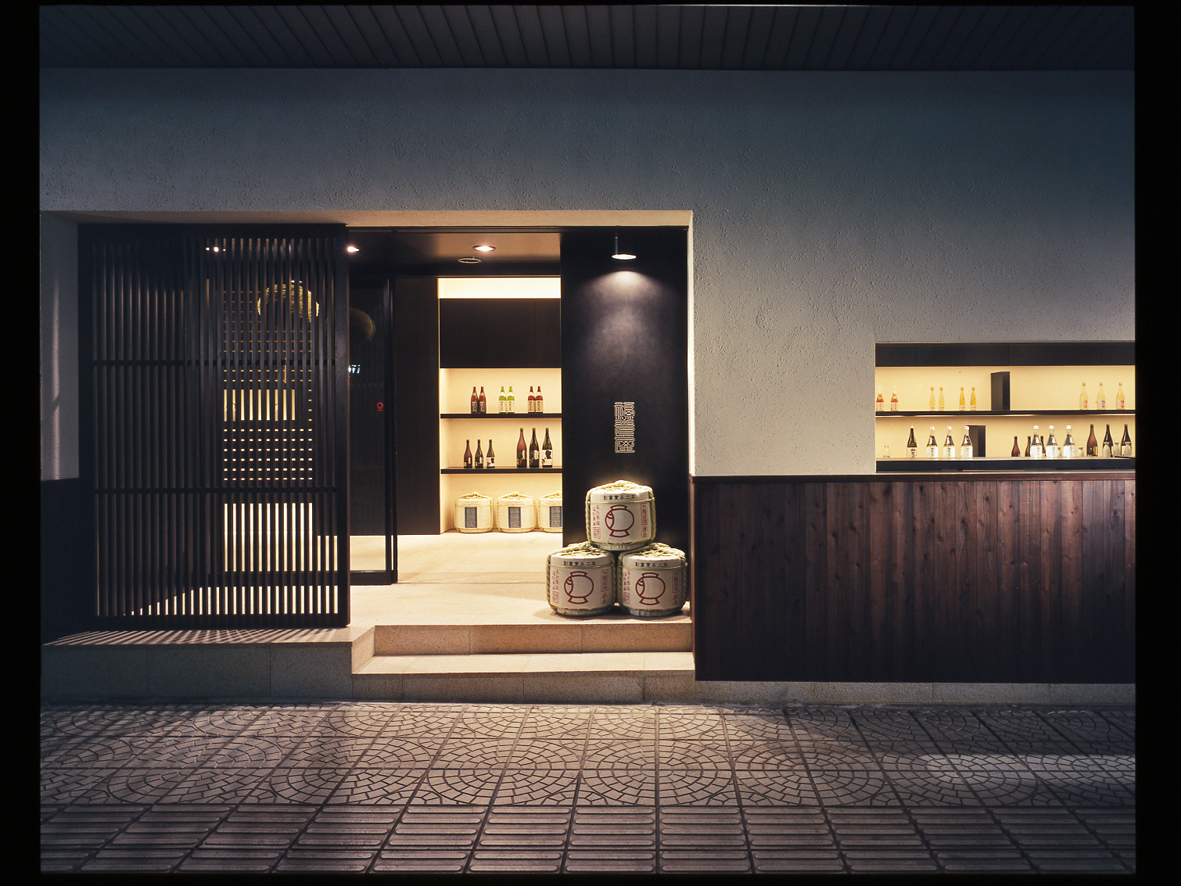
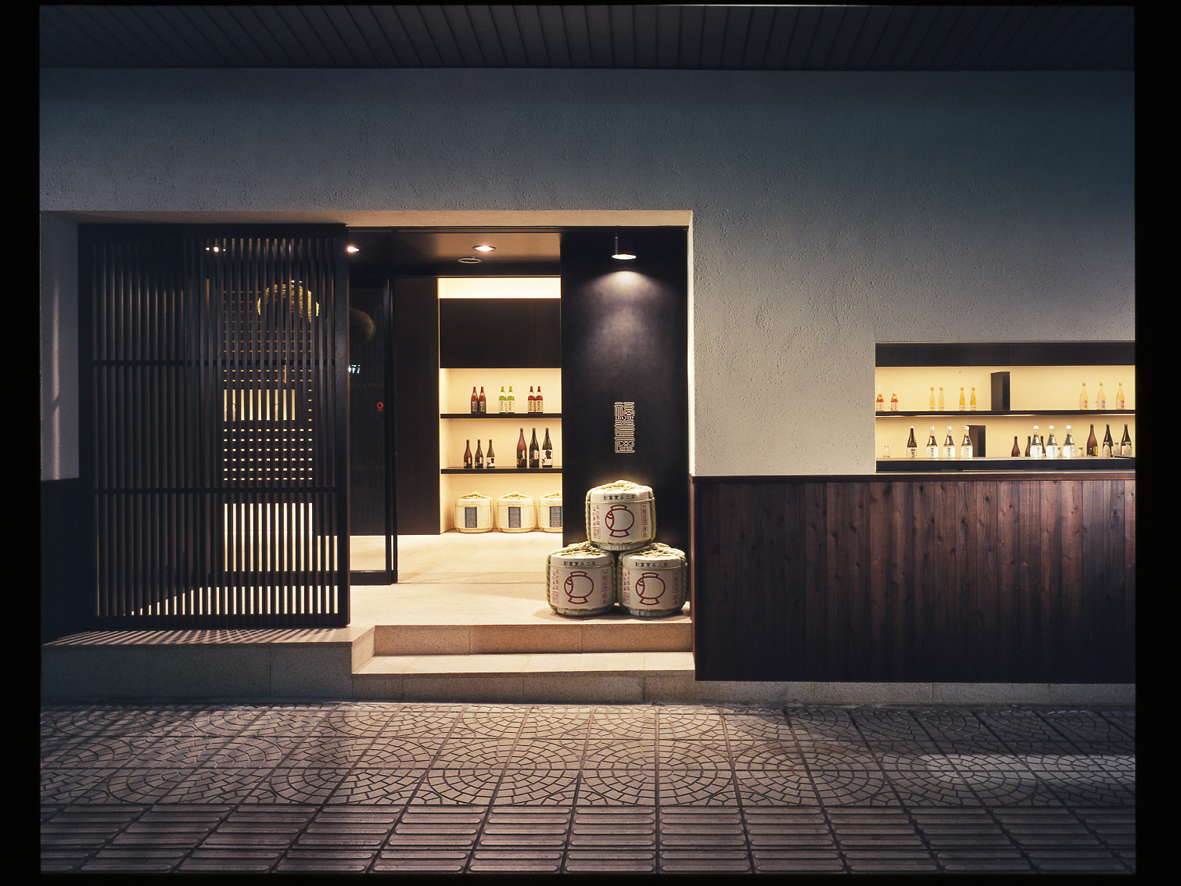
Kanazawa's oldest sake brewery, making pure Junmai since 1625, with year-round tastings and winter cellar tours.
The oldest sake brewery in Ishikawa, brewing 'Kagatsuru' since 1583 in a designated Cultural Property building.