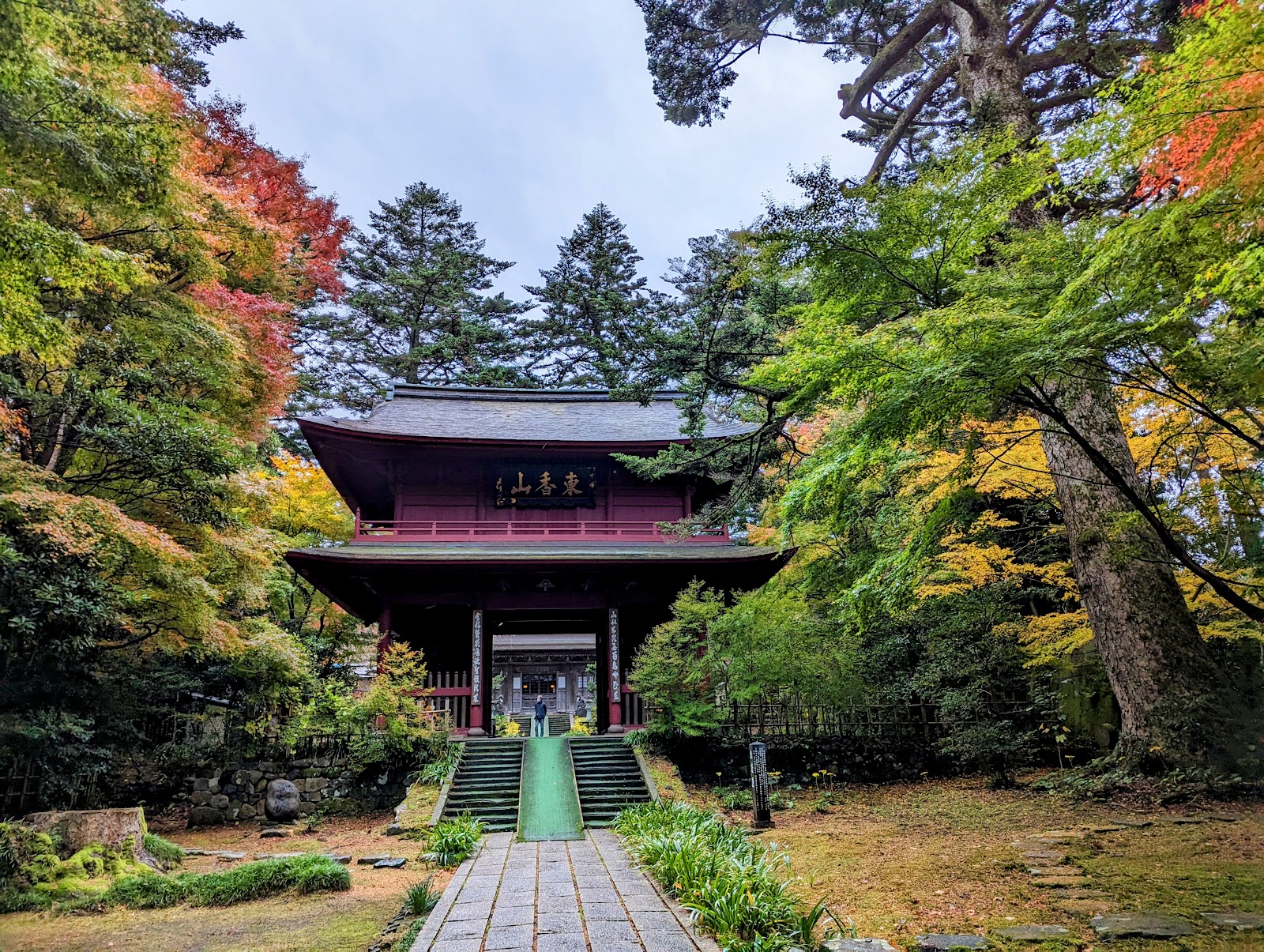
A working Soto Zen training monastery in southern Kanazawa, austere and authentic, where visitors can join monks for morning meditation.
Daijoji is one of the most important Zen temples in the Hokuriku region and offers a very different experience from Kanazawa's more ornamental shrines and gardens. This is a working Soto Zen training monastery, austere and disciplined, where monks still live, study and practise. For travellers seeking something quieter and more spiritually grounded, a visit here - and especially participation in its meditation sessions - is a highlight.
The temple's roots run deep. Daijoji was originally founded in the late thirteenth century by Tettsu Gikai, an influential early master in the Soto Zen lineage descended from Dogen, the school's founder. Over the centuries the temple moved and was rebuilt more than once before settling in its present location in the Nagasaka district on the southern side of Kanazawa. It is historically significant as a training temple that helped shape the Soto tradition, and it maintains that role today rather than existing simply as a monument.
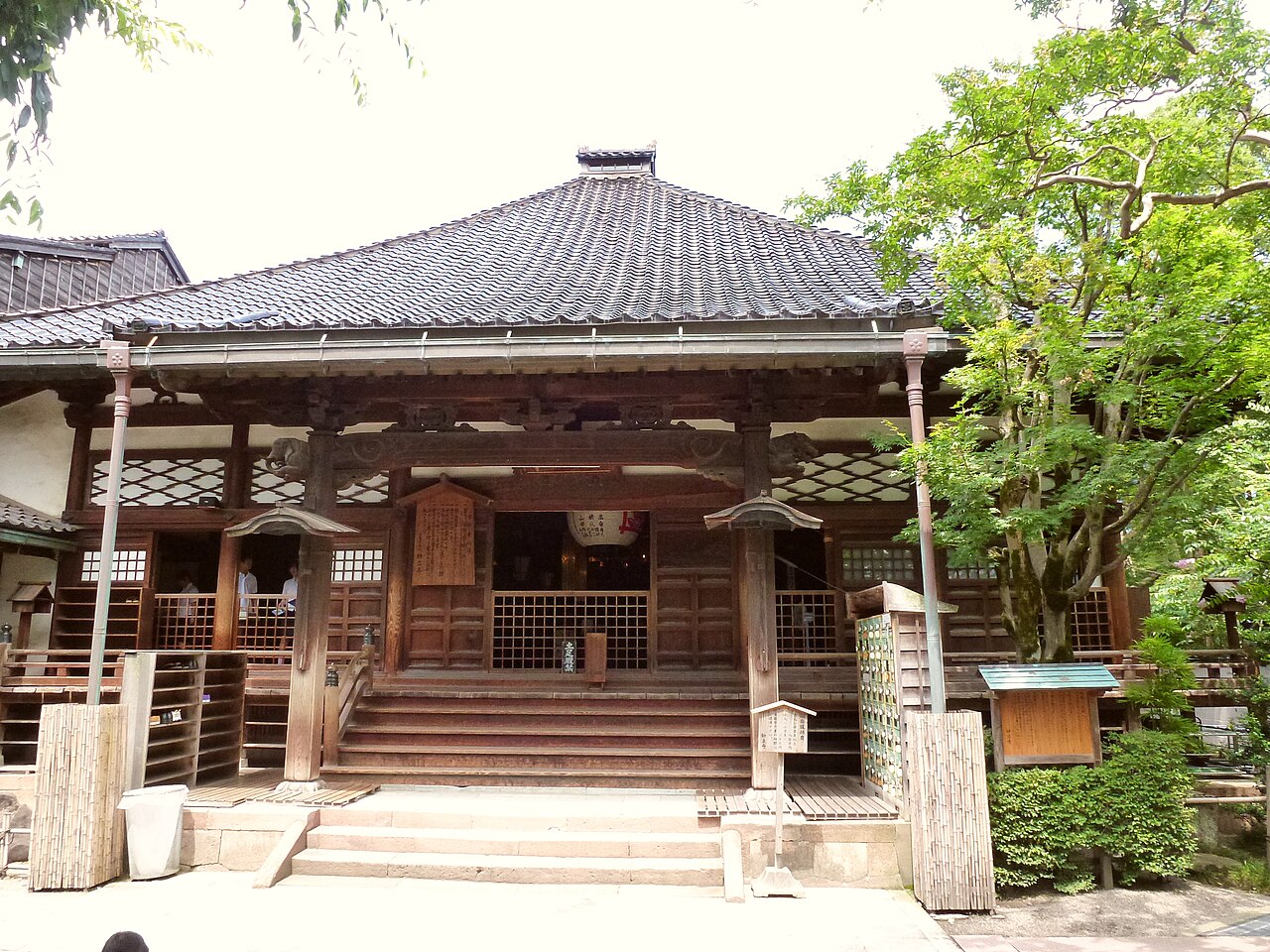
Architecturally, Daijoji reflects Zen ideals of restraint and order. The buildings are arranged according to the traditional layout of a training monastery, with a main hall, meditation hall, and monks' quarters set among trees, and the aesthetic is deliberately plain - dark wood, tatami, swept gravel and green shade rather than gold and colour. The atmosphere is calm and serious, and visitors are asked to respect the ongoing practice of the resident community.
What makes Daijoji special is the chance to take part rather than merely observe. The temple welcomes visitors to join zazen, seated Zen meditation, typically in the early morning, giving a rare and authentic window into monastic practice. Sitting in silence in the meditation hall, following the breath under a monk's guidance, is a memorable counterpoint to sightseeing, and it connects visitors to the same discipline that has been practised here for centuries. A notable point is that Daijoji is closely associated with the codification of Soto Zen monastic conduct, making it a place of real doctrinal importance, not just local interest.
The visiting experience requires a little more effort and planning than the central attractions. The temple lies away from the main tourist trail, so it is best reached by bus or taxi, and joining a meditation session usually requires calling ahead. The grounds involve some steps and gravel paths, so mobility-limited visitors should plan accordingly. A modest admission fee supports the temple's upkeep. Because it is a functioning monastery, quiet respectful behaviour is essential.
Seasons bring subtle beauty: fresh green in early summer, and glowing maples in autumn that suit the temple's contemplative mood. Daijoji pairs well with a broader exploration of southern Kanazawa, and it rewards travellers willing to venture beyond the obvious sights in search of a genuine encounter with living Zen. From central Kanazawa, allow extra time for the journey, and confirm meditation timings in advance to make the most of the visit.
A local's tip
Call ahead to join a morning zazen meditation session - Daijoji is a working Zen training monastery, so sitting with the monks is a far richer experience than a quick look around.
Best time to visit
Early morning for zazen; autumn for the temple's maples
Getting there
Daijoji is in the Nagasaka area of southern Kanazawa, a little away from the central sights. Take a bus toward Nomachi / Nagasaka from Kanazawa Station or Korinbo and alight near the temple, then walk a few minutes uphill. A taxi from the centre takes around 15-20 minutes.
Good to know
- Restrooms
- Meditation
Plan the whole trip offline
Daijoji Temple is one of many places in the Real Japan app — with turn-by-turn directions, nearby spots and full offline maps you can use with no signal.