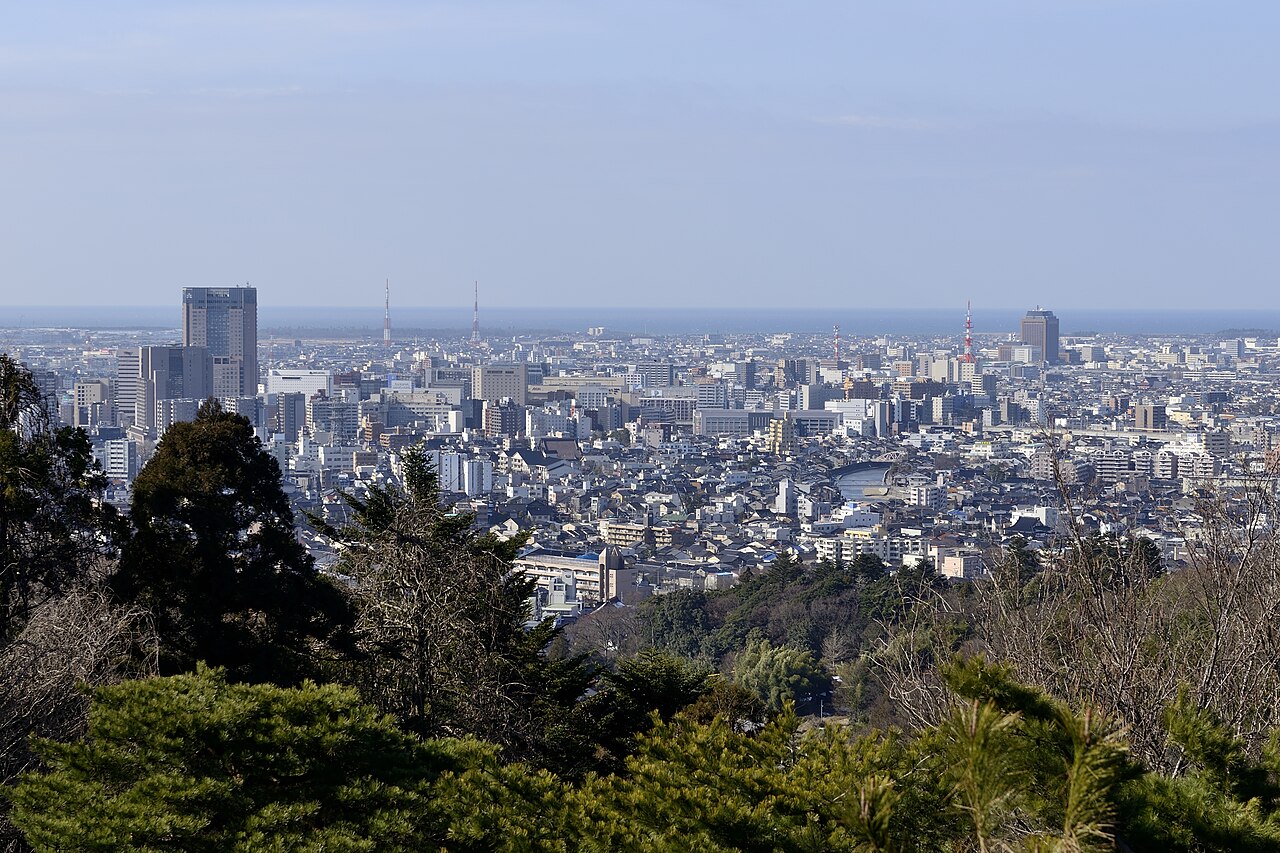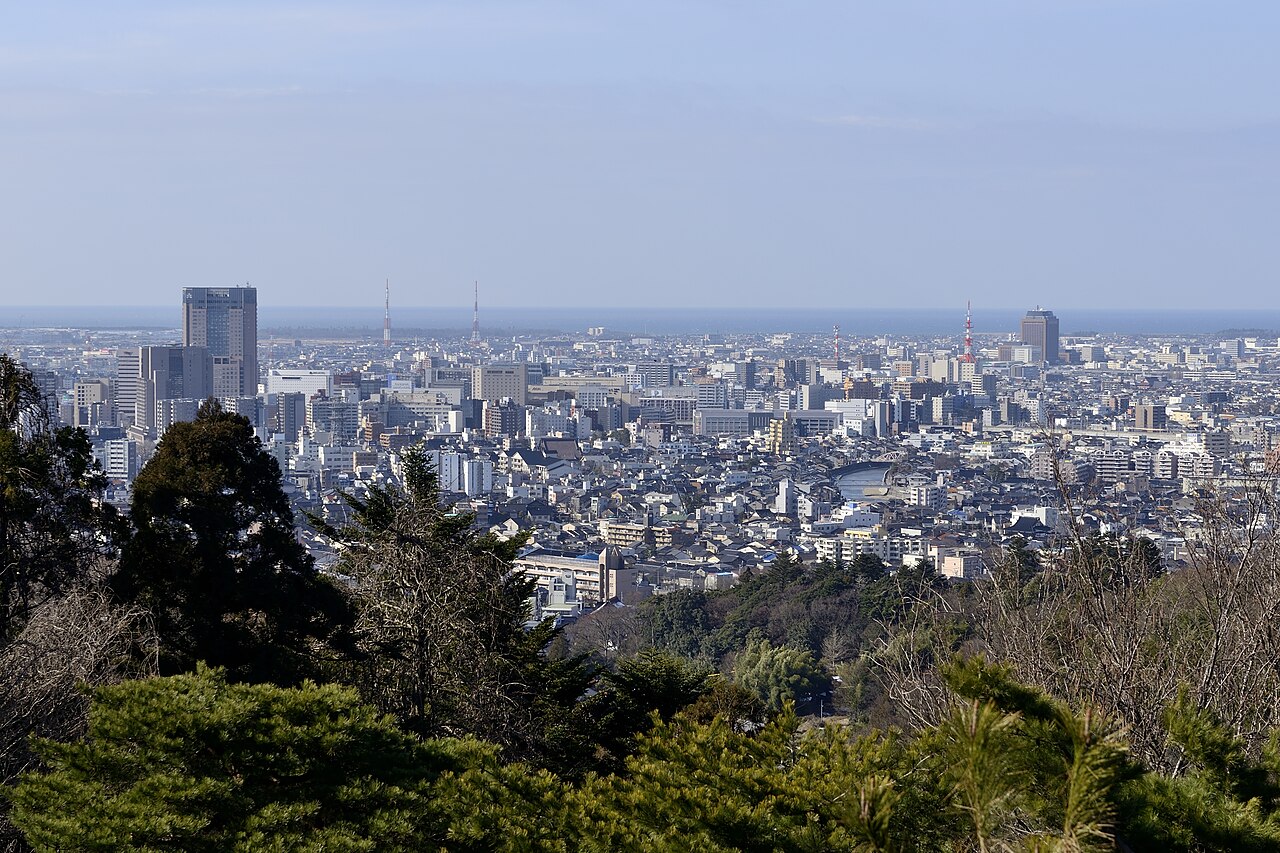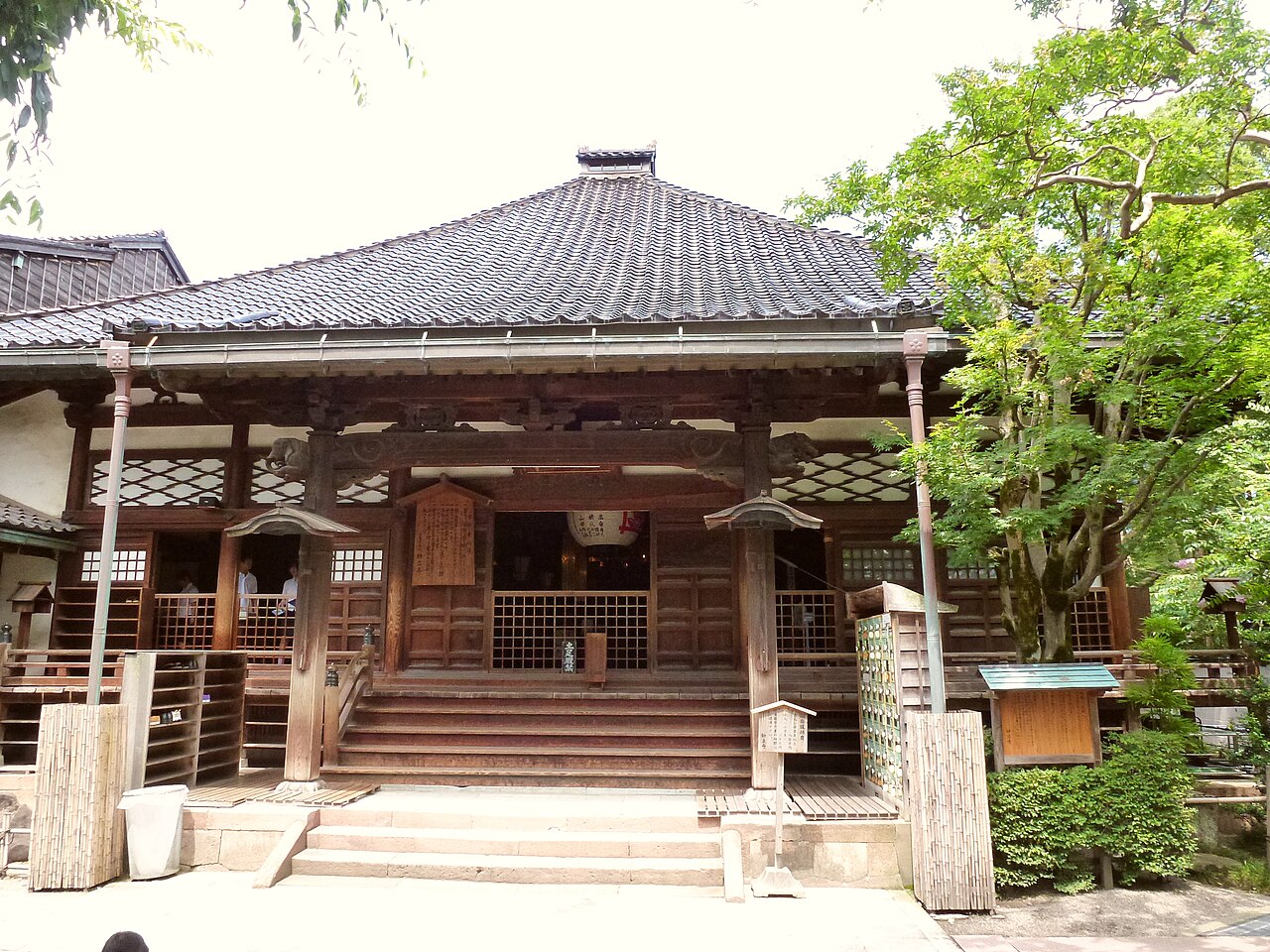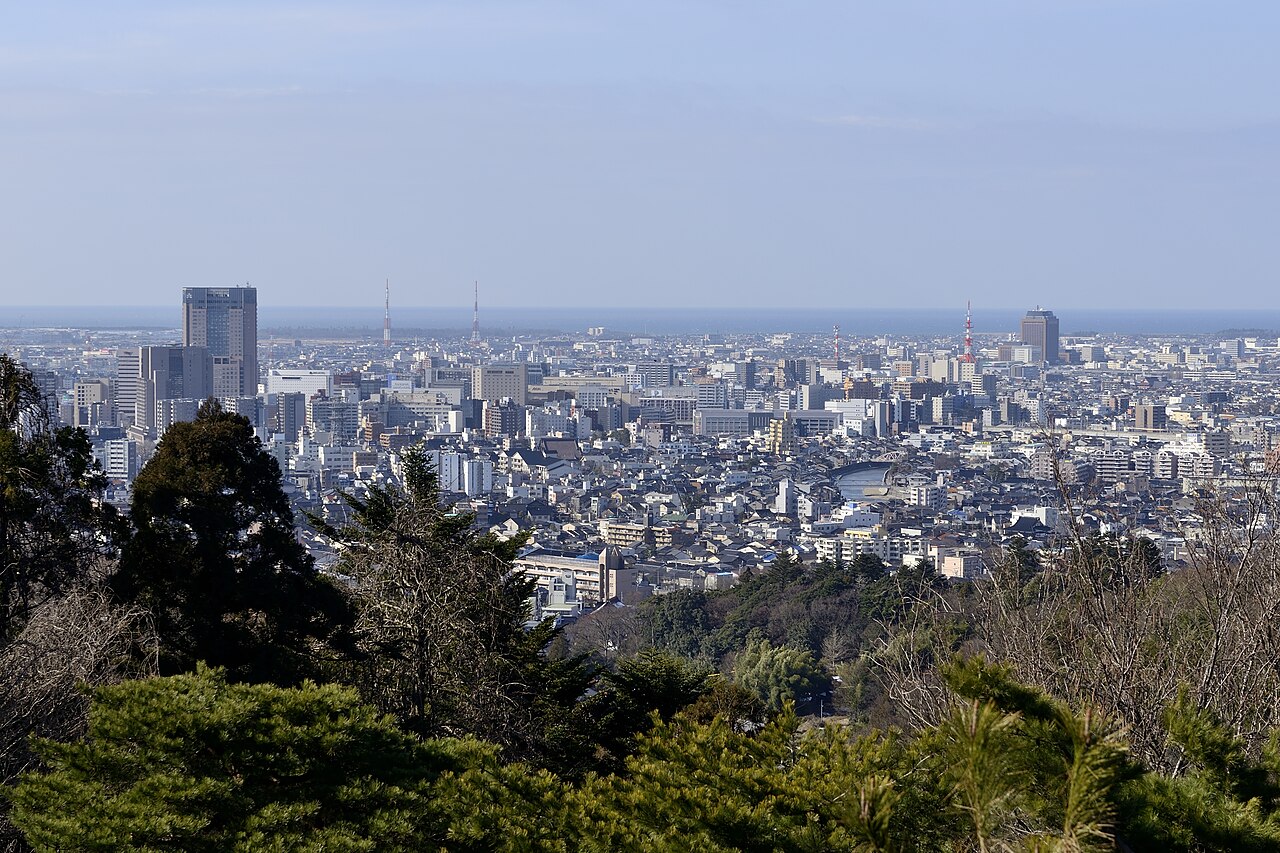
A hillside quarter of some seventy Buddhist temples south of the Sai River, home to the celebrated Ninja Temple, Myoryu-ji.
The Teramachi Temple District (Teramachi, literally temple town) is a quiet residential quarter on the hills south of the Sai River where roughly seventy Buddhist temples stand clustered within a few blocks, an extraordinary concentration found in few other Japanese cities. The grouping was not accidental. In the early Edo period the Maeda lords deliberately relocated temples from across their domain to this southern edge of Kanazawa, where their walled compounds and warren of lanes could serve as a defensive buffer guarding the approach to the castle. The result today is a peaceful, largely untouristed neighbourhood of tiled gates, mossy graveyards, and temple bells, best explored slowly on foot.
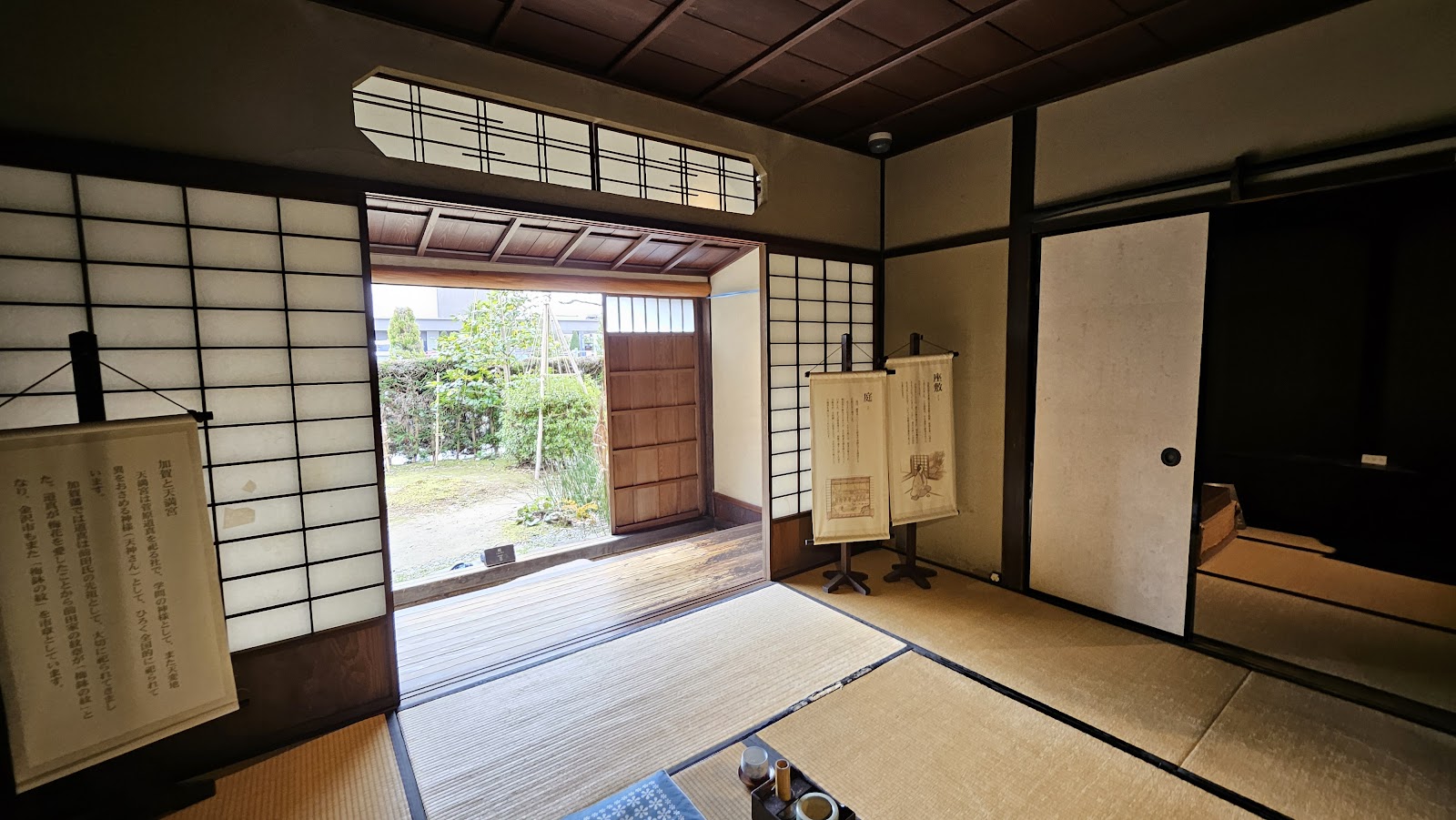
The district's star attraction is Myoryu-ji, universally known as the Ninja Temple (Ninja-dera), a Nichiren-sect temple completed in 1643 under Maeda Toshitsune. Despite its nickname it has no connection to ninja; the name comes from its remarkable array of defensive tricks. From outside the building appears to be two storeys, but inside it conceals four storeys and seven internal layers, linked by twenty-nine staircases and riddled with hidden rooms, concealed passages, trapdoors, and a lookout tower. A donation box at the entrance doubles as a pit trap, and a deep well in the interior is rumoured, though unproven, to connect via a tunnel to Kanazawa Castle. Because the interior is genuinely maze-like, Myoryu-ji can only be visited on a guided tour, and reservations are required in advance.
Beyond the Ninja Temple, Teramachi rewards aimless wandering among its dozens of lesser-known temples, each with its own gate, garden, and quiet courtyard, and the neighbouring Nomachi area preserves some fine old machiya townhouses. The Nishi Chaya geisha district sits at the district's northern edge, so the two combine easily into a single half-day on foot. A small Ninja weapon and history museum near Myoryu-ji adds context for those intrigued by the temple's defensive design.
The district is flat to gently sloping and easy to walk, though it is spread out and its charm lies in covering ground slowly; comfortable shoes help. Most temples are working religious sites rather than ticketed attractions, so visitors should be respectful, keep noise down, and avoid disturbing services or entering private living quarters. The Myoryu-ji tour involves steep, narrow staircases and is conducted in Japanese, with printed English guides provided.
Teramachi is pleasant year-round, with spring and autumn bringing colour to the temple gardens and the quietest, most contemplative atmosphere found on weekday mornings. From Kanazawa Station a Nomachi-bound Hokutetsu bus reaches the district in about 15 minutes, or it is a longer walk of around half an hour that crosses the Sai River; pair it with the adjacent Nishi Chaya teahouse lane for a rewarding, crowd-free afternoon.
A local's tip
Myoryu-ji, the Ninja Temple, can only be seen on a guided tour and must be booked in advance by phone; go early and reserve, because same-day walk-ins are frequently turned away, especially in high season.
Best time to visit
Morning; reserve the Ninja Temple tour ahead
Getting there
From Kanazawa Station take a Hokutetsu bus toward Nomachi and alight at Hirokoji (about 15 min), then walk a few minutes south across the Sai River area into the temple district. Myoryu-ji is a short walk from the Nishi Chaya district.
Good to know
- Wi-Fi
- Parking
- Restrooms
Plan the whole trip offline
Teramachi Temple District is one of many places in the Real Japan app — with turn-by-turn directions, nearby spots and full offline maps you can use with no signal.