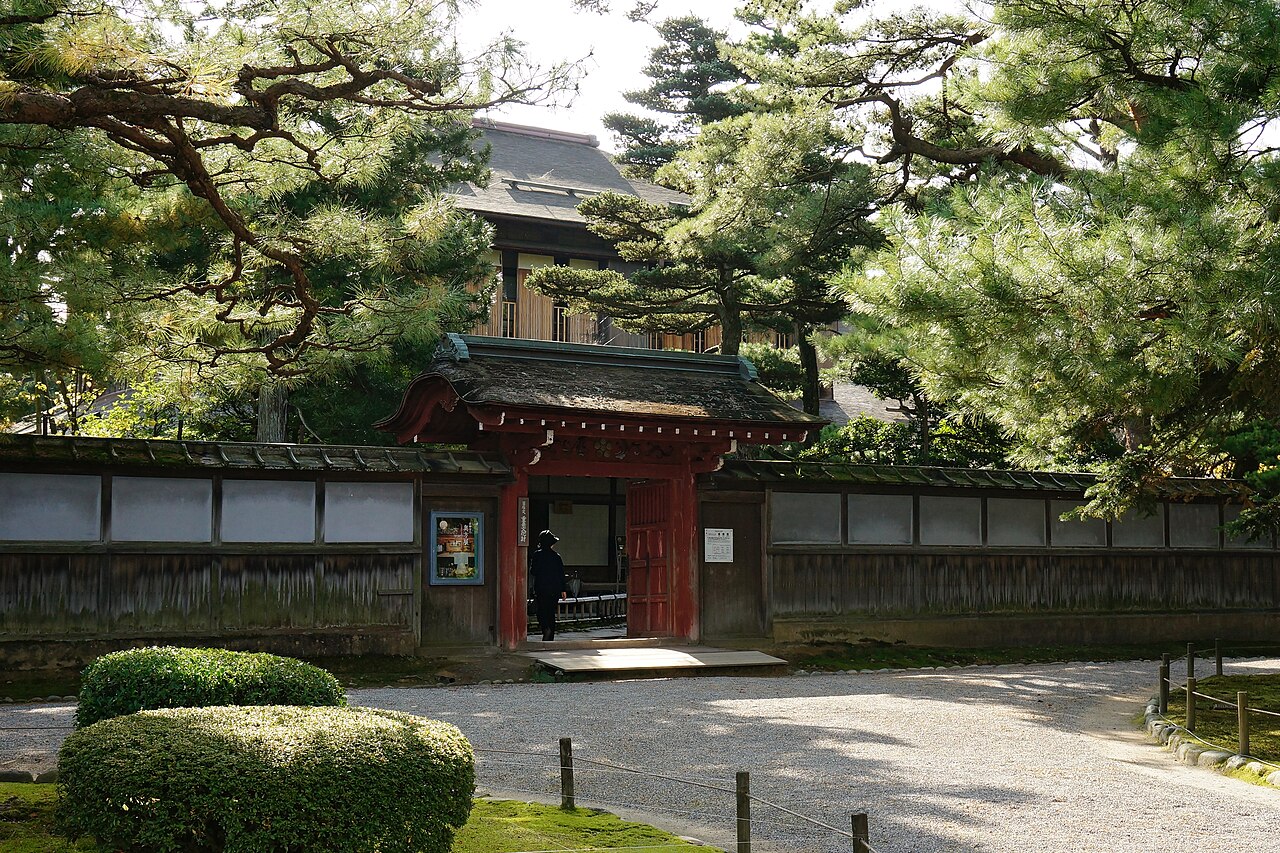
An elegant 1863 Maeda-family retirement villa with two intimate gardens and startlingly modern interiors, at the edge of Kenroku-en.
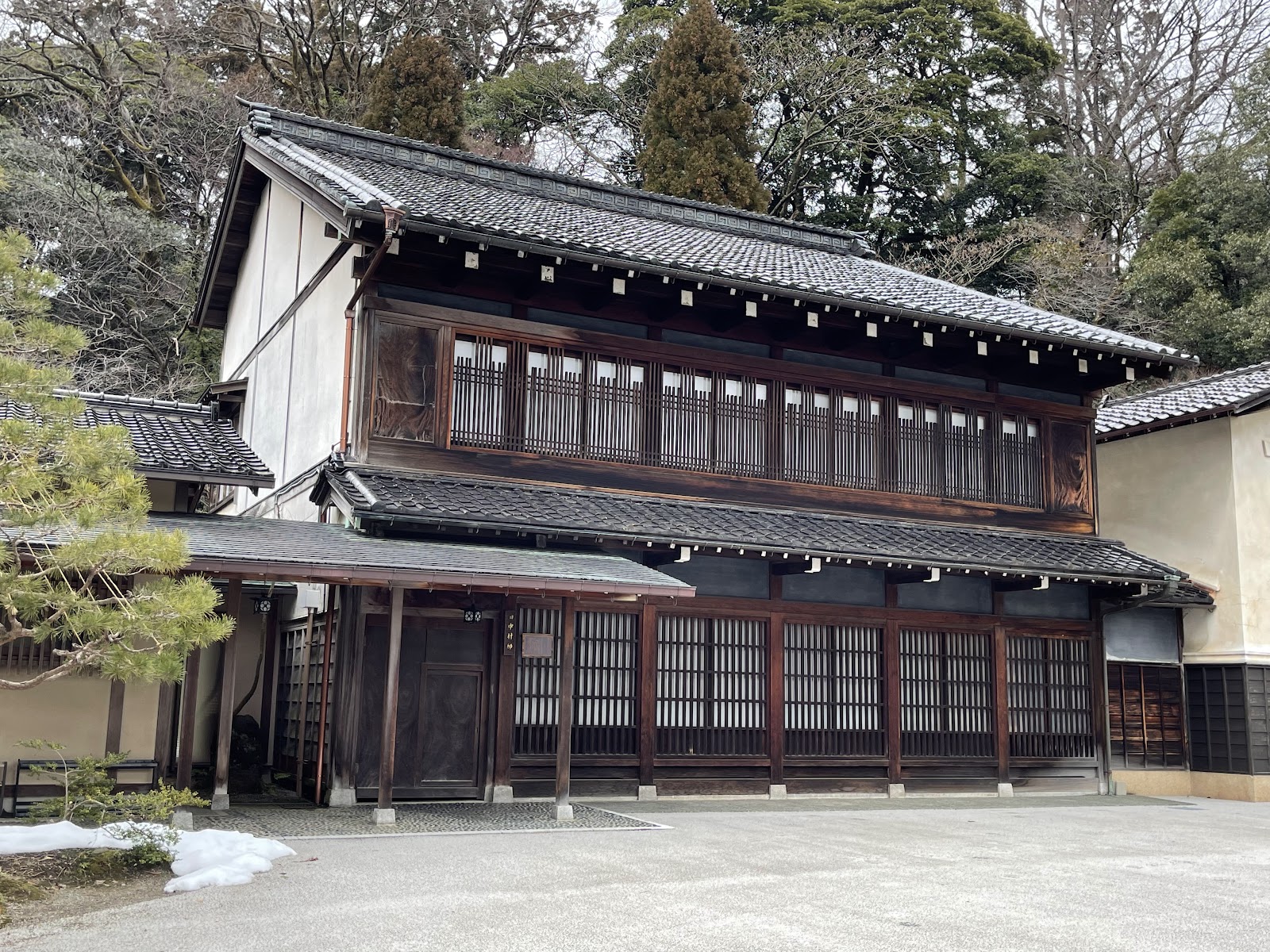
At the southeastern edge of Kenroku-en stands Seisonkaku, one of the most refined pieces of samurai-era domestic architecture surviving in Japan and a designated Important Cultural Property. Though its two gardens are modest in size, they are inseparable from the villa itself—designed to be seen from within its tatami rooms—and together they make Seisonkaku an essential stop on any garden-lover's tour of Kanazawa.
The villa was built in 1863 by Maeda Nariyasu, the thirteenth lord of the Kaga domain, as a graceful retirement residence for his mother, the dowager Shinryu-in. Constructed at the height of Kaga's wealth and just a few years before the feudal system was abolished, it represents the last flowering of daimyo domestic taste, blending formal shoin-style rooms downstairs with lighter, more playful sukiya-style rooms above. Unusually for a building of its rank, it survives largely intact, offering a rare window into how the highest ranks of samurai society actually lived.
The interiors are the surprise. Alongside the expected fine woodwork, painted sliding doors and coffered ceilings are rooms of astonishing colour and imported material. The famous Gunjo no Ma, or Ultramarine Room, is finished in a vivid imported blue pigment, while other rooms incorporate Dutch stained glass, Chinese-inspired motifs and delicate carved transoms depicting flowers, birds and turtles. For a building completed in 1863, the confidence and cosmopolitan flair of the decoration feel remarkably modern.
The gardens are designed as extensions of these rooms. The Tsukushi-no-Niwa and the inner garden are viewed from the villa's tatami spaces rather than walked through in the manner of a large strolling garden, and their carefully composed stones, water basins, plantings and moss shift with the seasons to frame each interior like a living scroll. This intimate relationship between building and garden—architecture and nature composed as a single artwork—is precisely what makes Seisonkaku special, and it rewards slow, seated contemplation rather than a brisk walk-through.
Allow around fifty minutes to explore the villa and absorb its gardens; visitors remove their shoes and move quietly through the rooms, and photography is restricted in parts to protect the interiors. The villa is closed on Wednesdays. Its position immediately beside Kenroku-en makes it effortless to combine, and the contrast is illuminating—from the grand public garden of the lords to the private, jewel-like world of a single retired noblewoman.
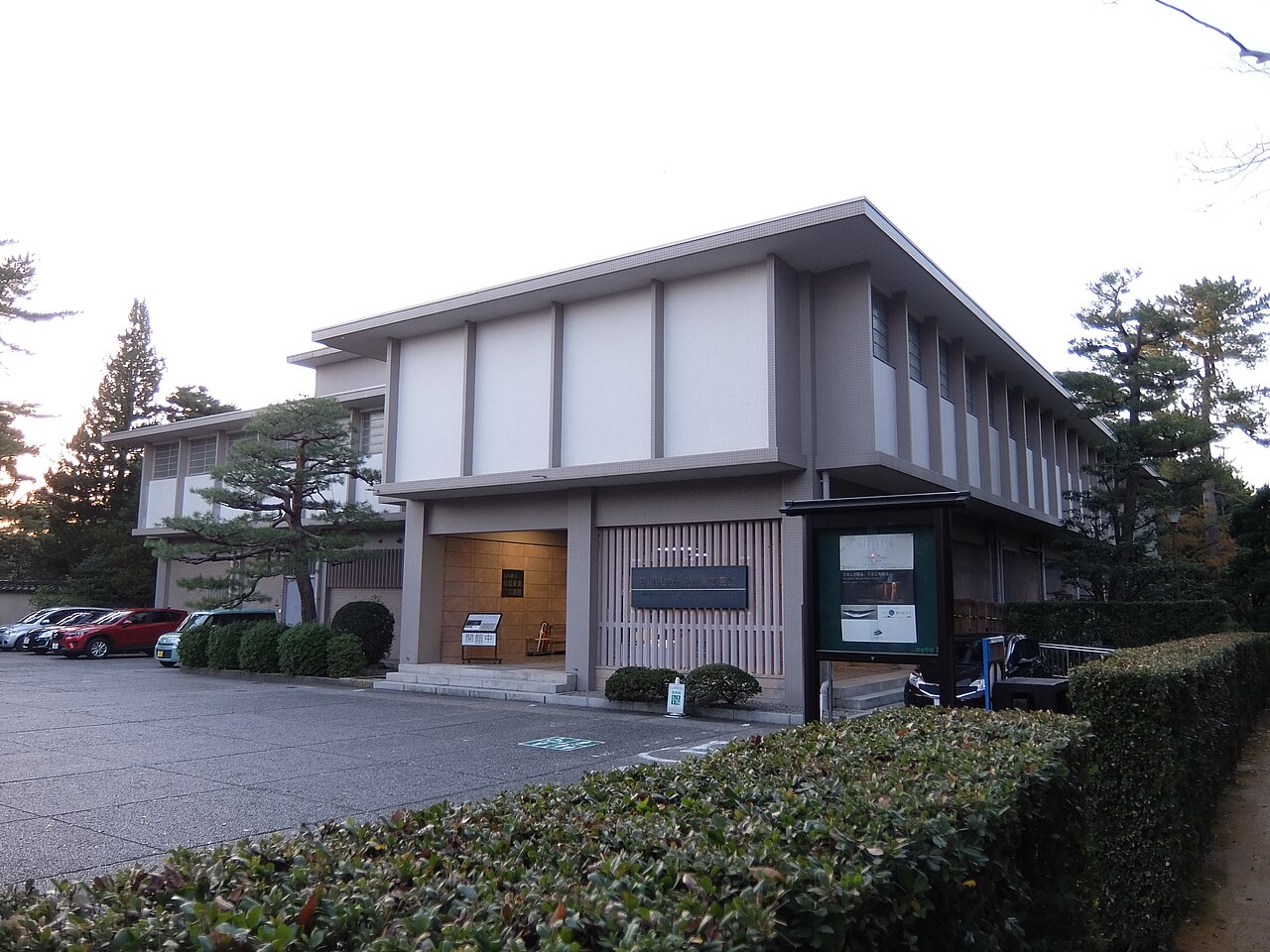
Getting there is simple: from Kanazawa Station take the Kanazawa Loop Bus to Kenrokuen-shita, then walk to Kenroku-en and exit toward the Ishikawa Prefectural Museum, where Seisonkaku sits alongside. Together with Kenroku-en, Gyokusen-en and the castle park it completes a compact and deeply satisfying day among the gardens and residences of the Maeda domain.
A local's tip
Look up: the Gunjo no Ma upstairs room has a ceiling and shutters finished in imported ultramarine and Dutch-glass panels—astonishingly modern colour for 1863—and the villa's garden is best viewed from these tatami rooms exactly as the dowager who lived here intended.
Best time to visit
Any season; the garden frames each equally well
Getting there
At the southeastern edge of Kenroku-en, beside the Ishikawa Prefectural Museum. From Kanazawa Station take the Loop Bus to Kenrokuen-shita; the villa is a short walk from Kenroku-en's Zuishin-zaka or Kodatsuno exits.
Good to know
- Gift shop
- Restrooms
- Wheelchair access
Plan the whole trip offline
Seisonkaku Villa Garden is one of many places in the Real Japan app — with turn-by-turn directions, nearby spots and full offline maps you can use with no signal.