A leafy woodland park below Kenroku-en that links Kanazawa's cluster of museums with shaded paths and mature trees.
Immediately south of Kenroku-en, where the castle heights slope down toward the city, lies Honda no Mori—literally "Honda's forest"—a quiet wooded park that most visitors pass through without realising it has a name or a history. Yet this leafy green space is one of the most pleasant links in Kanazawa's cultural district and a genuine oasis on a busy day of sightseeing.
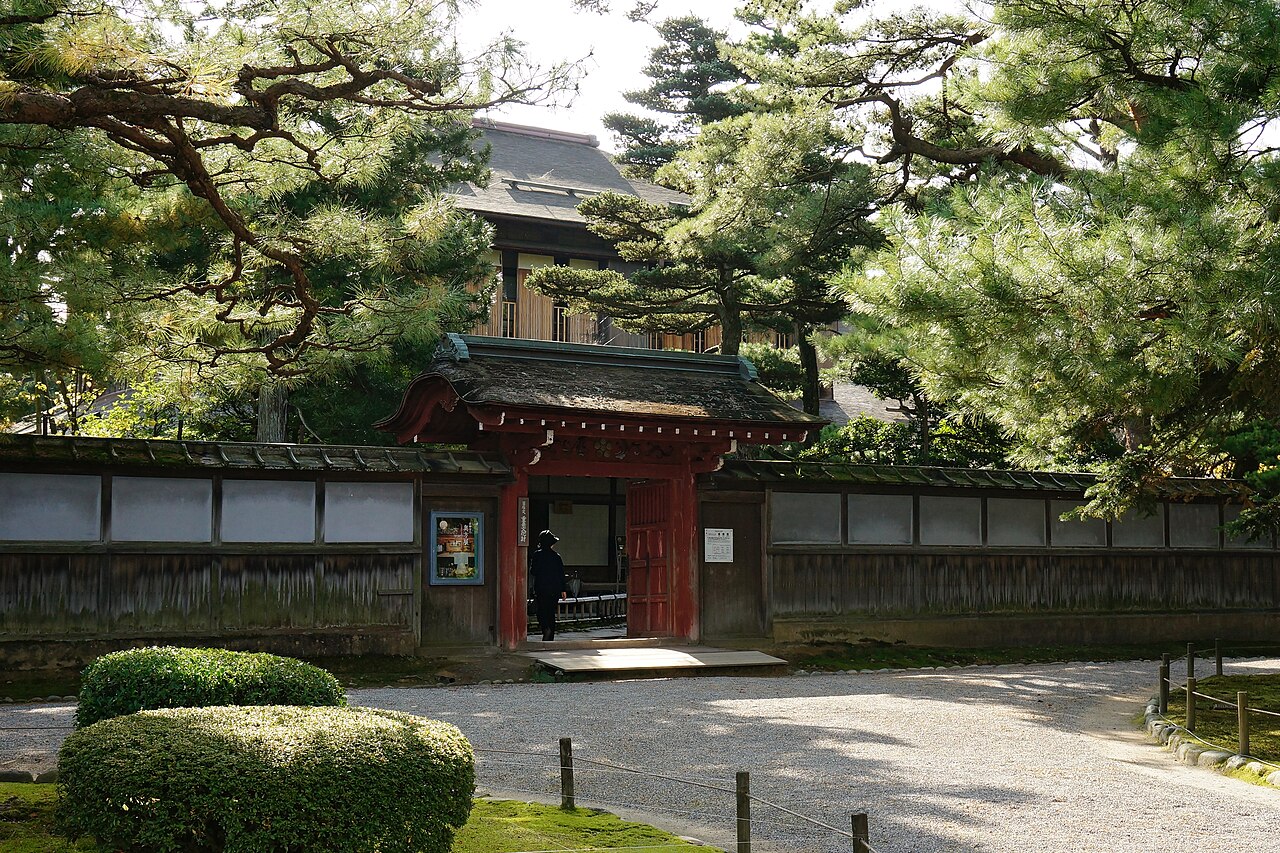
The park takes its name from the Honda family, the highest-ranking retainers of the Maeda lords of the Kaga domain, whose extensive residence and grounds once occupied this hillside below the castle. Where samurai mansions and gardens once stood, mature trees now rise over gently graded paths, and the sense of an old, established landscape persists in the size and character of the plantings. Rather than a manicured formal garden, Honda no Mori is a naturalistic wooded park—closer in spirit to a European city forest than to the composed perfection of Kenroku-en just above it—and that contrast is part of its charm.
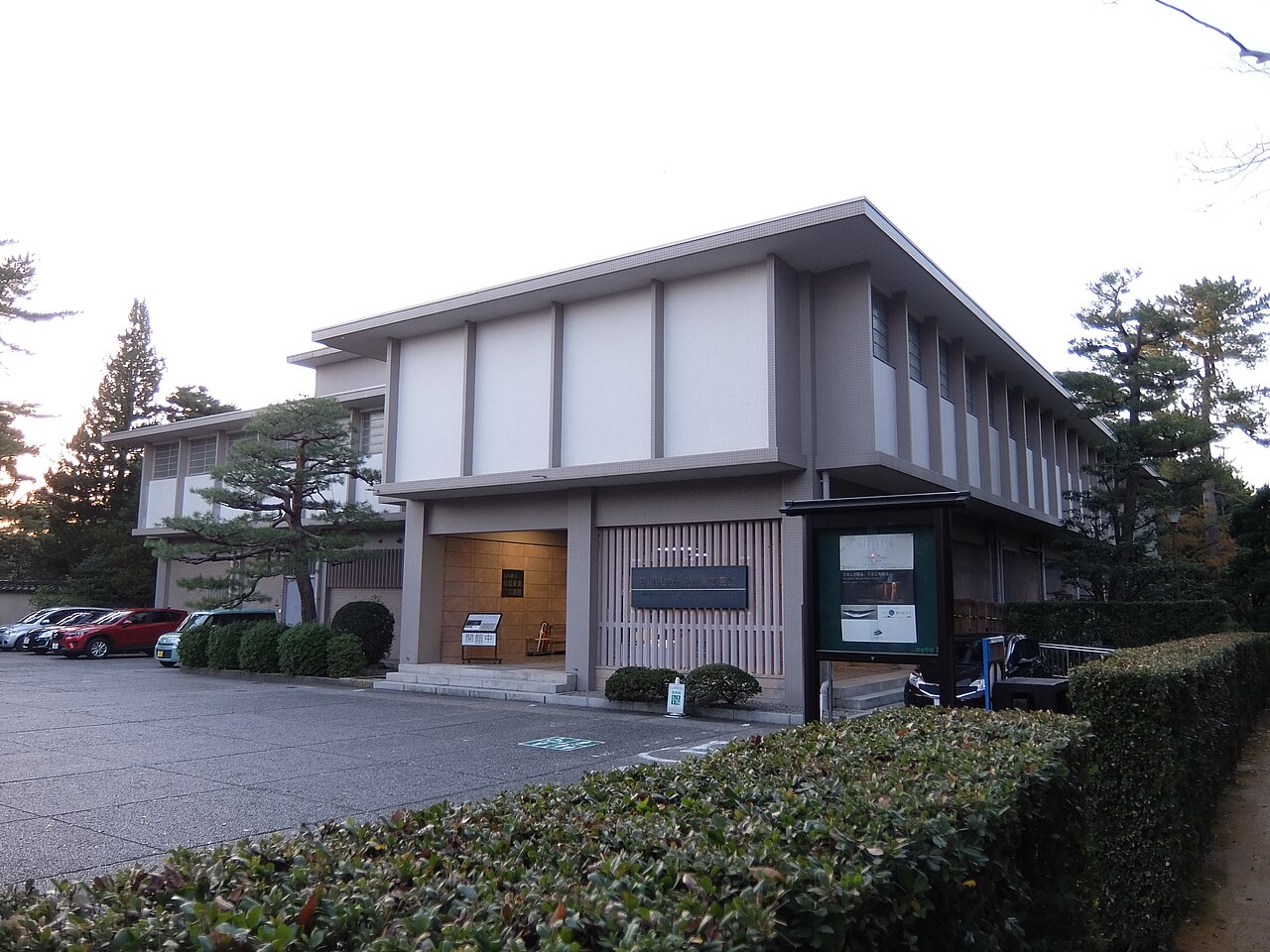
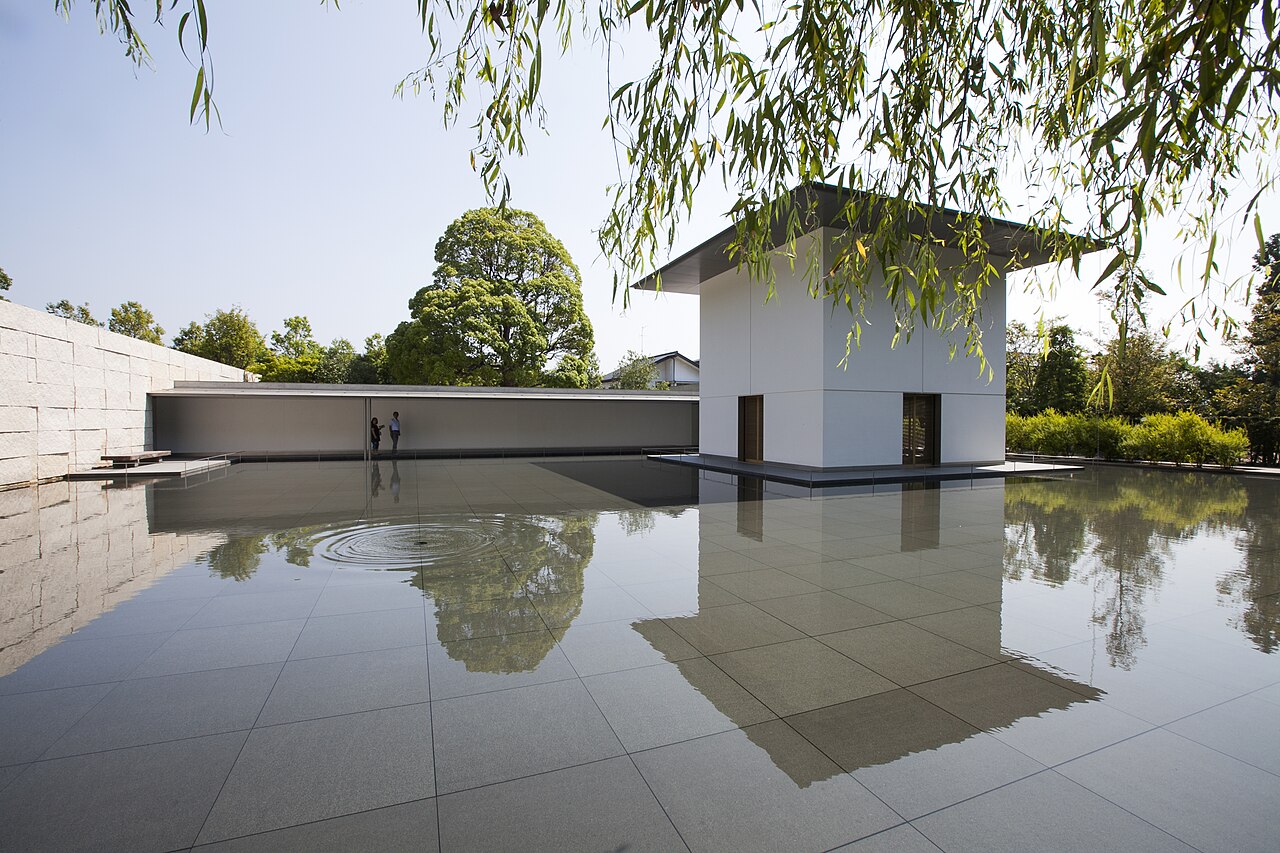
What makes the park especially useful is its position at the heart of Kanazawa's museum quarter. Its paths connect a remarkable concentration of institutions: the Ishikawa Prefectural Museum of Art, the Nakamura Memorial Museum, the Ishikawa Prefectural History Museum in its handsome red-brick former arsenal buildings, the Honda Museum housing the family's own treasures, and—a short walk on—the serene D.T. Suzuki Museum devoted to the Zen philosopher. Walking between these through the shaded green of Honda no Mori, rather than along traffic-filled streets, turns a museum-hopping afternoon into something far more relaxed.
The park itself invites a slower pace. Benches sit beneath the canopy, dappled light falls across the paths, and in autumn the mixed trees colour warmly while early summer brings vivid fresh green. Birdsong replaces traffic noise only a few minutes from Kenroku-en's gates, and the modest changes in elevation open occasional views across the plantings. It is the kind of place where residents walk dogs, students cut between classes and travellers pause to rest their feet between galleries.
Because it is a public park, entry is free and it is open at all hours, though it is best enjoyed in daylight. Allow around forty minutes if you want to stroll its paths properly, or simply use it as a green corridor between attractions. Paths are gentle and mostly accessible, with restrooms and benches along the way.
Getting there is effortless: from Kanazawa Station take the Kanazawa Loop Bus to the Hirosaka or Dewamachi stops and walk a few minutes, or approach directly from Kenroku-en's southern side. Honda no Mori works best not as a destination in itself but as the connective tissue of the cultural district—the shaded thread that ties together Kanazawa's gardens, museums and the quiet legacy of its greatest samurai family.
A local's tip
Use the park as a free, shaded shortcut between Kenroku-en and the D.T. Suzuki Museum—its wooded path links Kanazawa's cultural heavyweights, and the mature trees make it a cool refuge on a hot afternoon of sightseeing.
Best time to visit
Fresh green early summer; autumn foliage
Getting there
Just south of Kenroku-en, in the cluster of museums around the Ishikawa Prefectural Museum of Art and the Nakamura Memorial Museum. From Kanazawa Station take the Loop Bus to Hirosaka or Dewamachi and walk a few minutes.
Good to know
- Benches
- Restrooms
- Walking paths
Plan the whole trip offline
Honda no Mori Park is one of many places in the Real Japan app — with turn-by-turn directions, nearby spots and full offline maps you can use with no signal.