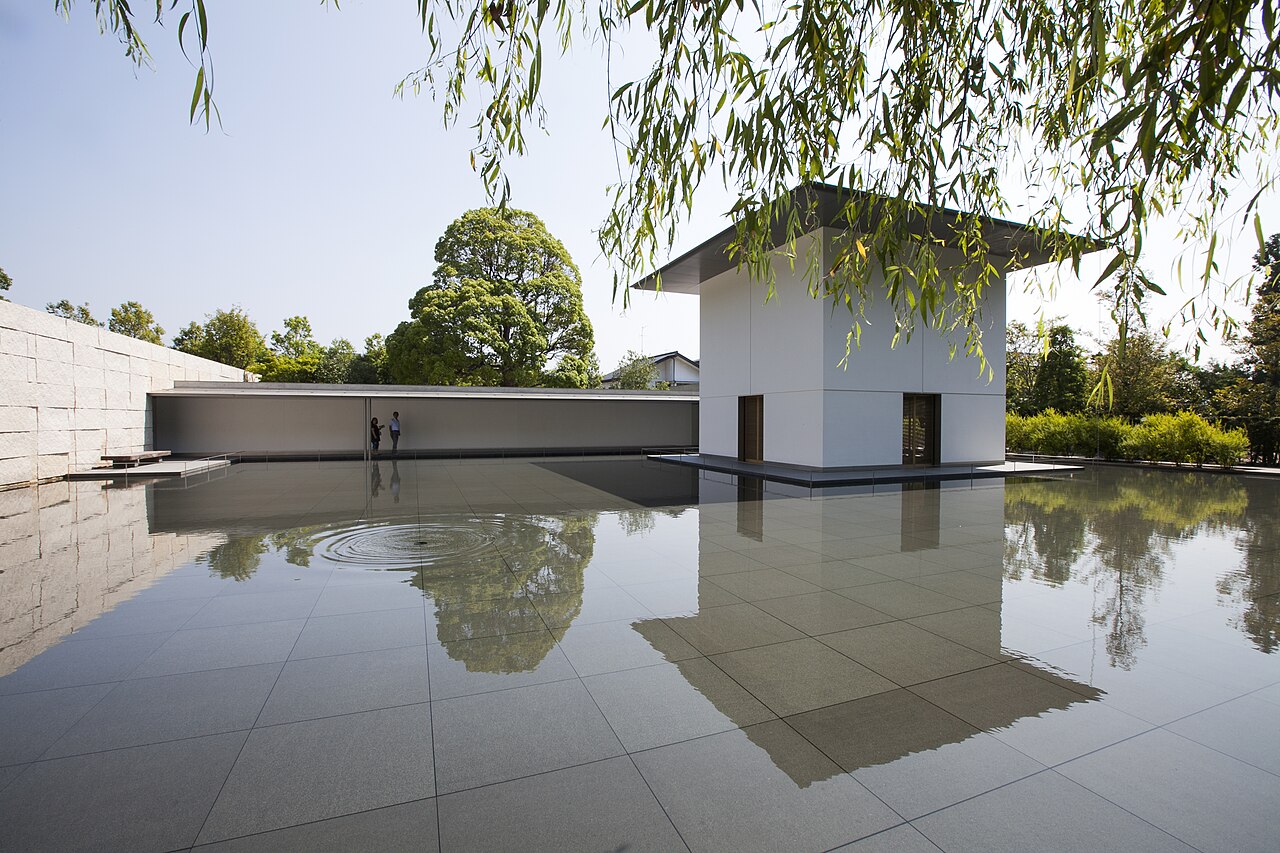
A serene minimalist museum to Zen philosopher D.T. Suzuki, built around a mirror-still water garden.
The D.T. Suzuki Museum honours Daisetz Teitaro Suzuki (1870-1966), the Kanazawa-born Buddhist scholar who did more than anyone to introduce Zen thought to the Western world through his English-language writings. Rather than a conventional biographical display, the museum is conceived as a space for reflection, and it is widely regarded as one of the most beautiful pieces of contemporary architecture in Japan. It opened in 2011, designed by architect Yoshio Taniguchi, whose spare, precise style also shaped the redesign of New York's Museum of Modern Art.
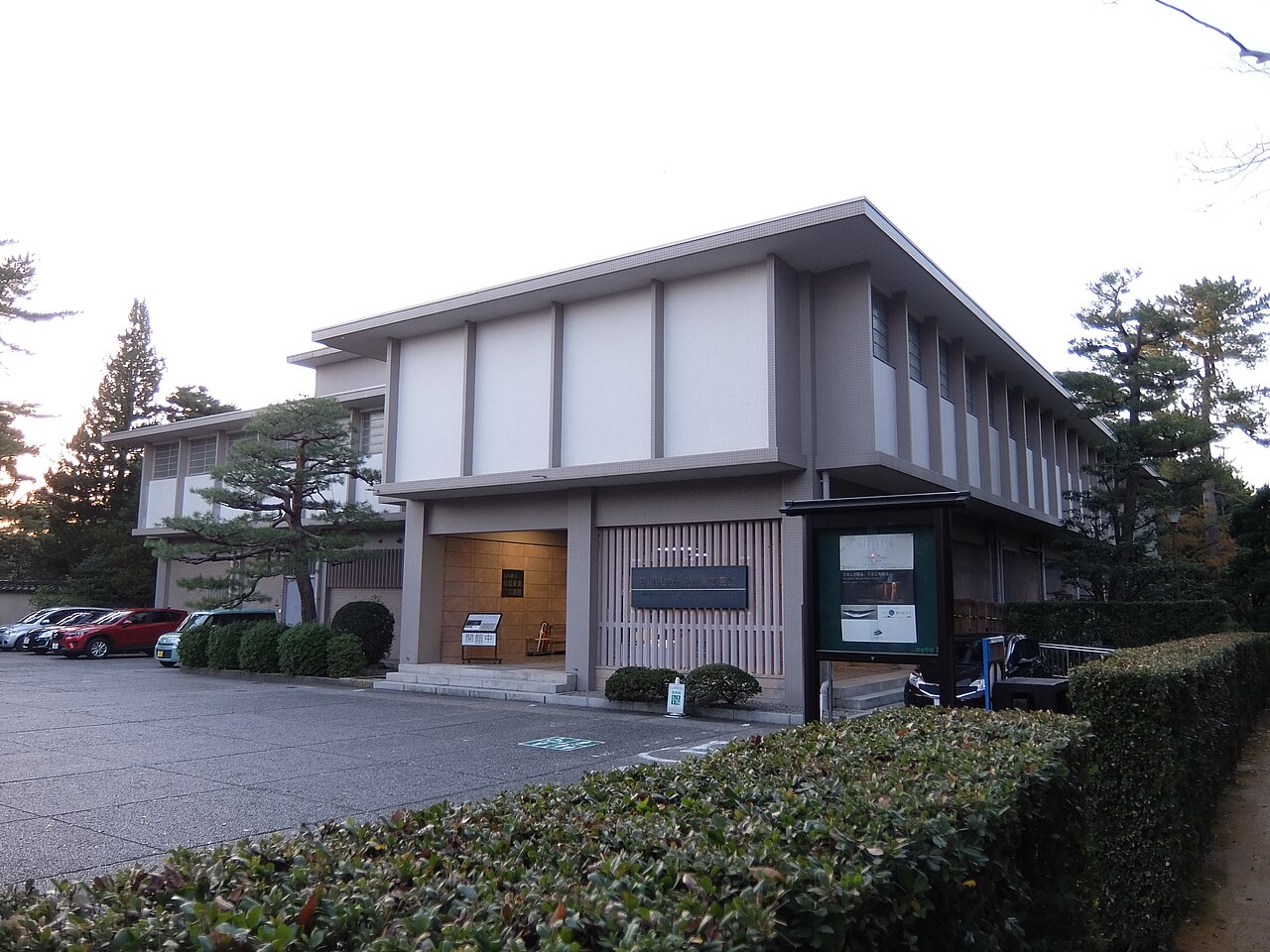
The building is deliberately small and quiet. Visitors move through three low concrete wings connected by covered corridors: an entrance and reception area, an exhibition space, and a contemplation zone. The exhibition wing holds a modest selection of Suzuki's manuscripts, books, letters and photographs, with panels outlining his life, his years teaching abroad, and the core ideas of Zen he wrestled into words. There is not a great deal to read, and that restraint is intentional; the museum wants you to slow down rather than absorb facts.
The emotional centre of the visit is the Water Mirror Garden and the Contemplative Space that floats within it. A perfectly square pond stretches out in front of a stark cube-like pavilion, its surface kept mirror-still until, every few minutes, hidden jets send gentle concentric ripples across the water. Visitors sit on benches inside the shaded pavilion and simply watch, listening to the faint sound of water and wind. The effect is genuinely meditative, and many people stay far longer than they expect. Photographers prize the reflections of the pavilion and sky in the pond, especially on a windless day.
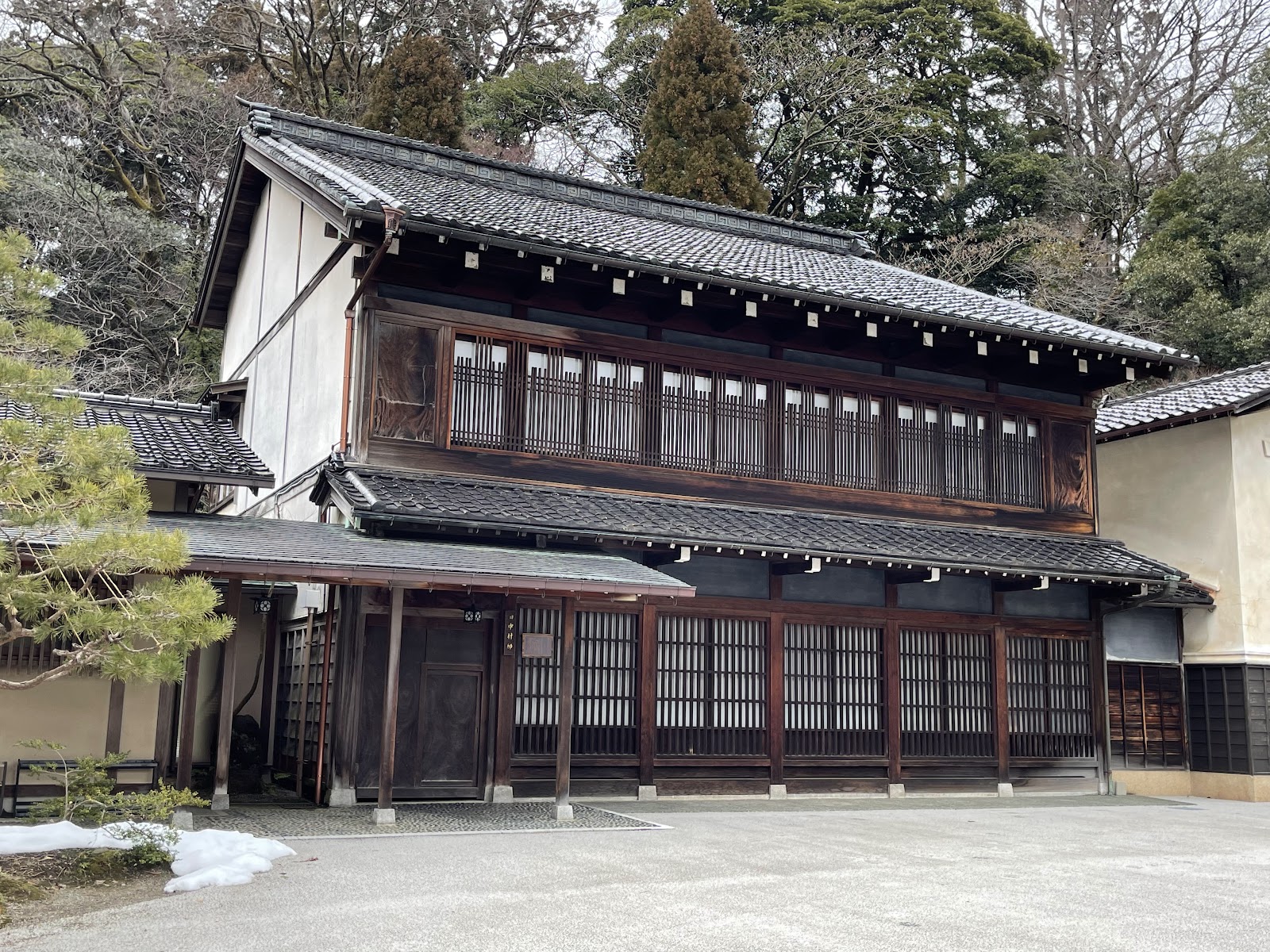
The museum makes a natural pairing with the neighbouring Nakamura Memorial Museum and the nearby Kenroku-en Garden, all within a short walk in the Honda-machi cultural quarter south of the castle. Because it is compact, most visitors need only about an hour, though it is the kind of place where lingering is the reward rather than a waste. It is also blessedly uncrowded compared with Kanazawa's bigger draws, and the hush is part of the experience, so voices are kept low throughout.
The best time to come is late morning on a clear, still day, when light falls cleanly across the water and the reflections are sharpest; autumn adds warm colour from the surrounding trees. Admission is inexpensive at around 310 yen, and the small shop sells editions of Suzuki's writings for those who want to read on.
To reach the museum, take the Kanazawa Loop Bus or a Hokutetsu bus from Kanazawa Station and alight at the Honda-machi stop, from where it is roughly a four-minute walk; on foot it is about ten minutes south of Kenroku-en. The approach itself, along a narrow lane that opens suddenly onto the calm complex, sets the contemplative tone before you even buy a ticket.
A local's tip
Sit silently in the Contemplative Space pavilion for at least ten minutes; the water mirror ripples on a slow timed cycle and the whole point is to do nothing.
Best time to visit
Late morning on a still, clear day
Getting there
Take the Kanazawa Loop Bus or a Hokutetsu bus from Kanazawa Station to Honda-machi, then walk about 4 minutes. It is a 10-minute walk south of Kenroku-en Garden.
Good to know
- Wi-Fi
- Restrooms
- Museum Shop
- Wheelchair Access
Plan the whole trip offline
D.T. Suzuki Museum is one of many places in the Real Japan app — with turn-by-turn directions, nearby spots and full offline maps you can use with no signal.