Kanazawa's largest and most atmospheric geisha teahouse district, a lattice-fronted Edo-era streetscape north of the Asano River.
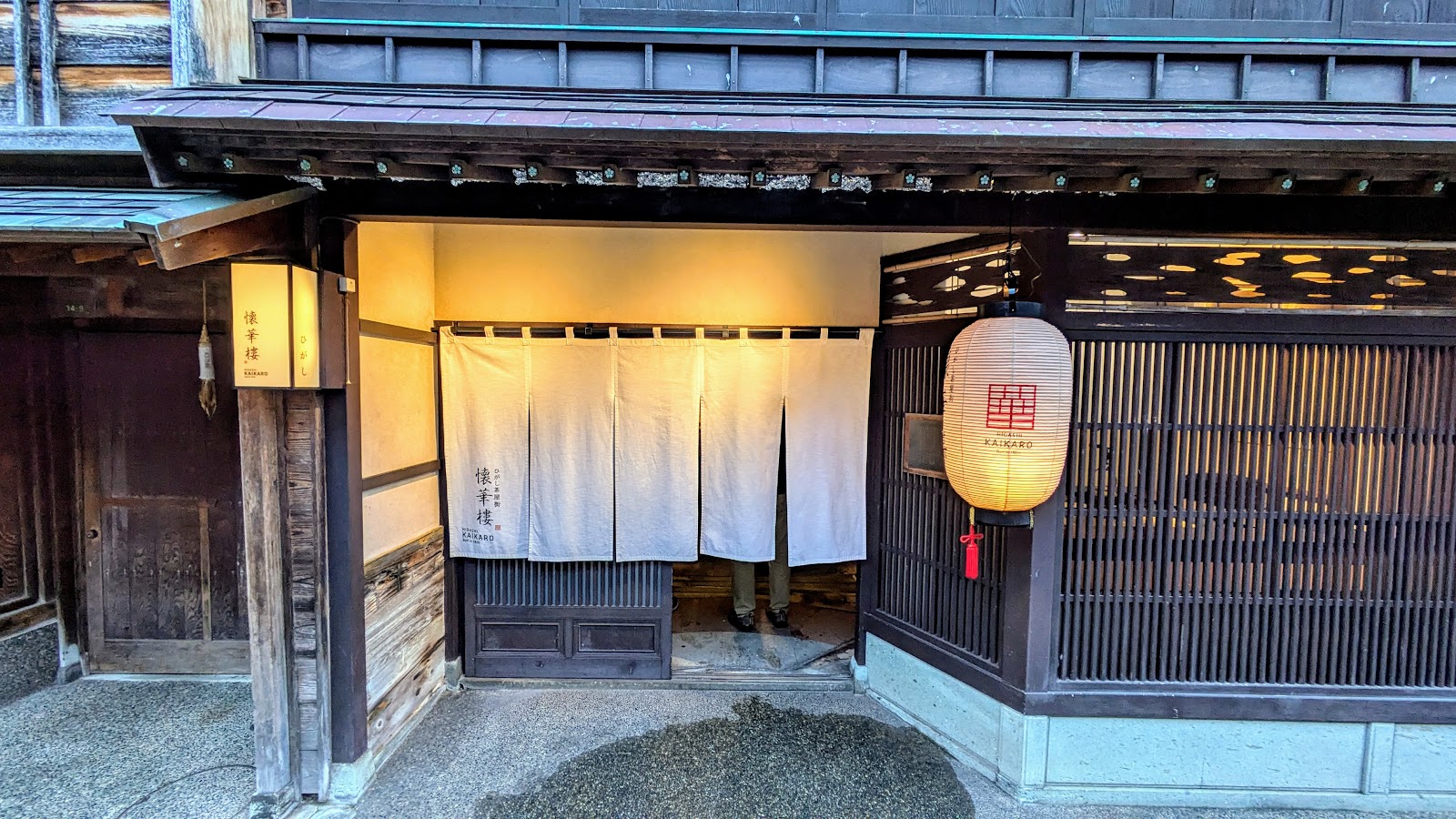
Higashi Chaya District (Higashi Chayagai, the eastern teahouse district) is the largest and best preserved of Kanazawa's three former geisha quarters, a compact grid of narrow streets lined with two-storey wooden teahouses, or chaya, north of the Asano River in the Higashiyama neighbourhood. It was established in 1820 when the ruling Maeda clan consolidated the city's scattered pleasure houses into designated districts, and it retains an unusually intact Edo-period streetscape: ochre-plastered facades, deep eaves, and the distinctive fine wooden lattice screens called kimusuko that let those inside watch the street while remaining unseen. The district is a nationally designated Important Preservation District for Groups of Traditional Buildings, and walking its main street at dusk, especially after rain when the cobbles gleam under paper lanterns, is one of the defining experiences of a Kanazawa visit.
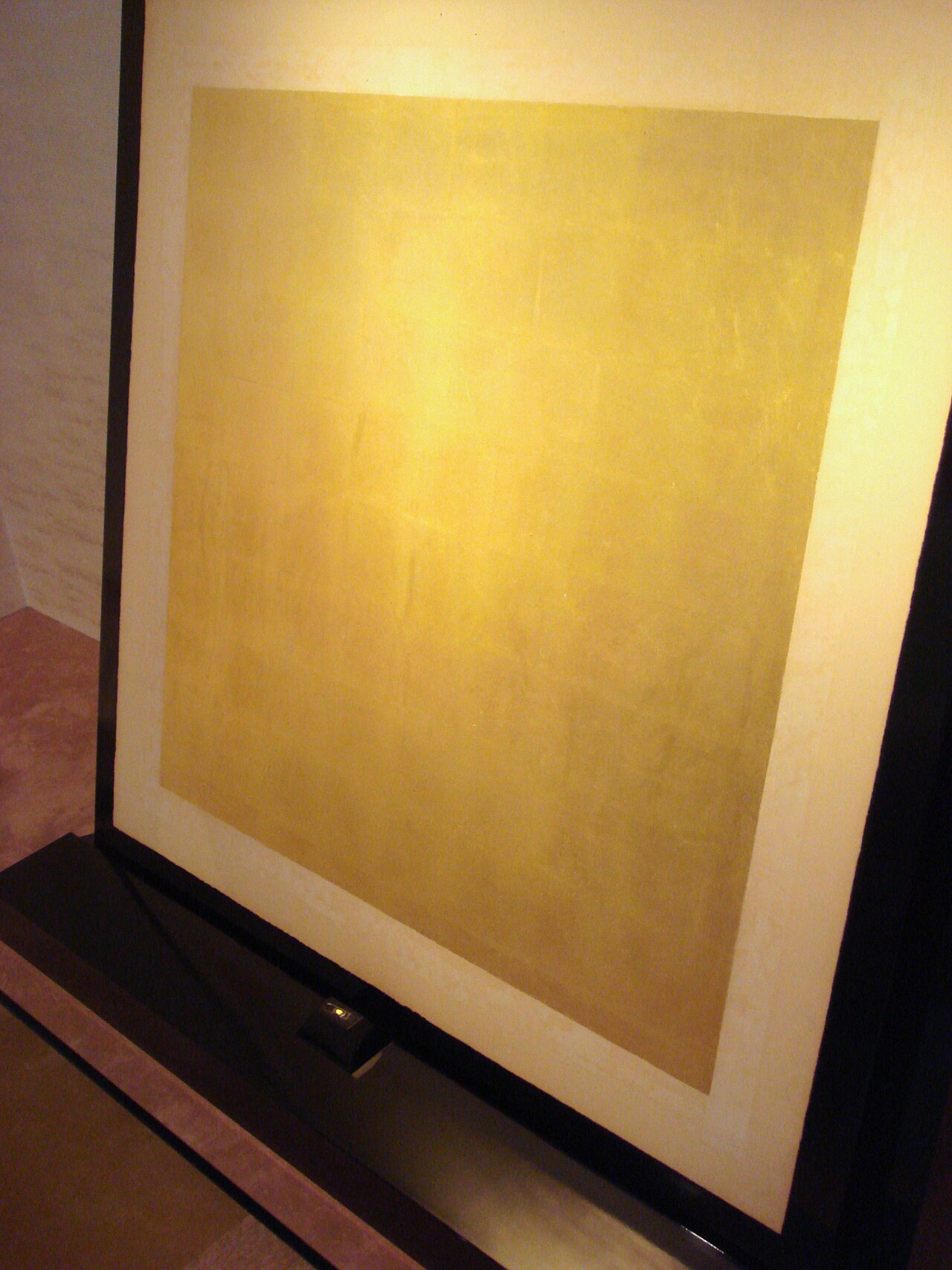
Chaya were exclusive venues where wealthy merchants and samurai were entertained by geisha skilled in dance, shamisen, and song, and the tradition survives here with working geisha and occasional public performances. Two former teahouses are open as museums. Shima, a designated Important Cultural Property, preserves its original 1820 layout with tea-ceremony rooms, guest chambers, and a tiny courtyard garden essentially unchanged, alongside displays of combs, hairpins, and instruments. Kaikaro, a larger house still operating in the evenings, dazzles visitors with a staircase and tearoom leafed in Kanazawa's famous gold.
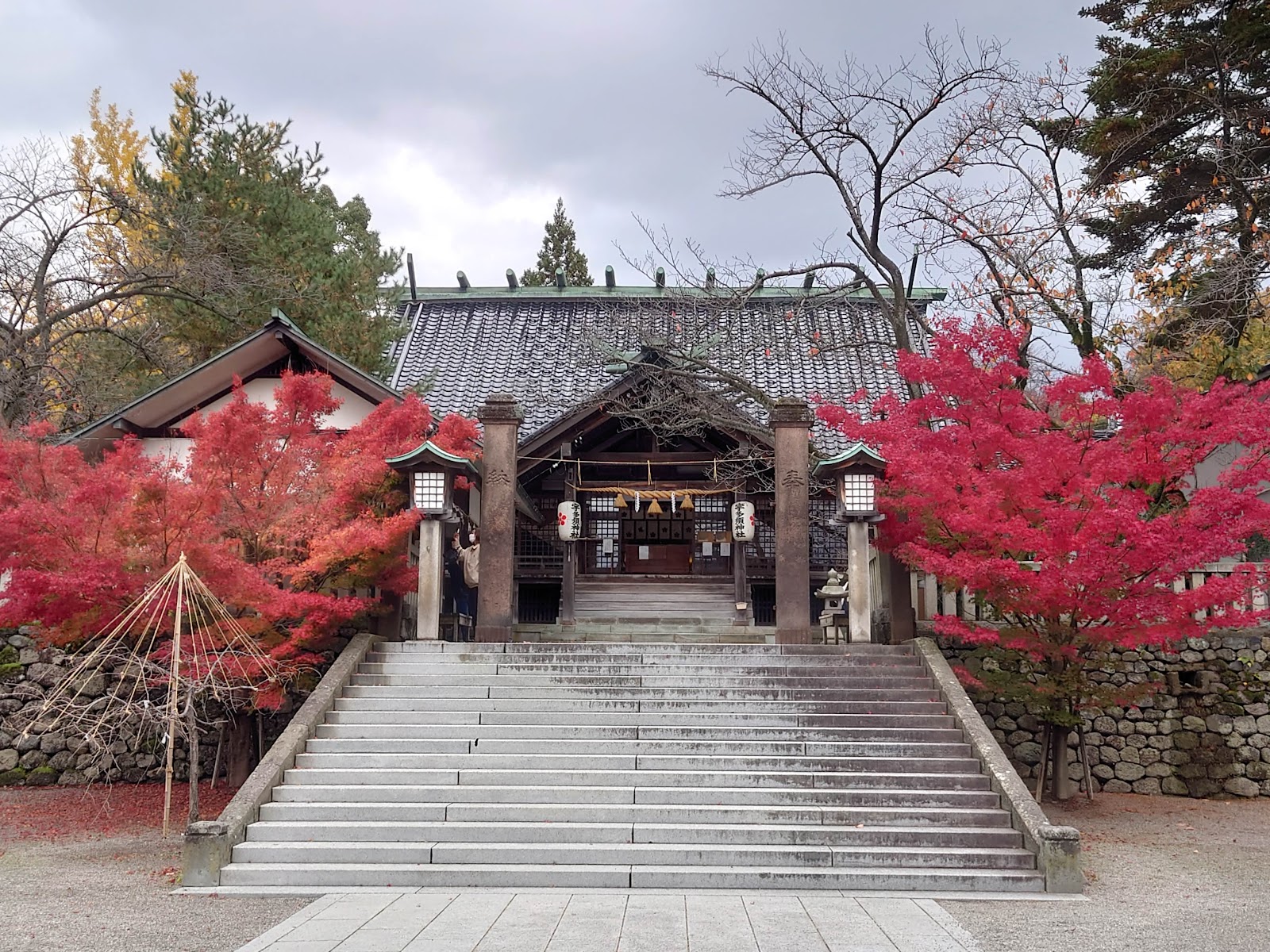
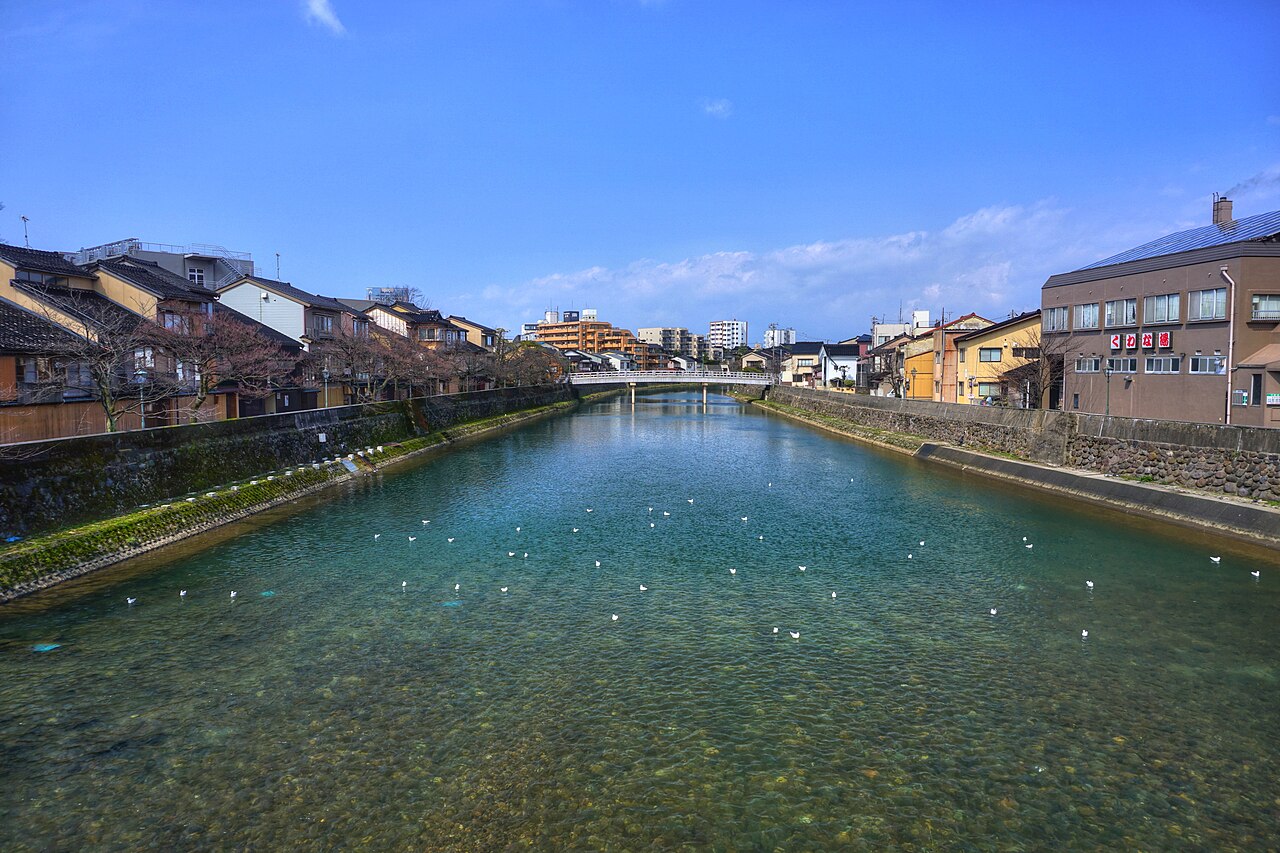
Gold leaf is the district's signature craft: Kanazawa produces virtually all of Japan's gold leaf, and several shops sell gold-flecked sweets, cosmetics, and the locally beloved gold-leaf-topped soft-serve ice cream. Hakuza's gold-leaf storehouse, its walls entirely covered in gilding, is a popular photo stop, and the Sakuda workshop offers hands-on gilding experiences. Beyond the teahouses the streets are dense with craft boutiques, cafes in converted machiya townhouses, and small confectioners; a short walk leads down to the Asano River and its old bridges and up the hill to Utatsuyama with its cluster of temples and shrines.
The district is entirely walkable and flat, though the historic streets are cobbled and some teahouse interiors involve steep stairs and floor seating. It is busiest from late morning to mid-afternoon; early morning offers near-empty streets and the best photographs, while evenings are quieter and more atmospheric although many shops close by 17:00 to 18:00. Most machiya are compact and not wheelchair friendly inside, but the streets themselves are level.
The area is beautiful year-round. Spring cherry blossom along the Asano River and autumn colour on Utatsuyama frame it handsomely, while winter snow on the wooden eaves is quintessential snow-country Kanazawa. From Kanazawa Station, take the Kanazawa Loop Bus or a Hokutetsu bus toward Higashiyama and alight at Hashiba-cho, a few minutes walk away; it pairs naturally with the neighbouring Kazuemachi teahouse district just across the river.
A local's tip
Come at opening around 9am or in the blue hour after the shops close; midday the main lane fills with tour groups. The gold-leaf soft-serve is fun, but a quiet matcha inside the gilded Kaikaro teahouse is the real treat.
Best time to visit
Early morning or dusk (blue hour)
Getting there
From Kanazawa Station take the Kanazawa Loop Bus (LL/RL) or a Hokutetsu bus toward Higashiyama and alight at Hashiba-cho or Higashiyama (about 10-12 min), then a 3-5 min walk. On foot it is roughly 25 minutes from the station, or 15 minutes by Machi-Nori rental bicycle.
Good to know
- Shops
- Wi-Fi
- Restrooms
Plan the whole trip offline
Higashi Chaya District is one of many places in the Real Japan app — with turn-by-turn directions, nearby spots and full offline maps you can use with no signal.