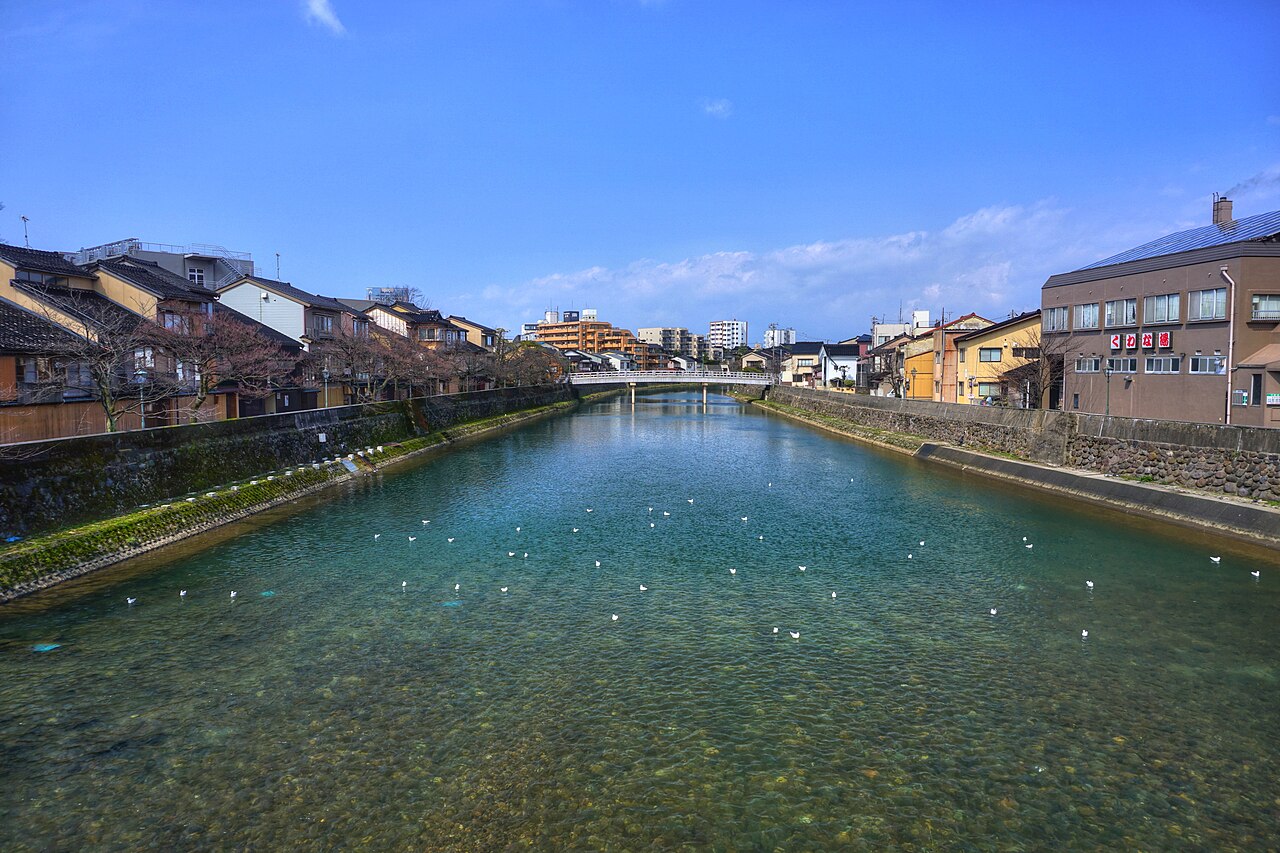
Kanazawa's graceful "feminine" river, lined with willow-shaded promenades, old bridges and the lantern-lit teahouses of the Higashi and Kazuemachi districts.
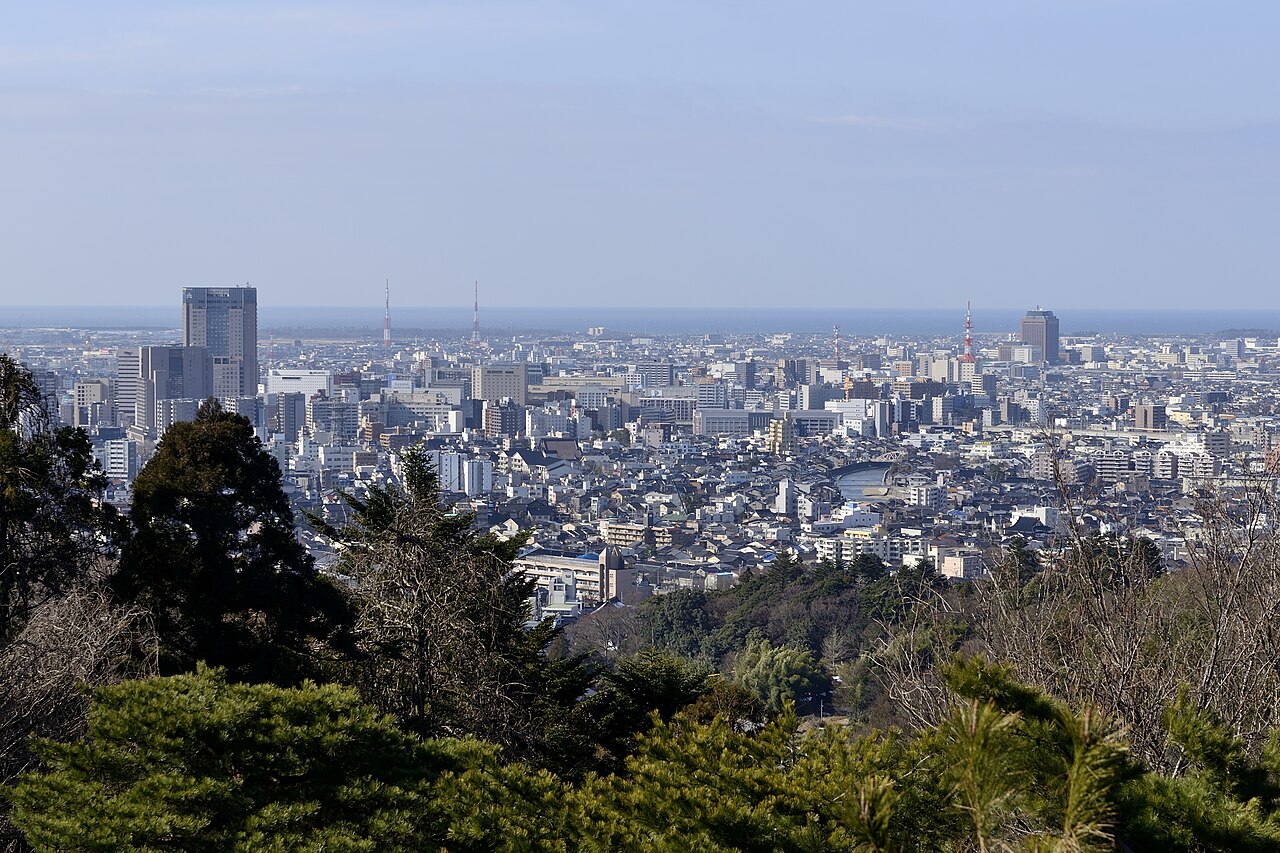
The Asano River threads through the northeastern side of Kanazawa's old town, and for many visitors its willow-lined banks and old stone-and-timber bridges are the most romantic corner of the city. Locally it is known as the "onnagawa," or feminine river—a gentler counterpart to the broader, more masculine Sai River on the city's other side—and its soft curves, teahouse districts and seasonal blossoms have made it a muse for Kanazawa's poets, painters and novelists for generations.
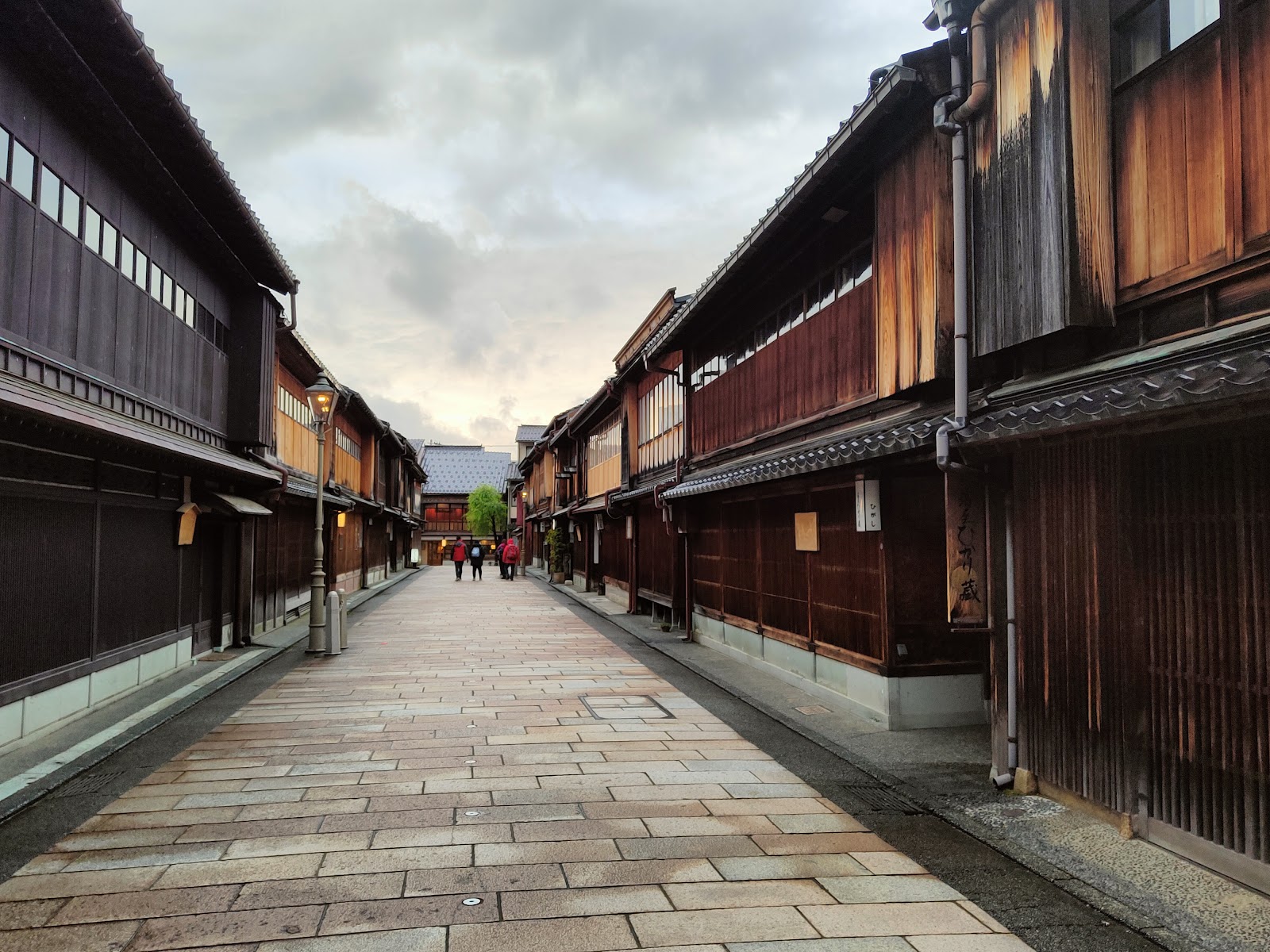
The river's fame is inseparable from the two atmospheric chaya (teahouse) districts that face each other across its water. On one bank lies Higashi Chaya, the largest and most famous of Kanazawa's preserved geisha quarters, its lattice-fronted wooden houses now home to teahouses, gold-leaf shops and cafes. On the other, the smaller and more discreet Kazuemachi district hugs the water directly, its restaurants and ochaya reflecting in the river at night. Historic bridges—the graceful Asanogawa Ohashi and the delicate Ume-no-hashi among them—stitch the two sides together and offer some of the best photographs in the city.
Walking the riverside promenade is one of Kanazawa's great free pleasures. In spring, cherry trees line the banks and shower the path with blossom; in summer, willows trail in the current and the Asano River hosts traditional events; and in the cooler months the low light gilds the old buildings. The walk is flat, easy and endlessly scenic, threading past benches, small shrines and the backs of centuries-old teahouses. Early morning offers quiet reflections and few people, while dusk is pure atmosphere—lanterns flicker to life along Kazuemachi, their glow doubled in the water, and with luck you may see a kimono-clad geiko or maiko crossing a bridge on her way to an engagement.
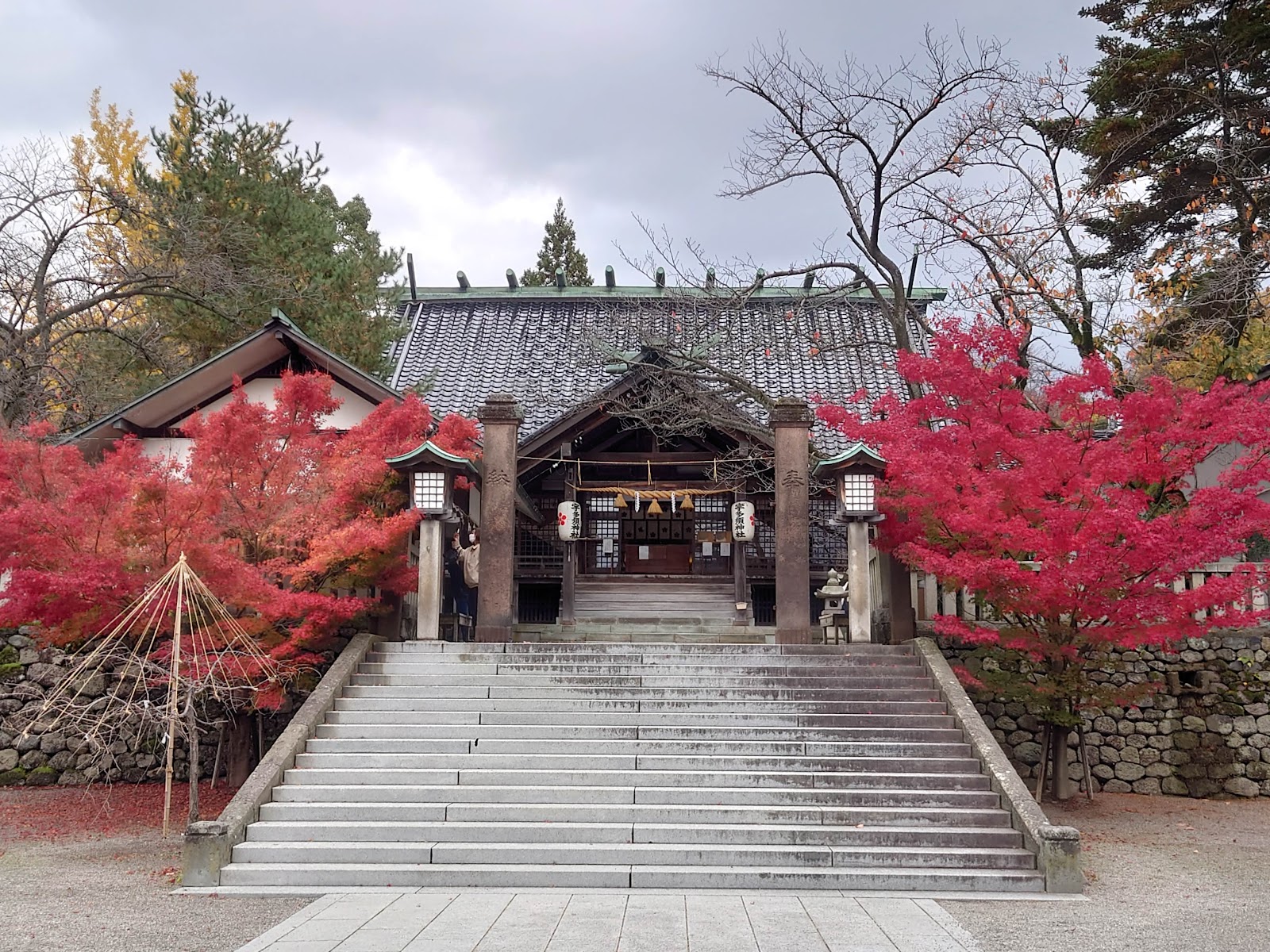
Beyond the teahouse stretch, the river connects a string of worthwhile stops. Upstream rises the wooded hill of Utatsuyama with its temples and viewpoint; nearby stand shrines such as Utasu-jinja and the small museums and craft shops of the eastern districts. This makes the Asano River not just a pretty walk but a natural spine for exploring the northeastern old town on foot, linking nature, history and living tradition along a single easy route.
Being a public riverside, it is free and open at all hours, though it is loveliest in daylight and at dusk. Allow around forty-five minutes for a relaxed stroll between the main bridges, longer if you stop for tea or wander into the chaya lanes. Paths are level and accessible, with cafes and restrooms in the adjacent districts.
Getting there is simple: from Kanazawa Station take the Kanazawa Loop Bus to Hashiba-cho, a short walk from Asanogawa Ohashi, and begin your walk from there. The Asano River rewards unhurried wandering more than any single sight—slow down, cross a few bridges, and let Kanazawa's gentlest quarter reveal itself.
A local's tip
Walk the riverside promenade at dusk from Asanogawa Ohashi toward Ume-no-hashi bridge—the lanterns of the Kazuemachi teahouses reflect in the water and you may glimpse a geisha hurrying to an evening engagement, Kanazawa's most atmospheric free experience.
Best time to visit
Cherry-blossom season along the banks; evening for lantern-lit teahouses
Getting there
Flows through the northeast of the old city between the Higashi Chaya and Kazuemachi districts. From Kanazawa Station take the Loop Bus to Hashiba-cho, a two-minute walk from the Asanogawa Ohashi bridge.
Good to know
- Benches
- Cafes nearby
- Riverside path
Plan the whole trip offline
Asano River is one of many places in the Real Japan app — with turn-by-turn directions, nearby spots and full offline maps you can use with no signal.