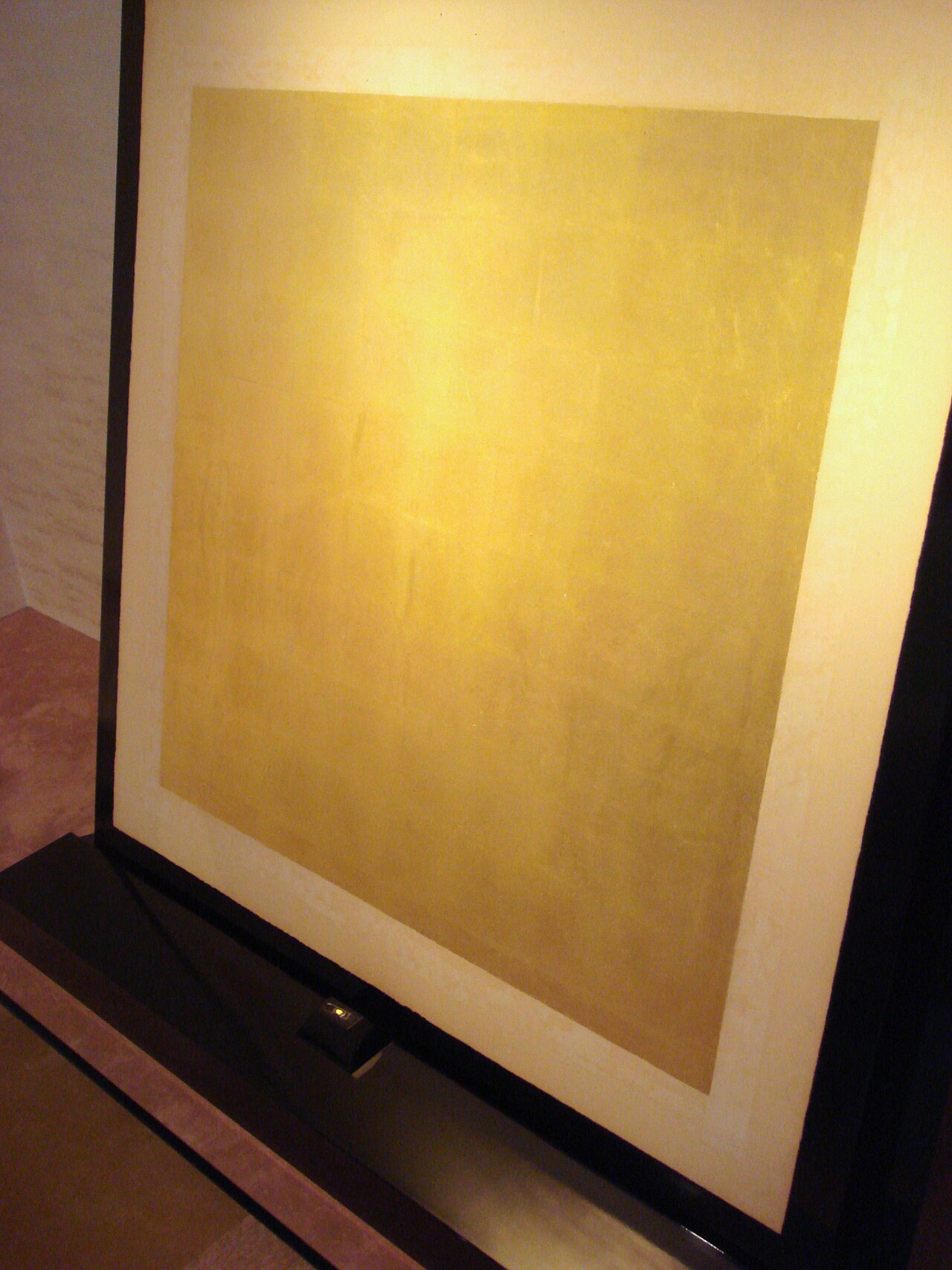
The story and dazzling artistry of Kanazawa gold leaf, source of nearly all of Japan's kinpaku.
The Kanazawa Yasue Gold Leaf Museum celebrates the craft for which Kanazawa is famous above all others: kinpaku, or gold leaf. Kanazawa produces roughly ninety-nine percent of all the gold leaf made in Japan, the shimmering material that gilds temples, screens, lacquerware, Buddhist altars and even food, and this museum tells the story of how the city came to dominate the craft. Founded in 1974 by Takaaki Yasue, a master gold-leaf artisan, as a private collection near the Higashi Chaya district, it later became a municipal museum devoted to the tools, techniques and artistry of gold beating.
The exhibits reveal just how astonishing the craft is. Gold is hammered until it becomes leaf a mere ten-thousandth of a millimetre thick—so thin it is nearly translucent and must be handled with bamboo tools and held breath. The museum displays the specialised implements Yasue collected: the hammers, the special paper used in beating, and the tools of a trade demanding extraordinary patience and skill. Alongside these are dazzling decorative objects that show gold leaf applied to its full effect—folding screens, lacquerware, ceramics and craft pieces that glow with gilded surfaces.
What makes the museum resonate is the way it roots this craft in Kanazawa's history. The Maeda lords of the Kaga Domain fostered gold-leaf production as part of their lavish patronage of the arts, and the city's humid climate proved ideal for the delicate beating process. That heritage lives on today not just in temples and museums but in the gold-leaf ice cream and cosmetics sold in the nearby chaya districts, so a museum visit connects directly to the living craft economy just outside its doors.
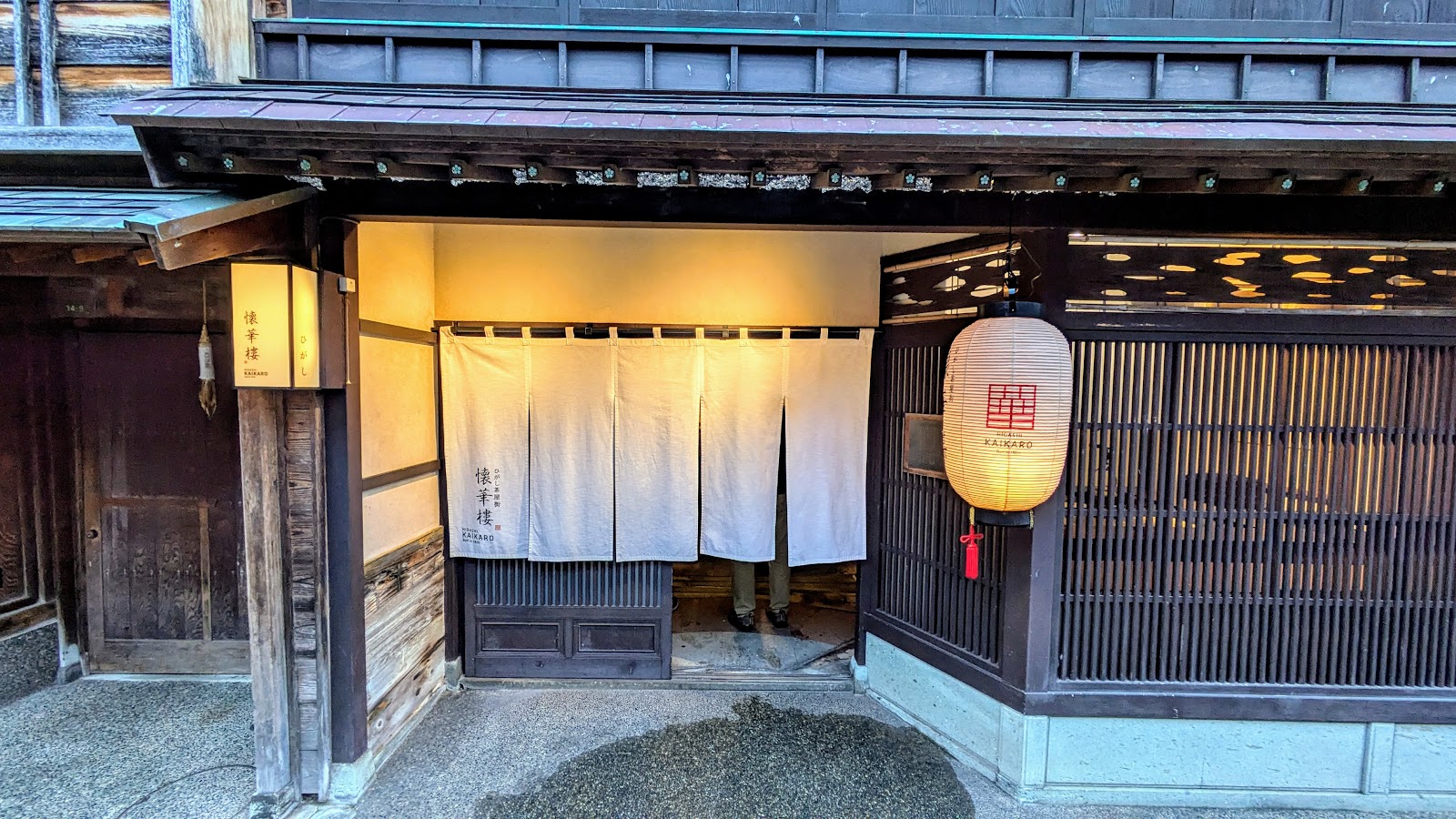
The setting reinforces this. The museum stands on the edge of the beautiful Higashi Chaya District, Kanazawa's best-preserved geisha quarter of wooden teahouses, so it slots naturally into a stroll through one of the city's most atmospheric areas. Craft shops nearby sell gold-leaf products, and you can see the material used in context all around.
The visiting experience is compact and appealing. The museum opens daily, admission is inexpensive, and around forty-five minutes lets you take in the tools and treasures. The building is wheelchair accessible, and displays are captioned to explain the craft to newcomers. A shop sells gold-leaf souvenirs, from lacquer accessories to gilded sweets.
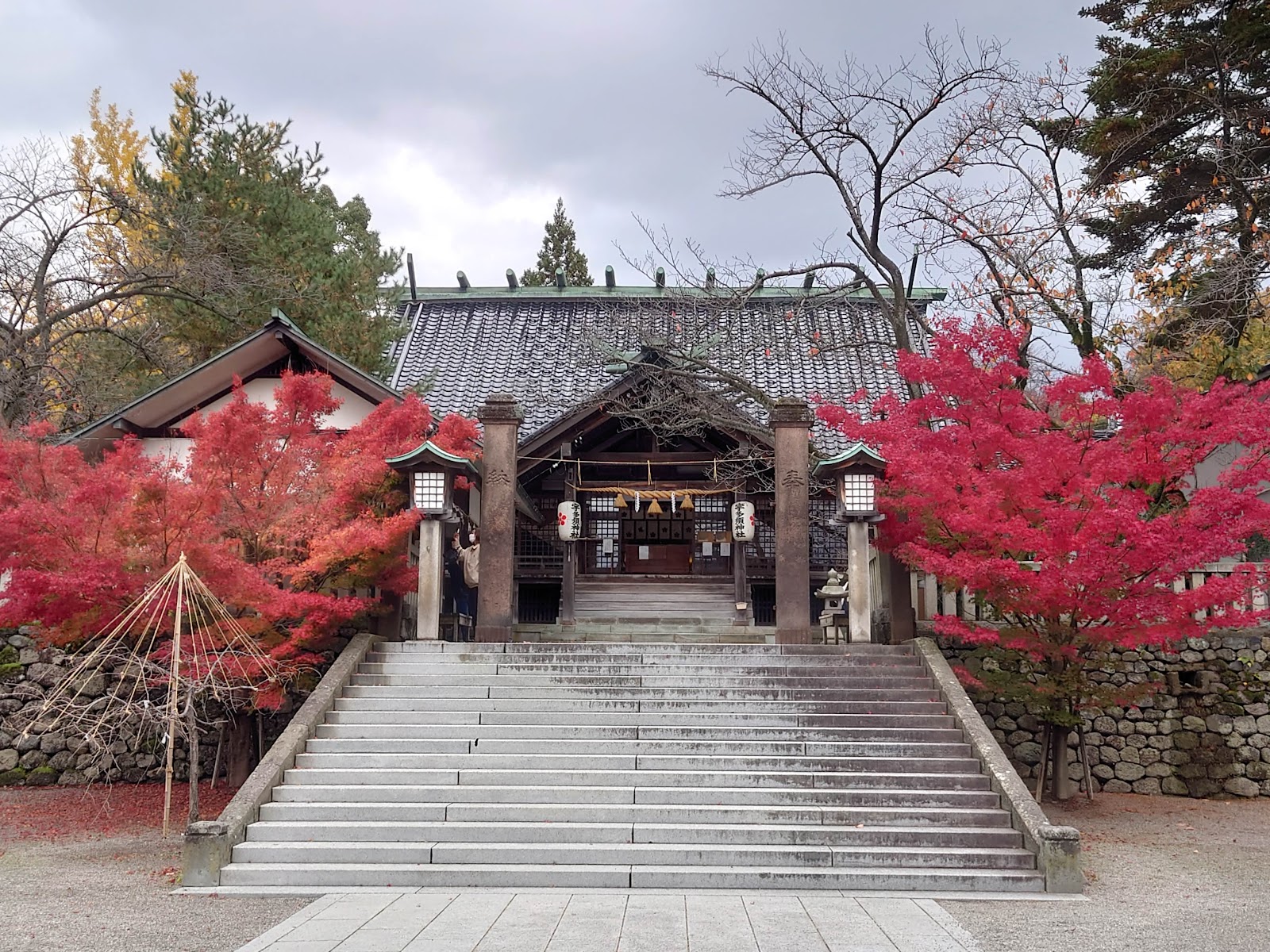
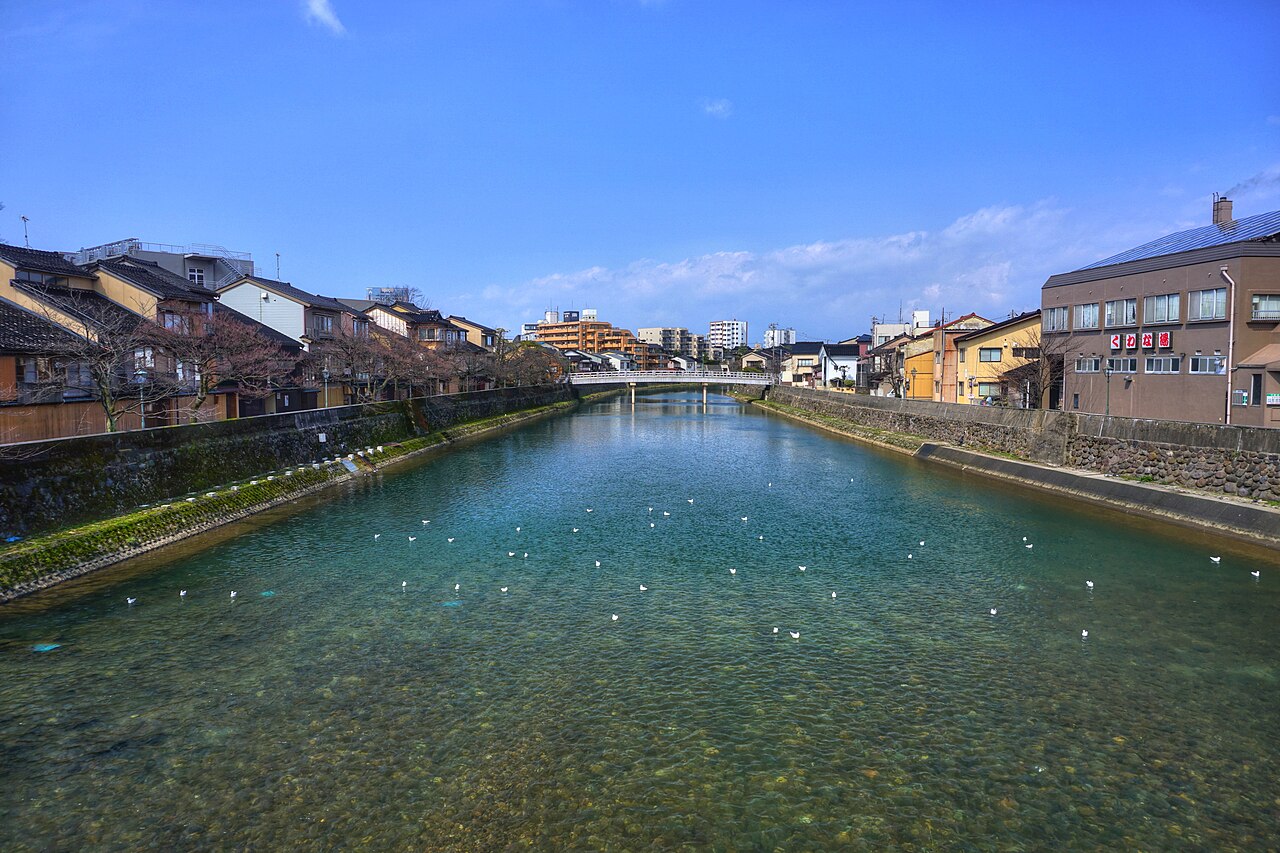
To reach it, take the Kanazawa Loop Bus toward the Higashiyama district and walk a few minutes from the Hashiba-cho or Higashiyama stops. Combine it with the Higashi Chaya District, the Yasue-area craft shops and the Kazuemachi and Utasu-shrine neighbourhoods for a rewarding half-day among Kanazawa's gold-leaf and geisha heritage. For anyone curious about the glittering craft that has shaped the city's identity—and who wants to understand the shimmer behind so much Japanese art and architecture—the Yasue Gold Leaf Museum is the perfect introduction.
A local's tip
Kanazawa produces about 99% of Japan's gold leaf—watch the beating tools and craft displays, then treat yourself to gold-leaf ice cream in the nearby chaya district.
Best time to visit
Daytime; combine with the nearby Higashi Chaya District
Getting there
Take the Kanazawa Loop Bus toward Higashiyama; the museum is on the edge of the Higashi Chaya district, a few minutes' walk from the Hashiba-cho or Higashiyama stops.
Good to know
- Gift Shop
- Restrooms
- Wheelchair
Plan the whole trip offline
Kanazawa Yasue Gold Leaf Museum is one of many places in the Real Japan app — with turn-by-turn directions, nearby spots and full offline maps you can use with no signal.