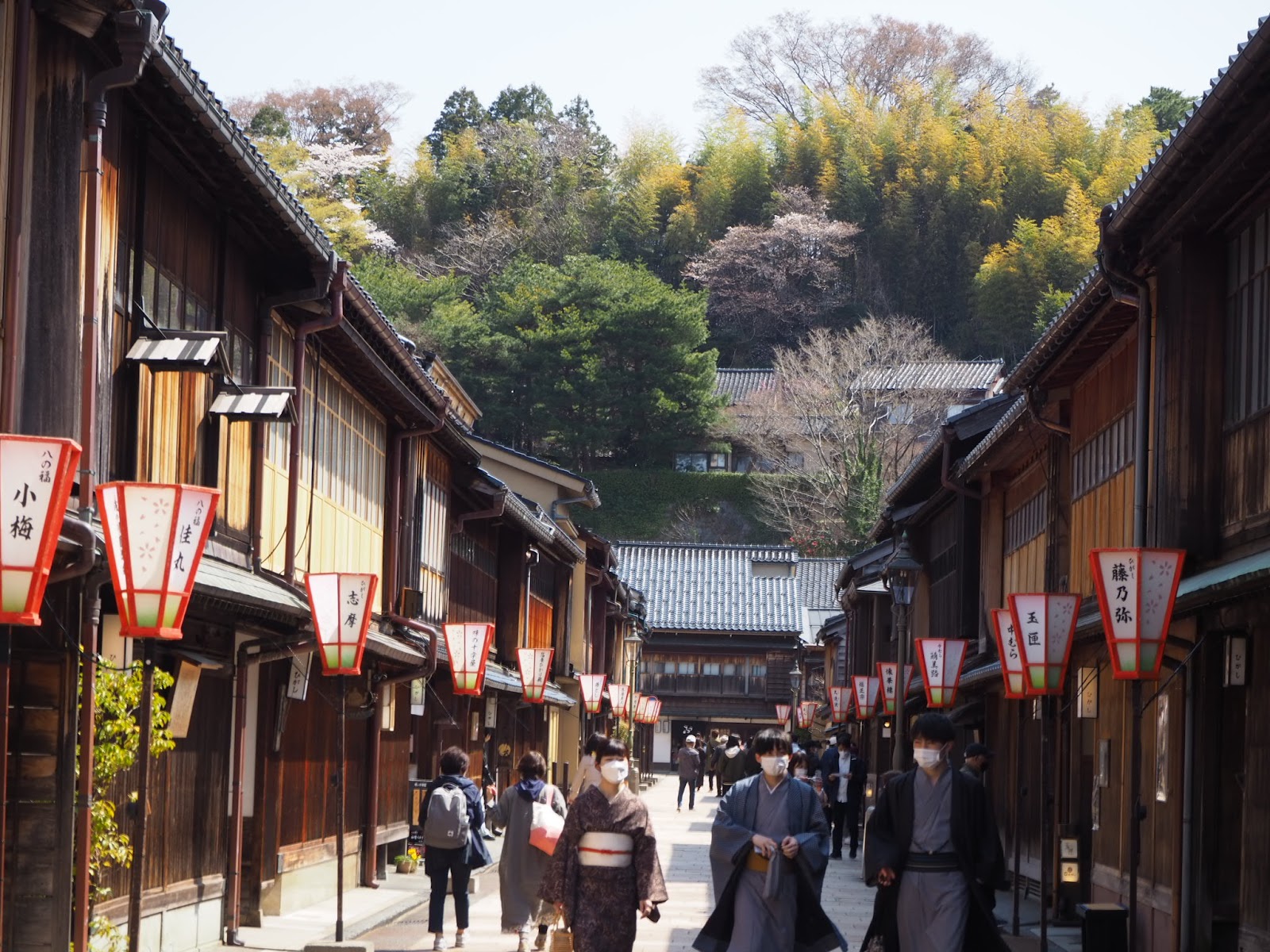
Earthen-walled lanes and canal-side samurai residences west of the castle, Kanazawa's best-preserved buke yashiki quarter.
The Nagamachi Samurai District (Nagamachi Buke Yashiki) is a warren of narrow, winding lanes just west of the modern Korinbo shopping area, where middle-ranking samurai of the Maeda domain once lived within sight of Kanazawa Castle. Its defining feature is the tsuchibei, the ochre earthen walls topped with tile that line the streets and screen the residences behind them; in winter these walls are wrapped in komo, straw mats tied on to protect the clay from frost and snow, a seasonal sight unique to the snow country. Two small canals, the Onosho and the Kuratsuki, thread through the quarter, their stone-lined channels adding to the Edo-era atmosphere.
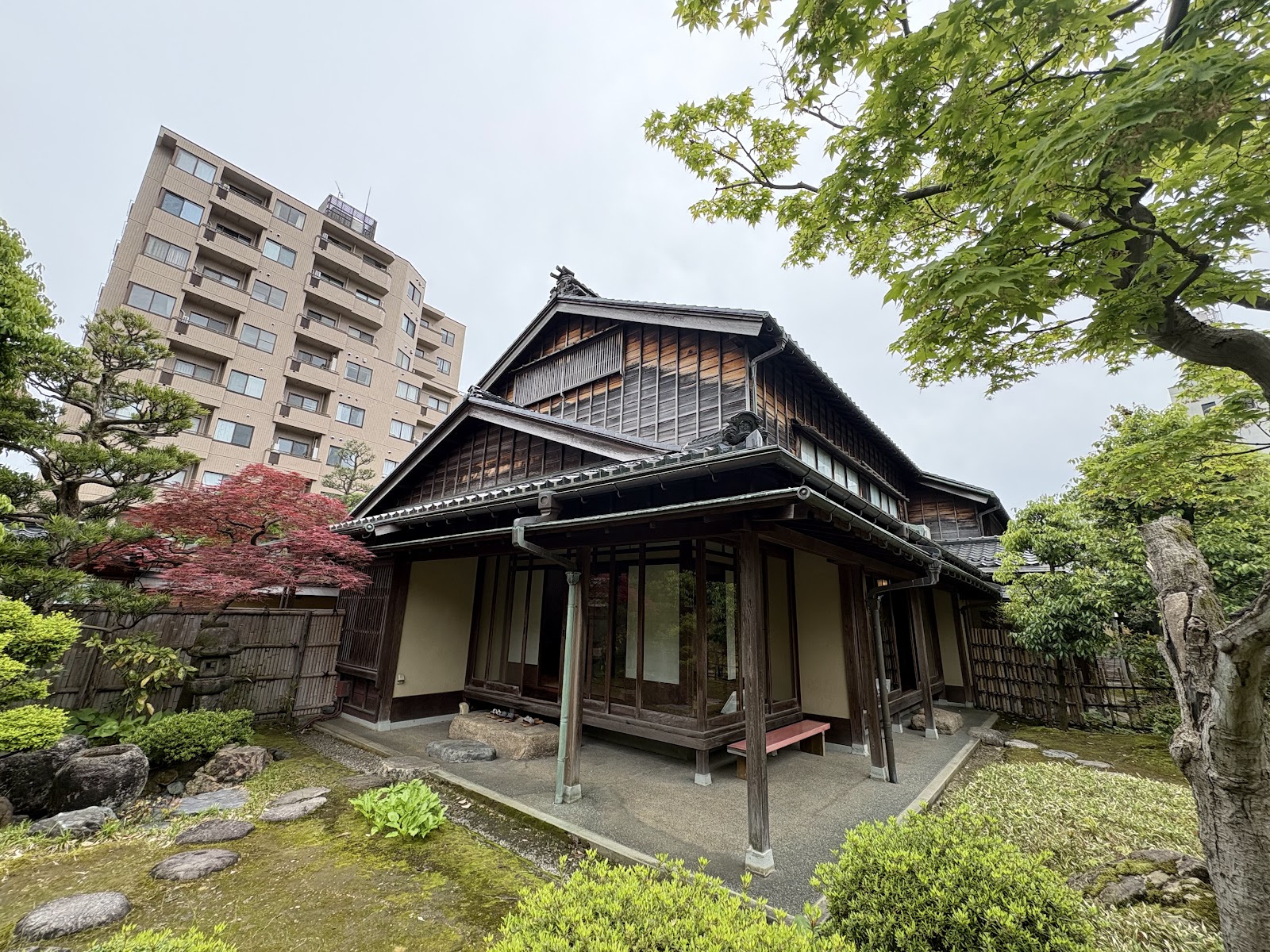
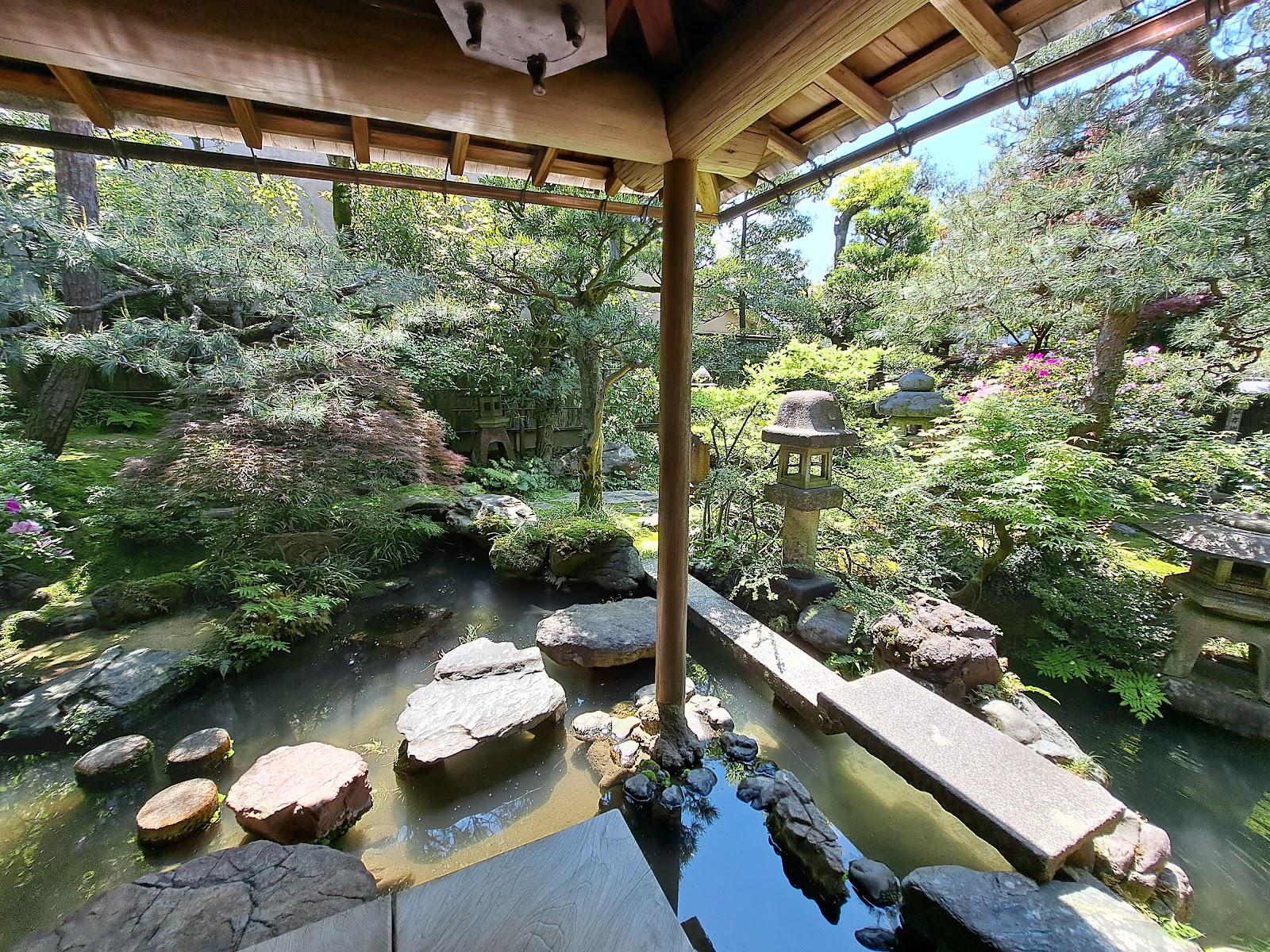
Historically, relatively few of the original samurai houses survive, and much of what visitors see has been carefully maintained or restored to evoke the period rather than preserved intact. Even so, Nagamachi is widely regarded as one of the finest surviving samurai districts in Japan, and its compact scale makes it easy to explore on foot. The centrepiece is the Nomura Family Samurai House (Nomura-ke), open to the public, whose modest rooms of cypress and lacquer open onto a small but exquisite garden of clipped shrubs, a winding stream, and carefully placed stone lanterns that has been repeatedly ranked among the best residence gardens in the country by Japanese garden journals.
The district rewards slow wandering. Beyond the Nomura House, visitors can step into the free Kanazawa City Ashigaru Museum, a pair of relocated foot-soldier houses that show how the domain's lowest-ranking samurai lived, and the Maeda Tosanokami-ke Shiryokan, which displays armour, documents, and heirlooms of a senior retainer family. Craft is woven through the neighbourhood as well: the Saihitsuan studio demonstrates Kaga-yuzen, the local style of hand-painted silk dyeing, and small shops sell tea, sweets, and handicrafts. The historic Shinise Kinenkan, a preserved pharmacy, sits at the edge of the quarter.
The lanes are flat and short, so the district is easy to walk, although the older house interiors involve removing shoes, stepping up onto tatami, and navigating narrow corridors and steep stairs. Allow around an hour to combine a stroll with one or two of the house museums; keen visitors easily spend longer. Because people still live here, some walls conceal private homes, so it is best to keep to the public lanes.
Nagamachi is atmospheric year-round, but it is at its most distinctive in winter, when the straw-matted walls and any fresh snow evoke the samurai era most vividly; autumn brings colour to the garden maples, and quiet mornings before the tour groups arrive are ideal at any time of year. From Kanazawa Station, the Kanazawa Loop Bus or a Korinbo-bound bus reaches the district in about 10 minutes, and it sits within easy walking distance of the castle, Kenroku-en Garden, and the Katamachi dining streets.
A local's tip
Pay the small fee for the Nomura House purely for its garden, repeatedly ranked among Japan's finest small residence gardens; then find the free Ashigaru Museum nearby to see how the domain's lowest-ranking foot soldiers actually lived.
Best time to visit
Morning; winter for the straw-matted walls
Getting there
From Kanazawa Station take the Kanazawa Loop Bus or a Hokutetsu bus toward Korinbo and alight at Korinbo (about 10 min), then walk 3-5 minutes west into the district. On foot from the station it is about 20 minutes.
Good to know
- Shops
- Wi-Fi
- Restrooms
Plan the whole trip offline
Nagamachi Samurai District is one of many places in the Real Japan app — with turn-by-turn directions, nearby spots and full offline maps you can use with no signal.