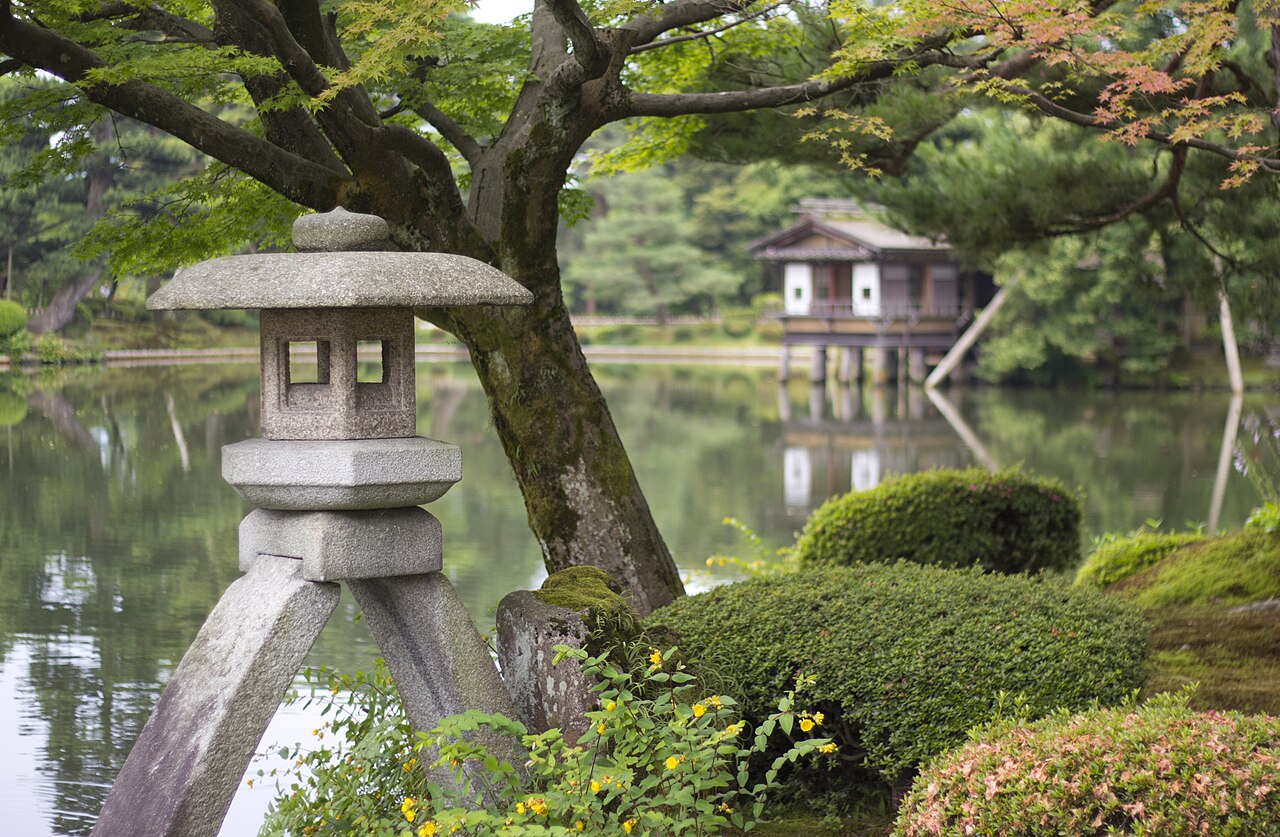
One of the Three Great Gardens of Japan, a masterful Edo-period strolling garden of ponds, streams and winter-suspended pines beside Kanazawa Castle.
Kenroku-en is the crown jewel of Kanazawa and, together with Mito's Kairaku-en and Okayama's Koraku-en, one of the Three Great Gardens of Japan. Spread across roughly 11.4 hectares on the heights of the city beside Kanazawa Castle, it is widely regarded as the finest surviving example of an Edo-period daimyo strolling garden.
Its origins reach back to 1676, when Maeda Tsunanori, the fifth lord of the wealthy Kaga domain, built a villa and laid out a small garden called Renchi-tei on the outer grounds of the castle. Over nearly two centuries the ruling Maeda family expanded and refined the grounds, digging ponds, diverting water and planting the trees that give the garden its layered depth. It opened to the public in 1874. The name Kenroku-en means "garden of the six attributes," a reference to a Chinese landscape ideal in which a perfect garden combines spaciousness and seclusion, artifice and antiquity, and abundant water and sweeping views—qualities notoriously difficult to unite, yet all present here.
The garden is designed to be walked. Paths wind past Kasumigaike Pond, where the two-legged Kotoji stone lantern—the most photographed object in the garden and an unofficial symbol of the city—stands at the water's edge. Nearby, the Karasaki pine planted from seed by the fifth lord, the sculptural Neagari-no-Matsu with its exposed elevated roots, and Japan's oldest surviving fountain, powered entirely by natural water pressure, reward slow attention. The Yamazaki-yama hillside blazes with maples in autumn, while the plum grove and cherry trees carry the show in early spring.
Kenroku-en is arguably at its most magical in winter. To protect the branches of the pines from heavy Hokuriku snowfall, gardeners erect yukitsuri—elegant conical arrays of ropes suspended from tall poles—each November. Dusted with snow, these ropes turn the trees into shimmering sculptures and create one of Japan's most iconic seasonal images.
The visiting experience is calm and contemplative rather than dramatic; allow at least ninety minutes to loop the grounds properly and pause at one of the traditional teahouses for matcha and a wagashi sweet overlooking the water. Main paths are broad and mostly gentle, though some hillside sections involve steps. Seasonal evening illuminations several times a year transform the ponds with reflected light and are worth planning around.
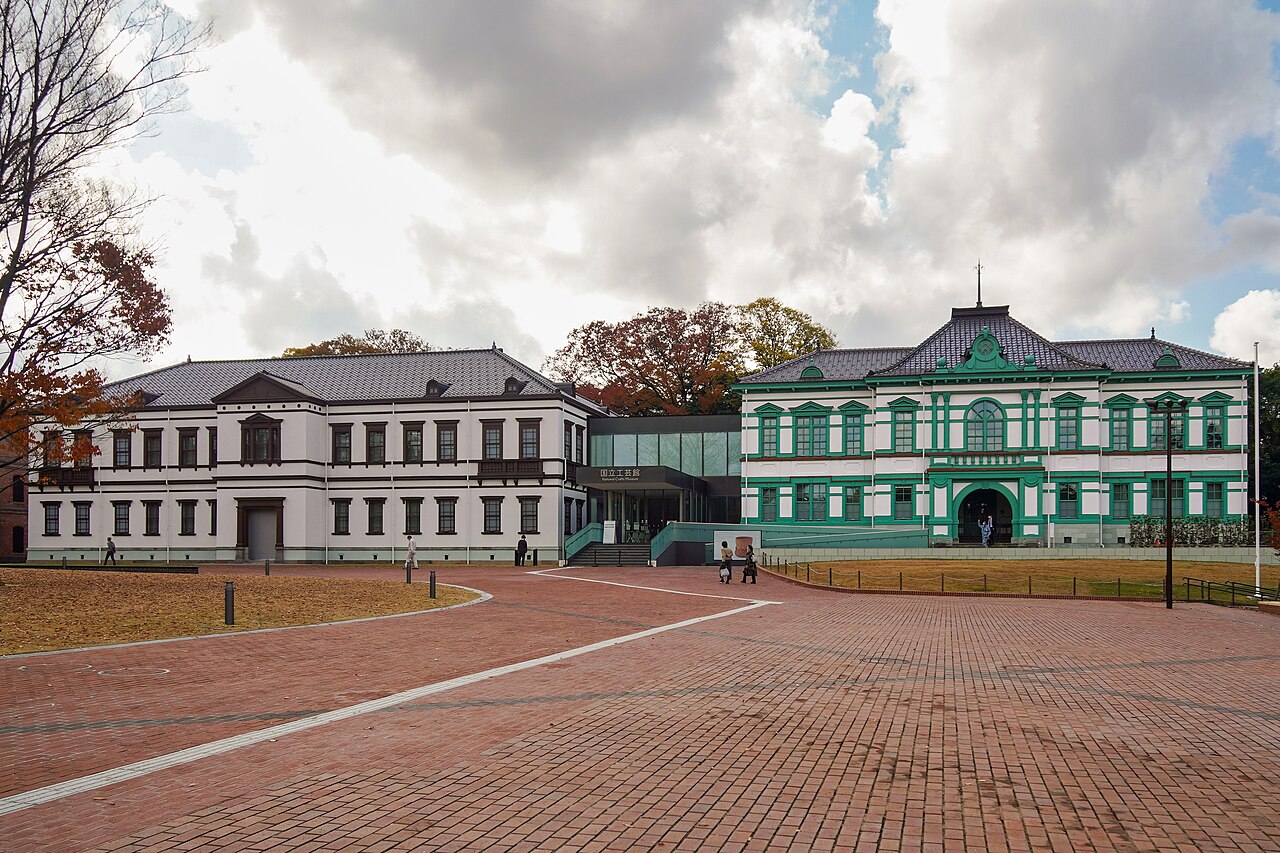
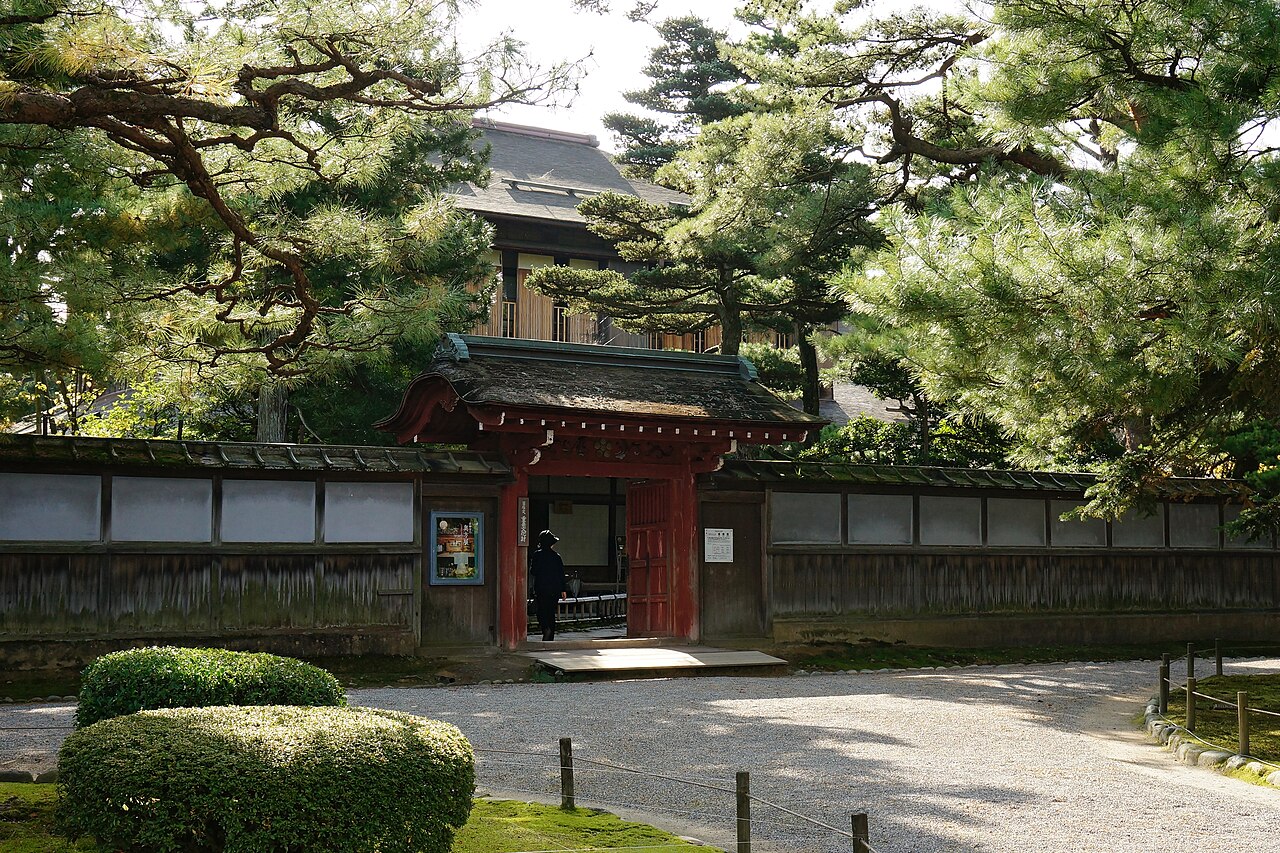
Getting there is straightforward. From Kanazawa Station's east exit, the Kanazawa Loop Bus or the dedicated Kenrokuen Shuttle reaches the Kenrokuen-shita or Hirosaka stops in about fifteen minutes, leaving only a short uphill walk to the Katsurazaka or Kodatsuno entrance gates. The garden pairs naturally with adjacent Kanazawa Castle Park, the 21st Century Museum of Contemporary Art and Seisonkaku Villa, making it the anchor of any day exploring the old castle district.
A local's tip
Arrive right at opening (7:00 in summer, 8:00 in winter) before the tour buses; the free early-morning admission window that runs before official opening hours lets you photograph the Kotoji stone lantern and Kasumigaike Pond in near-solitude.
Best time to visit
Early morning; late autumn or winter for snow-suspended pines
Getting there
From Kanazawa Station east exit take the Kanazawa Loop Bus (LL/RL line) or Kenrokuen Shuttle to the Kenrokuen-shita or Hirosaka stop, about 15 minutes, then a short uphill walk to the Katsurazaka or Kodatsuno gate. On foot it is roughly 25-30 minutes through the city centre.
Good to know
- Gift shop
- Restrooms
- Tea house
- Wheelchair access
Plan the whole trip offline
Kenroku-en Garden is one of many places in the Real Japan app — with turn-by-turn directions, nearby spots and full offline maps you can use with no signal.