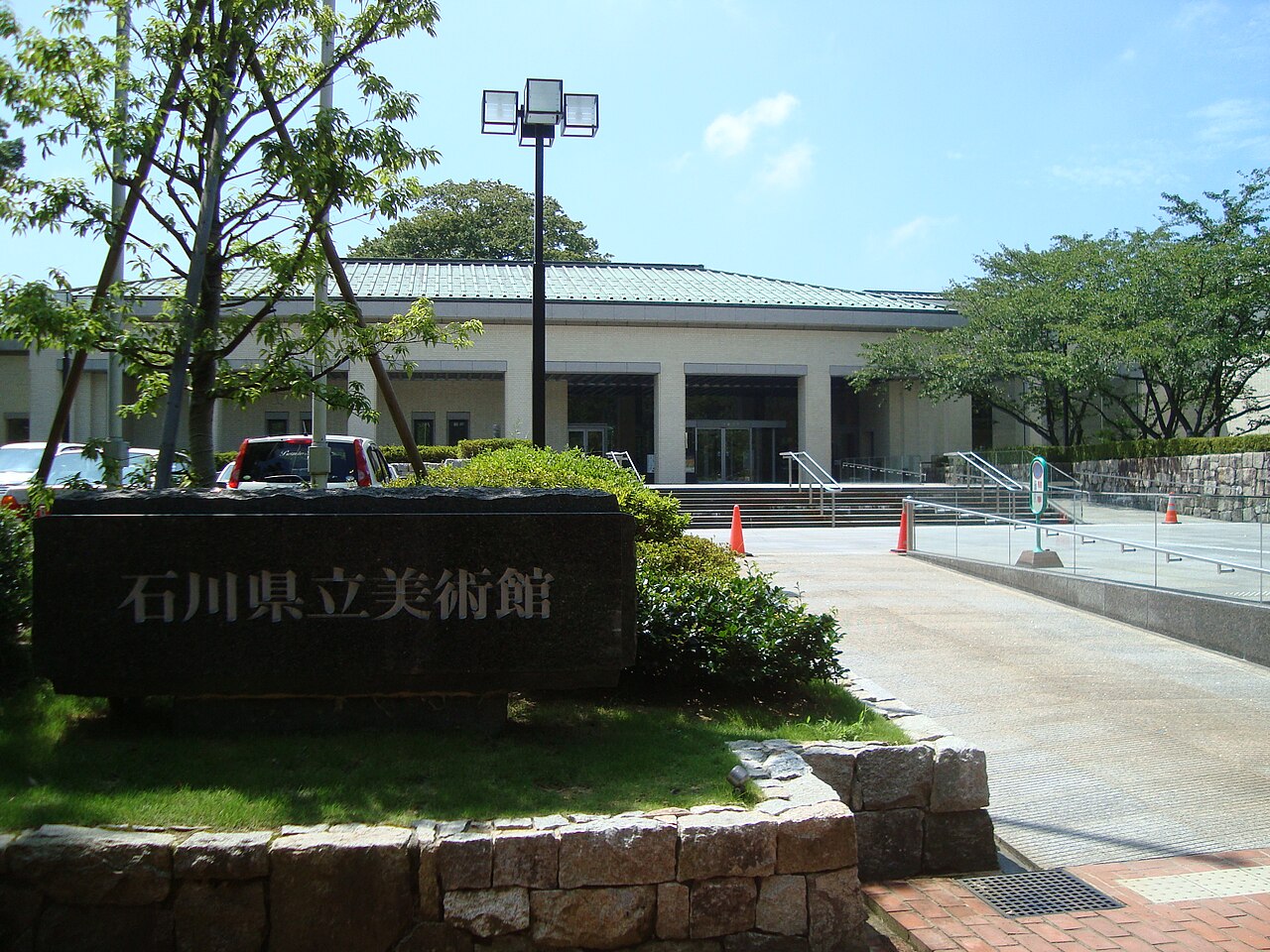
Ishikawa's flagship art museum, strong on Kutani porcelain, Kaga crafts and a National Treasure incense burner.
The Ishikawa Prefectural Museum of Art is the region's flagship fine-arts institution, showcasing the exceptionally rich artistic heritage of the old Kaga domain alongside modern and contemporary Japanese art. It sits in the Dewamachi cultural quarter on the edge of the Kenroku-en plateau, part of a cluster of museums that also includes the Nakamura Memorial Museum, the National Crafts Museum and the prefectural history museum, making the surrounding streets one of Kanazawa's densest concentrations of culture.
The collection reflects Kanazawa's long identity as a city of craft. Under the wealthy Maeda lords, the Kaga domain poured resources into the decorative arts, and that legacy shows in the museum's outstanding holdings of Kutani ware, the boldly coloured overglaze porcelain of Ishikawa, as well as Kaga yuzen dyed silk, Wajima and Kaga lacquerware, gold-leaf work and metal inlay. These are not dusty relics but the living traditions for which the region is still famous today, and the displays trace their evolution from the Edo period to the present.
The museum's single most treasured object is the Colour-glazed Pheasant-shaped Incense Burner, an early masterpiece of enamelled Kutani-style porcelain by the seventeenth-century potter Nonomura Ninsei, designated a National Treasure. Its brilliant plumage in green, blue and gold is instantly memorable and alone justifies a visit for anyone interested in Japanese ceramics. Around it, the permanent galleries present paintings, sculpture and craft by artists connected to Ishikawa, including many designated Living National Treasures, giving a strong sense of continuity between historical mastery and contemporary practice.
Alongside its permanent collection, the museum stages an active programme of special exhibitions, which range from classical Japanese art to touring shows of Western painting and modern design; these usually carry a separate admission charge. The building itself is comfortable and well laid out, with generous, well-lit galleries, a respected French cafe run by a noted local patissier, and a good shop for craft-minded souvenirs.
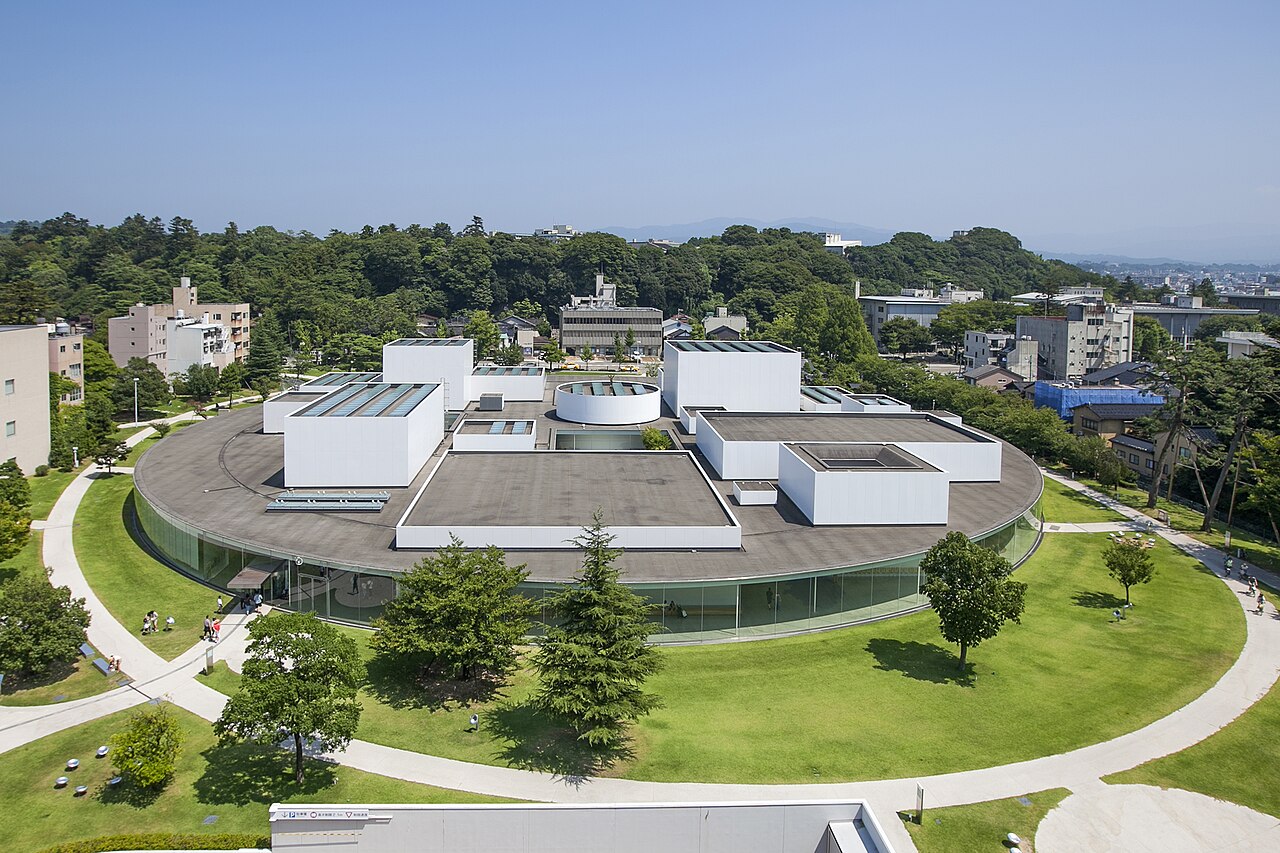
Compared with the crowd-pulling 21st Century Museum a few minutes away, the Prefectural Museum of Art is calmer and more traditional in feel, appealing especially to visitors who want to understand why Kanazawa is regarded as a craft capital. Most people spend about an hour and a half here, more if a major special exhibition is on. English labelling is present but can be limited, so a general interest in Japanese arts helps.
The best time to visit is a weekday afternoon, when the galleries are quiet. Admission to the permanent collection is modest at around 370 yen, with special exhibitions priced separately.
To reach the museum, take the Kanazawa Loop Bus or a Hokutetsu bus from Kanazawa Station and alight at the Hirosaka / Kenrokuen-shita area, then walk a few minutes into the Dewamachi quarter; it is also an easy walk from Kenroku-en's Katsurazaka gate. Its location makes it simple to combine with the garden, the castle and the neighbouring museums into a single cultural day.
A local's tip
Do not miss the small gallery holding the pheasant-shaped incense burner, a National Treasure of vivid Kutani-style enamel; it is the museum's single most important object.
Best time to visit
Weekday afternoon
Getting there
Kanazawa Loop Bus or Hokutetsu bus from Kanazawa Station to the Hirosaka / Kenrokuen-shita area, then a short walk into the Dewamachi museum quarter.
Good to know
- Cafe
- Wi-Fi
- Restrooms
- Museum Shop
- Wheelchair Access
Plan the whole trip offline
Ishikawa Prefectural Museum of Art is one of many places in the Real Japan app — with turn-by-turn directions, nearby spots and full offline maps you can use with no signal.