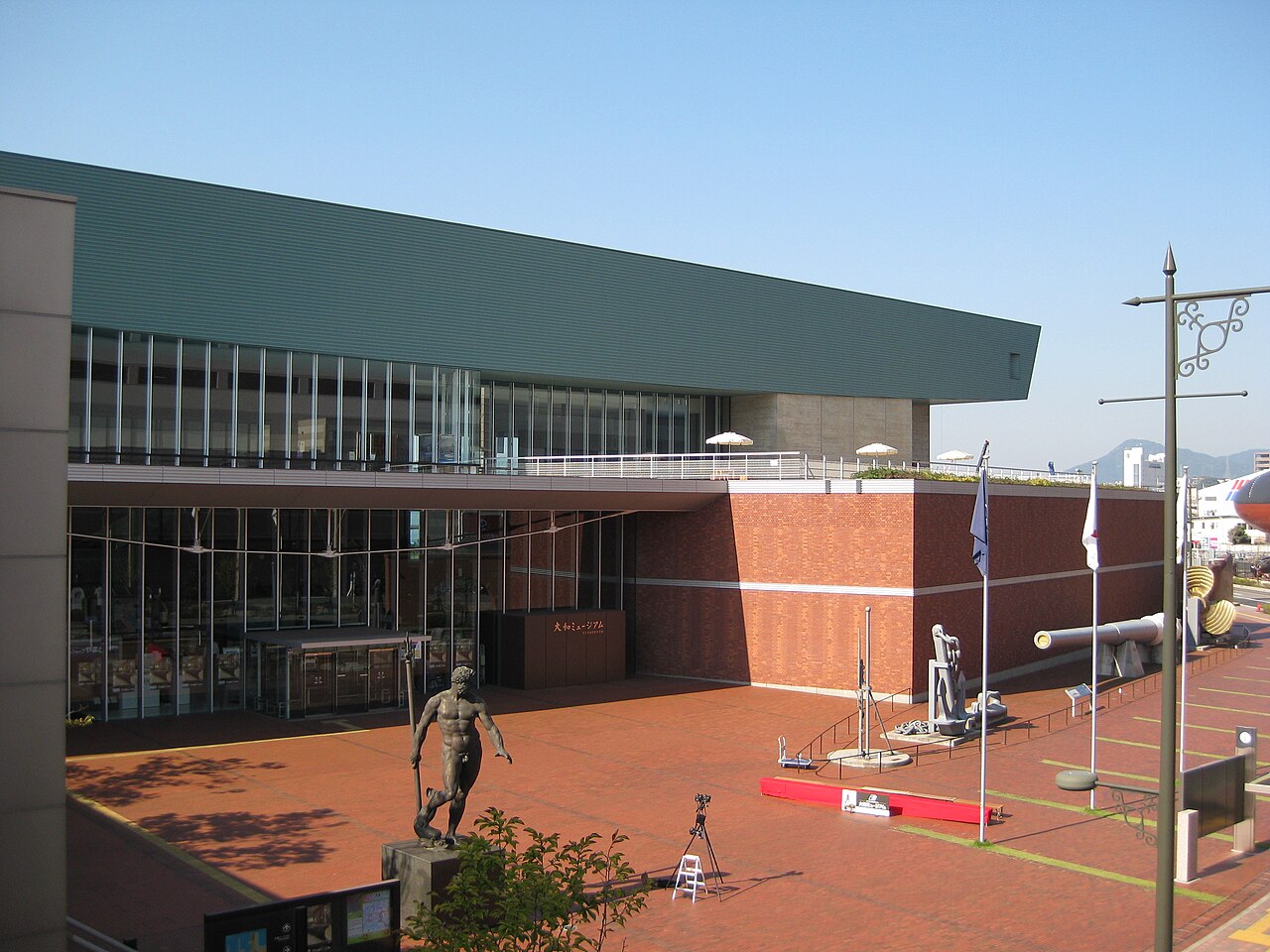
Kure's landmark maritime museum, built around a 26-metre 1/10 scale model of the battleship Yamato.
The Yamato Museum, officially the Kure Maritime History and Science Museum, is the standout attraction of Kure, the naval port a short train ride east of Hiroshima. Opened in 2005 on the very waterfront where the battleship was built, it tells the story of Kure's shipbuilding and of the science and human cost of the sea, all anchored by one unforgettable exhibit: a 26.3-metre, one-tenth scale model of the battleship Yamato, the flagship of the Imperial Japanese Navy and the largest battleship ever built.
That colossal model, displayed in a light-filled atrium you can circle from multiple levels, is the reason most people come, and it does not disappoint. Every turret, crane and lifeboat is rendered in exacting detail, and the sheer length of the thing makes the real ship's scale suddenly comprehensible. Yamato was completed at the Kure Naval Arsenal in 1941 and sunk in April 1945 during a one-way mission toward Okinawa, going down with most of her crew; the museum treats her not as a symbol of glory but as a way into questions about technology, ambition and war.
Beyond the model, the galleries are genuinely rich. You will find real artifacts including a Zero fighter plane, a Kaiten human torpedo, and a Special Type A midget submarine, alongside displays on the history of Kure as a naval city, the engineering behind giant ships, and the postwar reinvention of that expertise for peaceful shipbuilding and industry. A hands-on science wing aimed at children explains the principles of ships, waves and buoyancy through interactive exhibits, so the museum works as well for families as for military-history buffs. Panels carry English summaries, and the emotional throughline, from wartime destruction to postwar recovery, mirrors Hiroshima's own.
The museum reopened in April 2026 after an extended renovation, so exhibits and facilities are fresh, with a cafe, a well-stocked shop selling ship models and local Kure souvenirs, and full accessibility throughout. Admission is modest at around 500 yen for adults, with special exhibitions priced separately. Allow at least two hours, more if you have children in tow or a keen interest in naval engineering.
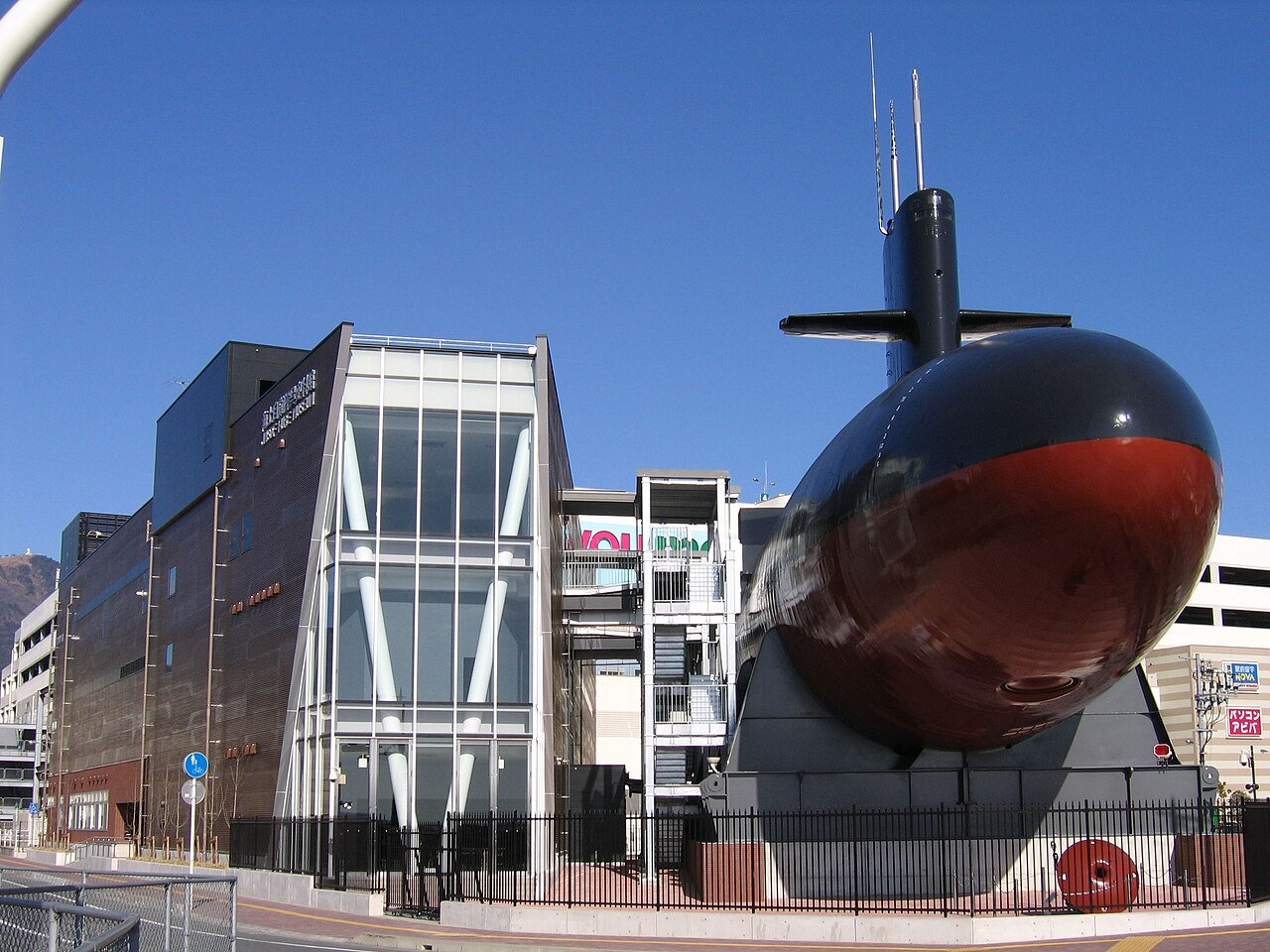
Getting there is straightforward and covered by the Japan Rail Pass: take the scenic JR Kure Line from Hiroshima Station, a ride of about forty minutes hugging the Inland Sea coast, and Kure Station is a five-minute walk from the museum on the port. Right next door stands the JMSDF Kure Museum with its beached real submarine, so the two combine into an excellent maritime half-day. Come on a weekday if you can, start with the great Yamato model before the tour buses arrive, and give yourself time on the outdoor deck to watch the working harbour, where Japan's naval and shipbuilding story is still being written today.
A local's tip
See the giant 1/10 scale Yamato first thing before tour groups arrive, then combine your visit with the submarine museum a two-minute walk away for a full maritime half-day.
Best time to visit
Weekday to avoid the busy 1/10 Yamato hall
Getting there
Take the JR Kure Line from Hiroshima Station to Kure (about 40 minutes), then walk 5 minutes toward the waterfront; the museum is beside the Kure port terminal and next to the JMSDF Kure Museum.
Good to know
- Cafe
- Shop
- Restrooms
- Wheelchair
Plan the whole trip offline
Yamato Museum is one of many places in the Real Japan app — with turn-by-turn directions, nearby spots and full offline maps you can use with no signal.