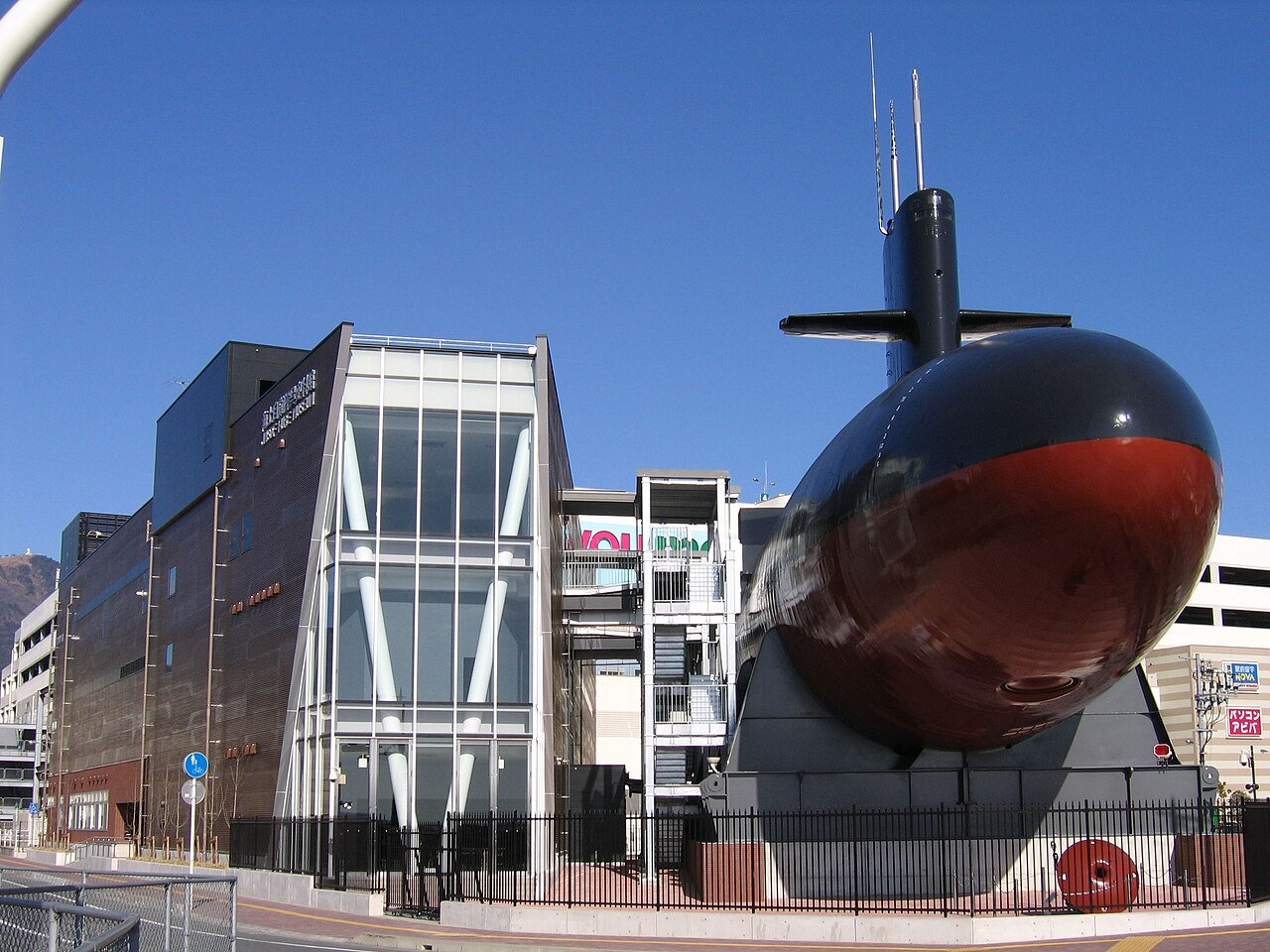
Walk inside a real retired submarine at this free naval museum, nicknamed the Iron Whale.
The JMSDF Kure Museum, affectionately nicknamed Tetsu no Kujira, the Iron Whale, is one of Japan's most memorable and unusual museums, and it is completely free to enter. Run by the Japan Maritime Self-Defense Force in the naval city of Kure, it is instantly recognisable from the street: an entire real submarine, the 76-metre Akishio, hauled out of the water and mounted on land so that you can climb up and walk right through its interior. There are few places in the world where an ordinary visitor can stroll inside a genuine, retired combat submarine, and that alone makes it worth the short trip from Hiroshima.
Inside the main building, the exhibits trace two intertwined stories. The first is the history and craft of minesweeping, a task in which Japan's postwar navy became a world leader, clearing the tens of thousands of mines that littered its home waters after 1945; models, real equipment and clear displays explain this dangerous, painstaking work. The second is the world of submarines, covering how they dive, navigate and sustain their crews, illustrated with equipment, uniforms and detailed models. The exhibits do a good job of conveying both the engineering and the human reality of serving beneath the sea.
The undoubted highlight is boarding the Akishio itself. A raised walkway leads you up and into the boat, where you pass through narrow passages, the control room with its periscopes, banks of dials and valves, and the astonishingly cramped bunks and mess where sailors lived for weeks on end. Squeezing through the tight spaces gives a visceral sense of submarine life that no display case can match, and it delights children and adults equally. Photography is generally allowed, and the views back over the harbour from the entrance ramp are excellent.
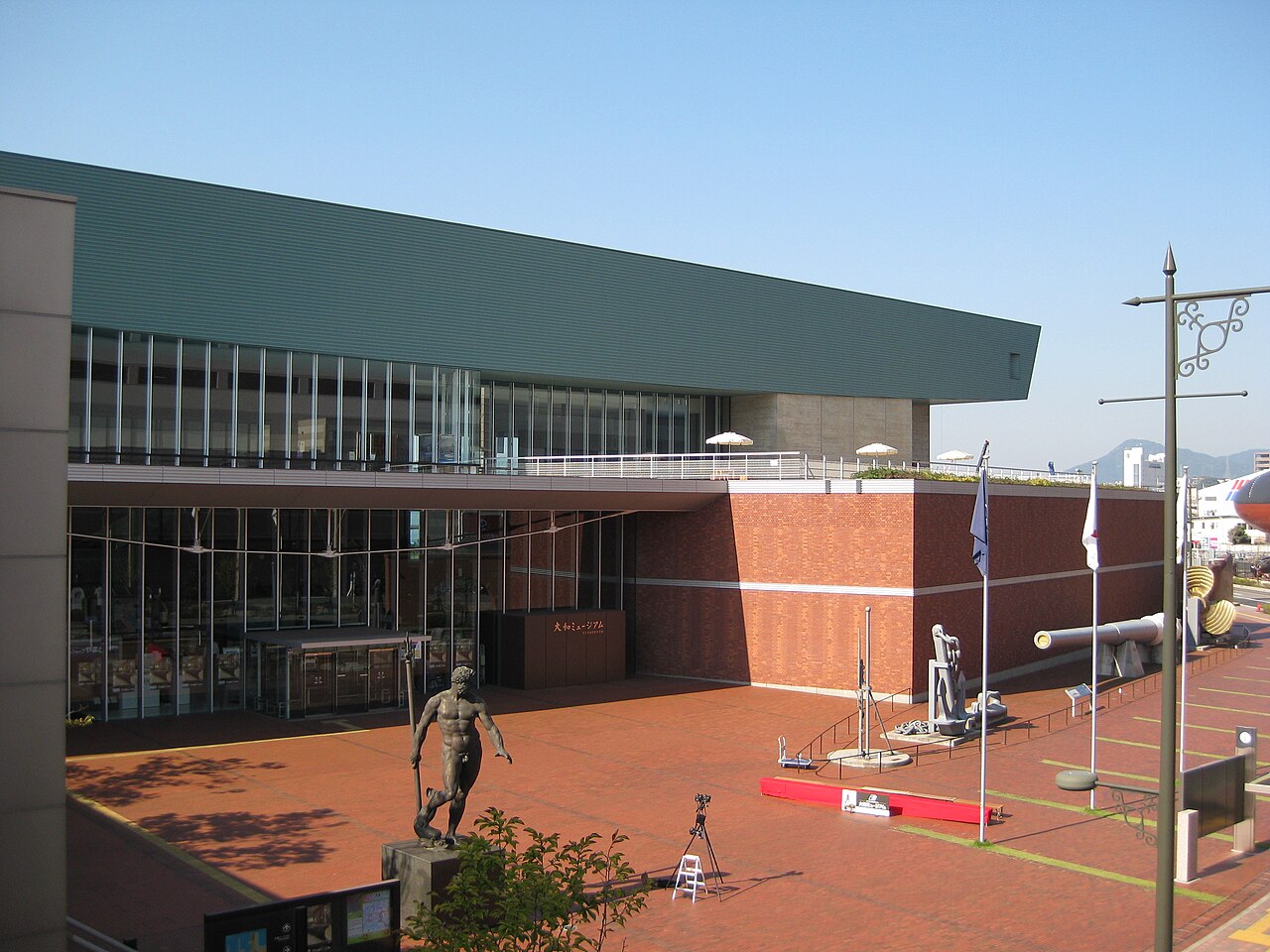
Because admission is free, it is an easy addition to any Kure itinerary, and it pairs perfectly with the Yamato Museum, which stands just across the way; between the giant battleship model and the real submarine you get a complete, hands-on picture of Japan's naval past and present in a single afternoon. Facilities include restrooms and a small shop selling submarine-themed souvenirs; note that access into the submarine involves stairs and tight spaces, so the boat interior is not wheelchair accessible even though the main museum is largely level. Plan around an hour, more if you linger over the Akishio.
Reaching it could not be simpler and is covered by the Japan Rail Pass: ride the scenic JR Kure Line from Hiroshima Station along the Inland Sea for about forty minutes, and the museum is a five-minute walk from Kure Station toward the port. IC cards work on the trains too. Note the museum closes on Tuesdays, one day different from the neighbouring Yamato Museum, so check opening days when planning. For anyone with even a passing interest in ships, engineering or simply seeing something genuinely one-of-a-kind, the Iron Whale is an unmissable, cost-free treat.
A local's tip
Entry is free and you actually walk inside the retired submarine Akishio; go up into the control room to see the periscopes and cramped bunks that reveal real submariners' lives.
Best time to visit
Combine with the neighbouring Yamato Museum
Getting there
Take the JR Kure Line from Hiroshima Station to Kure (about 40 minutes) and walk 5 minutes to the waterfront; the museum is impossible to miss, marked by a giant real submarine sitting on land beside the Yamato Museum.
Good to know
- Shop
- Restrooms
- Wheelchair
Plan the whole trip offline
JMSDF Kure Museum is one of many places in the Real Japan app — with turn-by-turn directions, nearby spots and full offline maps you can use with no signal.