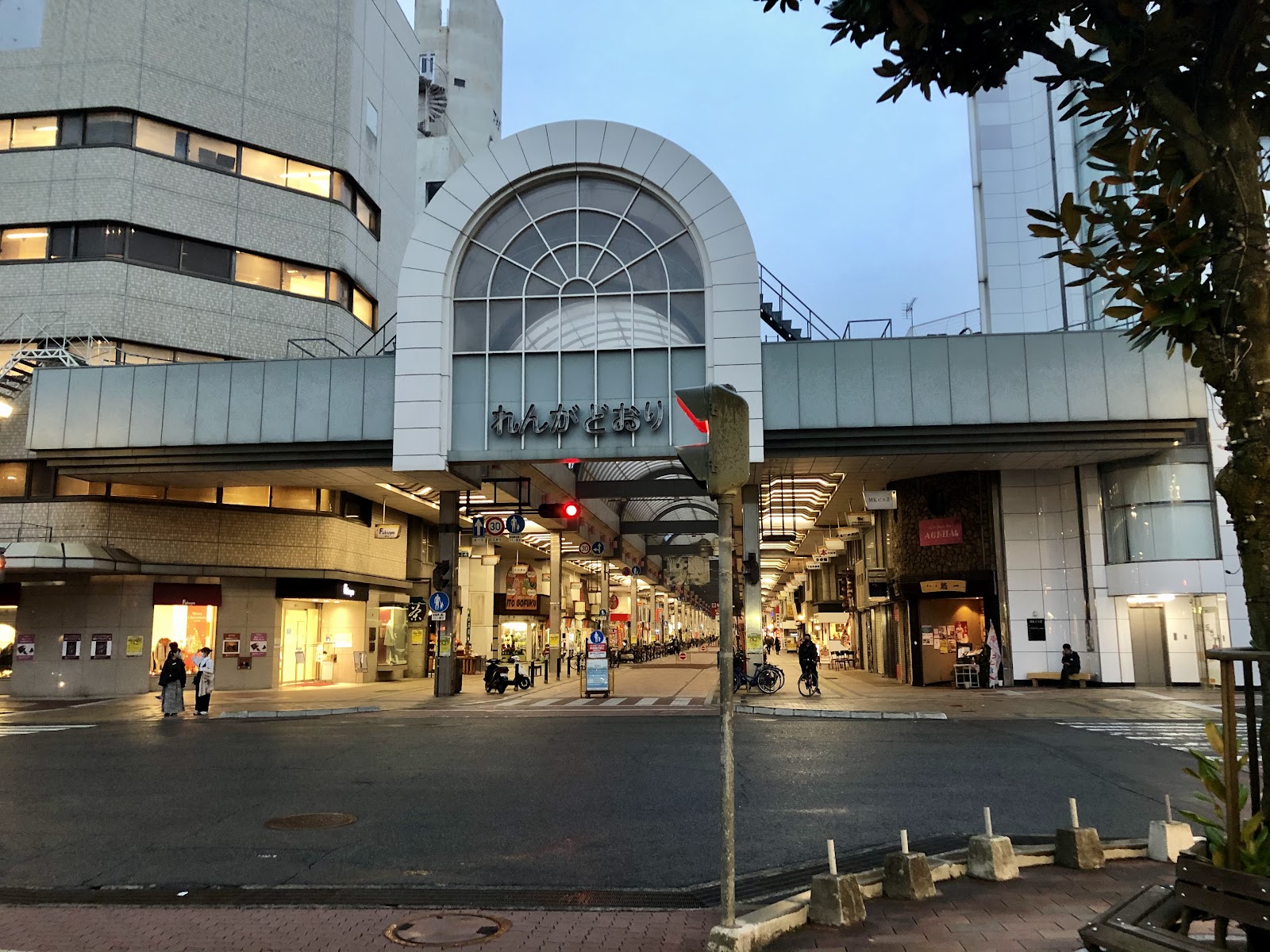
The main covered shopping arcade of the naval port city of Kure, near the Yamato Museum and the harbour's shipbuilding heritage.
Kure Renga-dori is the principal shopping arcade of Kure, a naval port city on the coast southeast of Hiroshima. Its name, meaning 'brick street', recalls the district's origins, and today it is a covered pedestrian arcade running through the centre of a town whose identity is bound up with the sea, ships and the Japanese navy. For visitors, the arcade pairs naturally with Kure's remarkable maritime museums to make an absorbing half-day excursion from Hiroshima.
Kure's history is inseparable from shipbuilding. From the late nineteenth century it grew into one of Japan's greatest naval bases and shipyards, and it was here that the battleship Yamato, the largest warship ever built, was constructed. That heritage shapes the town to this day, and it gives the district around Renga-dori an unusual backstory for a shopping street. The arcade itself is a workaday covered avenue of shops, restaurants, cafes and everyday stores serving the local population - fashion outlets, drugstores, eateries and specialty shops - offering a genuine slice of provincial city life away from the tourist trail. Fully roofed and flat, it is comfortable to stroll in any weather.
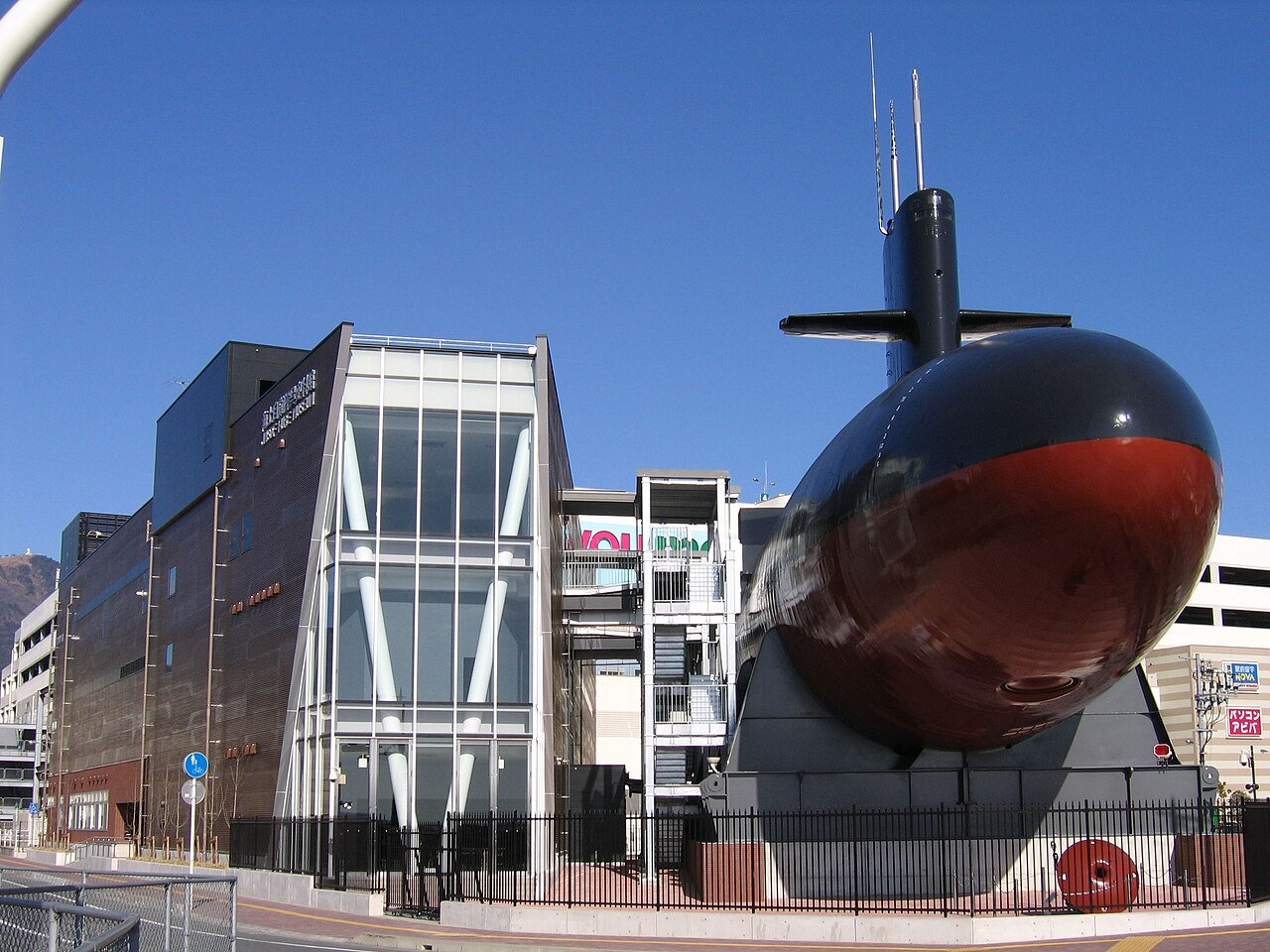
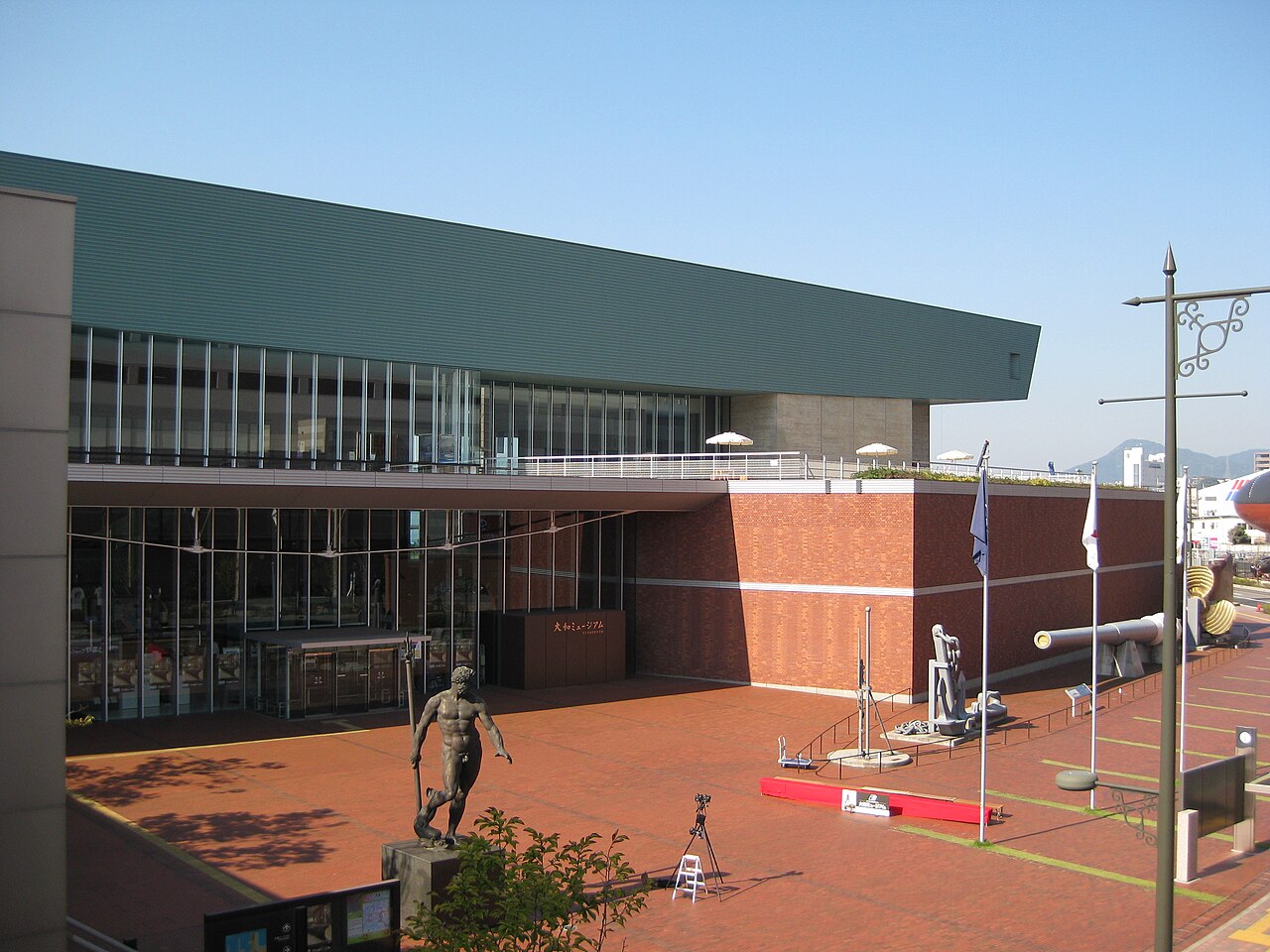
The real reason most travellers come to Kure, and the perfect complement to a wander down Renga-dori, lies a few minutes away toward the harbour. The Yamato Museum tells the story of the great battleship and of Kure's shipbuilding and naval history, its centrepiece an enormous scale model of the Yamato herself, alongside exhibits on maritime technology and the human cost of war. Directly opposite, the JMSDF Kure Museum - nicknamed the 'Iron Whale' - is built around a real decommissioned submarine that you can walk through, a genuinely memorable experience. Together these museums make Kure one of the most interesting destinations in the region for anyone drawn to naval and maritime history.
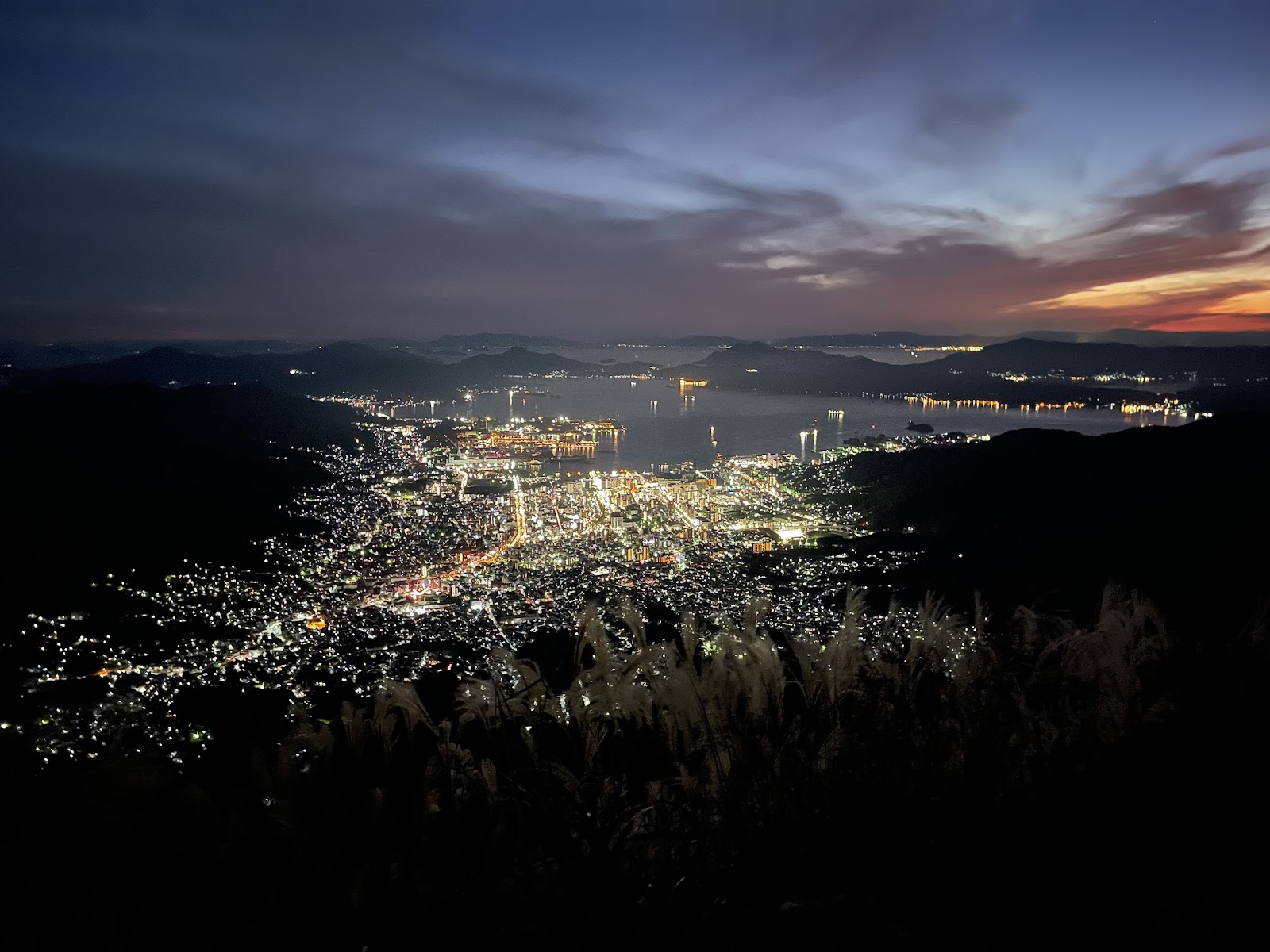
The town's heritage even reaches the plate. Kure is known for its navy-style curry, a rich, hearty version of Japanese curry rooted in the recipes once served aboard the fleet, and various restaurants around the arcade and waterfront serve their own takes on it - a fitting local dish to try after a museum visit. The harbour setting, with its views of naval vessels and shipyards, adds to the atmosphere of a working maritime city.
The experience of Renga-dori itself is low-key and practical - an ordinary but pleasant covered shopping street, best enjoyed as part of a broader visit to Kure rather than as a destination in its own right. Its value for the traveller is as the walkable heart of the town, a place to eat, shop and stroll between the station and the waterfront museums, soaking up the feel of a Japanese naval city. It is easy, flat and suitable for everyone.
Getting there is simple: take the scenic JR Kure Line from Hiroshima Station, a ride of roughly thirty to forty-five minutes along the coast, and the arcade runs through the centre a few minutes' walk from Kure Station, with the museums a little further toward the harbour. Combine Renga-dori with the Yamato and submarine museums and a bowl of navy curry for a rewarding day trip into Hiroshima Prefecture's maritime heart.
A local's tip
Combine the arcade with Kure's naval heritage - the Yamato Museum and the JMSDF submarine museum are a short walk toward the harbour - and try the local navy-style curry, a hearty dish rooted in the town's shipbuilding and naval past.
Best time to visit
Afternoon, combined with the Yamato Museum
Getting there
Take the JR Kure Line from Hiroshima Station about 30-45 minutes to Kure; the Renga-dori arcade runs through the city centre a few minutes' walk from the station and the waterfront museums.
Good to know
- Wi-Fi
- Restrooms
Plan the whole trip offline
Kure Renga-dori is one of many places in the Real Japan app — with turn-by-turn directions, nearby spots and full offline maps you can use with no signal.