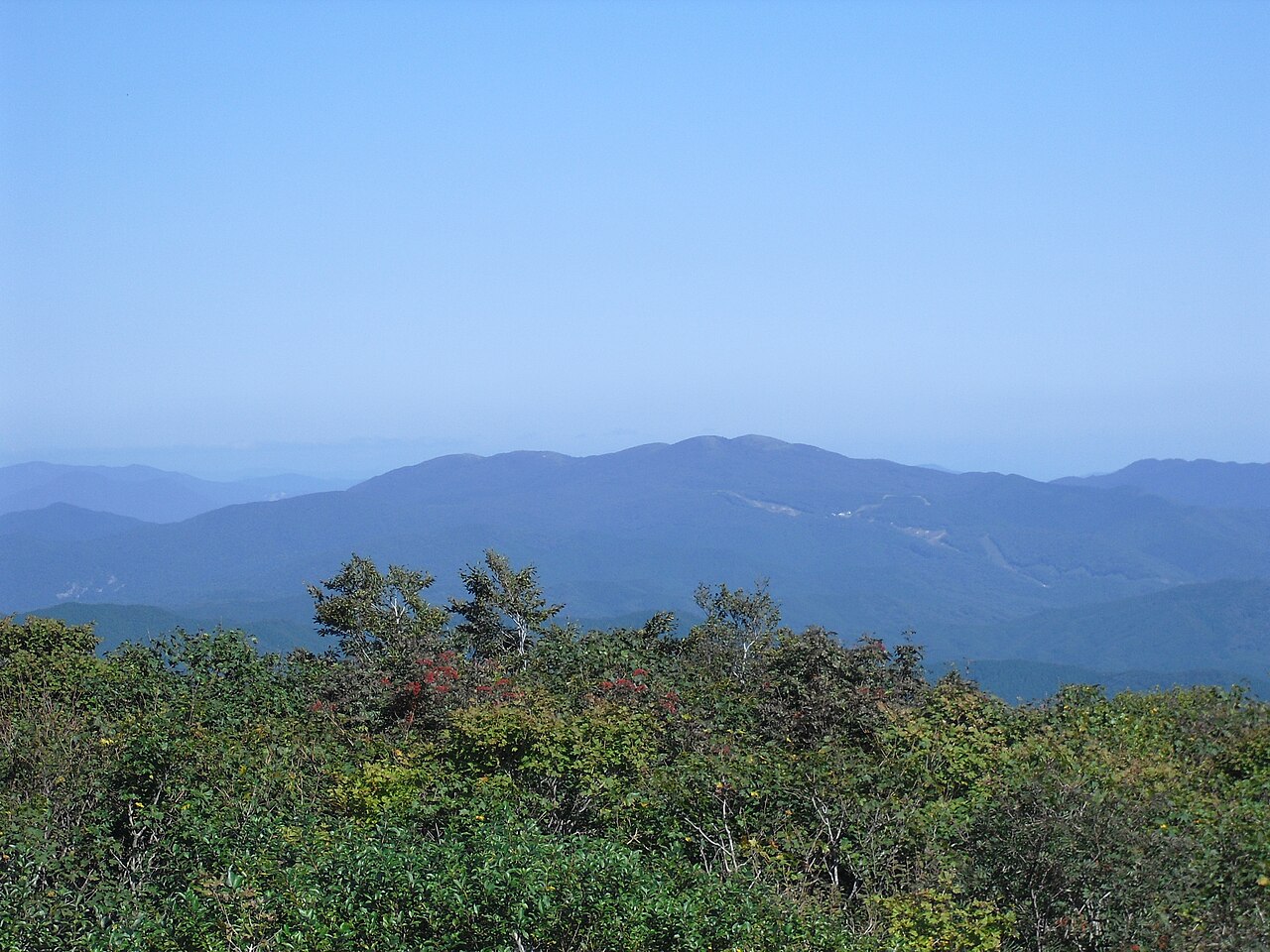
An 839-metre highland plateau east of Kure with sweeping lookouts over the island-dotted Inland Sea.
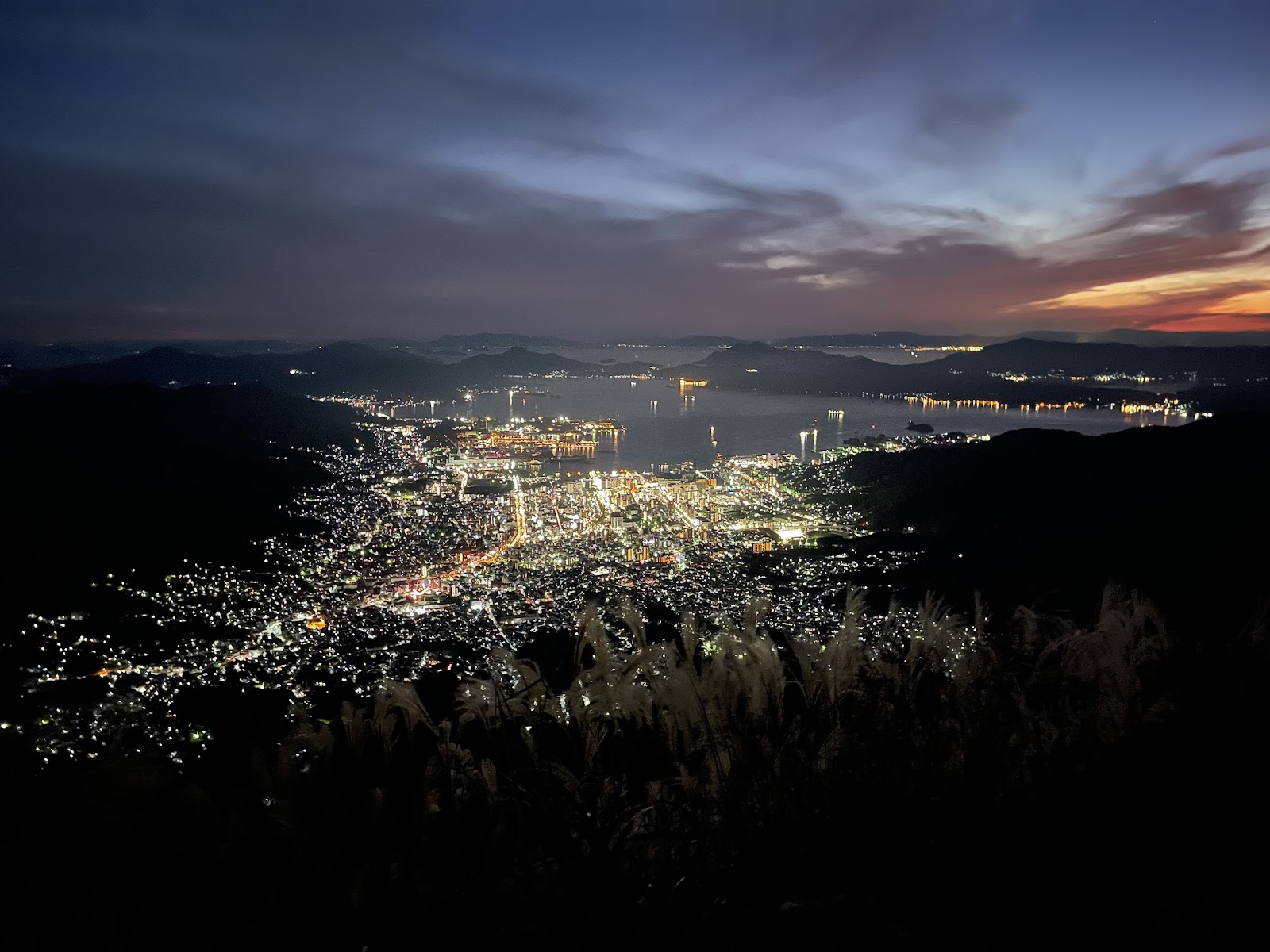
Mount Noro, rising to 839 metres between Kure and Takehara in eastern Hiroshima Prefecture, is capped by the Noro Kogen, a breezy highland plateau whose lookouts offer some of the widest Inland Sea panoramas in the region. From the summit viewpoints the sea unfolds in a vast mosaic of islands, straits and passing ships, the coastline curling away toward Shikoku, and on clear days the horizon seems almost limitless. It is a cooler, greener escape from the coastal heat, long popular with Hiroshima families for its highland air and open views.
The plateau has been a mountain resort for the best part of a century. The historic Noro Kogen Lodge, a rustic stone-built inn dating to the early Showa era, still stands among the trees, and the highland is laced with walking trails, campgrounds and picnic clearings. Great weathered granite boulders — some with names and legends attached — dot the summit area, and in spring the slopes are bright with cherry blossom and azalea, while autumn brings russet colour to the highland woods. Wild birdsong and the scent of pine give the plateau a restorative, away-from-it-all feel.
Several distinct lookout points ring the top, each framing a slightly different arc of the seascape, so it is worth walking between them rather than settling for the first. The most famous vantages take in the sweep toward Kure's harbour on one side and the open Inland Sea on the other, with the Tobishima and Kamagari islands strung out below and bridges linking them in the distance. Sunrise and sunset both work beautifully here, painting the water and islands in shifting light.
Because Noro is a highland rather than a single peak, it suits an unhurried visit: drive up, wander the trails, picnic among the boulders, and move between the lookouts as the light changes. Clear, dry days give the best long-distance views; spring and autumn are the most comfortable and colourful seasons, while summer offers welcome cool. The plateau is exposed and can be chilly and windy even when the coast is warm, so bring a layer.
Facilities are those of an established mountain park: parking near the summit, restrooms, the lodge, picnic areas and marked trails. The summit road removes the need to hike for the main views, making the lookouts accessible to drivers and taxi passengers, though walkers can explore deeper on the highland paths.
Getting there is easiest by car: from the coastal town of Kawajiri, on the scenic JR Kure Line, a winding summit road climbs to the plateau in around half an hour, and taxis can be arranged at the station. Kawajiri is reached from Hiroshima via Kure on the Kure Line, covered by the Japan Rail Pass. The highland is free and open at all hours. Allow ninety minutes or more to drive up, walk between the lookouts, and enjoy the highland setting.
A local's tip
Combine the summit lookouts with the highland's walking trails and the historic Noro Kogen Lodge for a half-day away from the coast.
Best time to visit
Clear days for Inland Sea panoramas; spring for blossom
Getting there
From Kawajiri Station on the JR Kure Line, drive or take a taxi up the toll-free summit road to the Noro Kogen plateau and its lookout points.
Good to know
- Lodge
- Parking
- Restrooms
Plan the whole trip offline
Mount Noro Kogen is one of many places in the Real Japan app — with turn-by-turn directions, nearby spots and full offline maps you can use with no signal.