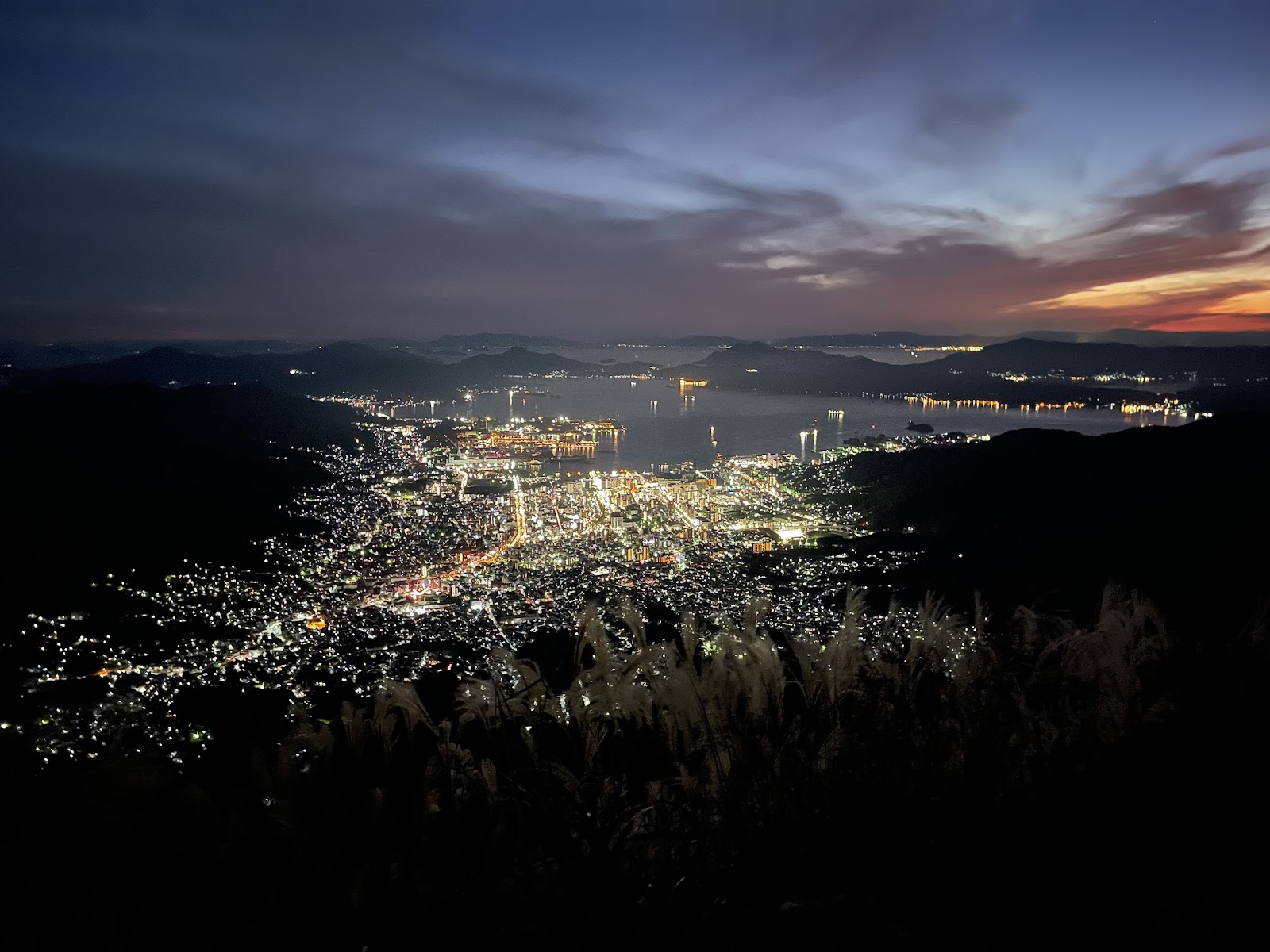
At 737 metres above the naval port of Kure, a summit tower delivering one of the finest night views in western Japan.
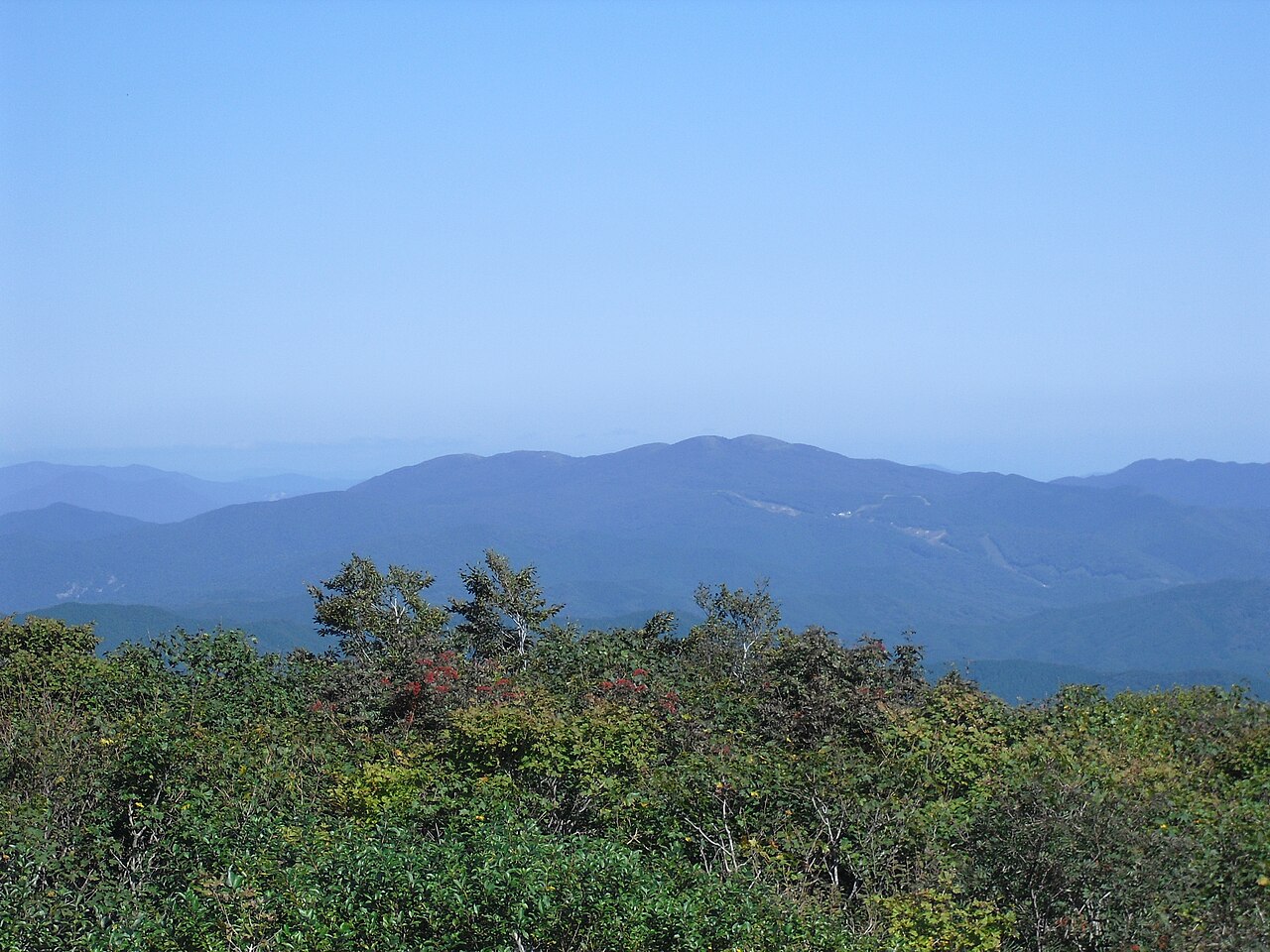
Rising 737 metres directly above the naval port city of Kure, Mount Haigamine holds a reputation as one of the great night-view mountains of western Japan, and its summit observatory rewards the climb with a jewelled panorama that locals compare to looking down from the heavens. By day the view sweeps over Kure's harbour and shipyards, the intricate coastline of the Inland Sea, and a scatter of islands reaching toward Shikoku. By night it transforms: the port's lights, the moving glow of ships in the roadstead, and the streets of the city below spread out in a glittering carpet, with moonlight silvering the water beyond.
Haigamine's height — more than twice that of Mount Hakodate, one of Japan's three most celebrated night views — gives it an unusually commanding outlook, and the summit has been developed with a proper stone observation tower, viewing terraces and parking to make the most of it. The mountain is also known for its spring cherry and azalea blooms, which draw daytime visitors up the winding road, but it is after sunset that Haigamine truly earns its fame, when photographers and courting couples gather on the terrace for the show.
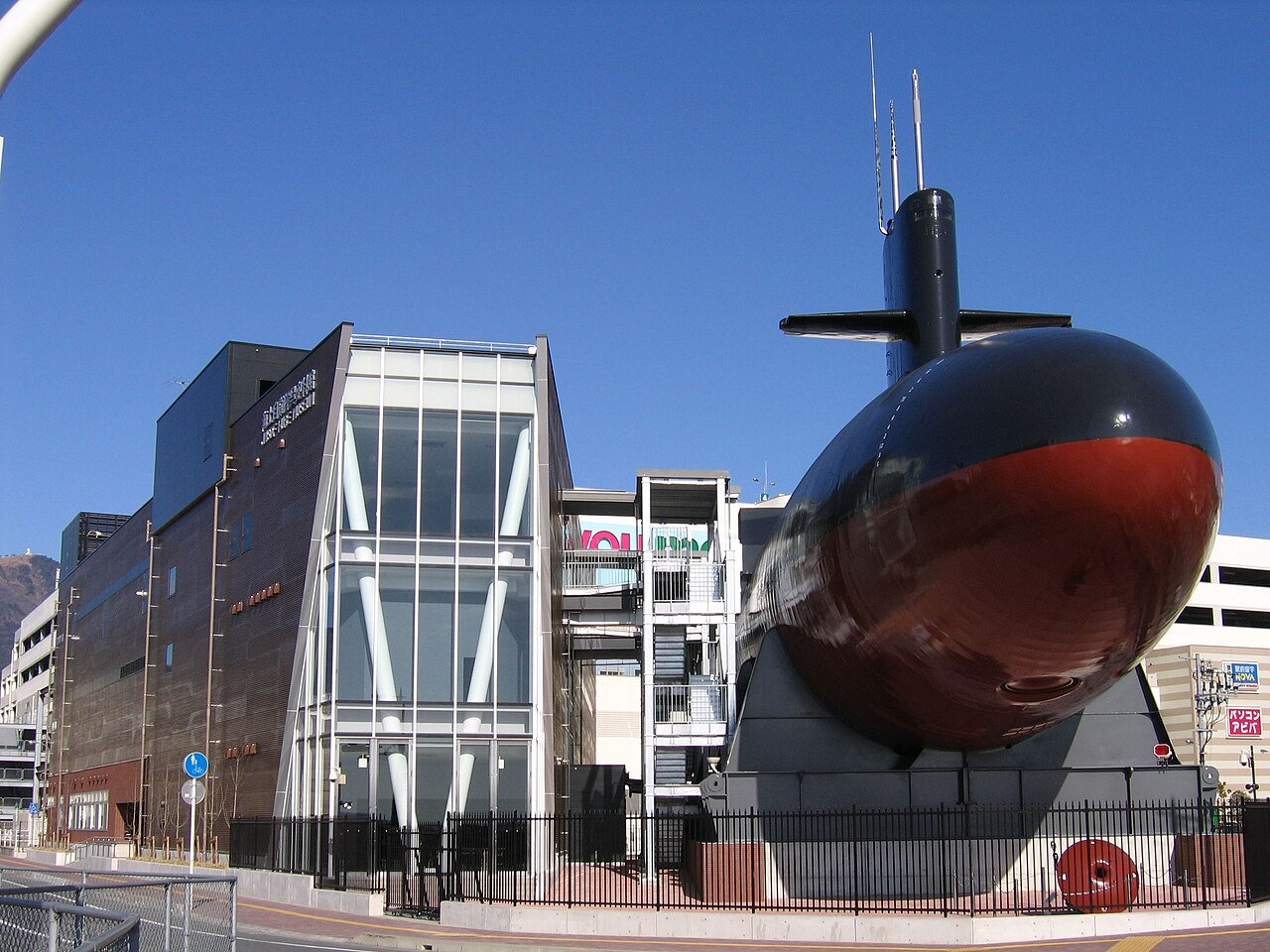
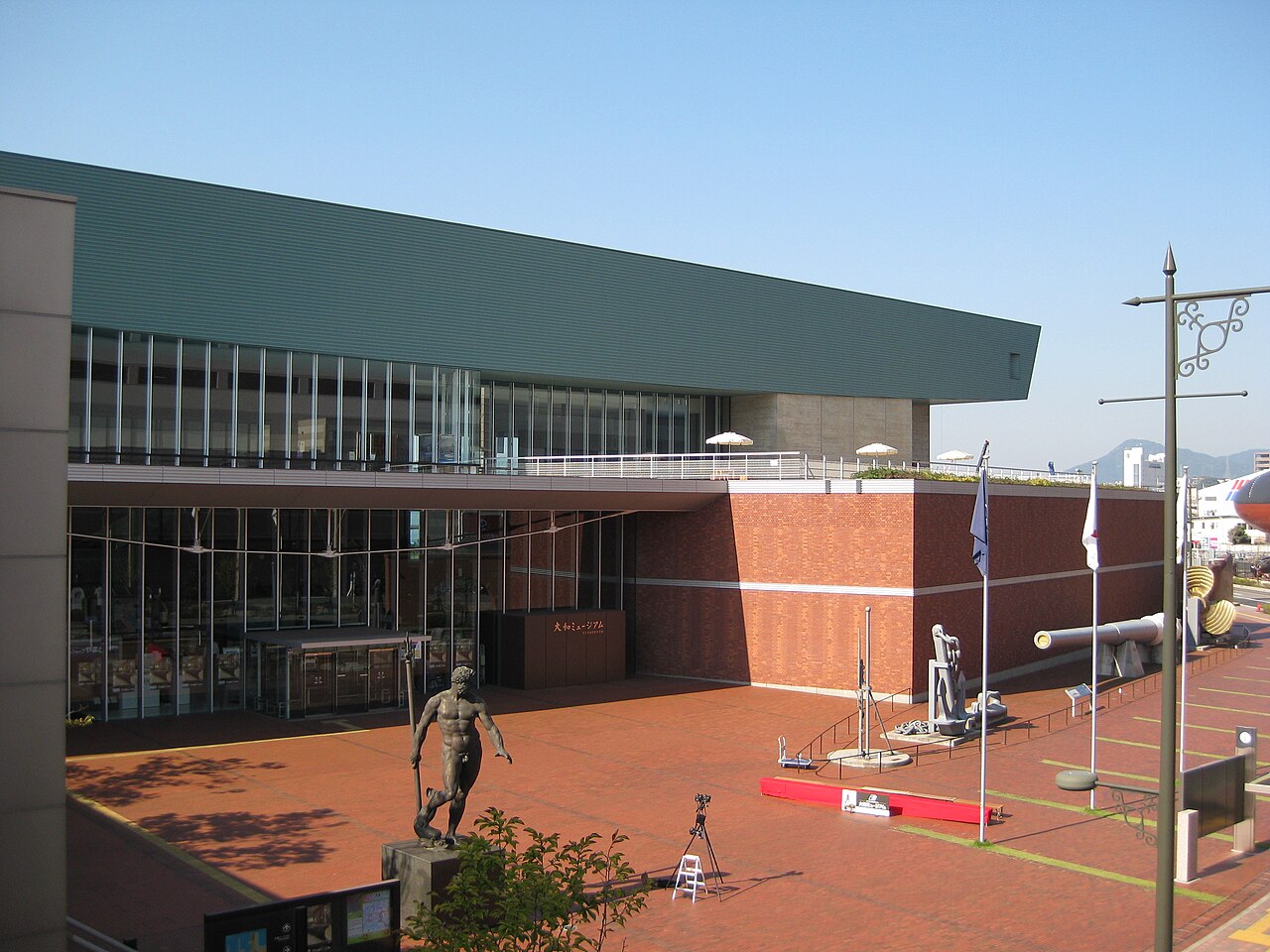
The city below adds meaning to the view. Kure was one of Imperial Japan's greatest naval arsenals, the birthplace of the battleship Yamato, and remains a major shipbuilding and Maritime Self-Defense Force port. From the summit you look down on that living harbour — cranes, docks and grey hulls — laid out like a working model, a reminder that this is a place of industry as much as scenery. Interpretive spots on the mountain touch on its wartime role, including radar and lookout posts once sited on the heights.
Because the appeal is chiefly the light and the panorama, timing is everything. Arrive before sunset to take in the daytime coastline, then stay through blue hour into full darkness when the night view peaks. Clear, dry nights — often after rain has scrubbed the air — give the sharpest, most extensive results. The summit is exposed and noticeably cold and windy, so warm clothing is wise in every season, and essential in winter.
Facilities on top include parking, restrooms and the observation tower with sheltered viewing levels. The road reaches the summit, so the view is accessible to drivers and taxi passengers without any hike, though walkers can climb the trails from the city in a stiffer effort.
Getting there is easiest by car or taxi: from central Kure it is a winding twenty-minute drive to the top, and there is no direct bus to the summit. Kure itself is reached on the scenic JR Kure Line from Hiroshima, covered by the Japan Rail Pass, in about forty-five minutes. The observatory is free and open at all hours. Allow at least an hour on the summit to see the view shift from day to night.
A local's tip
Bundle up even in summer — at 737 metres the summit is markedly cooler and windier than the port below, and the night view is worth the wait for full dark.
Best time to visit
After dark for one of Japan's top night views
Getting there
From Kure Station take a taxi or drive up the summit road of Mount Haigamine; there is no direct public transport to the top.
Good to know
- Parking
- Restrooms
- Observation Tower
Plan the whole trip offline
Mount Haigamine Observatory is one of many places in the Real Japan app — with turn-by-turn directions, nearby spots and full offline maps you can use with no signal.