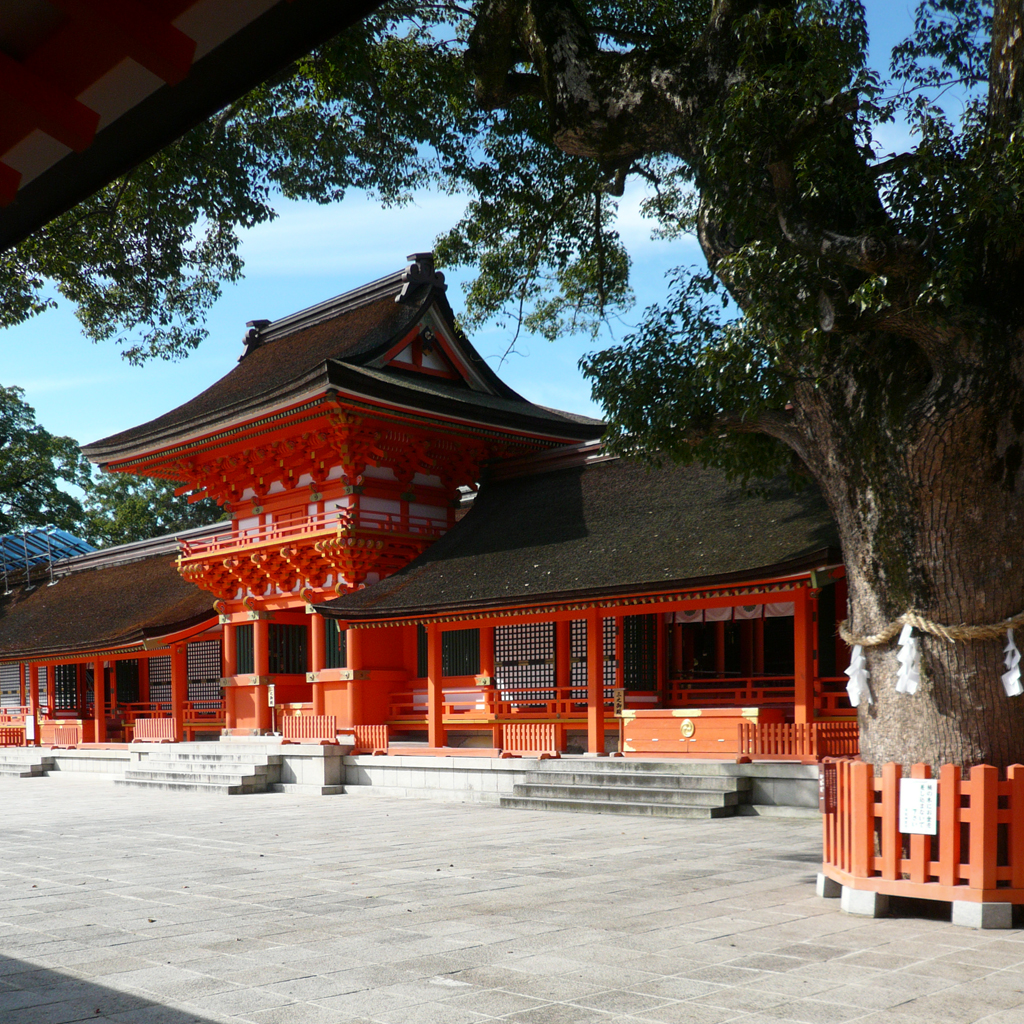
The head shrine of Japan's 40,000 Hachiman shrines, a grand vermilion complex founded in the 8th century.
Usa Jingu is the head shrine of all the Hachiman shrines in Japan, of which there are said to be some 40,000, making it one of the most important religious sites in the entire country. Set in a wooded valley in northern Oita Prefecture, within reach of Beppu, this expansive vermilion complex has been a centre of worship for more than 1,300 years and is a highlight of any journey through Kyushu's spiritual landscape.
The shrine's origins reach back to the early 8th century, when it was founded to enshrine Hachiman, the deified spirit associated with the legendary Emperor Ojin and revered as a god of war, protection and the nation. Over the centuries Hachiman became one of the most widely worshipped deities in Japan, adopted as a guardian by the imperial court and later by the samurai class, and Usa Jingu, as the original and head shrine of the cult, wielded enormous influence. It played a notable role in national affairs, including a famous 8th-century episode in which an oracle from Usa was sought on a question of imperial succession.
Architecturally, Usa Jingu is celebrated as the birthplace of the Hachiman-zukuri style, in which two parallel gabled buildings are joined together to form the main sanctuary. The principal halls, rebuilt over the centuries in accordance with tradition, are designated Important Cultural Properties and glow a deep vermilion against the surrounding greenery. The sprawling precinct is divided into an Upper Shrine and a Lower Shrine, and worshippers traditionally follow a set route between them, passing sacred ponds, torii gates and the graceful arched Kurehashi bridge that is one of the site's most photographed features.
A visit involves a pleasant walk through the grounds, crossing the ponds and climbing gently to the main sanctuaries, where the customary manner of prayer at Usa uniquely calls for two bows, four claps and a final bow, rather than the usual two claps. A treasure hall displays artefacts and art connected with the shrine's long history, and the wooded setting is beautiful across the seasons, with cherry blossom and wisteria in spring, when the shrine's famous wisteria trellises bloom, and quiet colour in autumn.
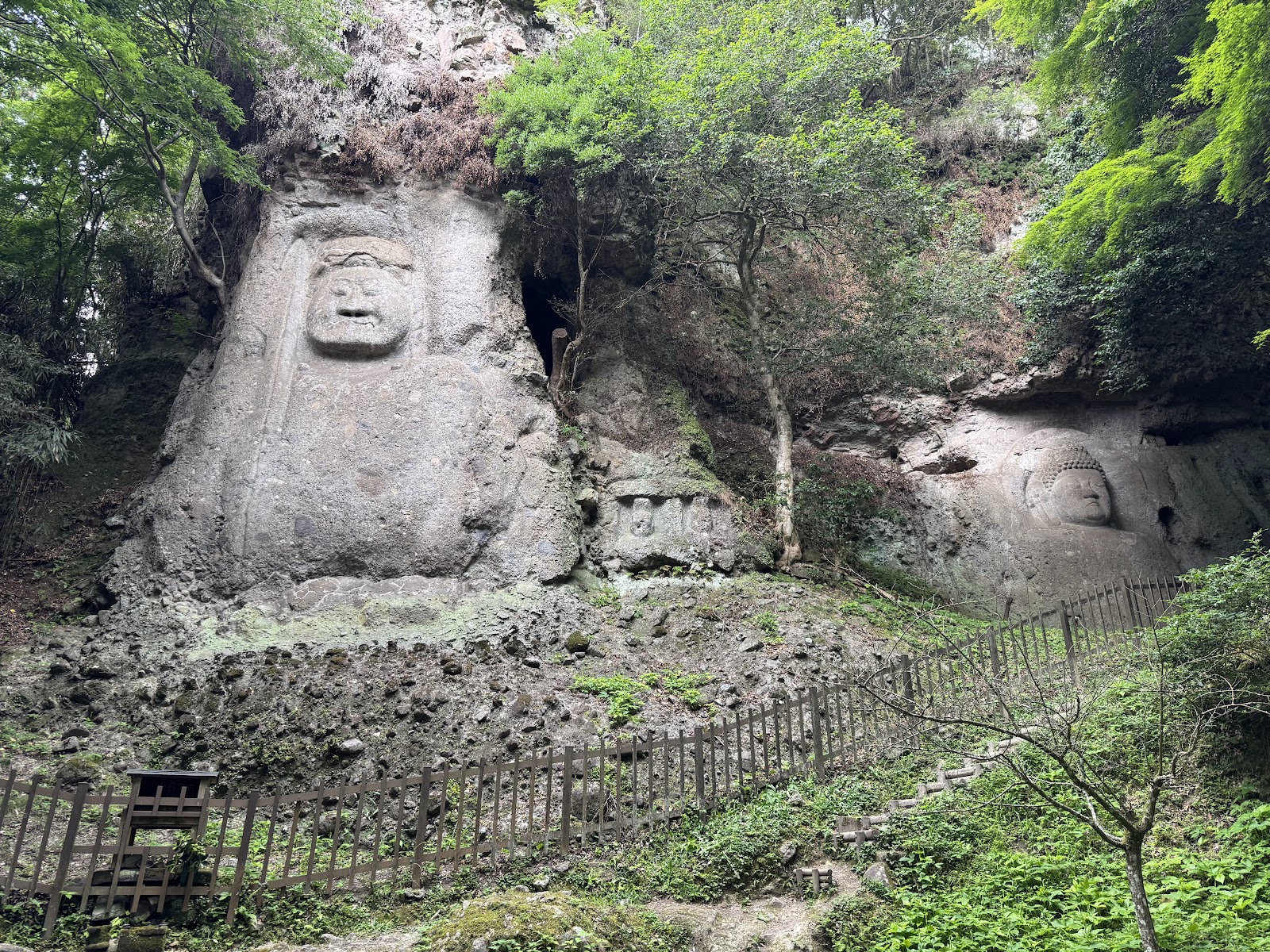
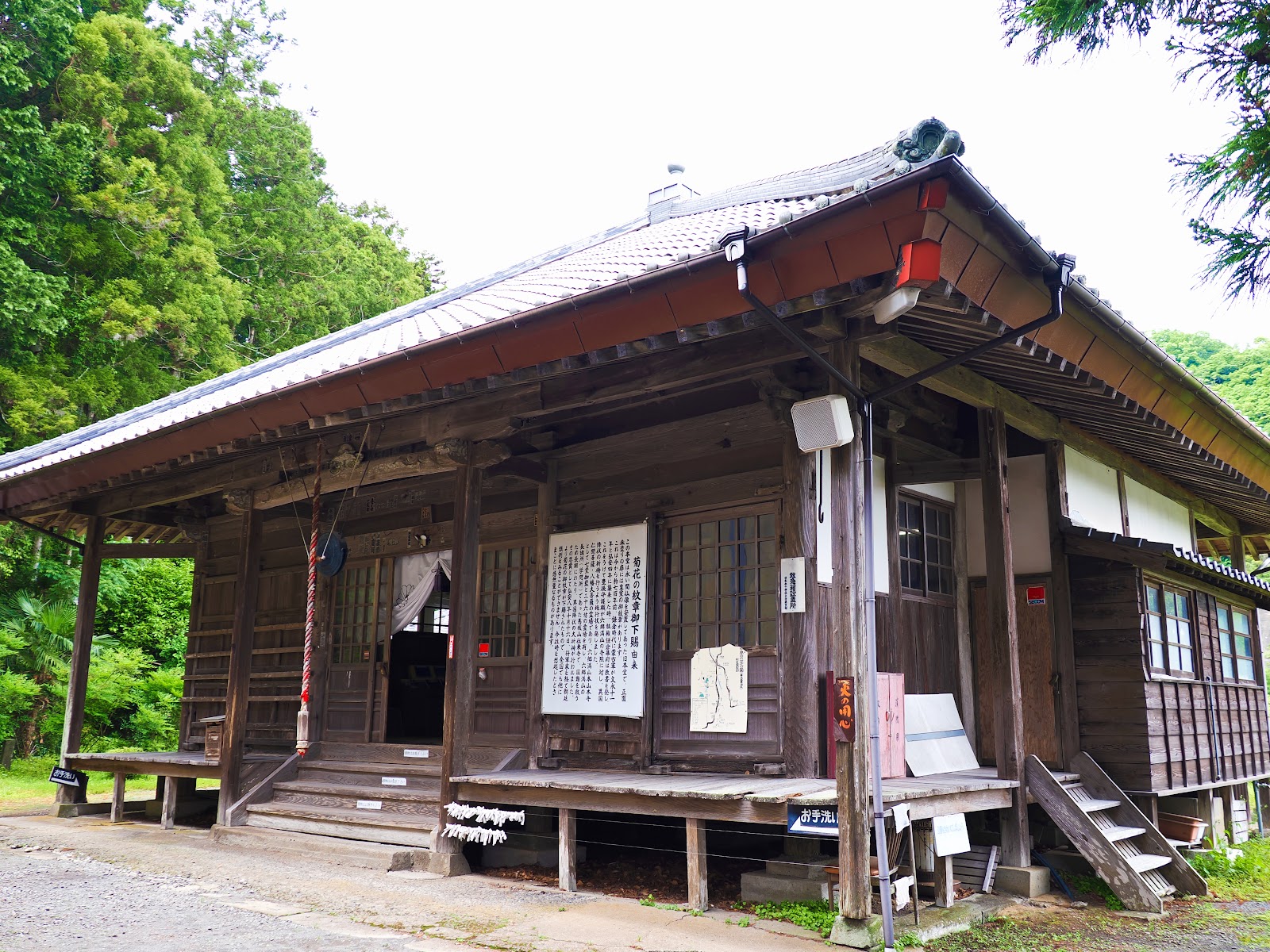
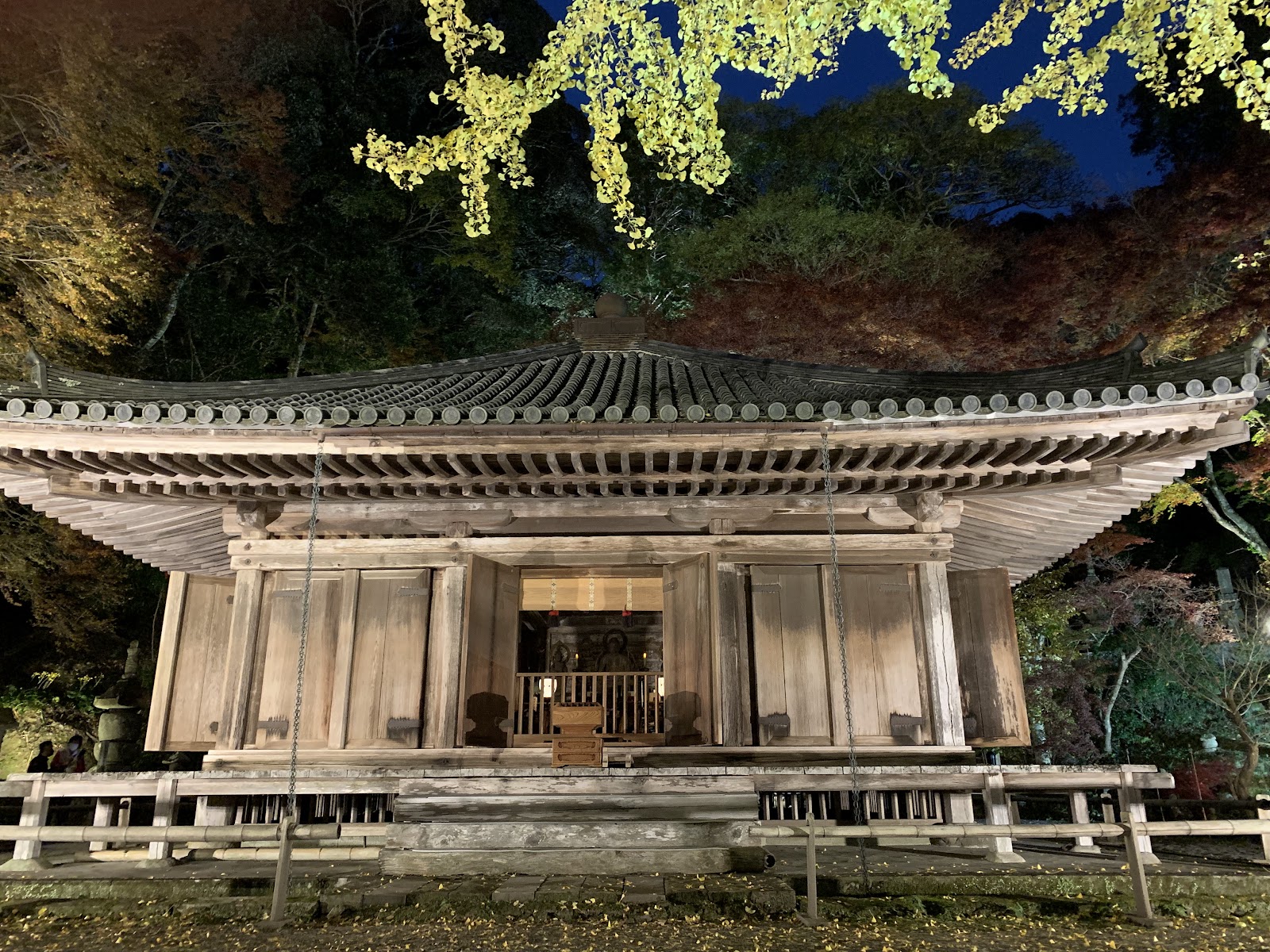
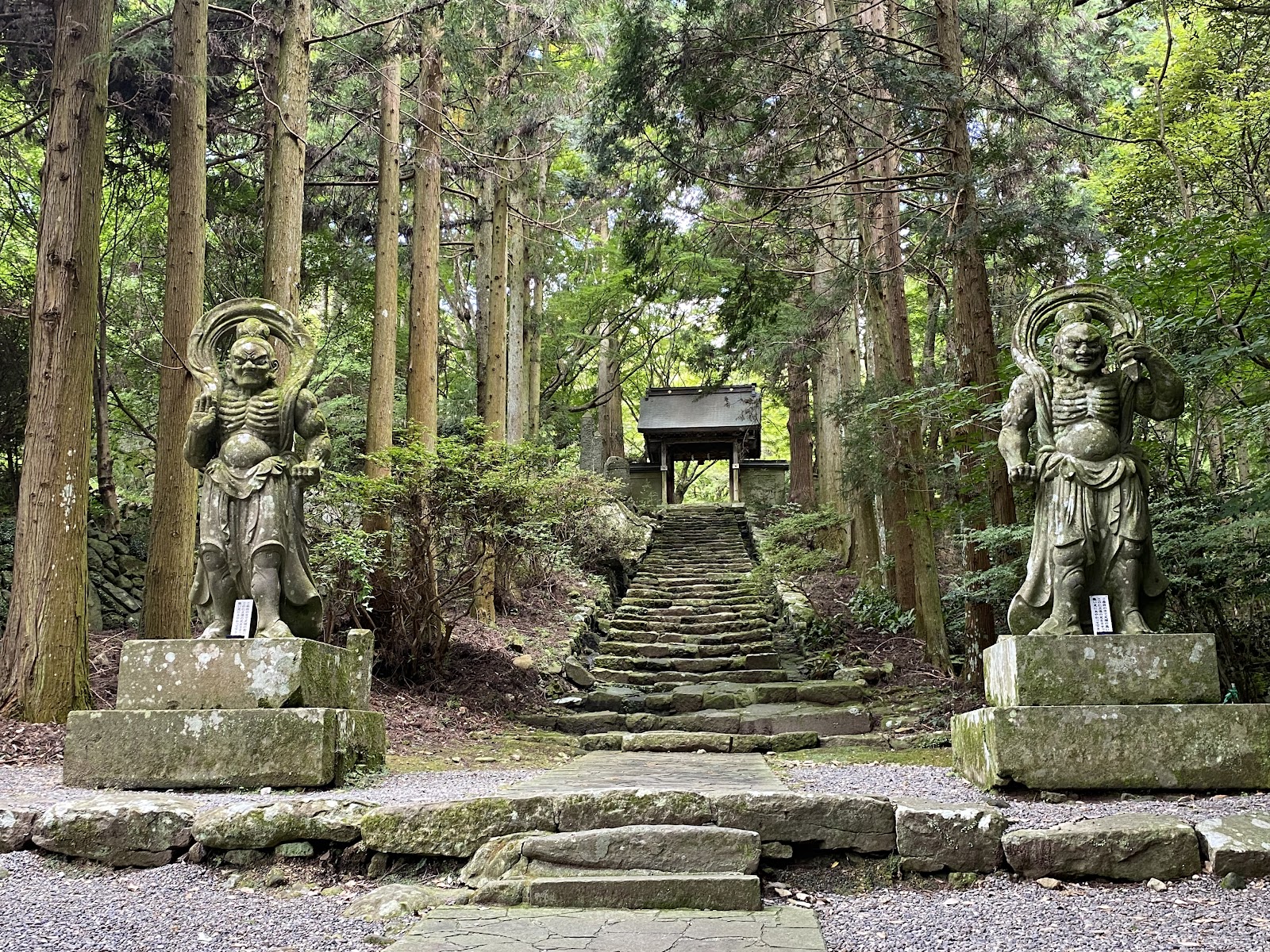
Because Usa lies at the gateway to the Kunisaki Peninsula, it is closely tied to the region's distinctive Rokugo Manzan culture, a fusion of Shinto and Buddhism that produced the peninsula's remarkable temples and rock-carved Buddhas. Many travellers combine Usa Jingu with sites such as Fuki-ji, Futago-ji and the Kumano Magaibutsu to trace this unique religious heritage.
Easily reached by JR from Beppu and the surrounding cities, Usa Jingu deserves at least 90 minutes to appreciate its scale, architecture and atmosphere. As the fountainhead of the Hachiman faith and one of Kyushu's great shrines, it offers both profound historical significance and a serene, beautiful setting that rewards unhurried exploration.
A local's tip
Follow the correct worship order across the two sacred ponds and up to the Upper Shrine; the vermilion Kurehashi bridge and the wisteria in late April are the classic photo spots.
Best time to visit
Spring for wisteria and cherry blossom, or early morning for calm
Getting there
Take the JR Nippo Main Line to Usa Station, then a short bus or taxi ride (about 10 minutes) to the shrine; some trains and buses connect directly. From Beppu it is roughly 40 minutes by train plus a short transfer.
Good to know
- Parking
- Restrooms
- Tea houses
- Treasure hall
Plan the whole trip offline
Usa Jingu is one of many places in the Real Japan app — with turn-by-turn directions, nearby spots and full offline maps you can use with no signal.