A humble rural hall on the Kunisaki Peninsula sheltering National Treasure Heian-era Buddhist statues.
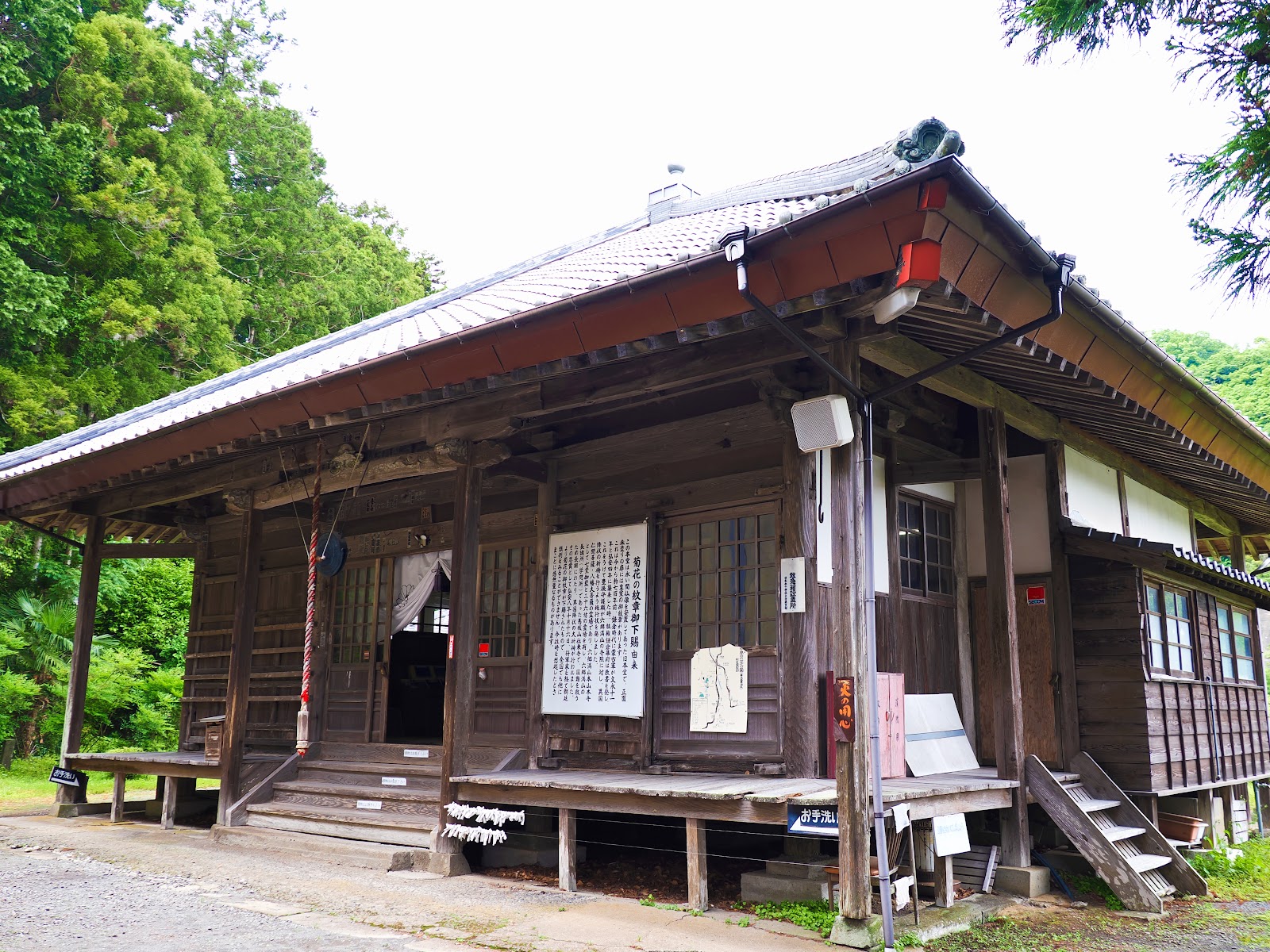
Maki Odo is an unassuming Buddhist hall on the Kunisaki Peninsula that guards a treasure entirely out of proportion to its modest appearance: a group of Heian-period statues so fine that several are designated National Treasures. For those touring the peninsula's Rokugo Manzan sites within reach of Beppu, it offers a quiet, intimate encounter with some of the greatest Buddhist sculpture in Kyushu.
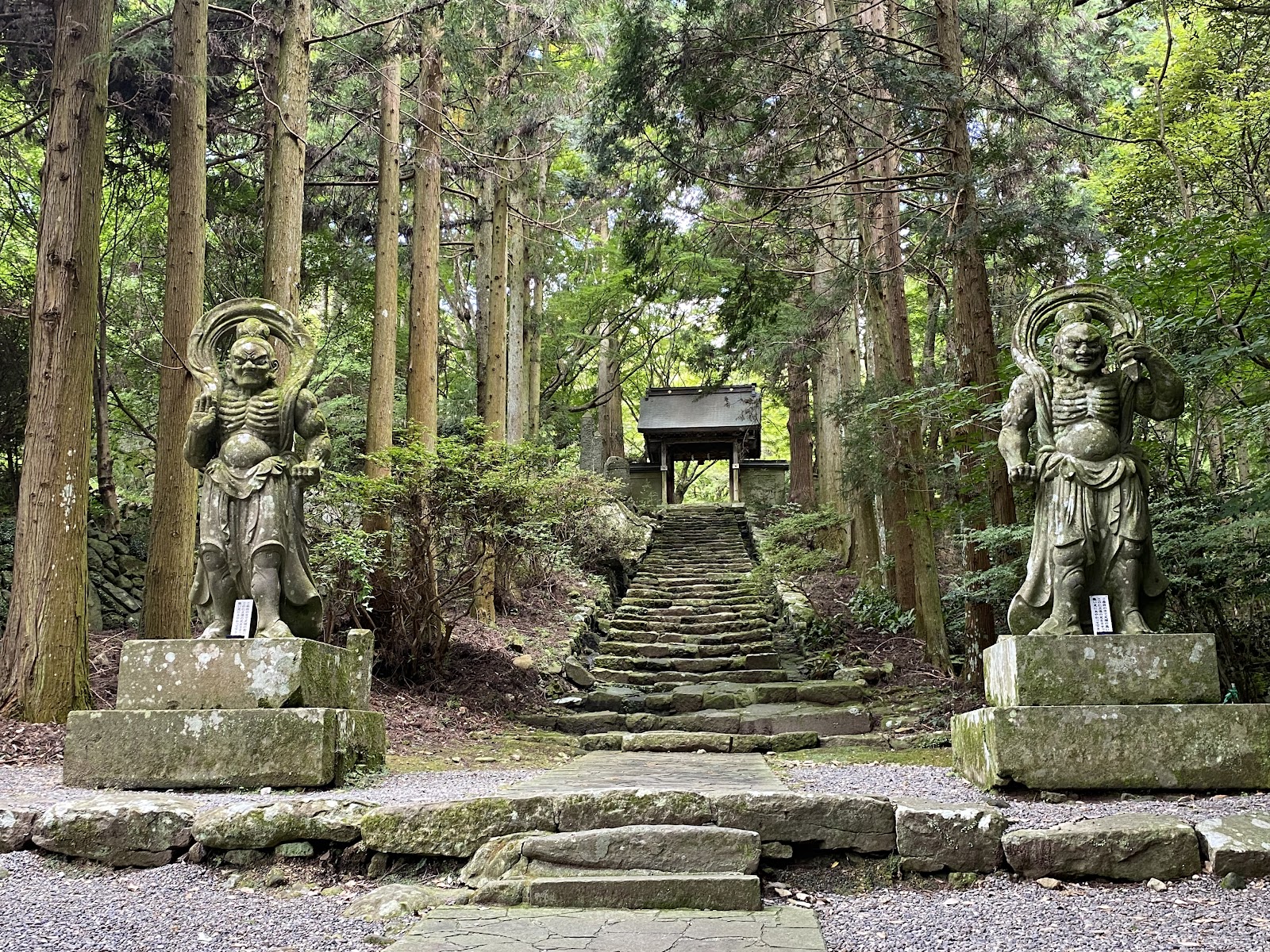
The hall belongs to the network of temples that grew up under Rokugo Manzan, the unique fusion of esoteric Buddhism, Shinto and mountain worship that flourished across the Kunisaki Peninsula from the Heian period onward, nurtured by the influence of the nearby Usa Jingu shrine. Many of the peninsula's temples have vanished or dwindled over the centuries, but their most precious images were often preserved in simple community halls like this one, tended by local people across the generations.
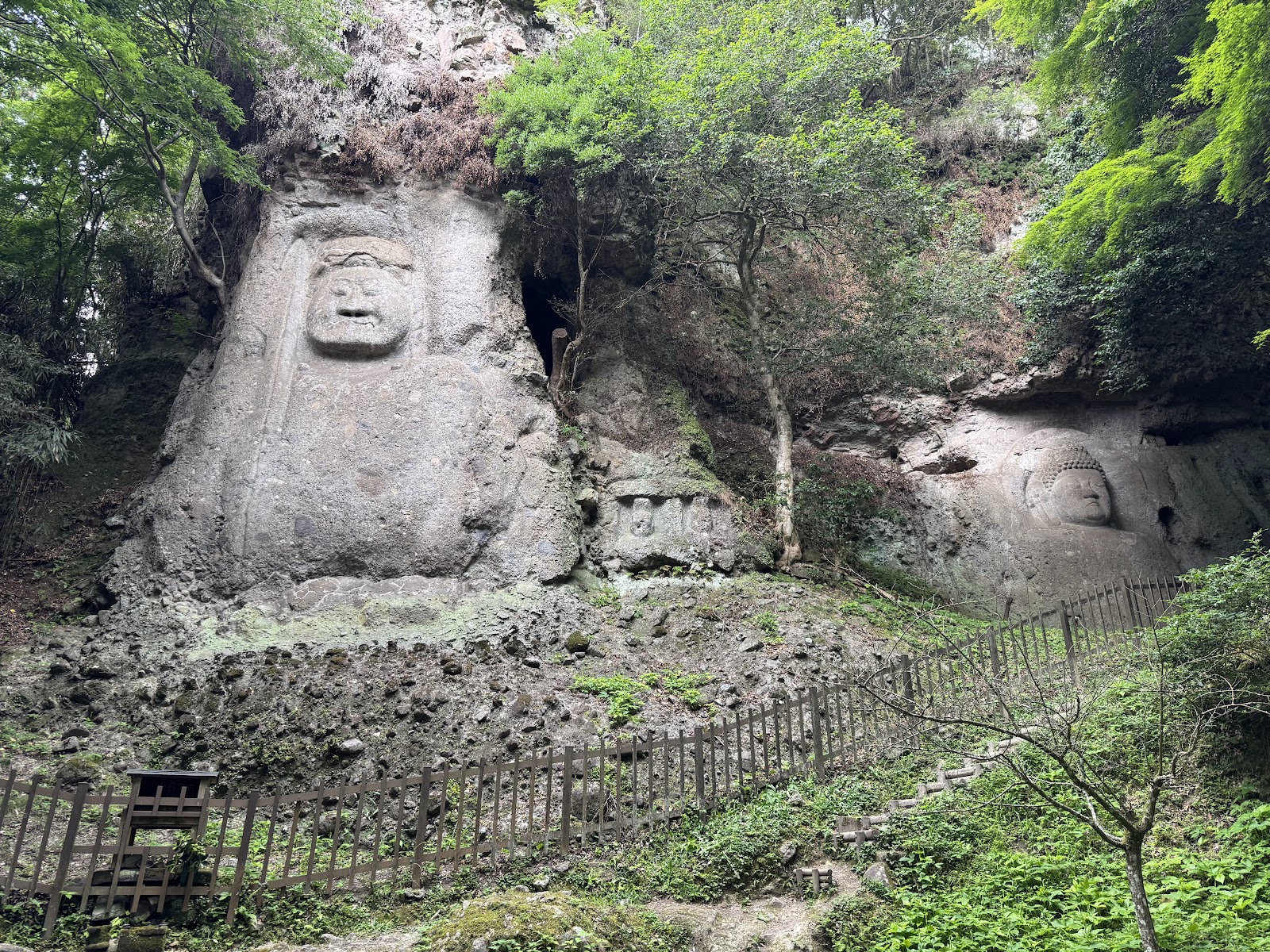
The principal treasure of Maki Odo is a large, powerfully carved seated statue of Fudo Myoo, the fierce wisdom king who cuts through delusion with his sword and lasso, flanked by attendants. Alongside it stands a magnificent seated figure of Amida Nyorai, the Buddha of the Western Paradise, together with other statues of great age and quality. Dating from the Heian era, these works display the refinement and spiritual intensity of classical Japanese Buddhist sculpture, and it is genuinely surprising, and moving, to find such masterpieces enshrined in so plain and rural a setting.
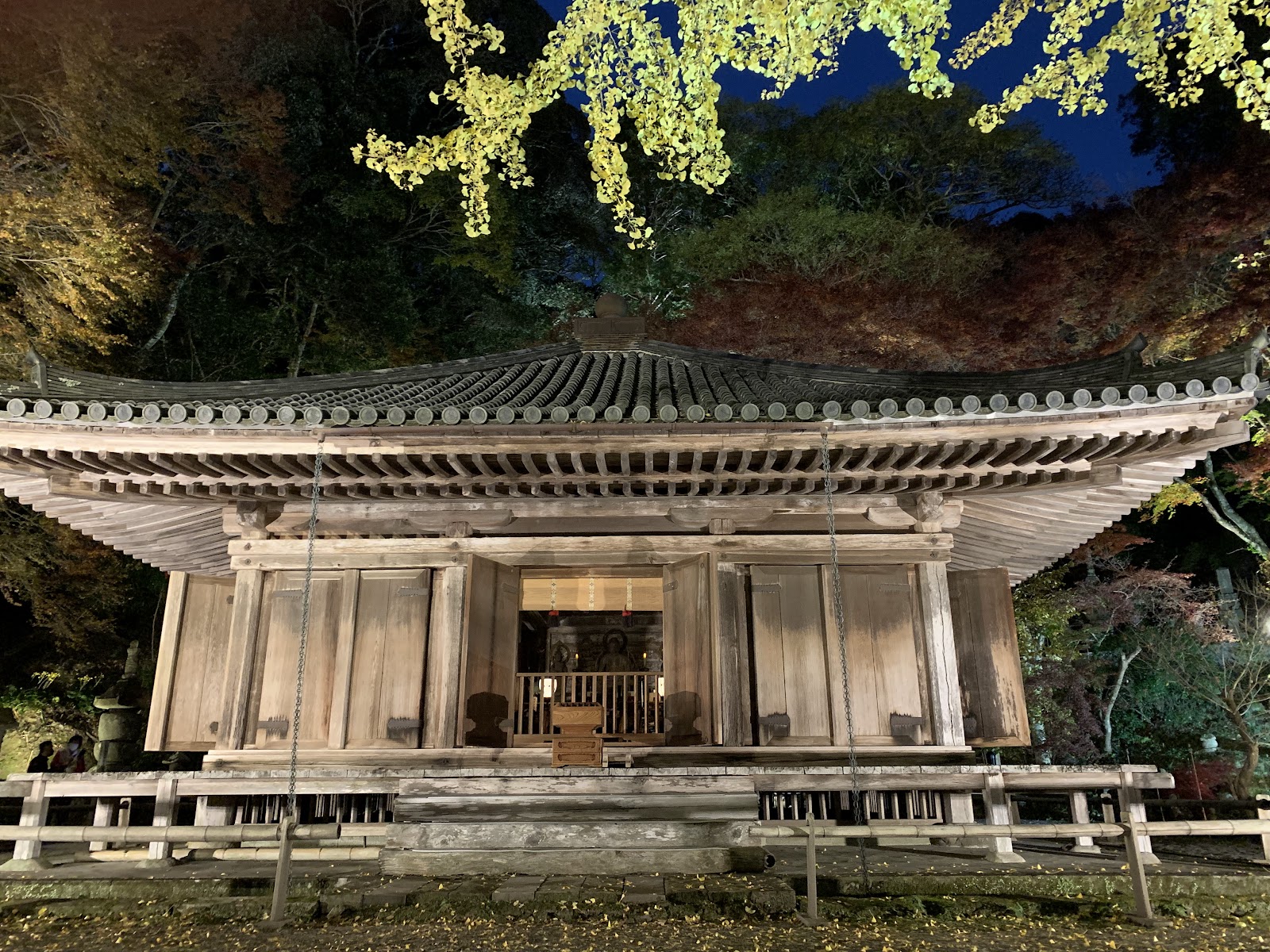
The hall itself is small and understated, in keeping with the humble character of much of Kunisaki's surviving religious heritage. This modesty is part of its charm: rather than a grand tourist temple, Maki Odo feels like a place still rooted in the devotion of the local community, where the extraordinary statues are cared for with quiet reverence. Visitors are able to view the images at close range, an intimacy rarely possible with National Treasures.
Maki Odo lies very close to the Kumano Magaibutsu, the great rock-carved Buddhas that are among the peninsula's most famous sights, and the two are almost always visited together, along with other Rokugo Manzan treasures such as Fuki-ji, Futago-ji and Usa Jingu. Seen as a group, they reveal the depth and richness of a religious tradition that is little known even within Japan.
Because the Kunisaki interior has minimal public transport, a car is the practical way to reach Maki Odo, about 55 minutes from Beppu, and around 40 minutes allows time to view the statues and the hall. For travellers who appreciate fine Buddhist art and the atmosphere of places still bound to living devotion, Maki Odo is a small but memorable highlight, proof that some of Japan's greatest treasures are hidden in its quietest corners.
A local's tip
Ask to see the hall's treasures: the large seated Fudo Myoo and Amida statues housed here are National Treasures, remarkable to find in such a modest rural hall.
Best time to visit
Any season; a good pairing with Kumano Magaibutsu nearby
Getting there
Maki Odo is in Bungotakada on the Kunisaki Peninsula, reached most easily by car, about 55 minutes from Beppu. It lies close to the Kumano Magaibutsu, so the two are naturally combined. Public transport to the area is very limited.
Good to know
- Parking
- Restrooms
Plan the whole trip offline
Maki Odo is one of many places in the Real Japan app — with turn-by-turn directions, nearby spots and full offline maps you can use with no signal.