A remote Kunisaki mountain temple linked to the mysterious Kebesu fire festival.
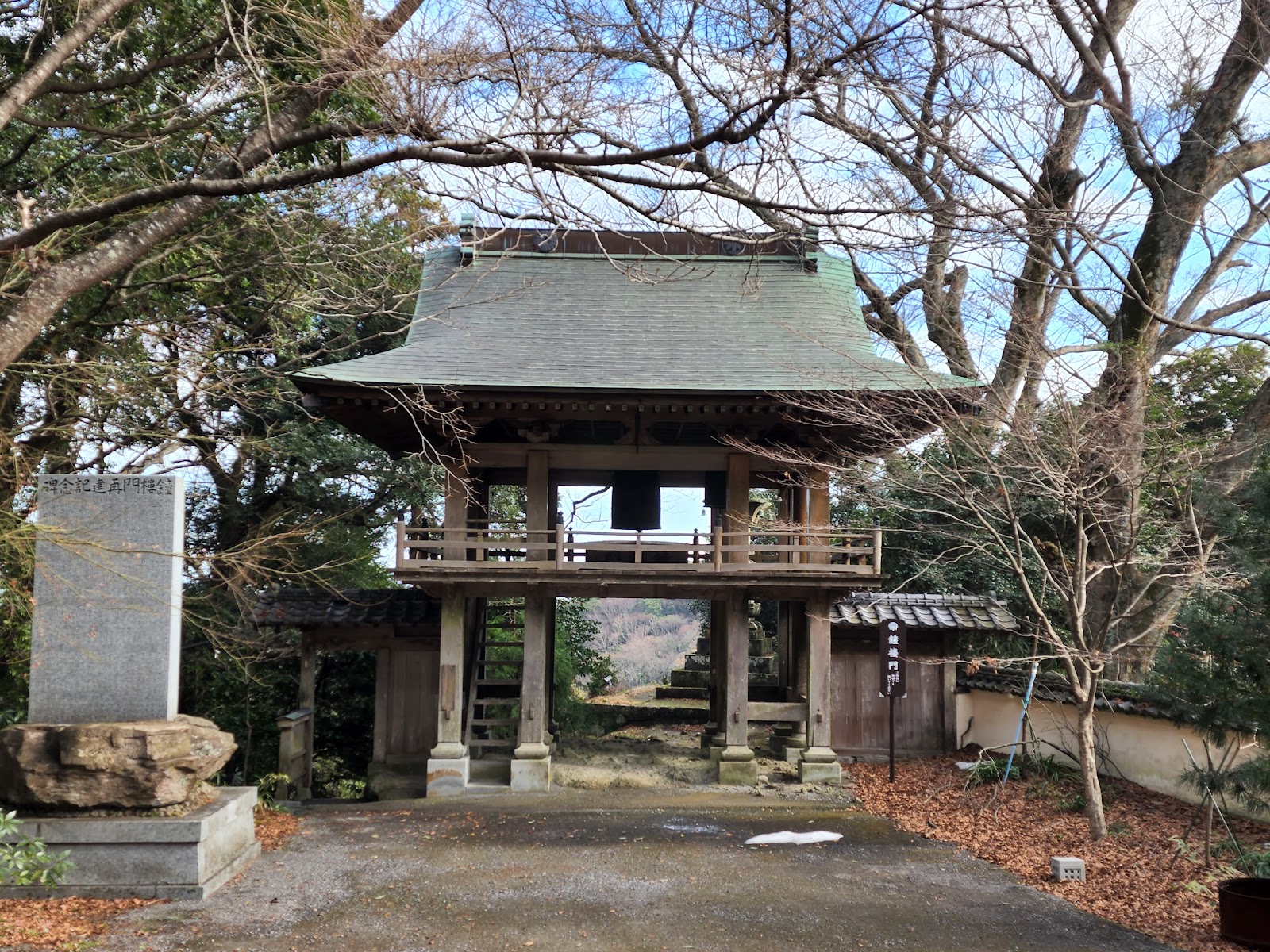
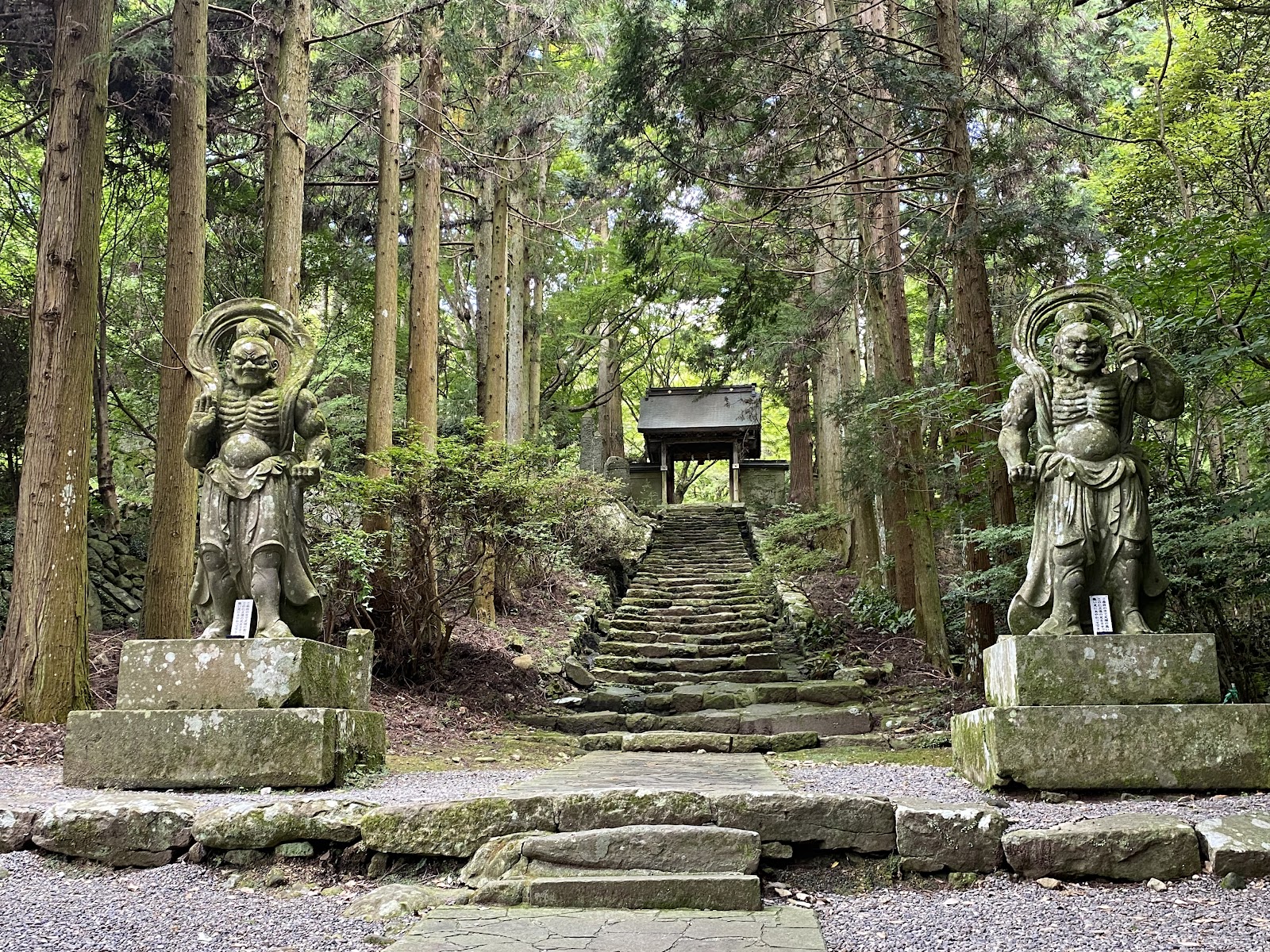
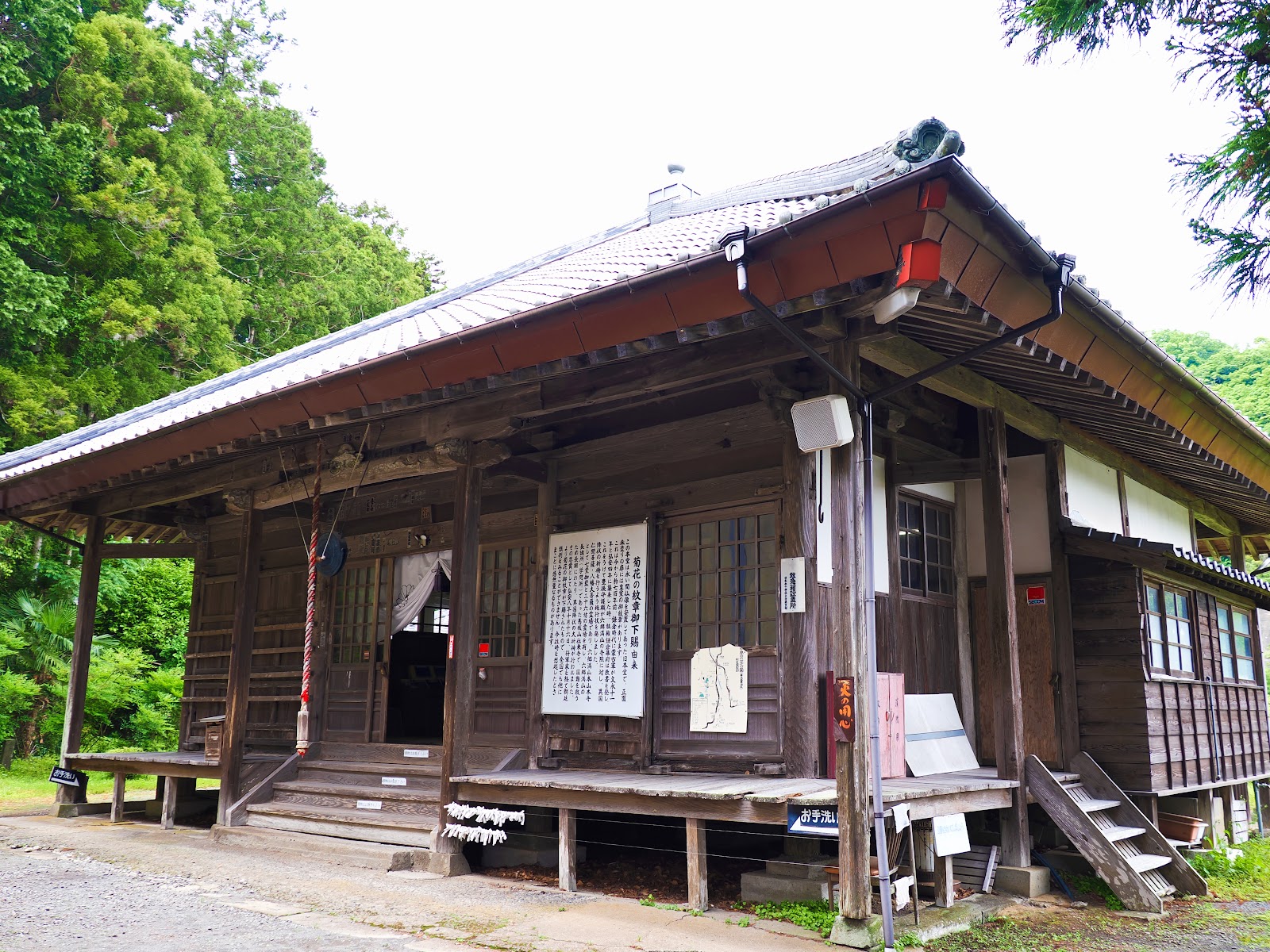
Tenne-ji is a remote mountain temple in the heart of the Kunisaki Peninsula, one of the many sites of the peninsula's ancient Rokugo Manzan tradition and best known for its association with the Kebesu Matsuri, one of the strangest and most spectacular fire festivals in Japan. Deep in the wooded interior within reach of Beppu, it offers a genuine sense of the peninsula's secluded spiritual world.
Like the other temples of Kunisaki, Tenne-ji grew out of Rokugo Manzan, the unique fusion of esoteric Buddhism, Shinto and mountain worship that spread across the peninsula under the influence of the great Hachiman shrine at Usa. Founded in antiquity and set among the mountains, the temple embodies the ascetic, nature-bound character of the region's faith, where Buddhist halls, Shinto shrines and sacred natural features stand intertwined. Its quiet grounds and forest surroundings make it a peaceful stop for travellers tracing the peninsula's religious heritage.
What sets Tenne-ji apart is its connection to the Kebesu Matsuri, held each October at the associated Iwakura-sha shrine. This ancient festival is famous throughout Japan for its wild and enigmatic character. Its central figure is Kebesu, a fearsome masked being of uncertain meaning, whose origins and symbolism are lost to history. During the night-time rite, Kebesu repeatedly tries to thrust a burning torch into a great bonfire, while guardians called Toba struggle to hold him back, and the confrontation escalates into a chaotic, sparks-flying spectacle in which burning brands are carried among the crowd. The festival is considered one of the most mysterious in the country, and its rituals have been passed down for centuries with their true meaning still debated.
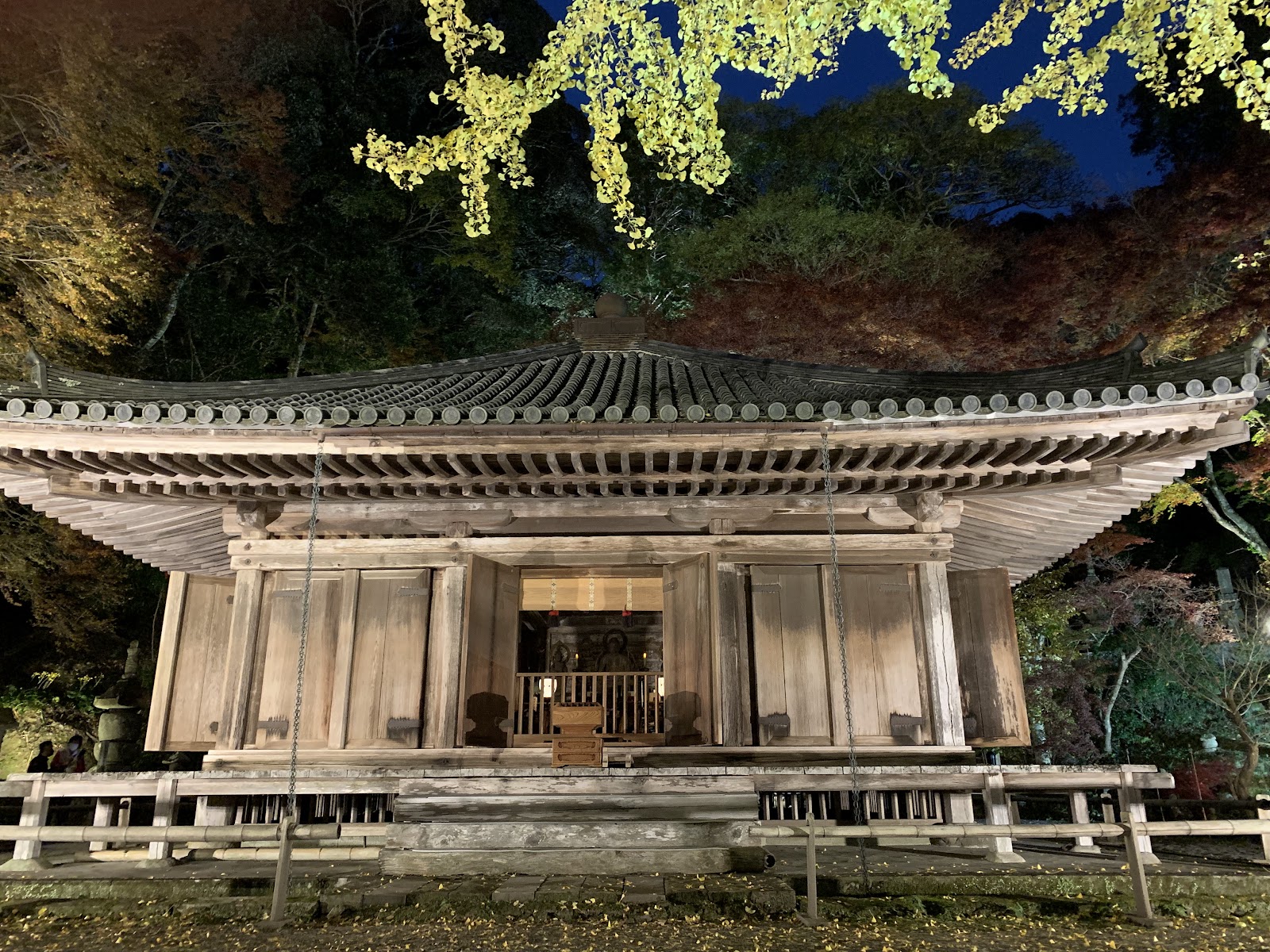
Outside the festival, Tenne-ji is a tranquil, little-visited temple where the sense of Kunisaki's timeless spirituality is strong. The mountain setting is especially beautiful in autumn, when the surrounding trees turn colour, and the absence of crowds allows for quiet reflection. For visitors, the temple offers both the atmosphere of an ancient mountain sanctuary and, at the right time of year, a window onto one of Japan's most extraordinary living folk traditions.
Tenne-ji is best combined with the peninsula's other Rokugo Manzan treasures, such as the head temple of Futago-ji, the wisdom temple of Monjusen-ji, the National Treasure hall of Fuki-ji and the Kumano Magaibutsu rock carvings, to build a full picture of this remarkable religious landscape. Because the interior is served by little public transport, a car is essentially required, about 55 minutes from Beppu, and around 40 minutes suffices to explore the temple grounds outside festival time.
Whether visited for its serene mountain setting or, ideally, for the unforgettable spectacle of the Kebesu fire festival, Tenne-ji rewards those willing to venture into the depths of the Kunisaki Peninsula with a rare and authentic encounter with old Japan.
A local's tip
If you can, time your visit for the mysterious Kebesu Matsuri in October, one of Japan's strangest fire festivals, where a masked figure battles fire-wielding guardians.
Best time to visit
Mid-October for the Kebesu fire festival, or autumn for foliage
Getting there
Tenne-ji is in the Kunisaki interior, reached by car in about 55 minutes from Beppu. Public transport is minimal. The temple is associated with the nearby Iwakura-sha shrine, where its famous fire festival is held.
Good to know
- Parking
- Restrooms
Plan the whole trip offline
Tenne-ji Temple is one of many places in the Real Japan app — with turn-by-turn directions, nearby spots and full offline maps you can use with no signal.