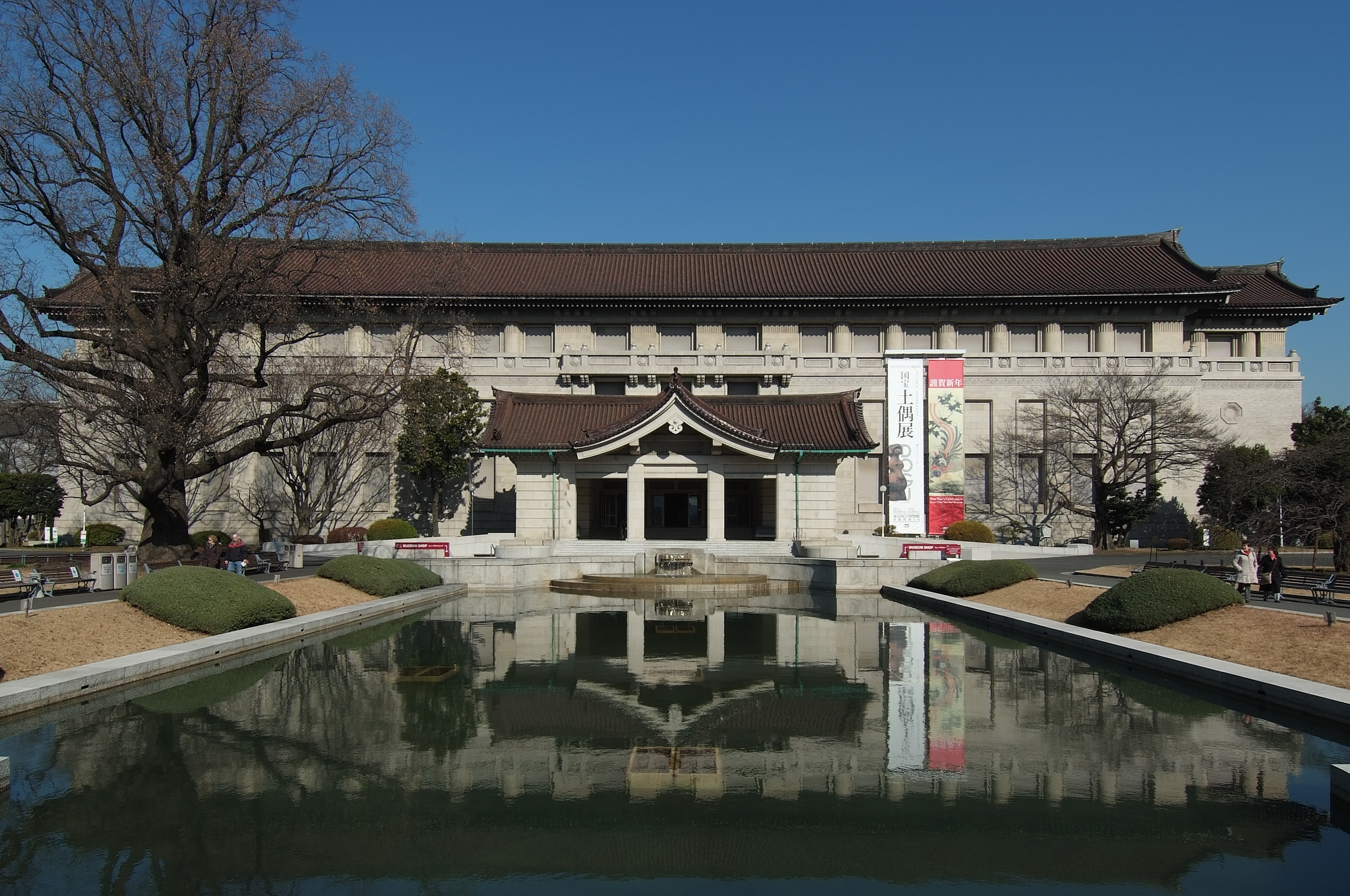
Japan's oldest and largest museum, holding the world's greatest collection of samurai swords, Buddhist art and national treasures.
The Tokyo National Museum, known to locals as Tohaku, is Japan's oldest museum and the beating heart of Ueno Park's cultural quarter. Founded in 1872, it holds the largest and most important collection of Japanese art and antiquities on earth: more than 120,000 objects, of which nearly ninety are designated National Treasures and hundreds more Important Cultural Properties. For any traveller who wants to understand Japan beyond its neon and noodles, a half-day here is the single best investment in the whole city.
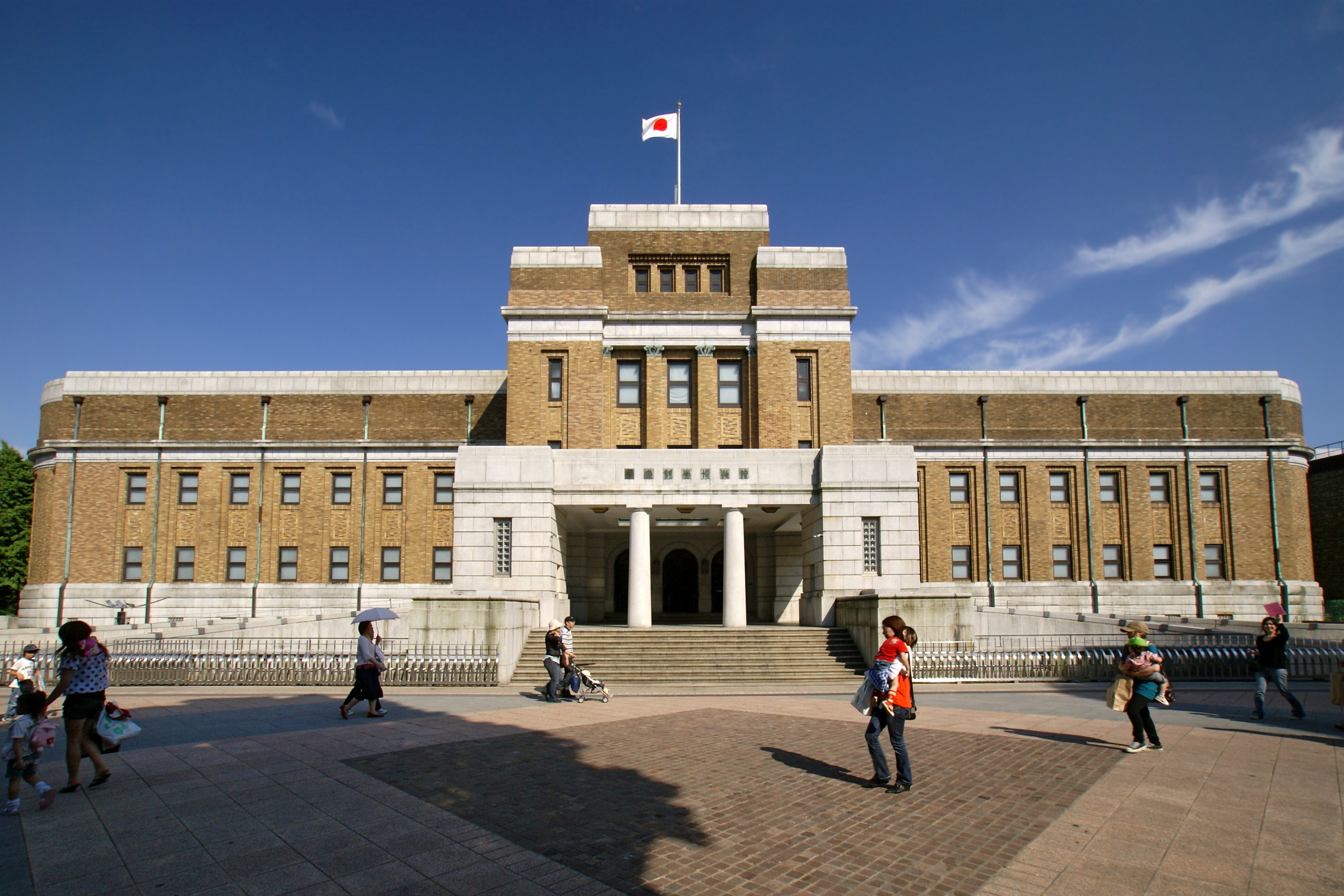
The complex is made up of several distinct buildings arranged around a formal courtyard. The Honkan, the grand 1938 Imperial Crown-style hall at the centre, is where you should begin. Its upstairs galleries walk you chronologically through Japanese art, from Jomon pottery and haniwa clay figures to gilded Buddhist statues, ink-brush landscapes, kimono, and lacquerware. Downstairs, the celebrated samurai galleries display katana forged by legendary swordsmiths alongside full suits of armour and battle helmets, the finest such display open to the public anywhere. To the left, the Toyokan houses Asian art, from Chinese jade and Korean ceramics to Gandharan Buddhas and Egyptian mummies, while the Heiseikan focuses on Japanese archaeology and hosts the museum's blockbuster special exhibitions.
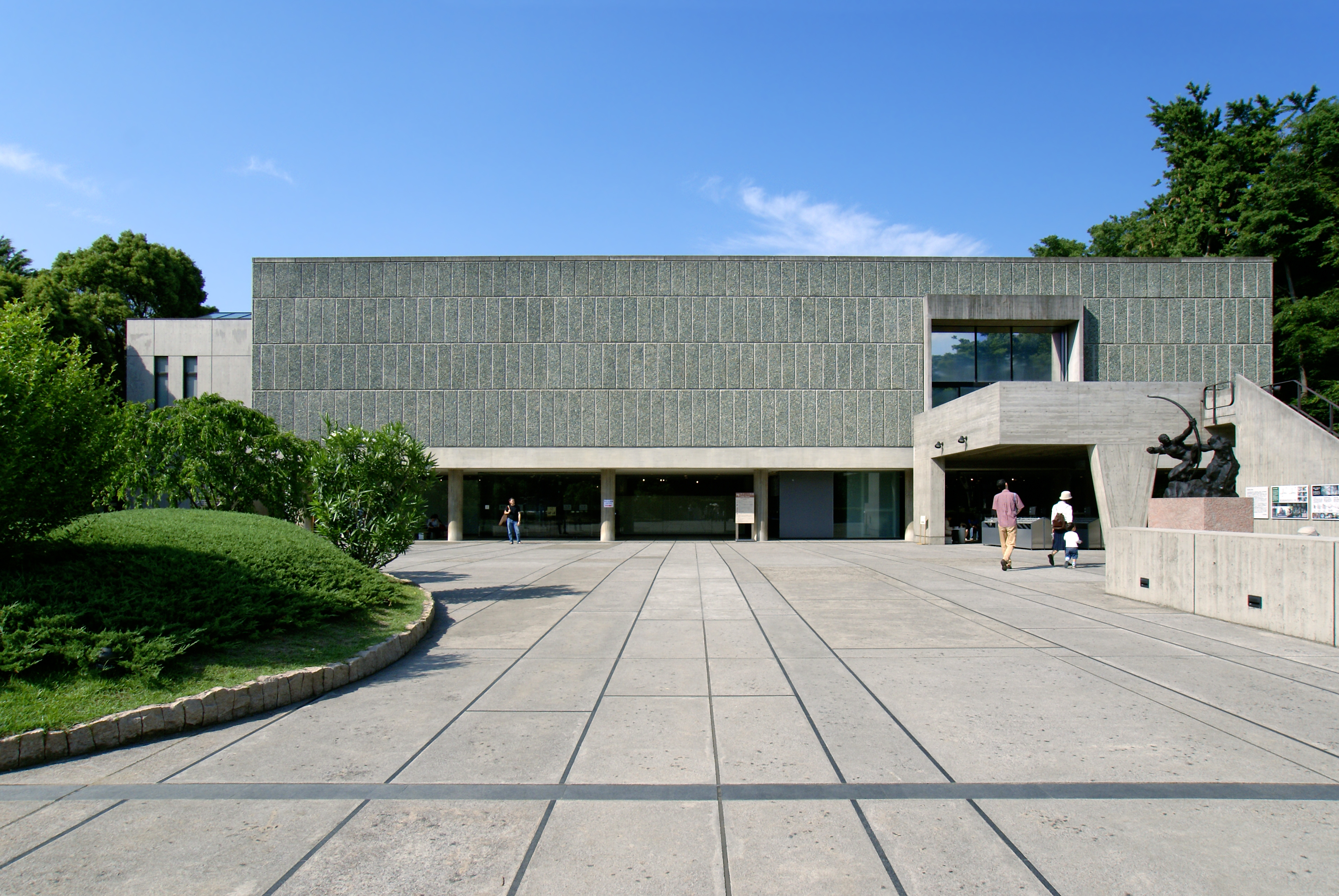
A quiet highlight that most visitors miss is the Gallery of Horyuji Treasures, a serene Yoshio Taniguchi building whose dimmed halls hold a hoard of 7th- and 8th-century Buddhist bronzes gifted from Nara's Horyuji Temple. The museum's traditional garden, dotted with historic teahouses relocated from around Japan, opens to the public only in spring and autumn, timed to the cherry blossom and the maple koyo, and is worth planning your visit around.
The visiting experience is calm and unhurried; galleries are spacious, well captioned in English, and rarely as crowded as Tokyo's flashier attractions. Allow at least two and a half hours, longer if a special exhibition tempts you. There is a pleasant cafe in the Toyokan and a small restaurant in the Horyuji building, plus excellent museum shops for prints and craft souvenirs. The site is fully wheelchair accessible with lifts throughout and free loaner chairs.
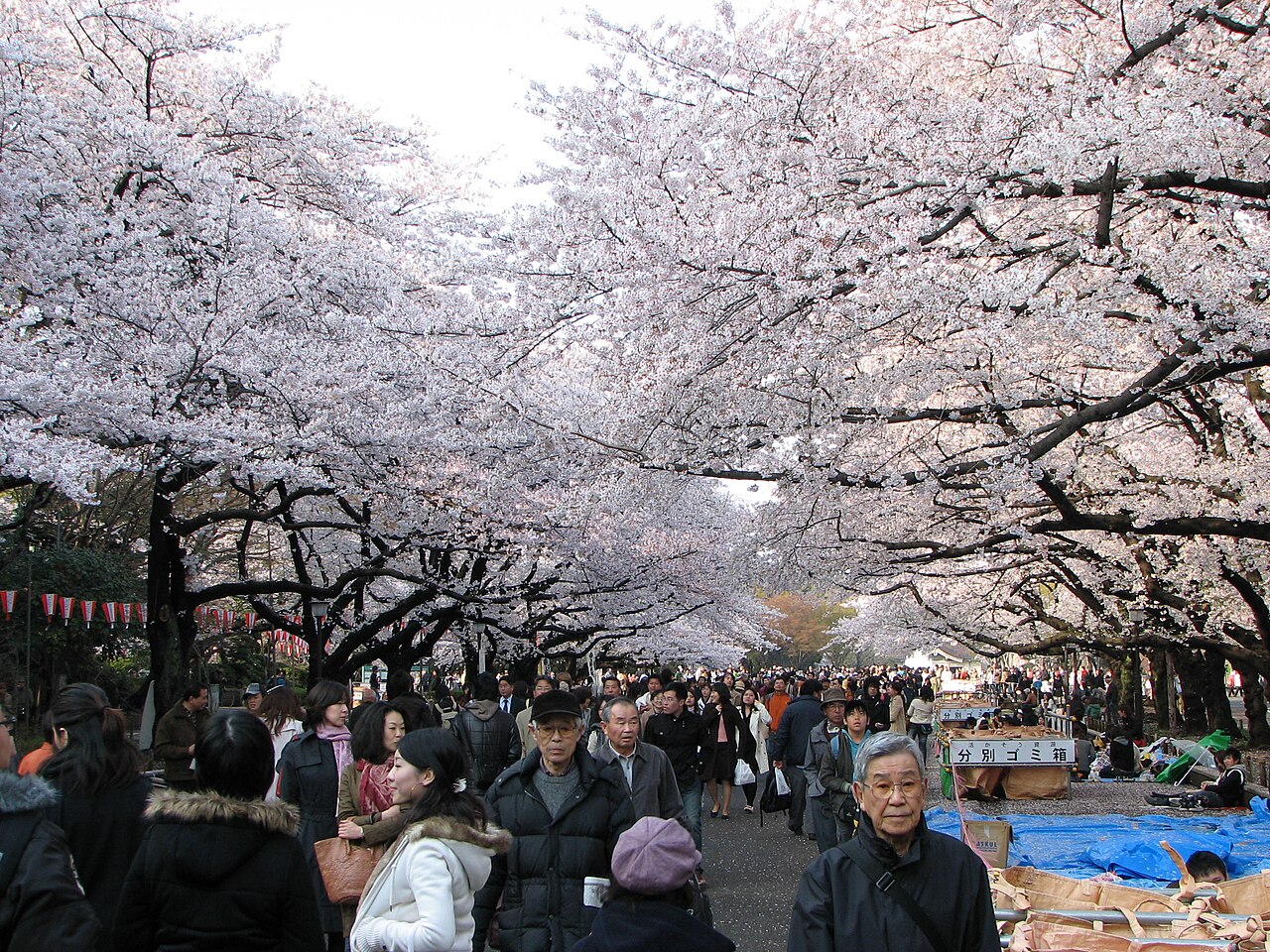
The best time to come is a weekday morning right at opening, before the school groups arrive, or a spring afternoon when the garden and the surrounding park are pink with sakura. General admission covers the permanent collections; special exhibitions carry a separate ticket. Getting there could not be easier: from JR Ueno Station's Park Exit, walk north through Ueno Park for about ten minutes, passing the fountain and the National Museum of Nature and Science, until the museum's classical facade rises at the top of the avenue. The station is on the JR Yamanote loop and is covered by the Japan Rail Pass, making this an effortless, high-reward stop on any Tokyo itinerary.
A local's tip
Head straight to the Honkan (Japanese Gallery) Room 2, the 'Highlights of Japanese Art', then work backwards; the samurai swords and armour in Rooms 5-6 are the crowd favourites but the quiet Asian Gallery (Toyokan) next door is where you escape the tour groups.
Best time to visit
Weekday mornings; spring for the garden opening
Getting there
From JR Ueno Station take the Park Exit and walk north through Ueno Park for about 10 minutes; the museum sits at the far end of the main avenue. From Uguisudani Station (JR) it is a 10-minute walk from the south exit.
Good to know
- Cafe
- Wi-Fi
- Lockers
- Restrooms
- Wheelchair
Plan the whole trip offline
Tokyo National Museum is one of many places in the Real Japan app — with turn-by-turn directions, nearby spots and full offline maps you can use with no signal.