Japan's only national museum devoted to Western art, in a UNESCO-listed Le Corbusier building with Monet, Rodin and Renoir.
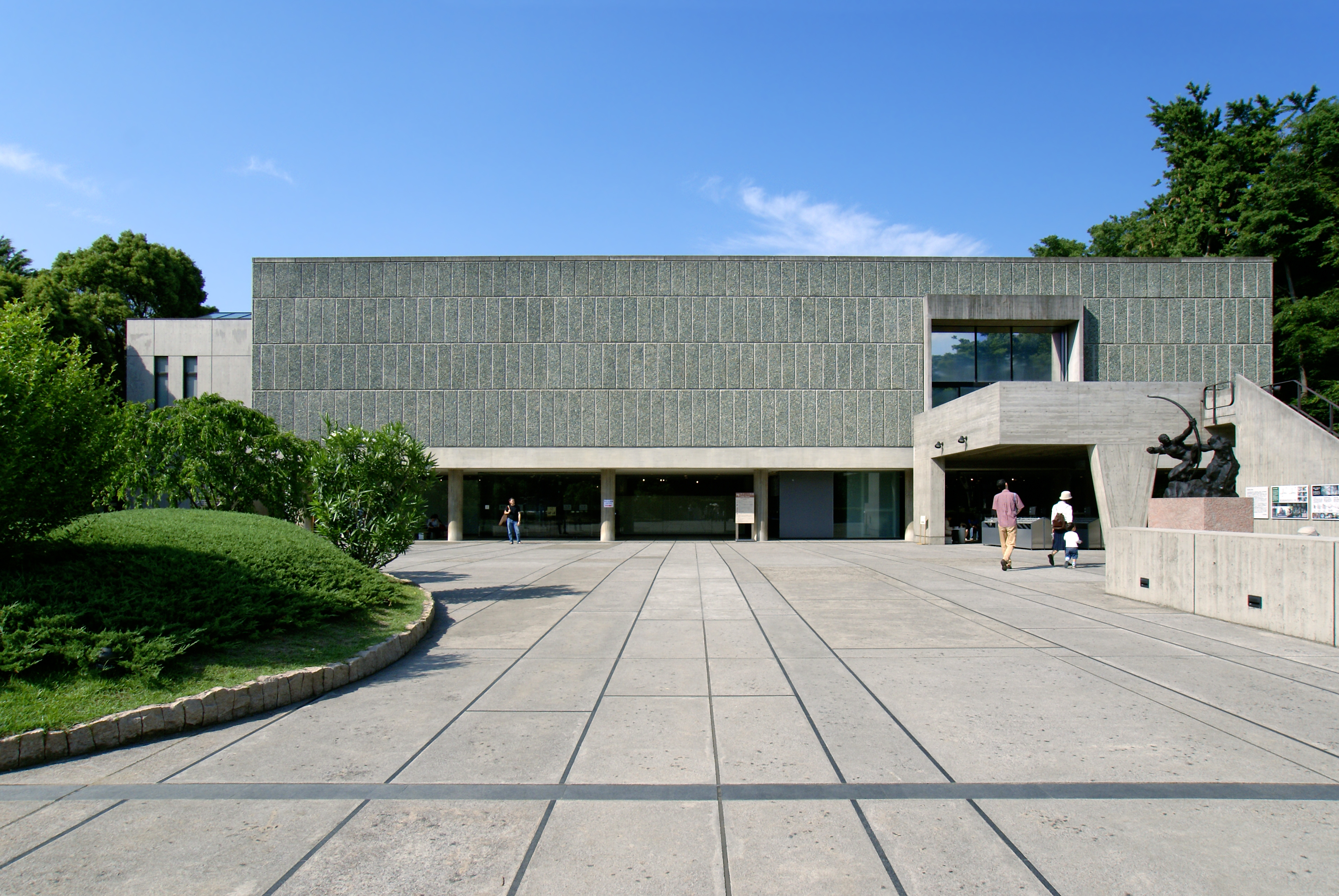
The National Museum of Western Art is Japan's only national institution dedicated entirely to the art of the West, and its home is as important as its collection: the Main Building is a UNESCO World Heritage Site, one of seventeen works by the pioneering modernist architect Le Corbusier inscribed together across seven countries. For lovers of both fine art and great architecture, this Ueno landmark is an unmissable double bill, and it sits so close to the JR station that it is arguably the most convenient world-class museum in Tokyo.
The museum grew from the Matsukata Collection, the treasure trove of European paintings and sculptures assembled in the early twentieth century by Japanese industrialist Kojiro Matsukata. Much of it was held in France, seized after the Second World War, and finally returned to Japan on the condition that a dedicated museum be built to house it. Le Corbusier was commissioned for the design, delivering in 1959 a spiralling concrete gallery lit by a soaring central hall, an embodiment of his idea of a Museum of Unlimited Growth that could expand outward over time. Walking the ramps and mezzanines is itself a lesson in twentieth-century architecture.
Inside, the collection spans the Renaissance to the early twentieth century. There are Old Master paintings, but the crowd-pleasers are the Impressionists and post-Impressionists: canvases by Monet, Renoir, Manet, Gauguin, Cezanne and Van Gogh, hung in intimate, well-lit rooms. The museum also holds one of the world's finest collections of sculptures by Auguste Rodin, and its open forecourt is a free-to-enter sculpture court where bronze casts of The Thinker, The Gates of Hell and The Burghers of Calais greet every passer-by, a much-loved photo spot even for those who never buy a ticket.
The visiting experience is refined and unhurried. The permanent galleries are rarely overcrowded, captions are provided in English, and the scale is human: you can see the highlights properly in about ninety minutes without fatigue. Special exhibitions, often major international loans, occupy the newer wing and carry a separate ticket. There is a cafe and a well-stocked shop, and the building is wheelchair accessible with lifts serving all levels. Late opening on Friday and Saturday evenings offers a quieter, atmospheric visit.
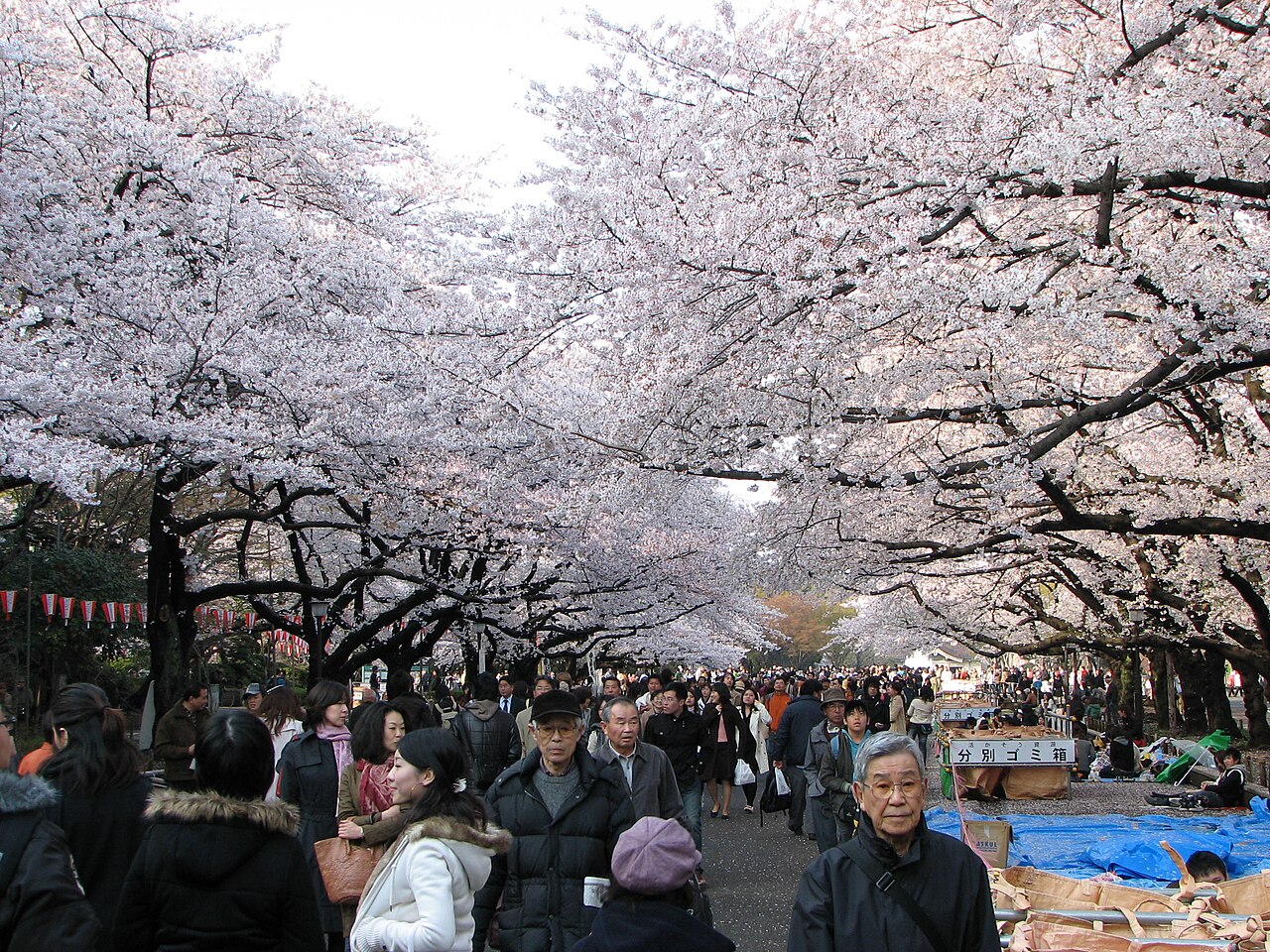
Spring, when Ueno Park erupts in cherry blossom, is the loveliest time to combine the museum with a stroll, though the collection is a superb wet-weather option year round. Weekday mornings are calmest. General admission to the permanent collection is inexpensive, with a modest surcharge for special shows. Getting there could hardly be simpler: leave JR Ueno Station by the Park Exit and the museum is the very first grand building on your left, no more than a two-minute walk, its Rodin-filled forecourt visible from the park path. Ueno is on the JR Yamanote and Keihin-Tohoku lines and fully covered by the Japan Rail Pass, making this UNESCO gem one of the easiest cultural stops in the entire city.
A local's tip
The forecourt with Rodin's The Thinker and The Gates of Hell is free to walk through, but buy a ticket to see the Le Corbusier-designed Main Building itself, a UNESCO World Heritage site, from within.
Best time to visit
Weekday mornings
Getting there
Barely a 2-minute walk from the Park Exit of JR Ueno Station; the museum is the first major building on your left as you enter Ueno Park, with Rodin's bronzes in the forecourt.
Good to know
- Cafe
- Restrooms
- Wheelchair
- Museum Shop
Plan the whole trip offline
National Museum of Western Art is one of many places in the Real Japan app — with turn-by-turn directions, nearby spots and full offline maps you can use with no signal.