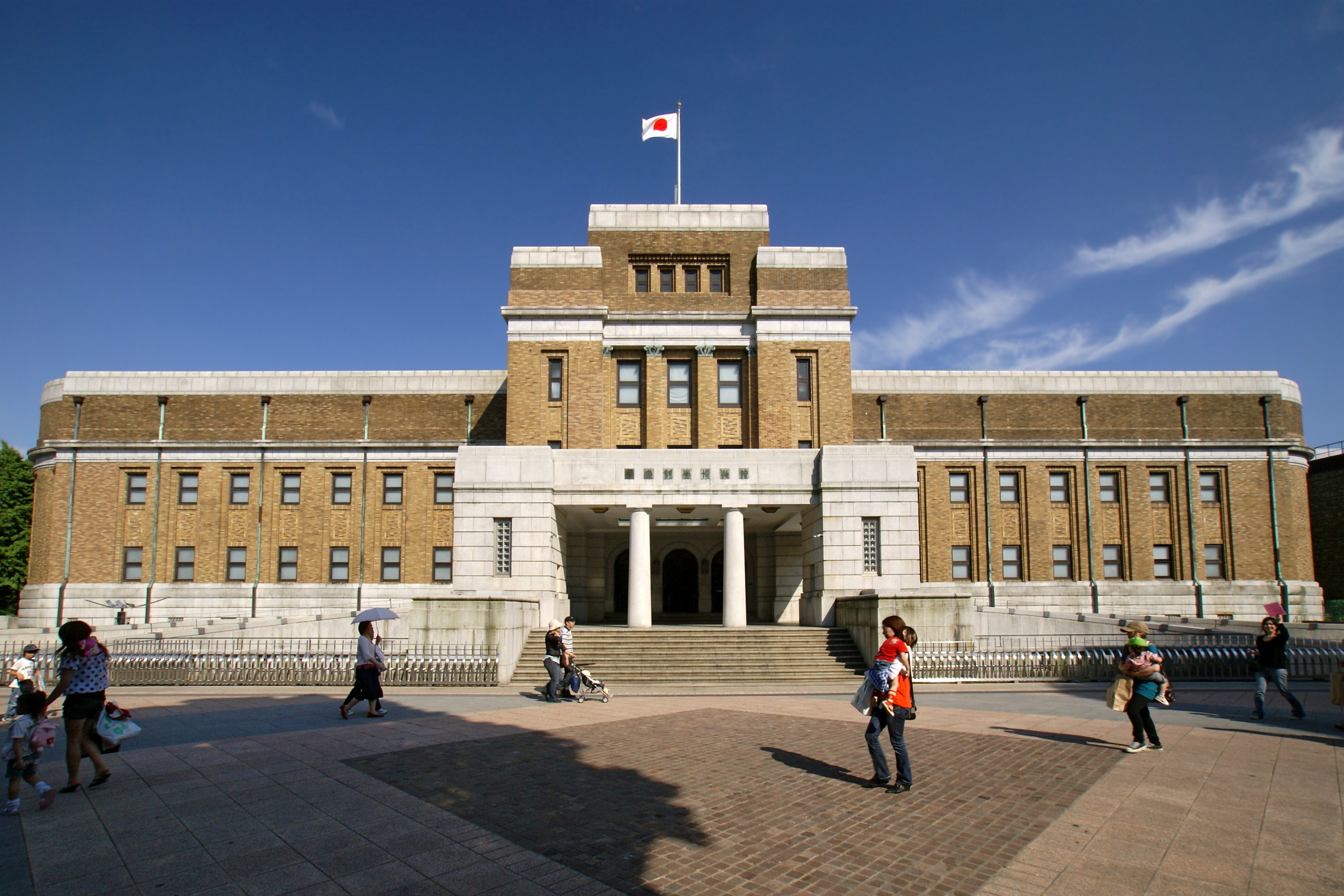
Japan's national science museum, packed with dinosaur skeletons, a blue whale, and the taxidermied dog Hachiko.
The National Museum of Nature and Science, Kahaku for short, is Japan's premier natural history and science museum and one of Ueno Park's most beloved family destinations. Sitting just inside the park beside its art-and-history neighbours, it turns a single admission ticket into a full day of dinosaurs, deep space, evolution, and Japanese ingenuity, all beautifully presented across two large buildings and rewarding for children and curious adults alike.
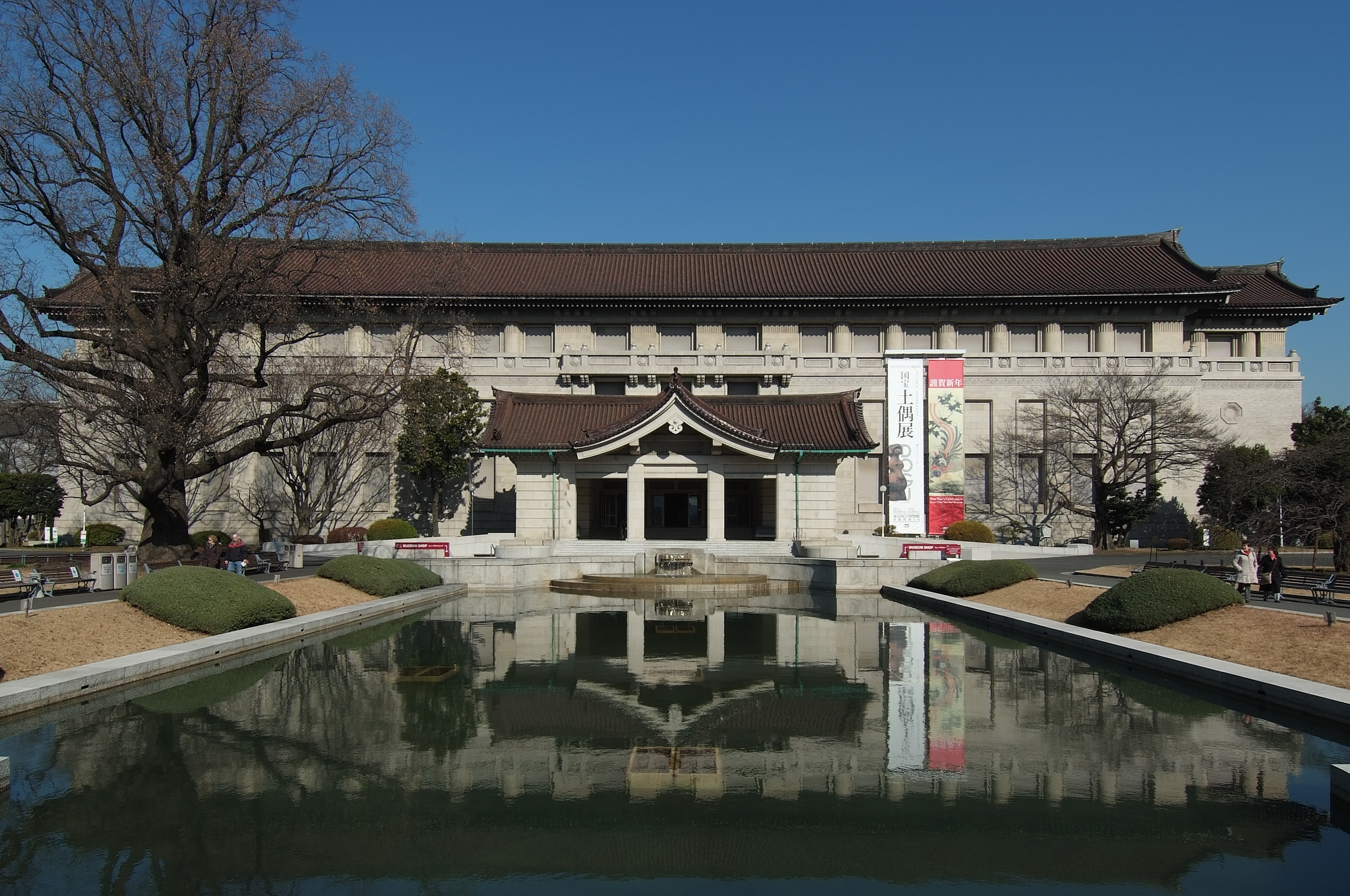
The museum divides neatly into two halls. The Japan Gallery, housed in a handsome 1931 Neo-Renaissance building shaped like an aeroplane when seen from above, tells the story of the Japanese archipelago, its geology, its unique wildlife, and the humans who settled it. Here you meet the museum's most famous residents: the taxidermied body of Hachiko, the loyal Akita dog who waited years at Shibuya Station for his dead owner, and Jiro, one of the sled dogs who survived a winter abandoned in Antarctica. The Global Gallery next door is the modern, six-floor showstopper, opening with a hall of towering dinosaur skeletons including a Tyrannosaurus and a Triceratops, and climbing through mammals, evolution, the history of science, and a full-scale suspended blue whale model outside the entrance that has become an Ueno landmark.
Inside the Global Gallery you will also find Theater 360, a spherical cinema that surrounds you with immersive films projected across a full dome; free timed tickets are handed out and popular slots go quickly. Displays throughout are richly bilingual, and interactive stations, working models and beautifully lit specimen cases keep younger visitors engaged for hours. A calm, often-overlooked pleasure is the rooftop herb garden, a small green terrace open to ticket holders with a pleasant view across the treetops of Ueno.
The visiting experience is relaxed and genuinely educational rather than gimmicky. Signage in English is thorough, the two buildings are connected underground so you never step outside, and the whole site is wheelchair accessible with lifts and ramps. There is a cafe with reasonable prices and an excellent shop selling science kits, mineral samples and dinosaur toys. Plan for at least two hours; enthusiasts and families easily spend a full half-day.
Because everything is indoors, Kahaku is the perfect rainy-day plan, and it stays comfortable through every season. Weekday mornings are quietest; weekends and Japanese school holidays bring lively crowds of families. General admission is a bargain at a few hundred yen, with occasional special exhibitions ticketed separately. Getting there is effortless: from the Park Exit of JR Ueno Station, walk into Ueno Park and the museum is on your right within five minutes, the blue whale model marking the entrance. Ueno sits on the JR Yamanote and Keihin-Tohoku lines and is fully covered by the Japan Rail Pass, so this science-packed stop slots easily into any Tokyo day.
A local's tip
Buy a ticket for the Theater 360 dome inside the Global Gallery early, as time slots fill up; and do not skip the roof-top herb garden, a free green escape with a view over Ueno.
Best time to visit
Weekday mornings; a rainy-day favourite
Getting there
A 5-minute walk from the Park Exit of JR Ueno Station, on the right-hand side of the main avenue as you enter Ueno Park. Also reachable in 10 minutes from Keisei Ueno Station.
Good to know
- Cafe
- Wi-Fi
- Restrooms
- Wheelchair
- Museum Shop
Plan the whole trip offline
National Museum of Nature and Science is one of many places in the Real Japan app — with turn-by-turn directions, nearby spots and full offline maps you can use with no signal.