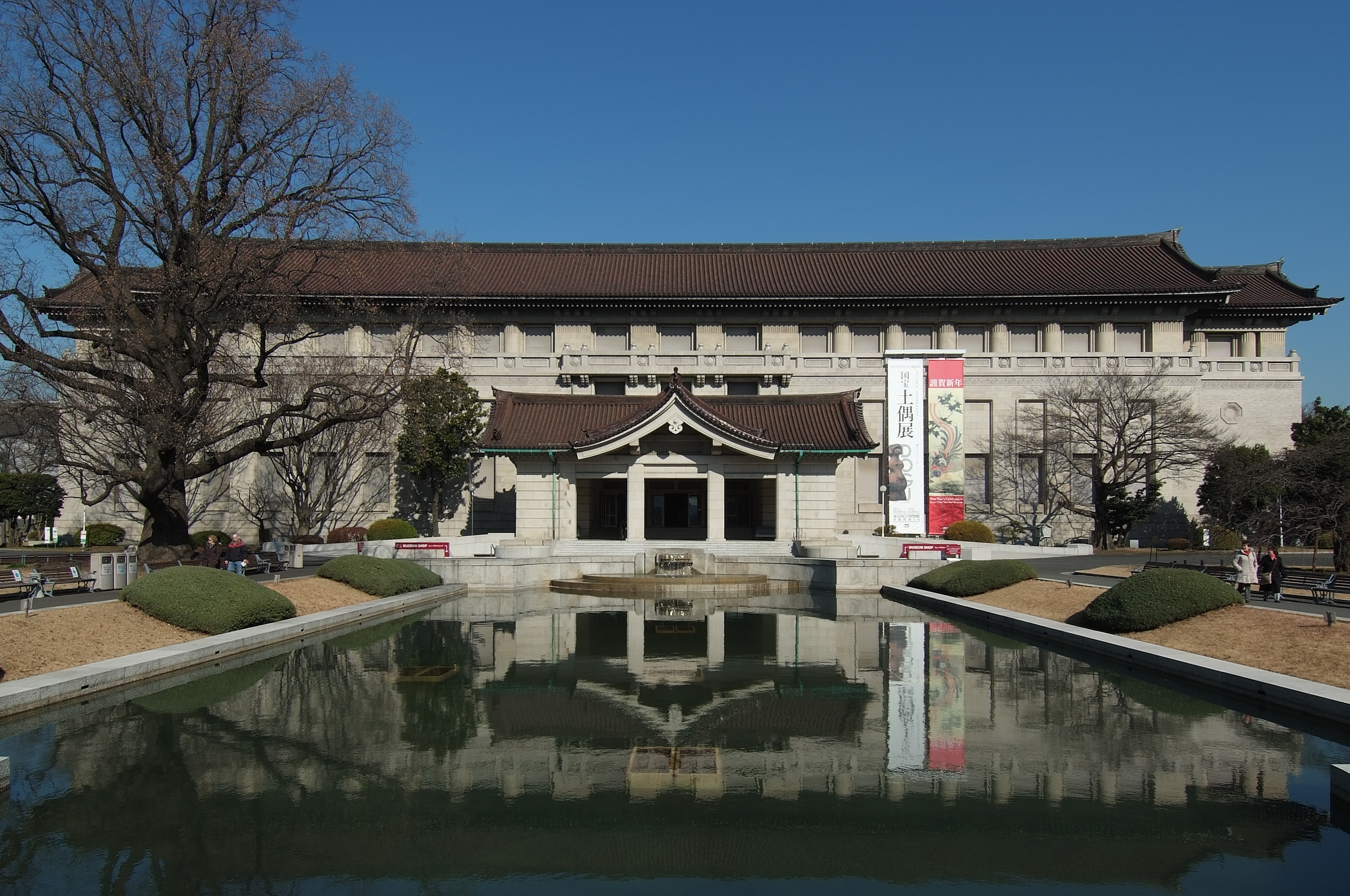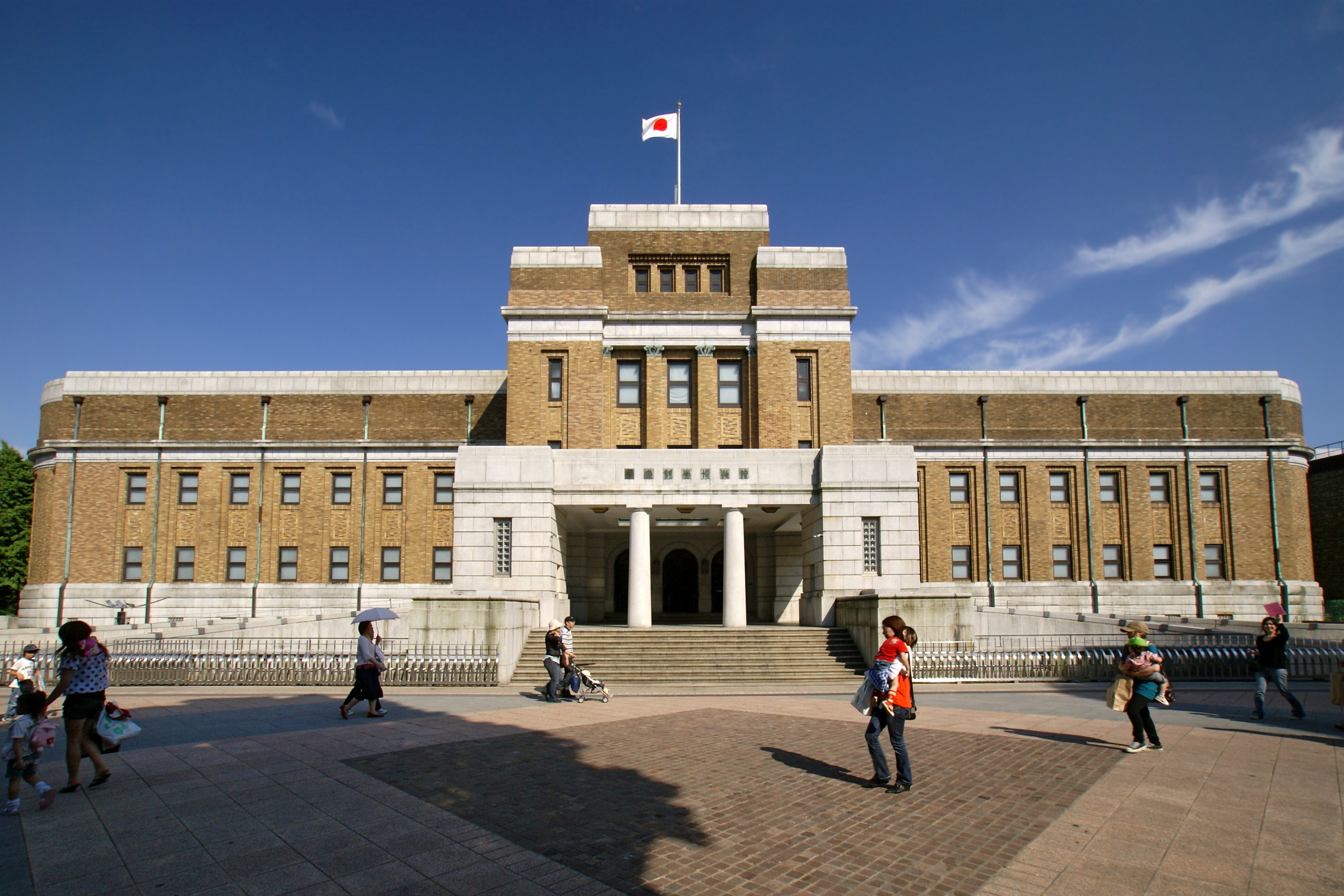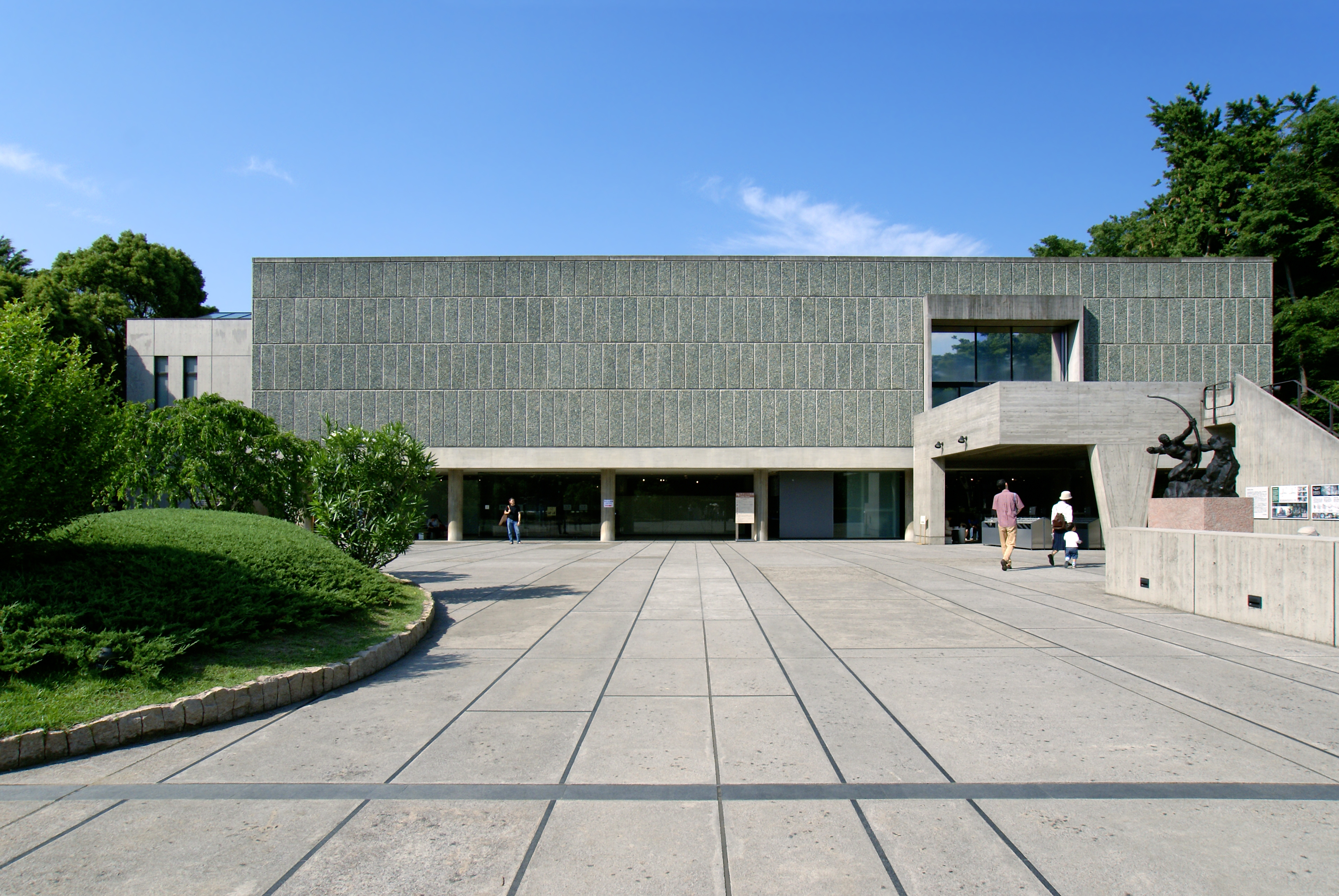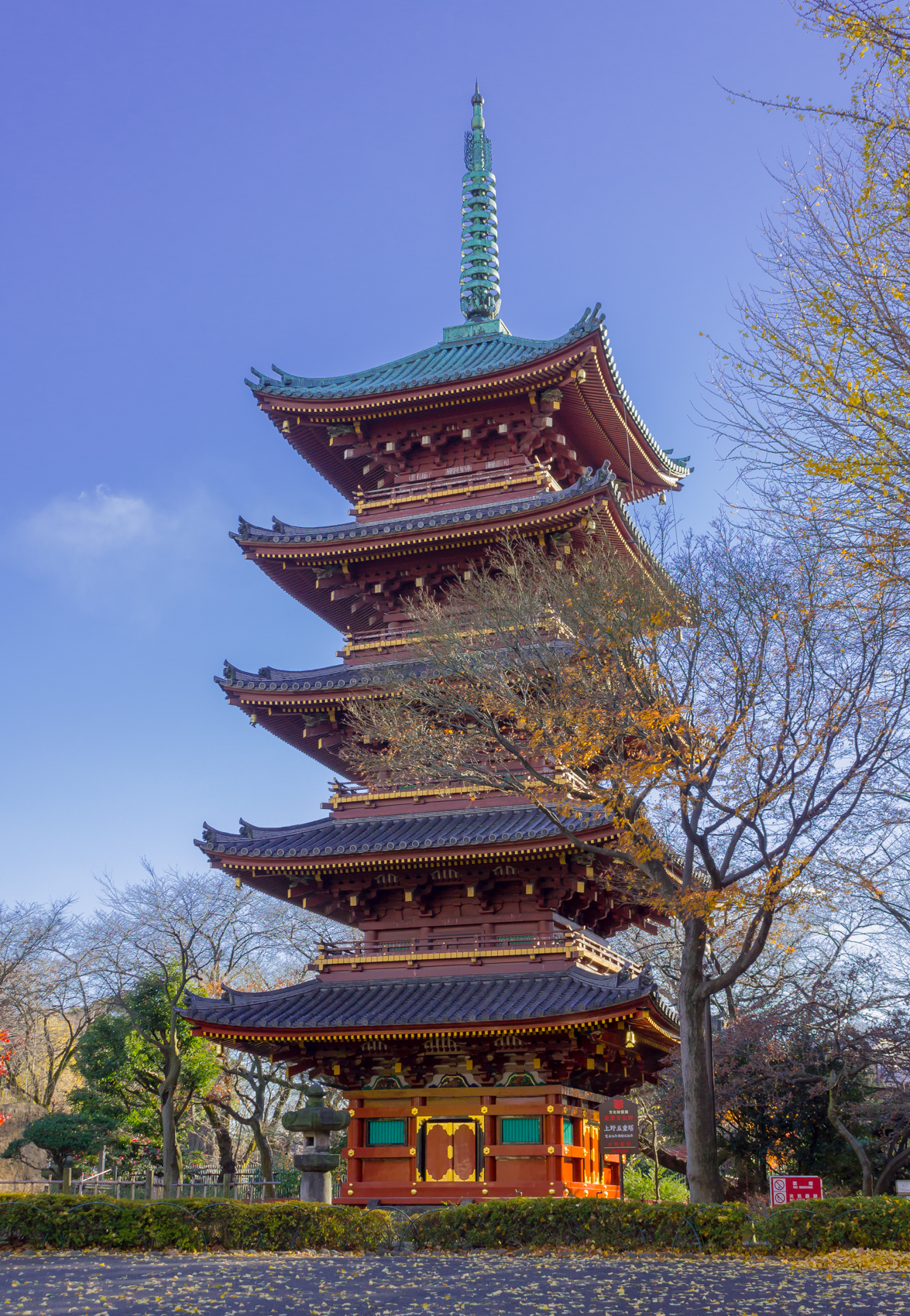
The once-immense Tokugawa family temple whose grounds became Ueno Park, scene of a decisive 1868 battle of the Boshin War.
It is hard to imagine now, wandering the museums and duck ponds of Ueno Park, that this entire green expanse was once the precinct of a single colossal temple. Kan'ei-ji was founded in 1625 by the priest Tenkai, a trusted advisor to the Tokugawa shoguns, and was deliberately positioned to the north-east of Edo Castle — the unlucky 'demon gate' direction — to spiritually protect the shogun's capital, exactly as the temple complex of Enryaku-ji on Mount Hiei was believed to guard Kyoto. To reinforce the parallel, the temple was even given a mountain name echoing Hiei, and a miniature version of Kyoto's landmarks was recreated around Shinobazu Pond, including a small island shrine modelled on the one in Lake Biwa.
At its height Kan'ei-ji was one of the two great funerary temples of the Tokugawa clan, and six of the fifteen shoguns are buried in its grounds. It grew into an enormous complex of halls, sub-temples, and pagodas, with vast landholdings that made it one of the most powerful religious institutions in the country. The cherry trees that the founder planted to beautify the precinct are the ancestors of Ueno's celebrated blossoms, which is why the park remains Tokyo's most famous hanami spot today.
The temple's grandeur ended violently. In July 1868, during the Boshin War that toppled the shogunate, a band of pro-Tokugawa samurai known as the Shogitai made their last stand here against the new imperial forces. In the Battle of Ueno the modern imperial army, using Armstrong cannon, crushed the defenders in a single day, and most of Kan'ei-ji's great buildings burned in the fighting. The Meiji government confiscated the ruined grounds and, a few years later, turned them into one of Japan's first public parks.
What survives is scattered but evocative. The present main hall is a more modest structure relocated from elsewhere, but around the park you can still find genuine Kan'ei-ji relics: the ornately gilded Ueno Tosho-gu shrine dedicated to Tokugawa Ieyasu, a graceful five-story pagoda now standing within the zoo grounds, the Kiyomizu Kannon-do hall modelled on Kyoto's famous temple, and the Tokugawa shogun mausoleum gate. Together they let you reconstruct, in the imagination, the scale of what once stood here.
Visiting is free and easily combined with a day in Ueno. The main hall and its immediate grounds are quiet and reverent, a contrast to the busy park around them, and the terrain is flat and accessible, though some of the outlying shrines involve steps. A knowledgeable visitor treats the whole park as an open-air history lesson, hunting down the surviving fragments of the temple among the museums.
Come in spring, when the descendants of Kan'ei-ji's cherry trees erupt into blossom, or in autumn for quieter colour. The temple's main hall is an eight-minute walk from JR Uguisudani Station, while the surviving shrines and pagoda lie a short stroll south through Ueno Park from Ueno Station.
A local's tip
Seek out the surviving five-story pagoda (now inside Ueno Zoo grounds) and the ornate Tosho-gu shrine nearby — both are Kan'ei-ji survivors from before the temple was largely destroyed in 1868.
Best time to visit
Spring for cherry blossoms in the connected Ueno Park; quiet mornings
Getting there
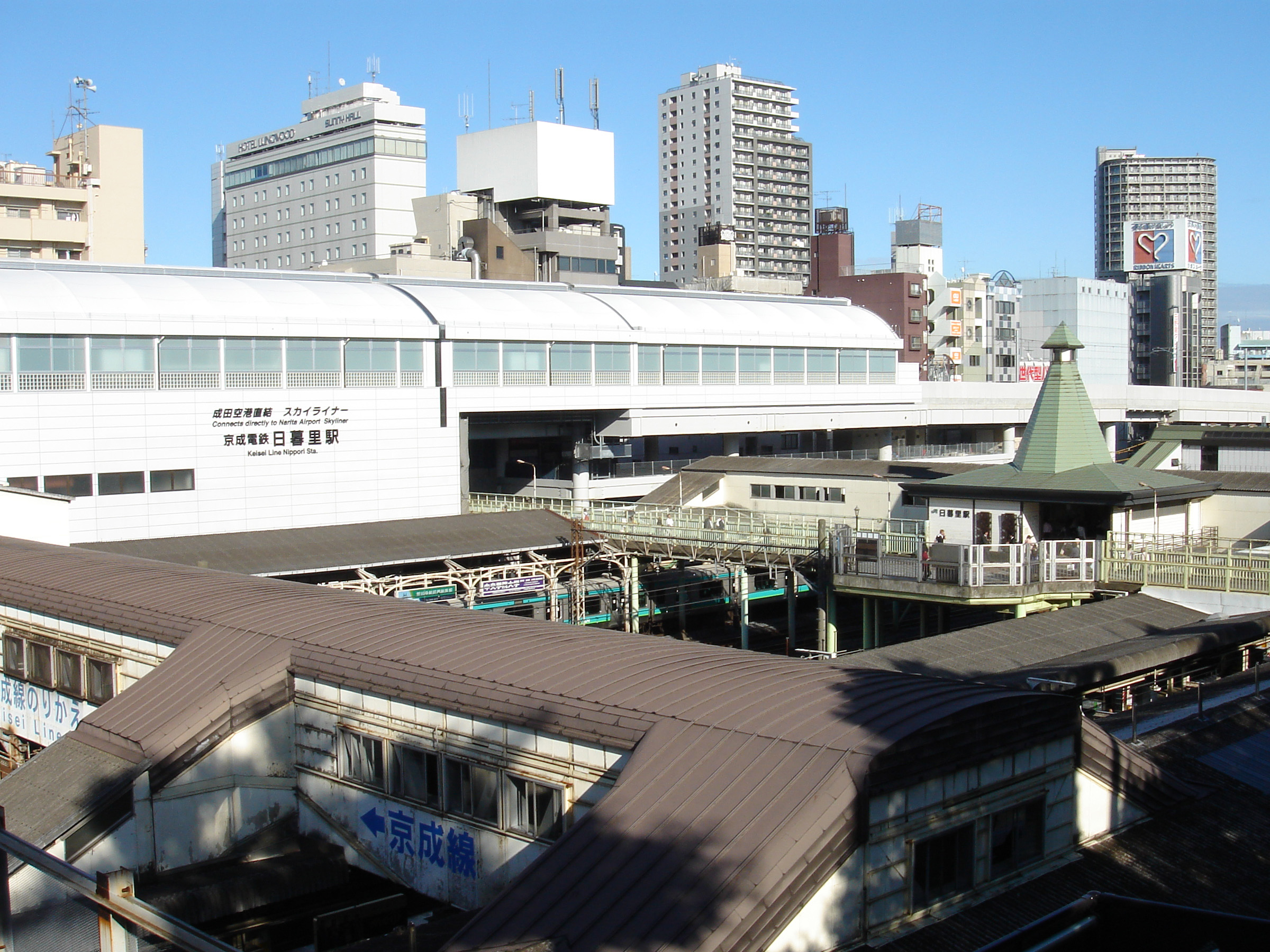
An 8-minute walk from JR Uguisudani Station (north exit), or about 12 minutes from Ueno Station through the north end of Ueno Park.
Good to know
- Restrooms
Plan the whole trip offline
Kan'ei-ji Temple is one of many places in the Real Japan app — with turn-by-turn directions, nearby spots and full offline maps you can use with no signal.