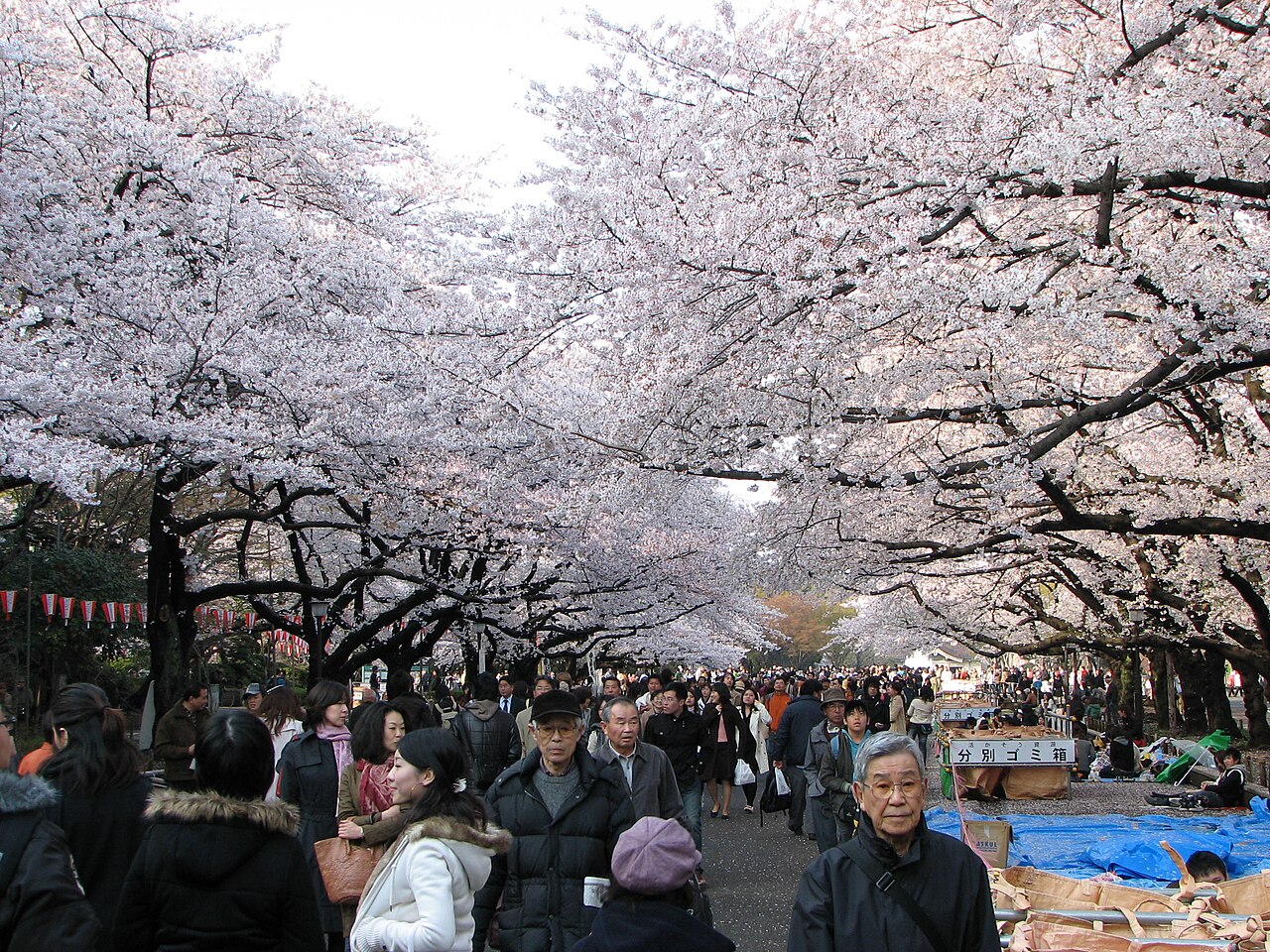
Tokyo's grand cultural park: 800 cherry trees, a lotus pond, historic shrines, and the city's greatest cluster of museums.
Ueno Park is Tokyo's great public playground of culture and nature, a sprawling 53-hectare expanse that manages to be at once the city's premier cherry-blossom destination, its densest concentration of world-class museums, and a lively everyday gathering place for families, students, and street performers. Opened in 1873 on land that had belonged to the mighty Kanei-ji temple, it was one of Japan's very first Western-style public parks and was formally gifted to the city by Emperor Taisho in 1924, giving it the official name Ueno Imperial Gift Park.
The park's most celebrated feature is its cherry blossom. Around 800 trees line the central avenue and cluster along the paths, and for a week or two from late March the whole park turns pale pink and fills with hanami picnickers spreading tarps beneath the branches from morning until night. It is boisterous, joyful, and utterly Tokyo—one of the definitive seasonal experiences in the capital. In summer the focus shifts to Shinobazu Pond, a large natural pond blanketed in giant lotus leaves and blossoms, with an island shrine, Bentendo, sitting in its centre and rowboats for hire on an adjacent basin.
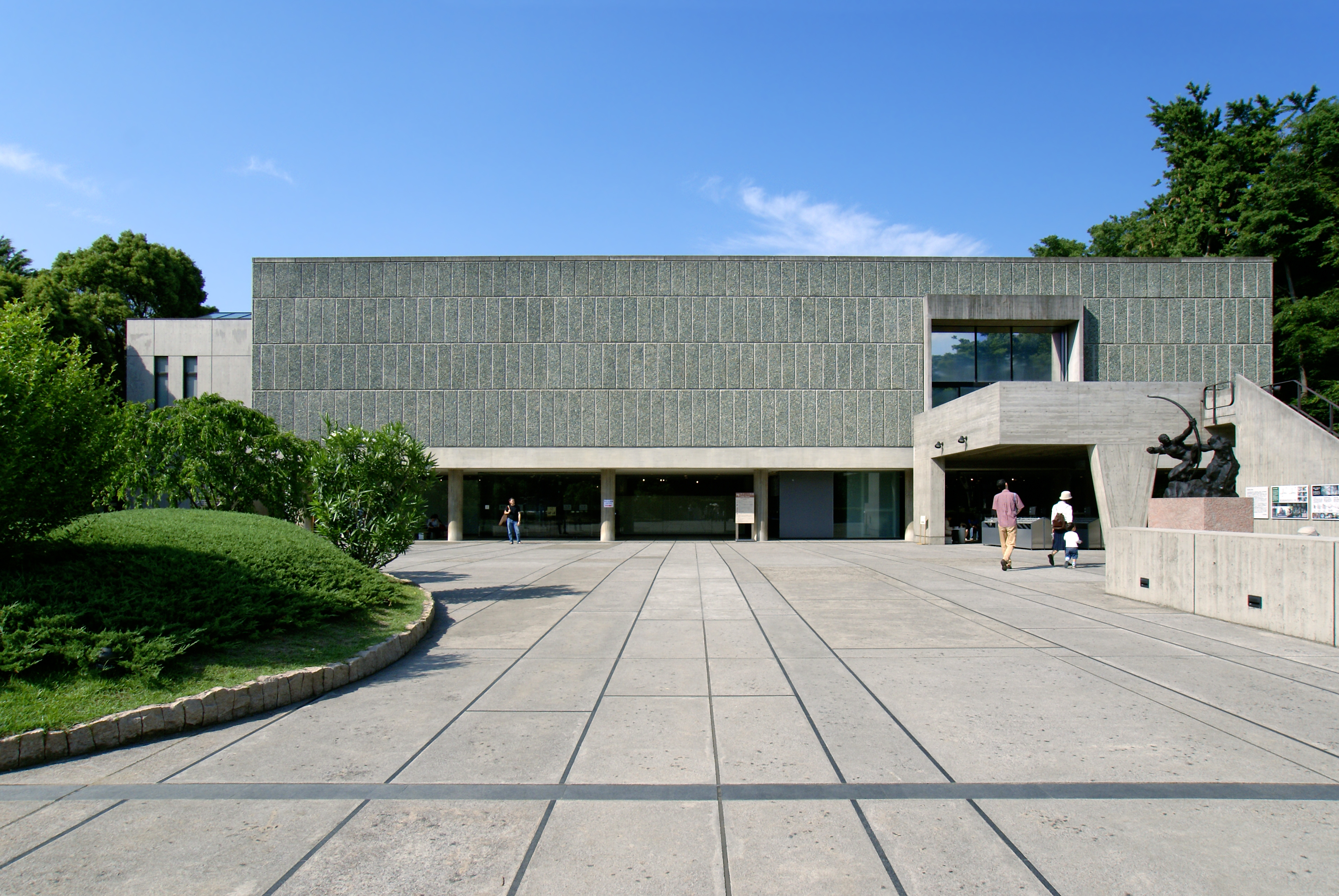
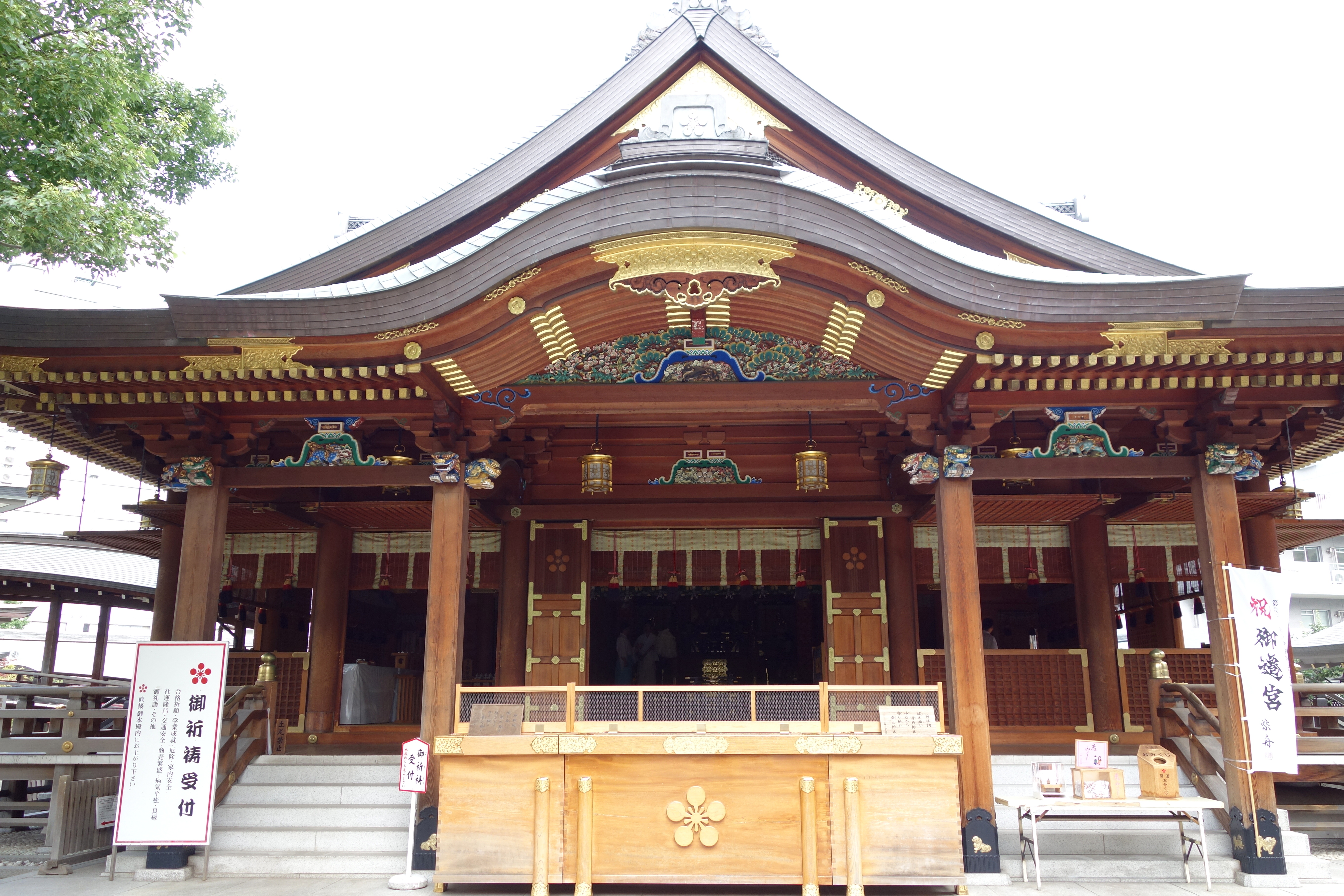
Culturally, Ueno is unmatched. The Tokyo National Museum, Japan's oldest and largest, anchors the northern end with its incomparable collection of national treasures. Around it stand the National Museum of Western Art, whose Le Corbusier–designed building is a UNESCO World Heritage Site, the National Museum of Nature and Science, the Tokyo Metropolitan Art Museum, and more—enough to fill several days. The park also contains Ueno Zoo, Japan's oldest, home to giant pandas, along with atmospheric older monuments: the five-storey pagoda, the ornate Toshogu Shrine dedicated to Tokugawa Ieyasu, and the cliff-top Kiyomizu Kannon-do temple modelled on Kyoto's famous hall.
The visiting experience is energetic and open-ended; unlike Tokyo's ticketed strolling gardens, entry to the park itself is free and the grounds are open from early morning until late evening. Broad paved avenues make it fully accessible, with cafes, restrooms, and food stalls throughout, and the atmosphere ranges from the hush of the museum quarter to the carnival buzz around the pond and zoo. Buskers, statues of national heroes such as Saigo Takamori walking his dog, and the constant flow of visitors give it a democratic, human warmth.
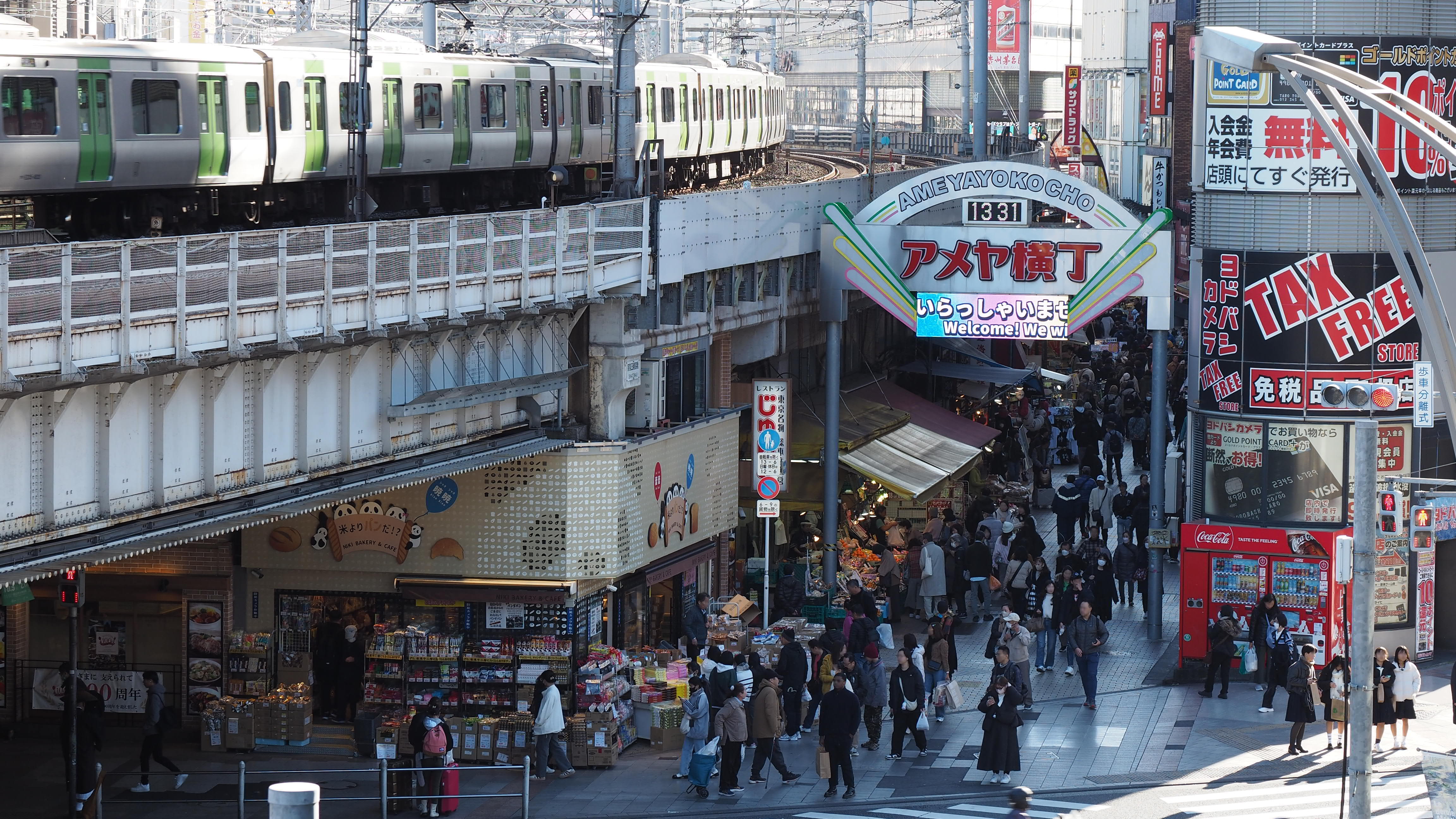
Because it packs so much into one place, Ueno rewards at least a half-day and easily a full one. The best time to visit is the cherry-blossom fortnight for spectacle, or any clear weekday if the goal is the museums. It sits directly beside Ueno Station on the JR Yamanote Line and several metro lines, and combines effortlessly with the nearby Ameya-Yokocho market street, making it one of the most rewarding and accessible outings in the entire city.
A local's tip
For hanami with a fraction of the crowds, skip the packed central avenue and picnic on the western slope above Shinobazu Pond—same blossoms, open lawn, and a view over the lotus-covered water and its little island shrine.
Best time to visit
Late March to early April for one of Tokyo's most famous cherry-blossom seasons
Getting there
From Ueno Station (JR Yamanote, Keihin-Tohoku and other lines, plus Tokyo Metro Ginza and Hibiya lines) the Park exit leads directly to the park entrance in about 2 minutes. Keisei-Ueno Station also sits beneath the park.
Good to know
- Zoo
- Cafes
- Museums
- Restrooms
- Wheelchair
Plan the whole trip offline
Ueno Park is one of many places in the Real Japan app — with turn-by-turn directions, nearby spots and full offline maps you can use with no signal.