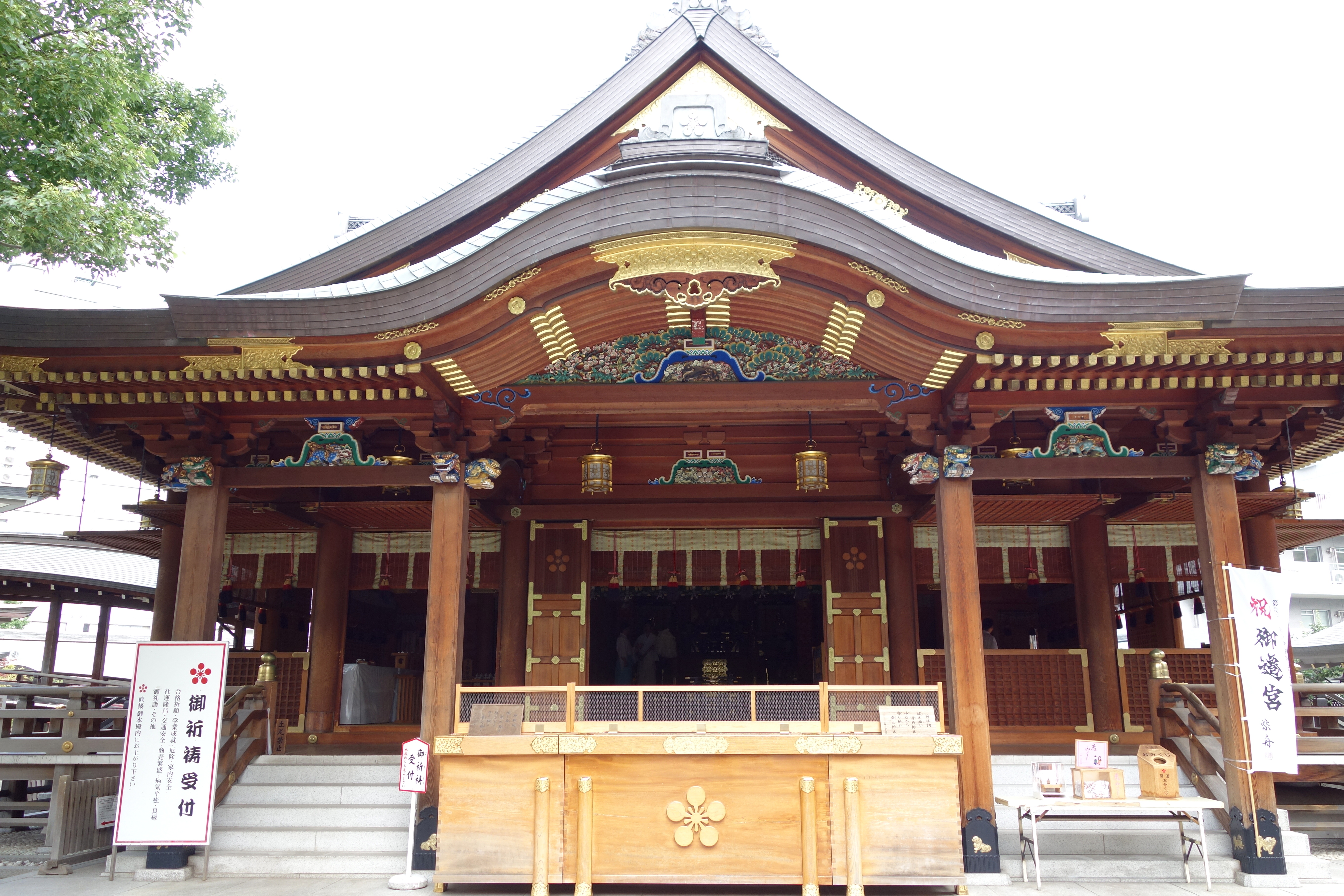
Tokyo's shrine of scholarship, wreathed in plum blossom and students' exam prayers each February.
Yushima Tenmangū, often called Yushima Tenjin, is Tokyo's foremost shrine of learning — the place generations of students have come to pray before the fearsome entrance exams that shape Japanese life. Perched on a slope in Bunkyō ward near Ueno, it is dedicated to Tenjin, the deified spirit of Sugawara no Michizane, the brilliant 9th-century scholar, poet and statesman revered across Japan as the god of scholarship and calligraphy.
The shrine's origins are ancient — tradition dates a first foundation to the year 458 — but its identity as a centre of study was fixed in 1355 when Michizane was formally enshrined here. Ever since, and especially from the Edo period when a thriving culture of learning grew up around nearby Ueno, Yushima Tenjin has been the spiritual home of examinees. In the weeks before university and high-school entrance tests, the racks of the shrine overflow with tens of thousands of ema — small wooden plaques on which students write their hopes, their target schools, and prayers to pass. Reading them is genuinely moving, a snapshot of a nation's anxieties and dreams.
The deep association with Michizane, who loved plum trees, gives the shrine its second great draw. Around 300 plum trees of some 20 varieties fill the grounds, and when they bloom from late February into March the shrine hosts its celebrated Ume Matsuri (Plum Festival), with white and pink blossoms perfuming the air, outdoor tea, traditional music, and dense but good-humoured crowds. The plum, blooming bravely in the last of winter, is a fitting symbol for students steeling themselves for exams.
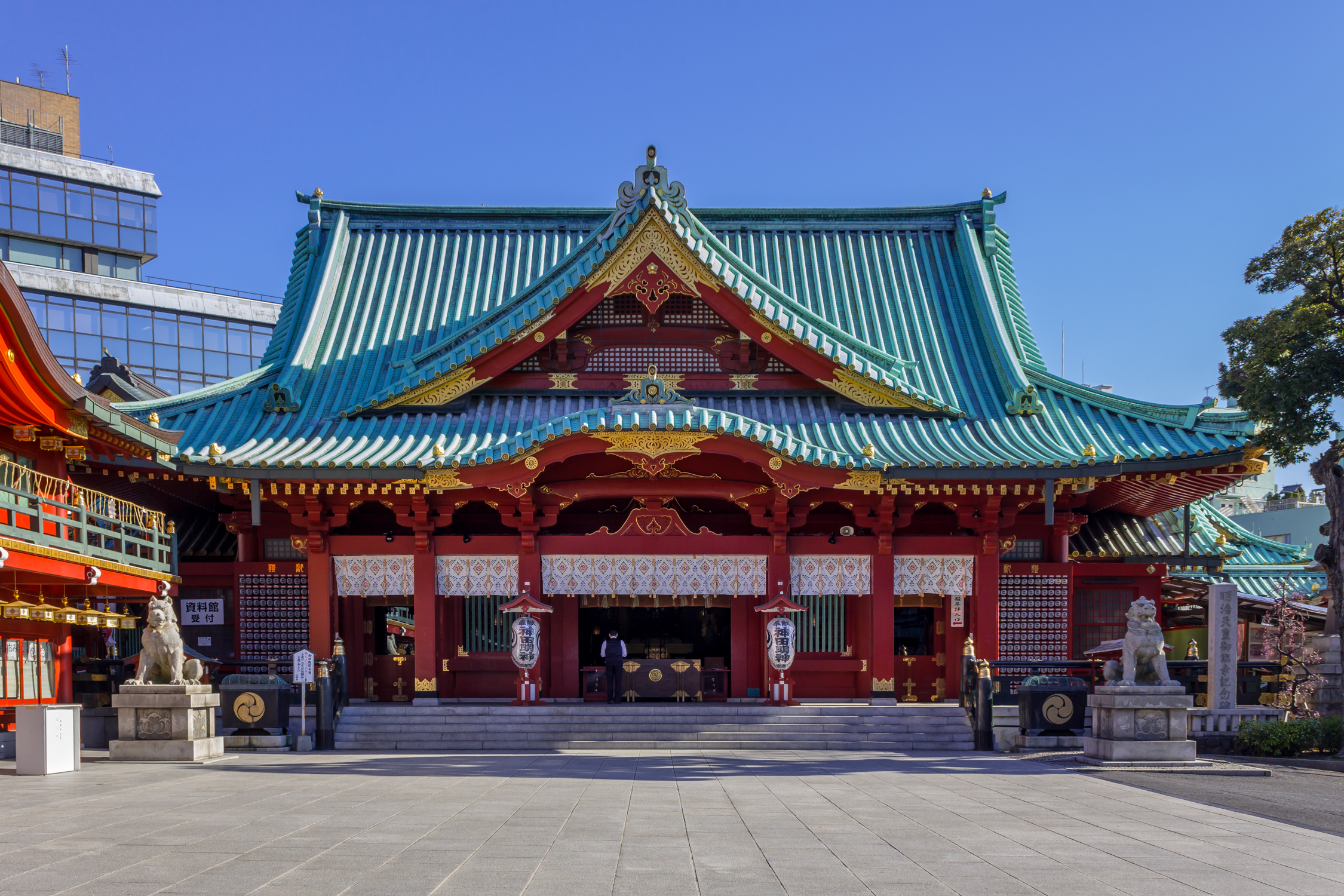
Architecturally, the present main hall is a handsome 1995 reconstruction built entirely of hinoki cypress in the classic Shinto style — a rarity in fire- and earthquake-prone Tokyo, and beautifully crafted. Look for the bronze ox statue near the entrance, a messenger of Tenjin that visitors stroke for wisdom and health, and the striking Otoko-zaka and Onna-zaka (men's and women's) staircases that climb the hill from different directions.
The visiting experience is warm and unpretentious. Entry is free year-round; only special festival activities occasionally carry small charges. The grounds are compact and can be seen in half an hour, though the plum season rewards a slower wander. The site sits on a slope with several staircases, but a gentler graded approach makes it reachable for most visitors. A shop sells study charms (gōkaku kigan omamori) that make thoughtful, meaningful souvenirs.
Getting there is easy: Yushima Station on the Chiyoda Line is a two-minute walk, and Ueno-Hirokōji, Okachimachi and Ueno stations are all within comfortable range. Combine a visit with the museums of Ueno Park, a short stroll away, for a day that pairs Japan's reverence for learning with its greatest cultural collections.
A local's tip
Visit during the late-February Plum Festival and read the thousands of wooden ema tablets left by students praying to pass their entrance exams — the shrine's most human sight.
Best time to visit
Late February to mid-March for the plum blossoms
Getting there
Two minutes on foot from Yushima Station (exit 3) on the Chiyoda Line, or a short walk from Ueno-Hirokoji and Okachimachi stations.
Good to know
- Restrooms
- Plum garden
- Souvenir shop
Plan the whole trip offline
Yushima Tenmangū is one of many places in the Real Japan app — with turn-by-turn directions, nearby spots and full offline maps you can use with no signal.