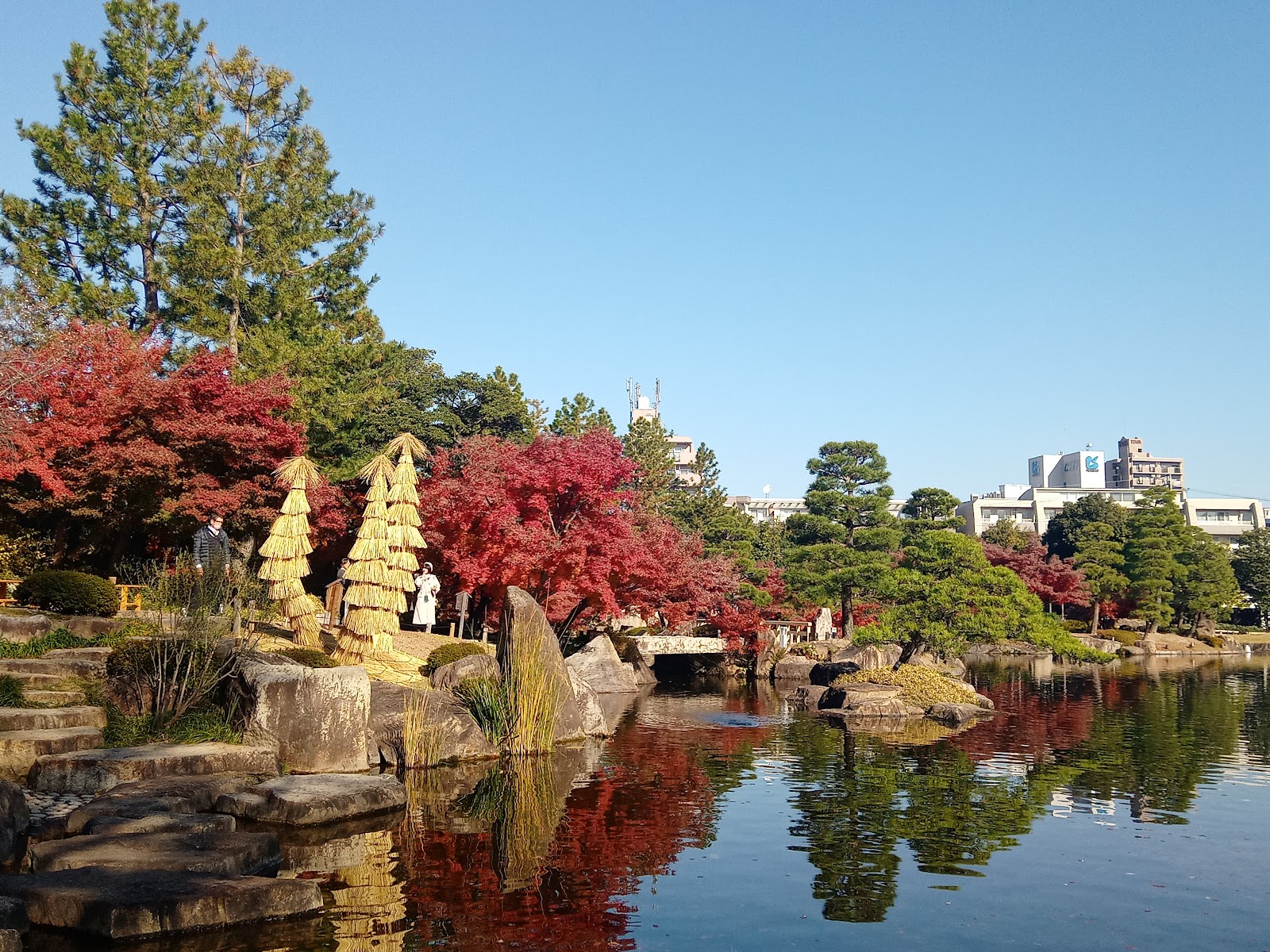
An elegant daimyo strolling garden on the former estate of Nagoya's ruling Tokugawa lords, with waterfalls, ponds and seasonal blooms.
Tokugawaen is a graceful Japanese garden laid out on land that once formed part of the vast retirement estate of the Owari Tokugawa, the senior branch of the shogunal family who ruled the Nagoya domain. Set in Higashi Ward beside the Tokugawa Art Museum, which houses the clan's spectacular collection of samurai treasures, the garden re-creates the pond-strolling style favoured by feudal lords, designed so that a walk along its paths reveals a sequence of carefully framed scenes. The original garden was lost, like much of old Nagoya, to wartime bombing, and the present landscape was rebuilt and reopened in 2004 in the daimyo garden tradition.
The garden's design tells a miniature story of water flowing from mountains to the sea. A tall, three-tiered waterfall known as Ozone-no-taki spills down a rocky slope at the upper end, feeding streams that wind through the grounds and pool in a large central pond dotted with islands and spanned by stone and wooden bridges. Ravines, gorges and a symbolic river valley are compressed into the compact space, and every turn of the path offers a fresh composition of rock, water and greenery. The effect is both intimate and grand, evoking the leisured aesthetic of the lords who once strolled here.
What makes Tokugawaen especially rewarding is its year-round succession of flowers. Spring brings cherry blossoms, followed by a famous display of peonies and, in early summer, irises blooming along the water's edge. Summer offers cool green shade and lotus, while autumn sets the garden's many maples ablaze in red and orange reflected in the pond. Even winter has its charms, with camellias and the occasional dusting of snow on the rocks. This carefully staged calendar of colour draws local visitors back through the seasons.
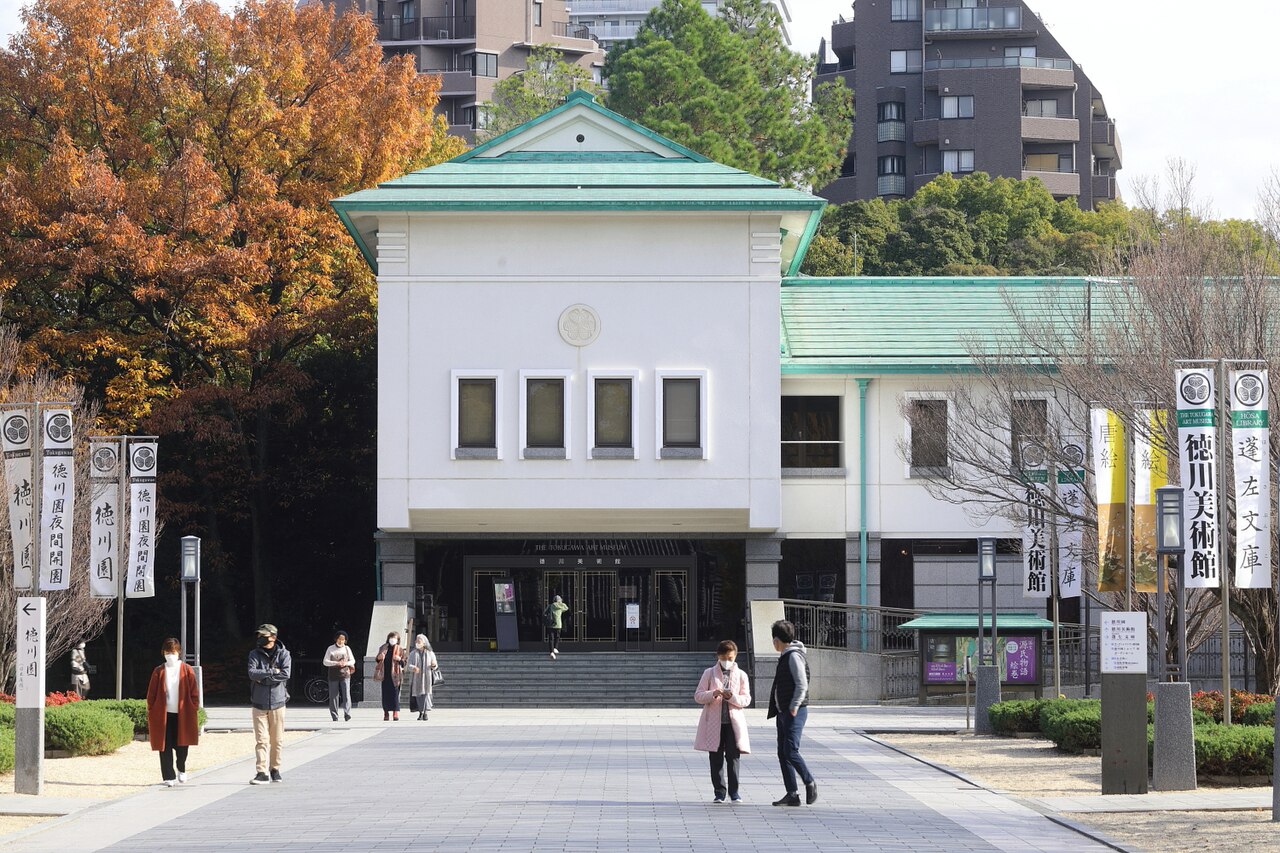
The garden pairs naturally with the adjacent Tokugawa Art Museum, and a combined ticket lets you see both in one visit. Inside the museum are heirlooms of the Owari Tokugawa, including armour, swords, tea utensils and, most famously, a nationally treasured twelfth-century illustrated scroll of The Tale of Genji, portions of which are displayed on rotation. Together the garden and museum offer a vivid sense of the wealth and refined taste of the family that shaped Nagoya. A restaurant and cafe within the grounds allow for a relaxed break overlooking the scenery.
Getting there is easy: Tokugawaen is about a ten-minute walk from Ozone Station, served by JR, subway and Meitetsu lines, placing it within reach of Nagoya Castle and the Bunka no Michi heritage district for a longer cultural day. Admission to the garden is a modest 300 yen, it is open daily except Mondays, and an unhurried visit takes a little over an hour.
For travellers seeking a classic feudal-lord garden with the added draw of a world-class samurai art collection next door, Tokugawaen is one of Nagoya's most satisfying stops — a beautifully rebuilt landscape that keeps alive the leisured world of the city's Tokugawa rulers.
A local's tip
A combined ticket with the neighbouring Tokugawa Art Museum saves money and lets you pair the garden with the samurai treasures of the Owari Tokugawa clan.
Best time to visit
Late April for peonies and irises; November for autumn colour
Getting there
About a 10-minute walk from Ozone Station (JR, subway or Meitetsu) in Higashi Ward, northeast of Nagoya Castle.
Good to know
- Gift shop
- Restrooms
- Restaurant
- Wheelchair access
Plan the whole trip offline
Tokugawaen is one of many places in the Real Japan app — with turn-by-turn directions, nearby spots and full offline maps you can use with no signal.