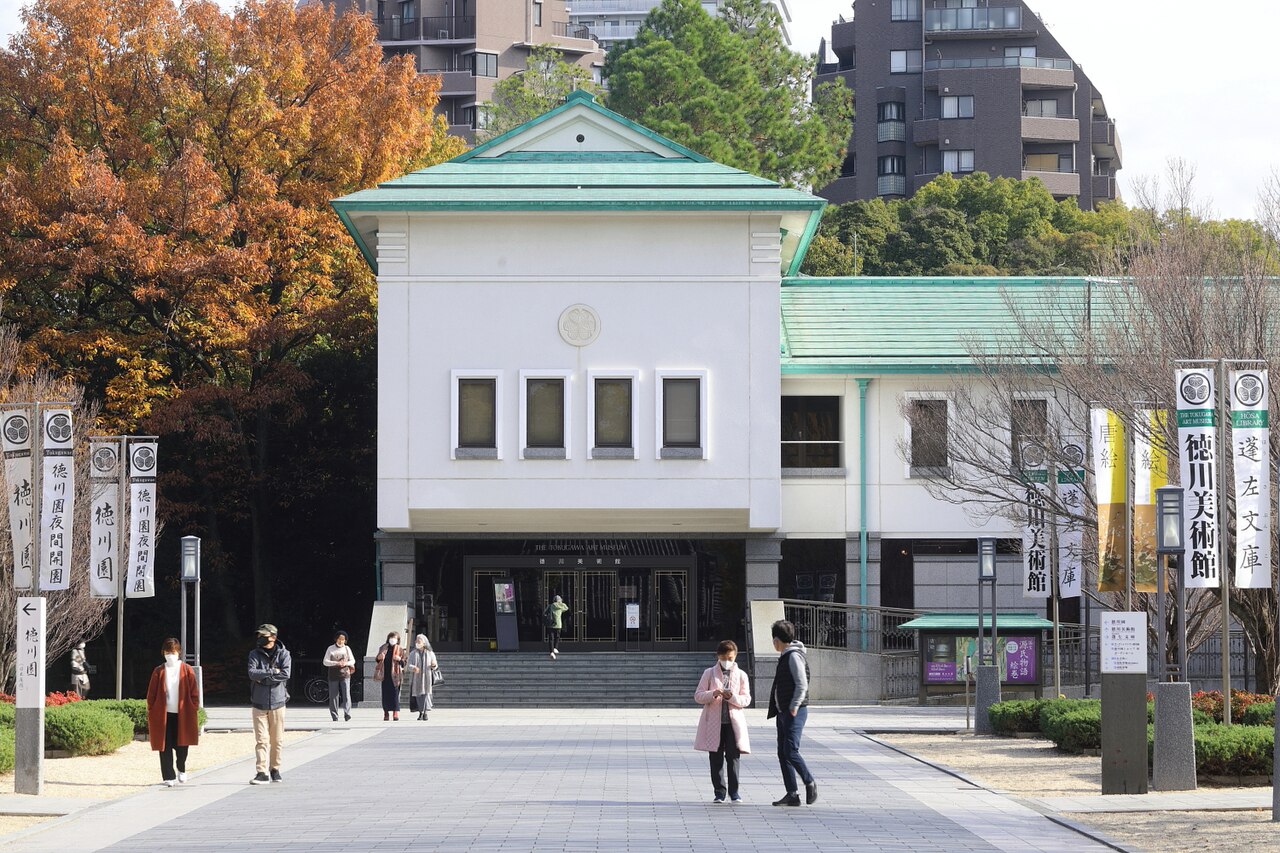
The private collection of Nagoya's ruling Tokugawa lords, home to armour, swords and the priceless Genji scrolls.
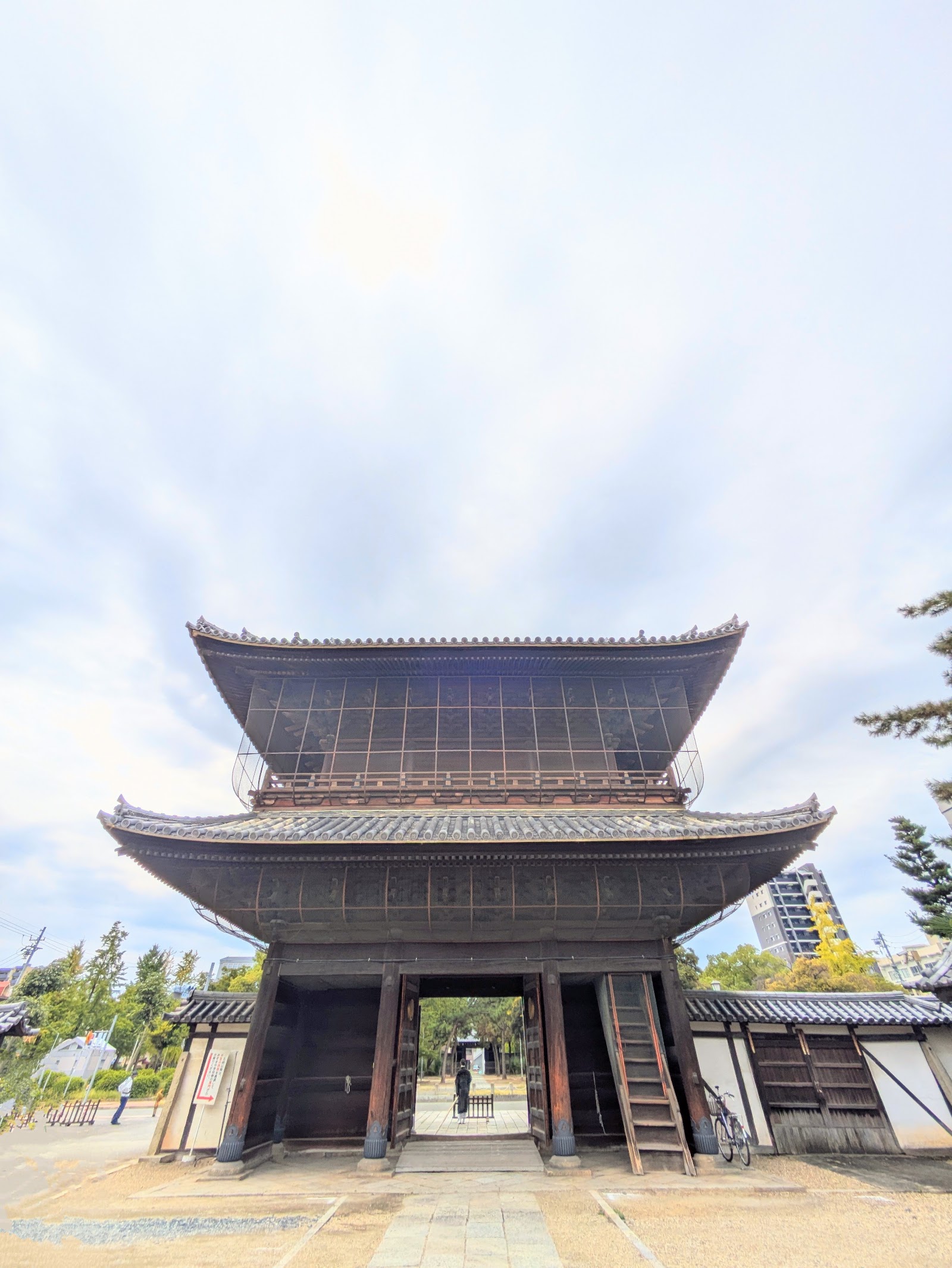
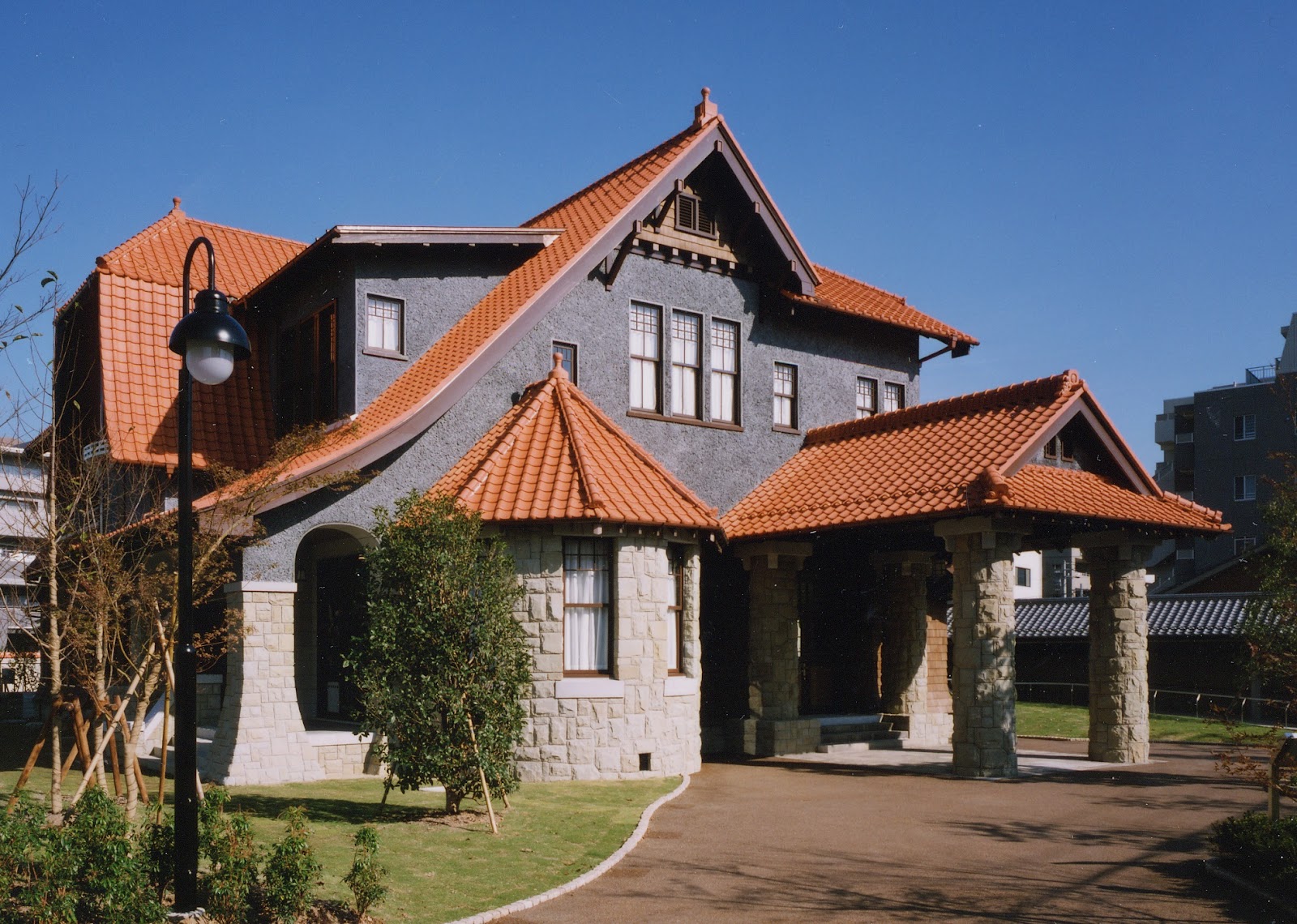
The Tokugawa Art Museum preserves the accumulated treasures of the Owari Tokugawa family, the branch of the ruling shogunal dynasty that governed Nagoya throughout the Edo period, and it is one of the finest collections of samurai-era art anywhere in Japan. Opened in 1935, the museum grew directly from the household possessions of the daimyo who lived in and around Nagoya Castle, giving it an authenticity that few institutions can match: these are not objects gathered by later collectors but the actual heirlooms of a ruling house.
The collection numbers more than 10,000 items and includes nine National Treasures and dozens of Important Cultural Properties. Among them are magnificent suits of armour, exquisitely forged swords, tea-ceremony utensils, lacquerware, Noh masks and costumes, calligraphy and paintings, all reflecting the refined tastes and martial heritage of the Tokugawa lords. The galleries are arranged to evoke the world of a great daimyo household, with reconstructions of a formal reception room, a Noh stage and a tea room that place the objects in their living context.
The museum's single most celebrated possession is the Genji Monogatari Emaki, the illustrated handscroll of the Tale of Genji. Painted in the twelfth century, it is the oldest surviving illustrated version of Murasaki Shikibu's classic novel and one of the supreme masterpieces of Japanese narrative painting, designated a National Treasure. Because the pigments and paper are extraordinarily fragile, the original is displayed for only a short period each year, typically around November; for the rest of the year visitors see a meticulous reproduction that still conveys the delicacy of the original. Timing a visit to catch the genuine scrolls is a genuine pilgrimage for lovers of Japanese art.
The visiting experience is calm, spacious and beautifully presented, with clear English labelling on the major pieces. Even outside the Genji display period, the armour and swords alone justify the trip, offering an intimate look at the material culture of the samurai class at the height of its power. Special exhibitions rotate through the year, drawing on the vast reserve collection.
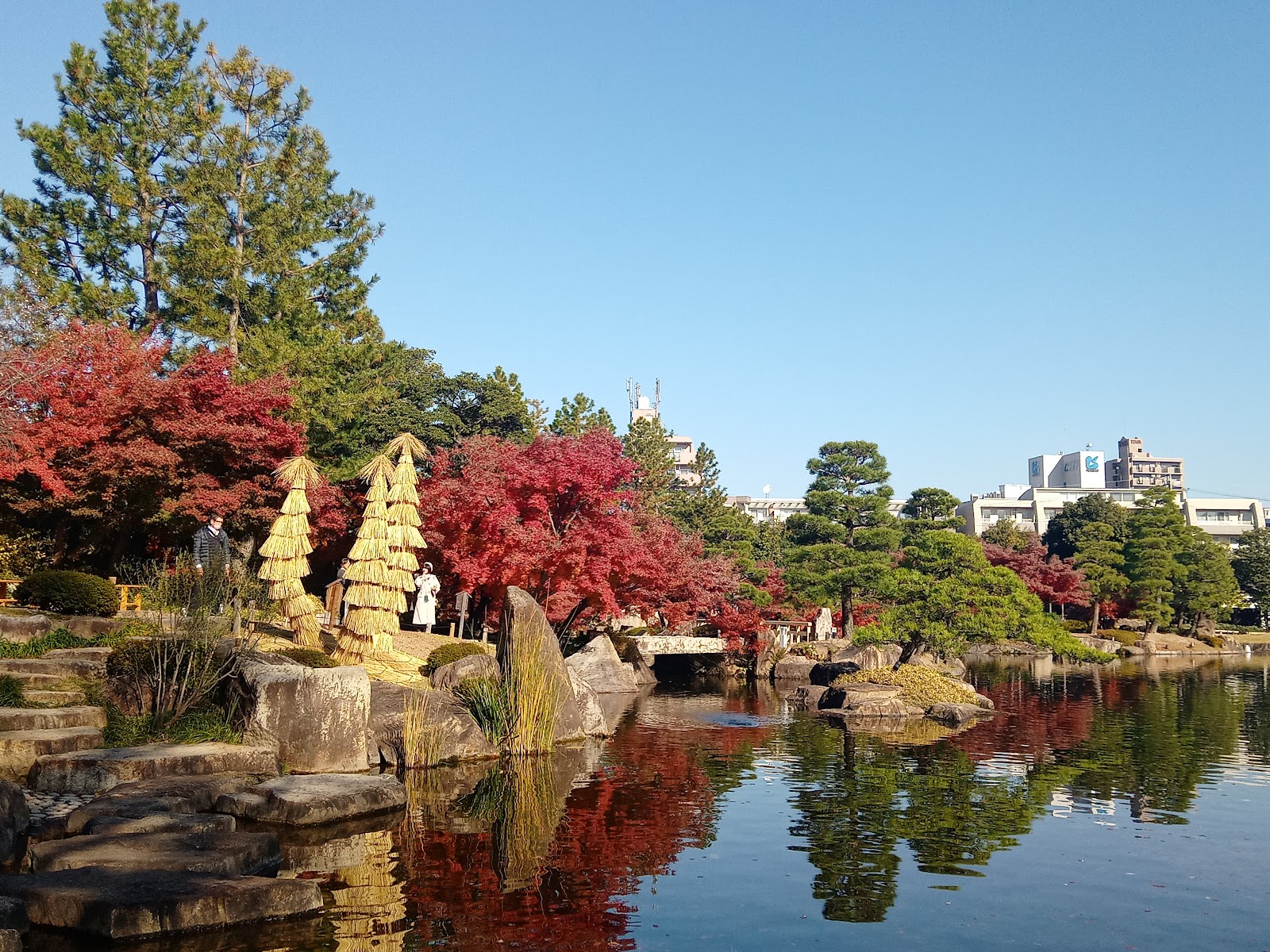
The museum shares its grounds with Tokugawaen, an elegant Japanese strolling garden laid out on the site of a former Owari retirement villa, with ponds, waterfalls, maples and seasonal flowers. A combined ticket lets you pair the indoor treasures with a walk through the garden, which is especially lovely under cherry blossom in spring and blazing maples in late autumn. Together they make a rich half-day devoted to the family that shaped the city.
Getting there is straightforward. Ozone Station, served by the JR Chuo Line, the Meijo subway and the Meitetsu Seto Line, is about ten minutes' walk away, and the JR access means Japan Rail Pass holders can reach it without extra fare. The museum is modern, level and fully accessible.
For anyone interested in samurai culture, classical Japanese art, or the Tokugawa dynasty that ruled Japan for over two and a half centuries, the Tokugawa Art Museum is the essential stop in Nagoya, a place where the private world of a great ruling house survives intact and open to view.
A local's tip
The famous Illustrated Handscroll of the Tale of Genji is so fragile it is shown only briefly around November each year, replaced by a high-quality reproduction the rest of the time; buy a combined ticket to also stroll the adjacent Tokugawaen garden.
Best time to visit
Late November for the Genji scroll display period
Getting there
Take the JR Chuo Line or Meijo subway to Ozone Station and walk about ten minutes; the museum shares its grounds with the Tokugawaen garden in Higashi ward.
Good to know
- Cafe
- Wi-Fi
- Gift shop
- Restrooms
Plan the whole trip offline
Tokugawa Art Museum is one of many places in the Real Japan app — with turn-by-turn directions, nearby spots and full offline maps you can use with no signal.