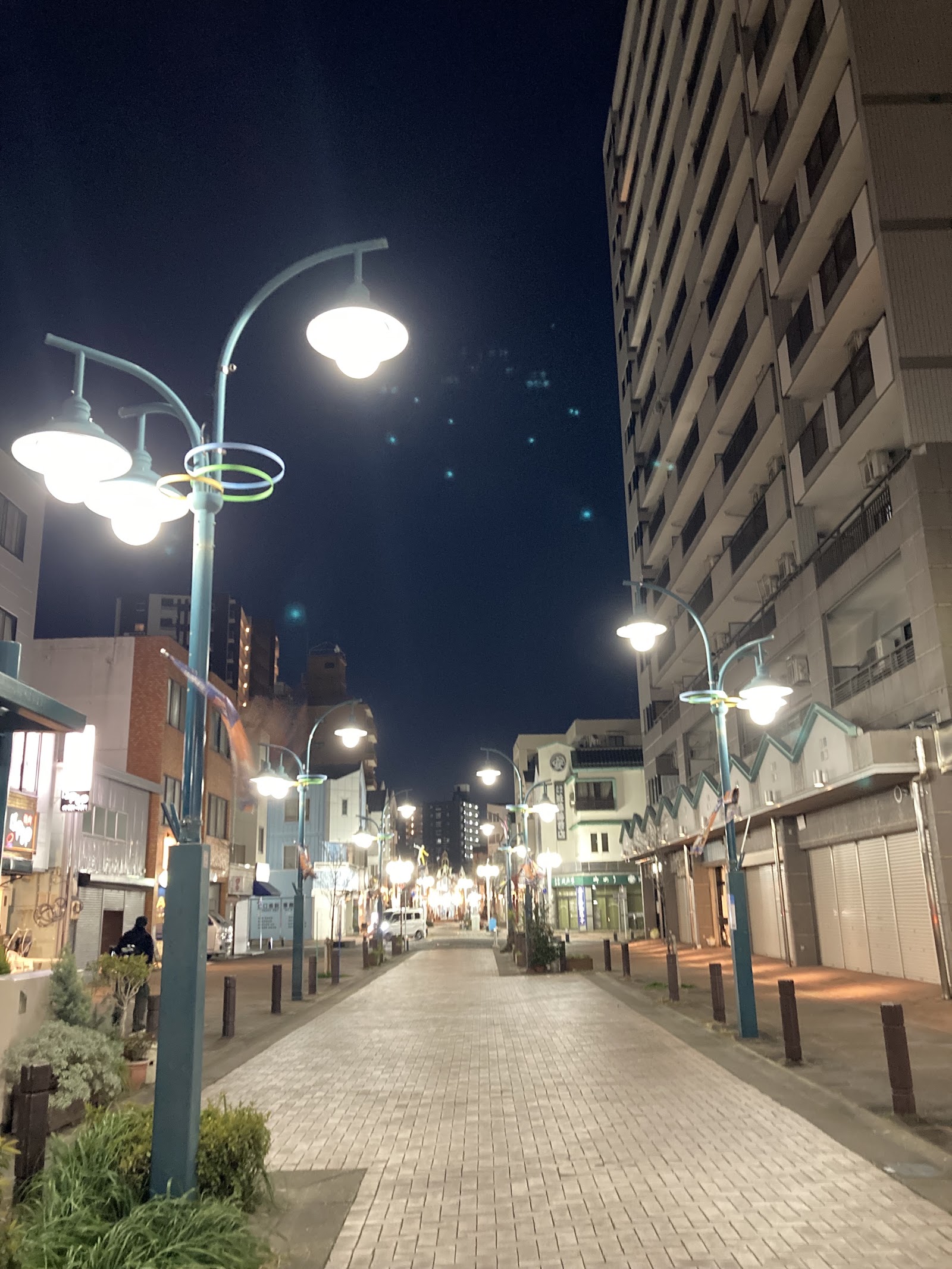
A busy northern transport-hub district and gateway to Nagoya's Tokugawa gardens, art museum and castle.
Ozone is a bustling district in northern Nagoya that functions both as a major transport interchange and as the gateway to one of the city's most cultured neighbourhoods. Where the tourist crowds cluster around Sakae and the station, Ozone offers a more local, everyday slice of the city while sitting within easy reach of some of Nagoya's finest gardens, museums and historic sites.
The district itself is a lively commercial hub built around Ozone Station, where the Meijo subway line, the JR Chuo Line and the Meitetsu Seto Line converge. Around the station are shopping streets, department and electronics stores, restaurants and the kind of practical, unglamorous urban bustle that shows how the city actually lives and works. It is a good place to eat and shop among locals, with a down-to-earth atmosphere far from the polished tourist zones.
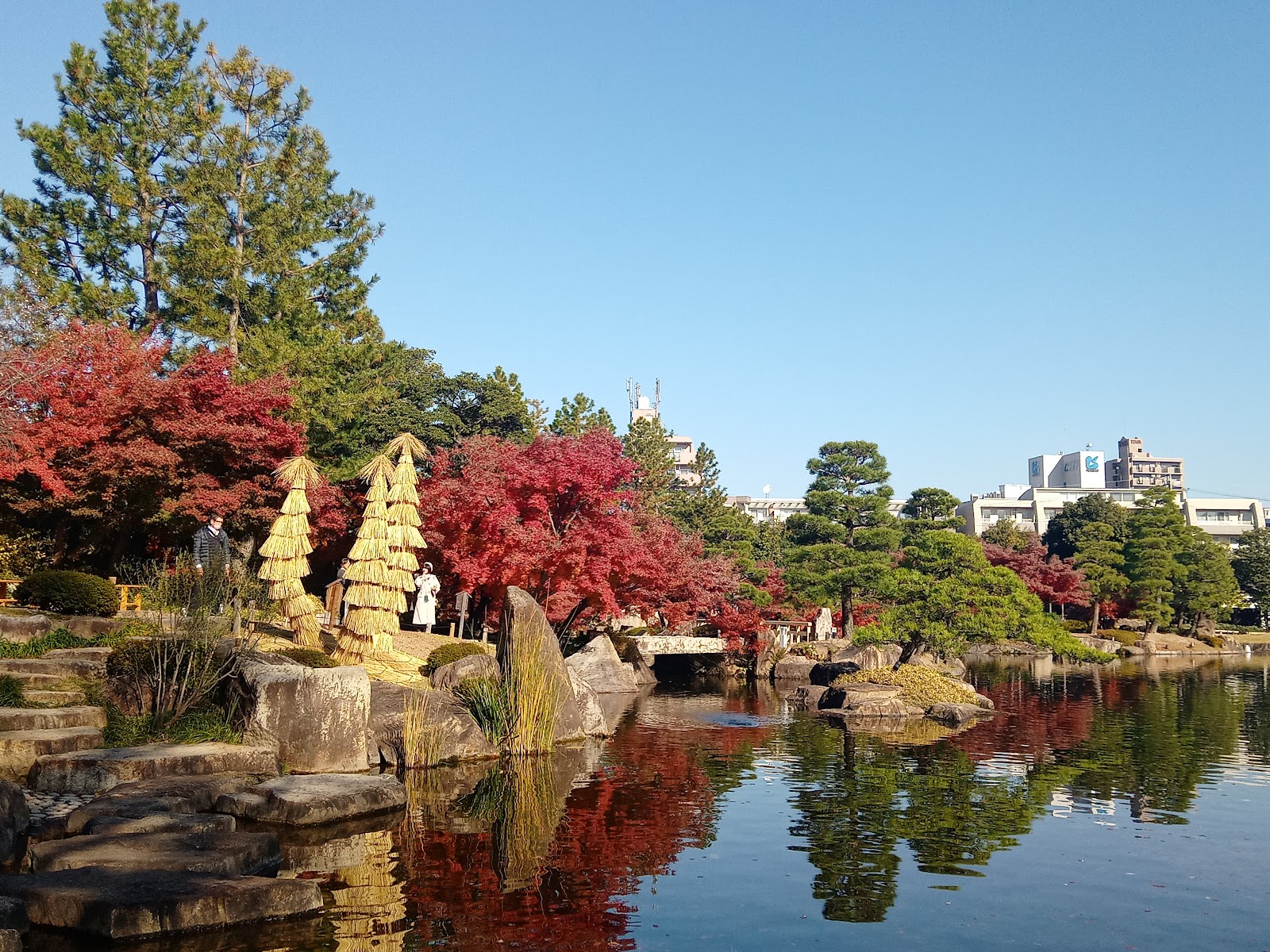
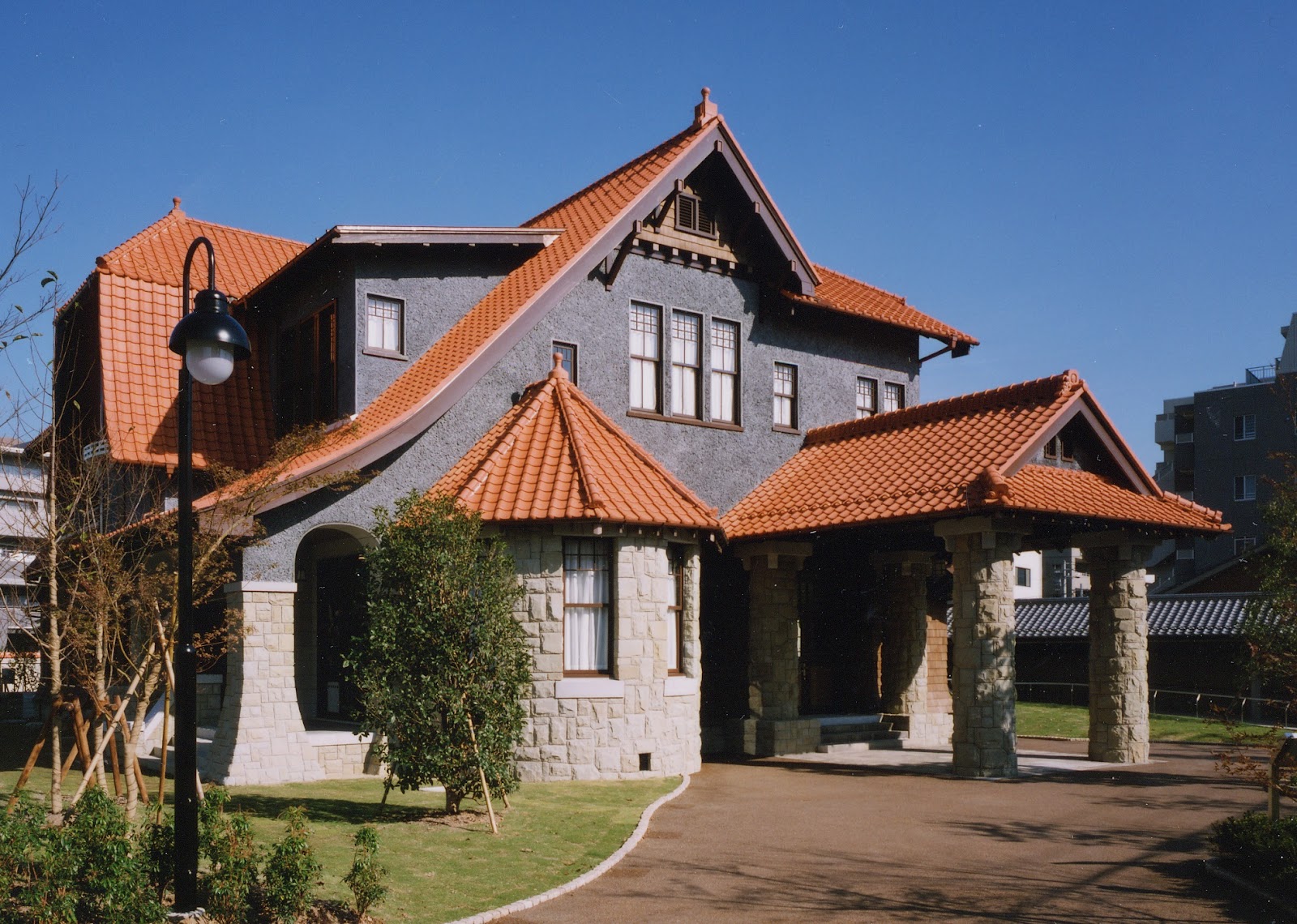
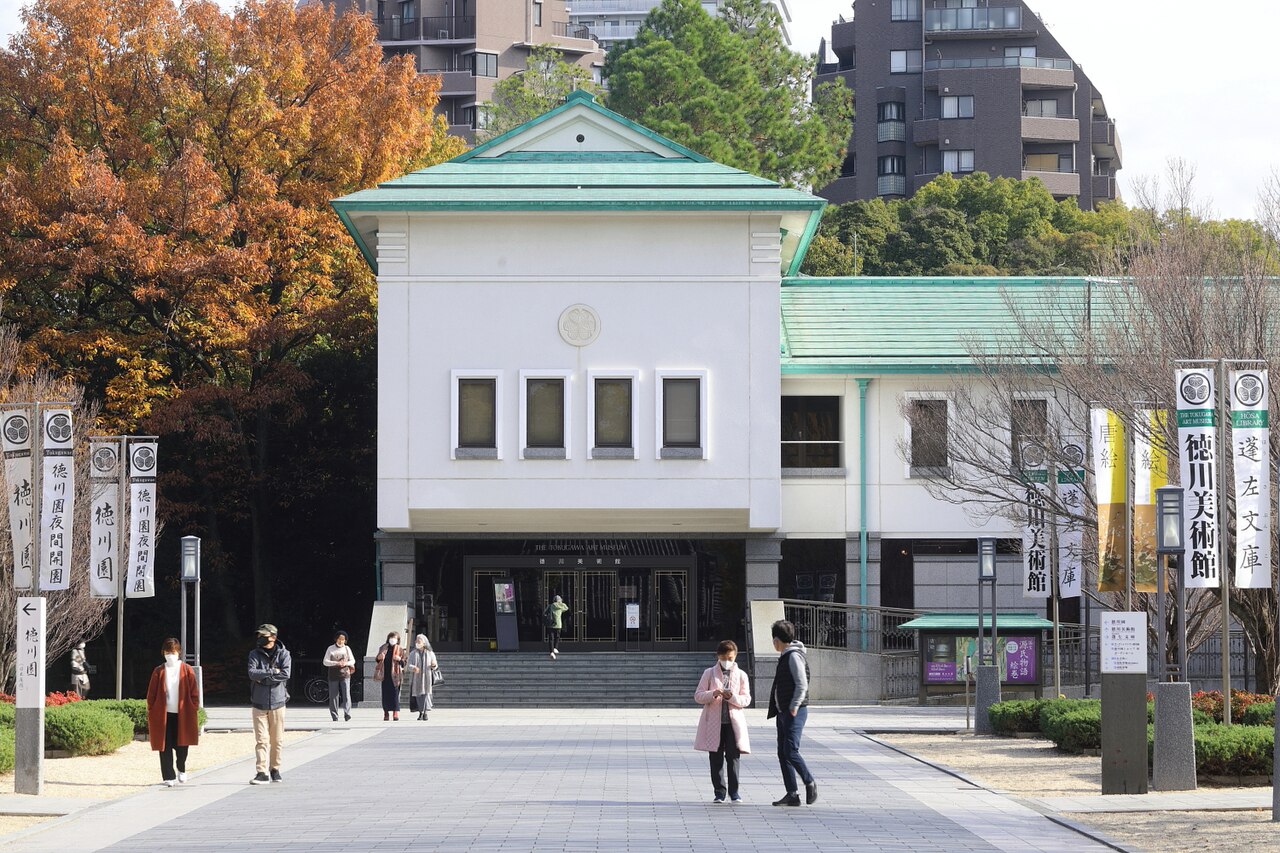
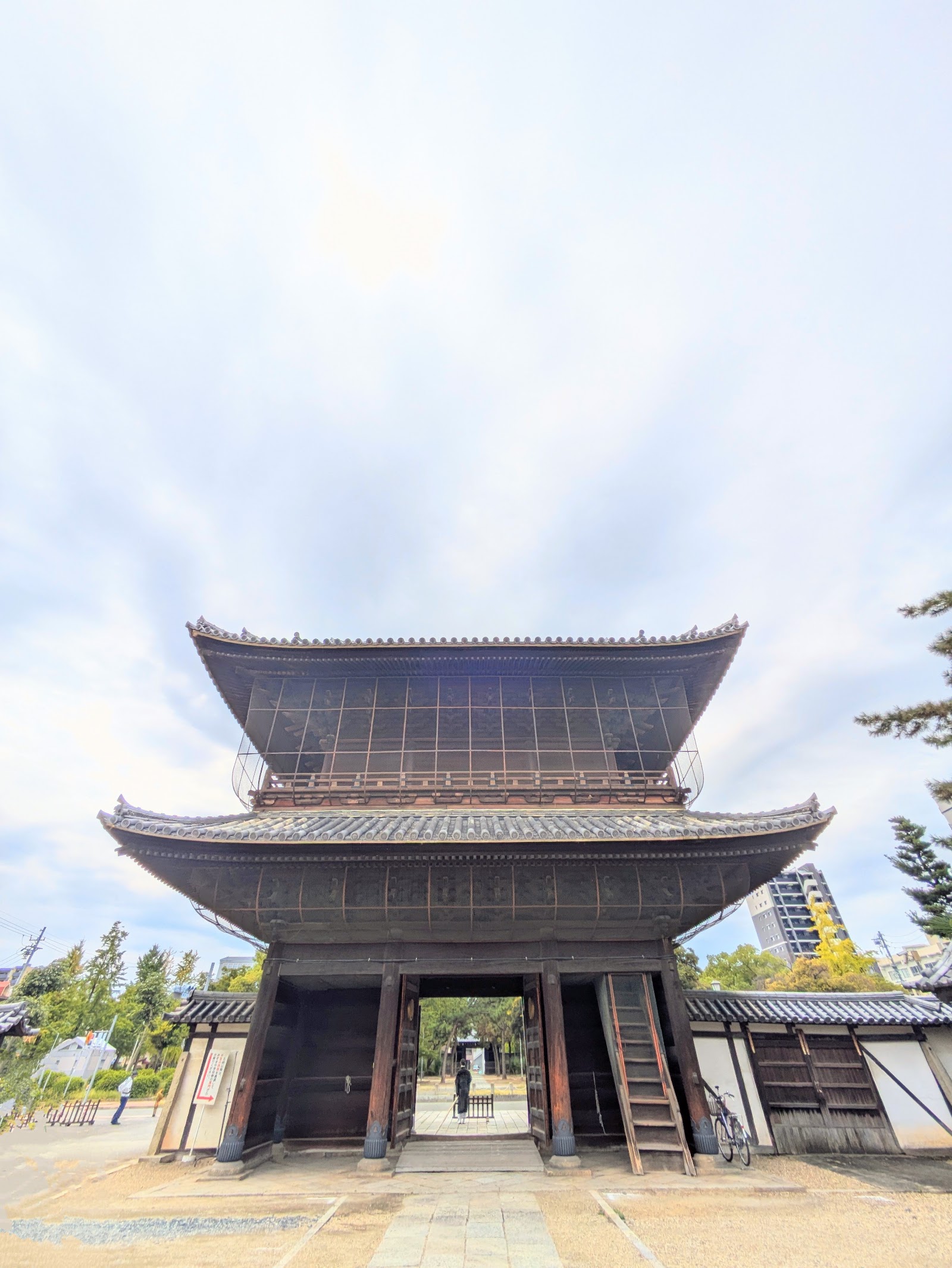
Ozone's real value, though, lies in what surrounds it. A short walk or bus ride away is the elegant northern cultural quarter that includes Tokugawaen, a beautiful traditional Japanese landscape garden built on the former estate of the Owari Tokugawa family, and the adjacent Tokugawa Art Museum, which holds a magnificent collection of samurai armour, swords, tea utensils and artworks handed down from the ruling clan — including treasures linked to the Tale of Genji. Nagoya Castle, the city's most famous landmark, is also within reach to the west, along with the historic Bunka-no-Michi district of preserved early-modern buildings. This makes Ozone a natural base or transit point for exploring the aristocratic, historic side of Nagoya.
Historically, the area grew as a northern rail and commercial node, and its role as a junction has long made it a place of movement and everyday commerce rather than sightseeing spectacle. That practical character is part of its appeal for travellers who want to see the real, working city between the headline attractions.
The visiting experience is straightforward: use Ozone as a hub to reach the gardens, museum and castle, and enjoy the local shopping and dining around the station in between. The district is compact and well connected, and its indoor stores and nearby museums make it a reliable option in any weather. Allow around an hour for the district itself, plus additional time for the cultural sights nearby.
Getting there is easy thanks to the triple rail connection — the Meijo subway, JR Chuo and Meitetsu Seto lines all stop at Ozone — making it one of the better-connected points in northern Nagoya and convenient from both the station and Sakae. For visitors planning to see Tokugawaen, the Tokugawa Art Museum and Nagoya Castle, Ozone is the practical gateway to that cultured corner of the city, and a genuine glimpse of everyday Nagoya life along the way.
A local's tip
Use Ozone as a launch pad for the cultured northern district — the Tokugawa Art Museum and the lovely Tokugawaen garden are a short walk or bus ride away.
Best time to visit
Daytime, as a base for the surrounding gardens, castle and museums
Getting there
At Ozone Station on the Meijo subway, JR Chuo and Meitetsu Seto lines in northern Nagoya; the district is a transport hub near Tokugawaen and Nagoya Castle.
Good to know
- Shopping
- Restrooms
- Restaurants
Plan the whole trip offline
Ozone is one of many places in the Real Japan app — with turn-by-turn directions, nearby spots and full offline maps you can use with no signal.