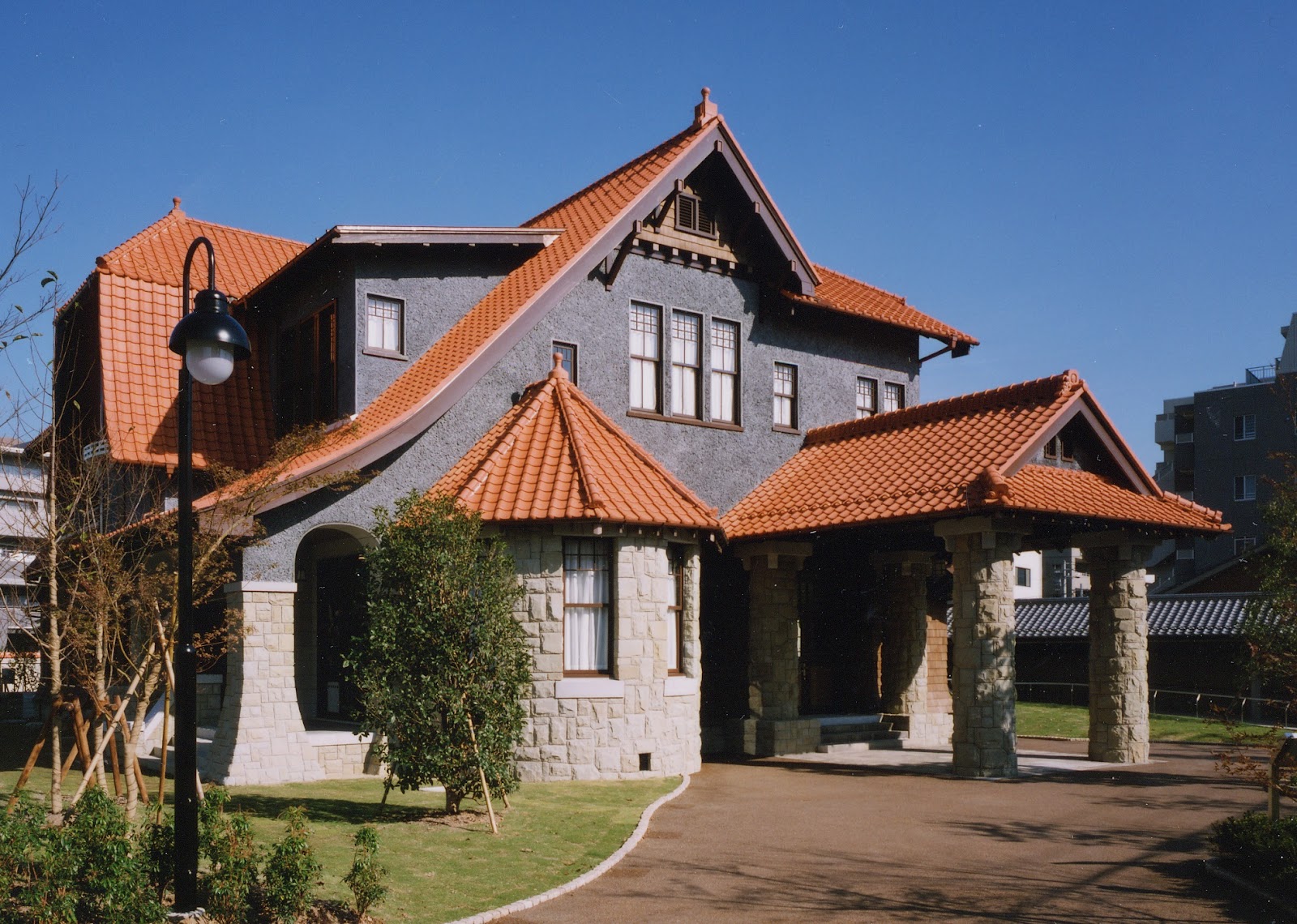
A restored 1920s mansion of Japanese-Western design, the elegant anchor of Nagoya's Bunka no Michi heritage district.
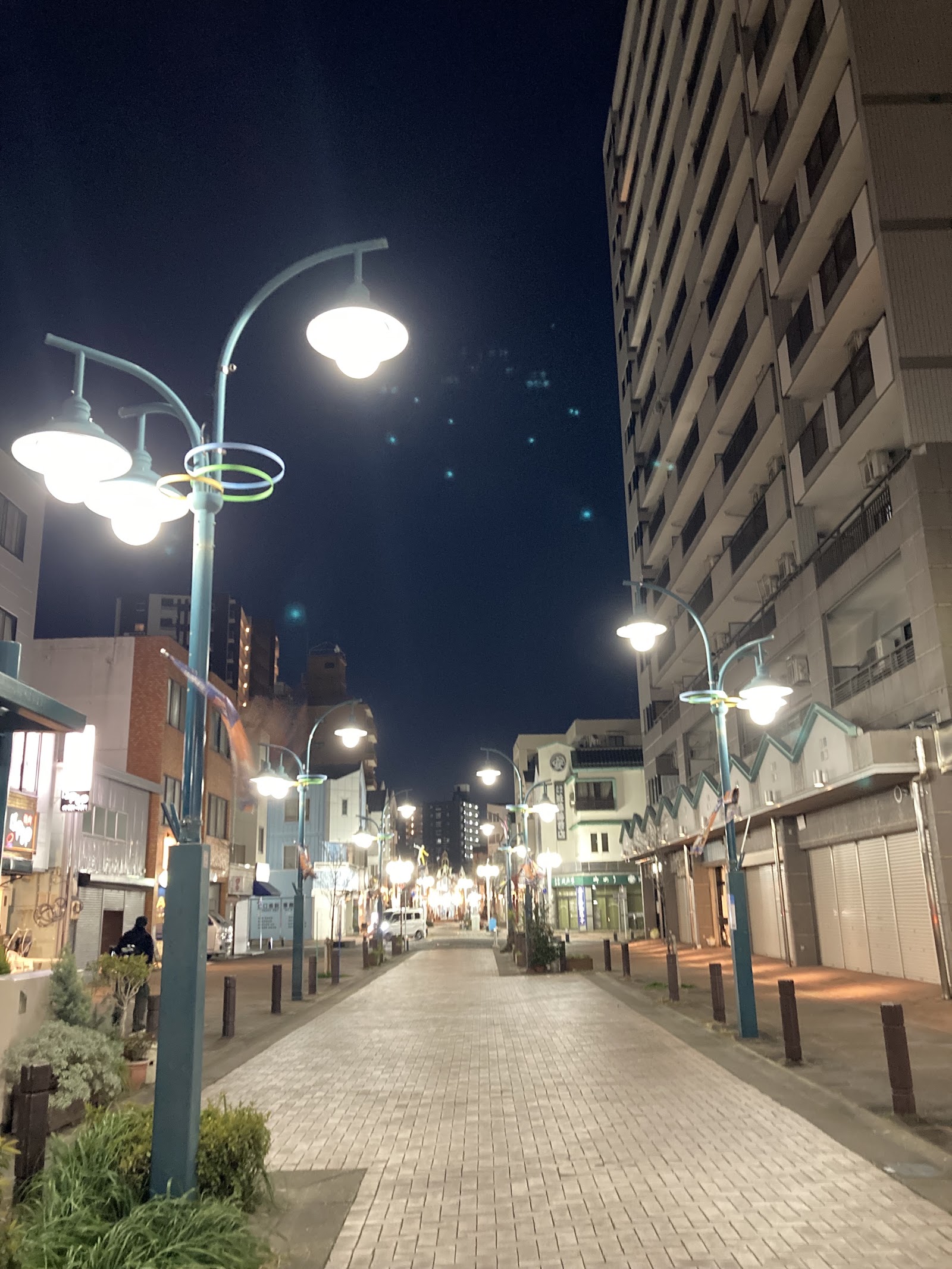
The Bunka no Michi Futaba Museum is the showpiece of Nagoya's Bunka no Michi, or "Cultural Path," a preserved district in Higashi Ward lined with the mansions, churches and townhouses that the city's industrialists, politicians and artists built in the late Meiji and Taisho eras. As Nagoya prospered through textiles, ceramics and machinery in the early twentieth century, this leafy neighbourhood between Nagoya Castle and the Tokugawa Art Museum became its most fashionable address, and a walk along the Cultural Path today is a stroll through that confident, cosmopolitan age.
The Futaba Museum occupies the former residence associated with Sadayakko Kawakami, celebrated as Japan's first modern actress and a pioneering international performer, and her partner the electric-power magnate Momosuke Fukuzawa. Built around 1920, the house is a striking hybrid of Japanese and Western styles typical of the period. One wing is a Western-style structure with an orange-tiled roof, bay windows and elegant Art Nouveau touches, while the other follows traditional Japanese domestic architecture with tatami rooms and sliding screens. The two were combined and, after the original was threatened with demolition, carefully relocated and restored on its present site as a public museum.
Inside, the restoration is lavish and atmospheric. The Western rooms feature richly coloured stained-glass windows, a sweeping staircase, patterned wallpaper and period furnishings that evoke the glamour of Taisho high society, an era often compared to the Jazz Age for its blend of imported modernity and lingering tradition. The Japanese rooms offer a quieter counterpoint of polished wood and garden views. Displays throughout tell the story of Sadayakko's remarkable life on the world stage, of Fukuzawa's role in electrifying central Japan, and of the district's cultural heyday.
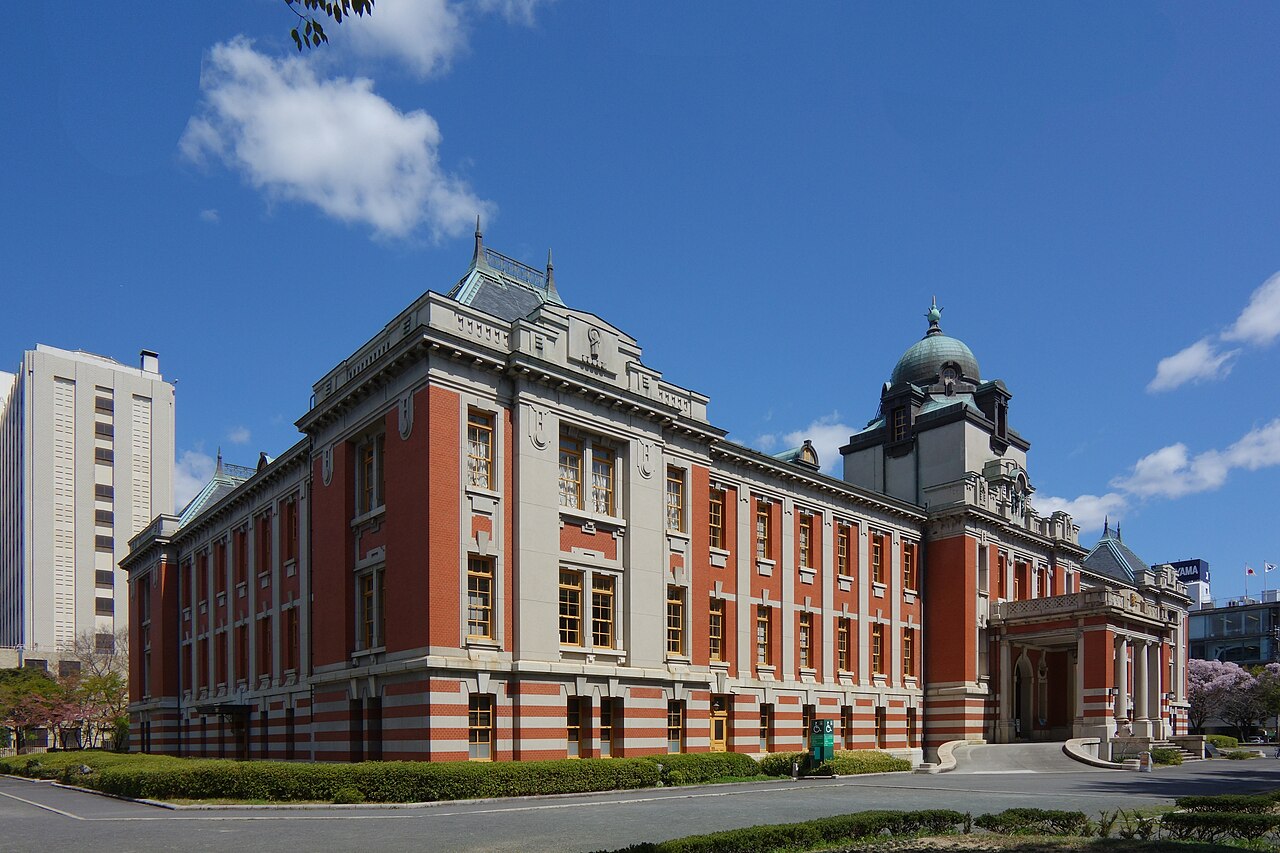
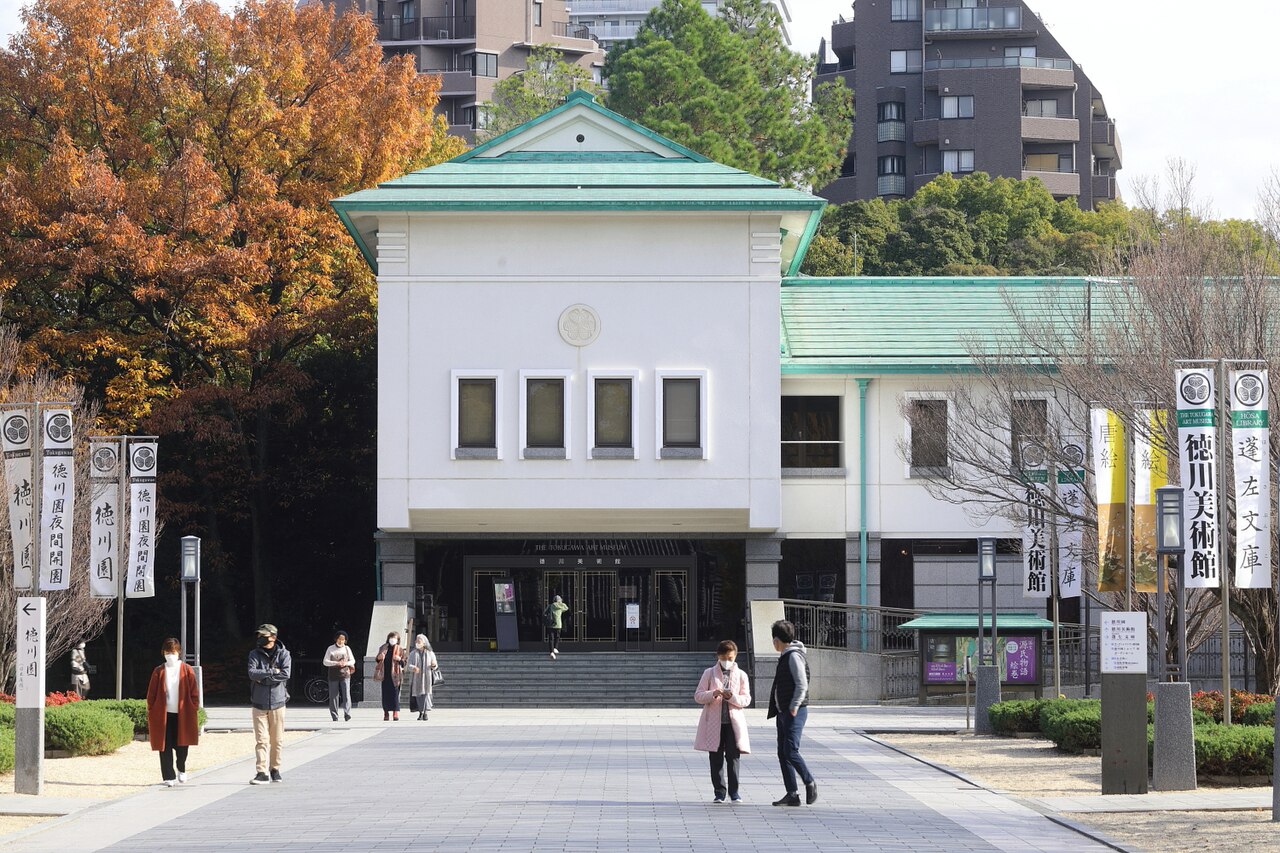
The museum is small and can be seen in under an hour, but it is best enjoyed as part of a longer walk along the Bunka no Michi. Nearby stand other heritage buildings open to visitors, including the former residences and offices of industrial families and early Western-style brick structures, several of which house cafes or exhibits. The Nagoya City Archives, in a handsome 1922 former courthouse, lies within the same area, and the whole district makes a pleasant, low-traffic walking route between Nagoya Castle to the west and the Tokugawa Garden and Art Museum to the east.
Admission is very inexpensive at 200 yen, and photography is generally permitted, making it a favourite with visitors who admire the period interiors and stained glass. The house is closed on Mondays and keeps daytime hours.
For travellers interested in the layer of Japanese history that came after the samurai age — the rapid modernisation, Western influence and industrial wealth of the Meiji and Taisho periods — the Futaba Museum and its surrounding Cultural Path offer a rare, intact glimpse. It rounds out a picture of Nagoya as not only a castle town but a dynamic modern city, and it does so in one of the most elegant surviving buildings of its era.
A local's tip
Do not miss the stained-glass windows and the grand staircase of the Western wing — they are the finest surviving Taisho-era interior details in the city.
Best time to visit
Any time; combine with a walk of the Bunka no Michi heritage street
Getting there
Walk about 10 minutes east of Shiyakusho Station, or take a bus toward the Higashi-ku Bunka no Michi area; the house sits along the preserved heritage road.
Good to know
- Restrooms
- Photography
- English signage
Plan the whole trip offline
Bunka no Michi Futaba Museum is one of many places in the Real Japan app — with turn-by-turn directions, nearby spots and full offline maps you can use with no signal.