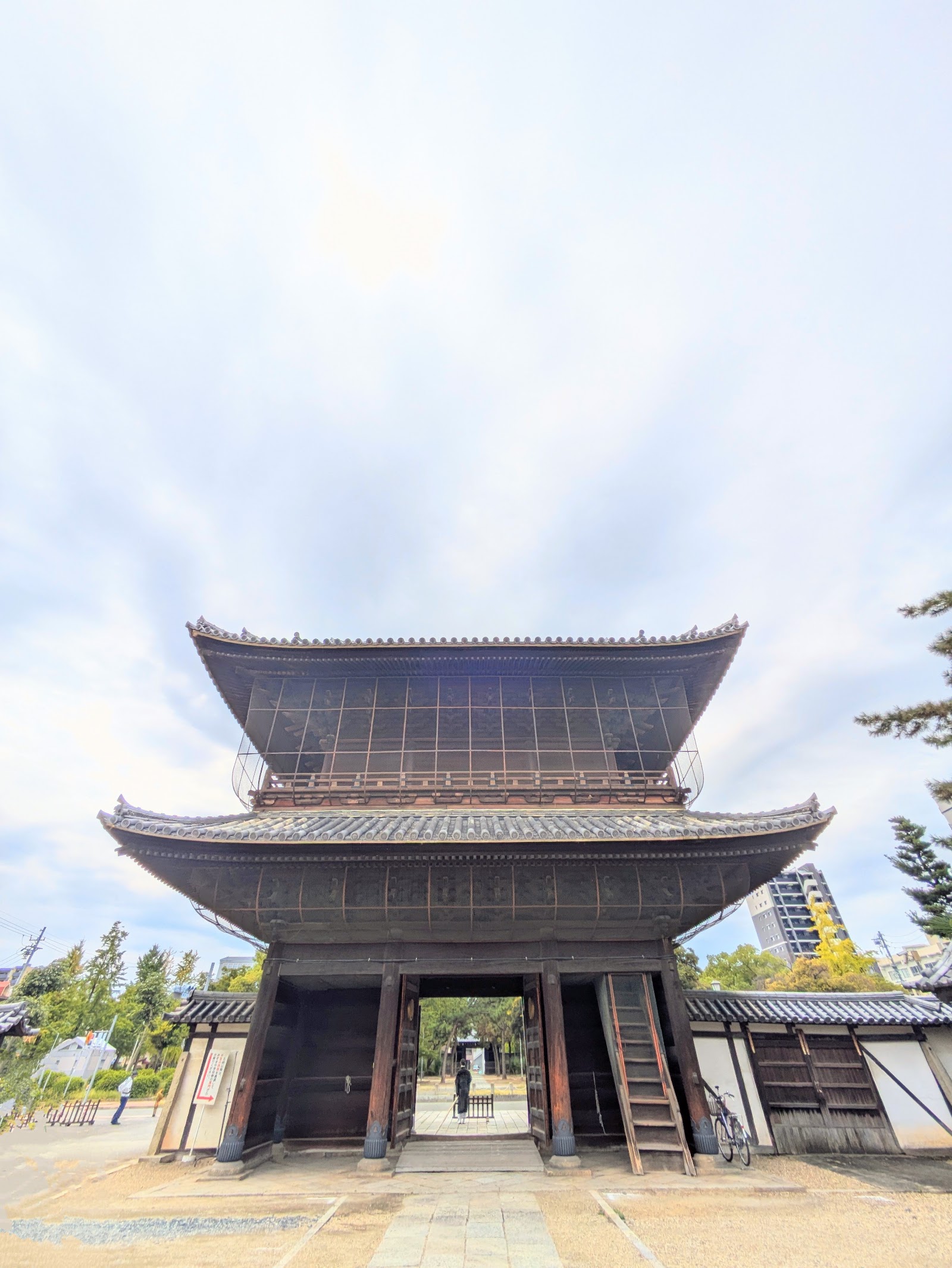
The ancestral temple of Nagoya's ruling Tokugawa lords, with a grand surviving gate near the Tokugawa Art Museum.
Kenchuji is the family temple, or bodaiji, of the Owari branch of the Tokugawa clan, the lords who ruled Nagoya Castle throughout the Edo period, and it remains one of the most historically resonant temples in the city. A temple of the Rinzai school of Zen Buddhism, it was founded in the seventeenth century to enshrine the memory of the Owari Tokugawa house, and the graves and memorial tablets of generations of the domain's daimyo lie within its precincts.
The temple's connection to power gave it wealth and prestige, and at its height Kenchuji was a large and richly appointed complex. Much of it was destroyed in the air raids of 1945 that levelled so much of central Nagoya, but the great sanmon gate survived the fires. This towering two-storey gate, a designated cultural property, is the temple's most impressive surviving structure, its heavy timbers and tiled roof conveying the scale and confidence of the Tokugawa era. Passing beneath it, you walk in the footsteps of the samurai retainers who once came to honour their lords.
Beyond the gate the grounds have been rebuilt in a calmer, more modest register, with a main hall, memorial halls and a garden. The atmosphere is that of a working Zen temple rather than a tourist attraction, and the sense of dynastic continuity is palpable. For visitors interested in the Tokugawa story, Kenchuji is the spiritual counterpart to the political power expressed by Nagoya Castle and the artistic splendour preserved in the nearby Tokugawa Art Museum.
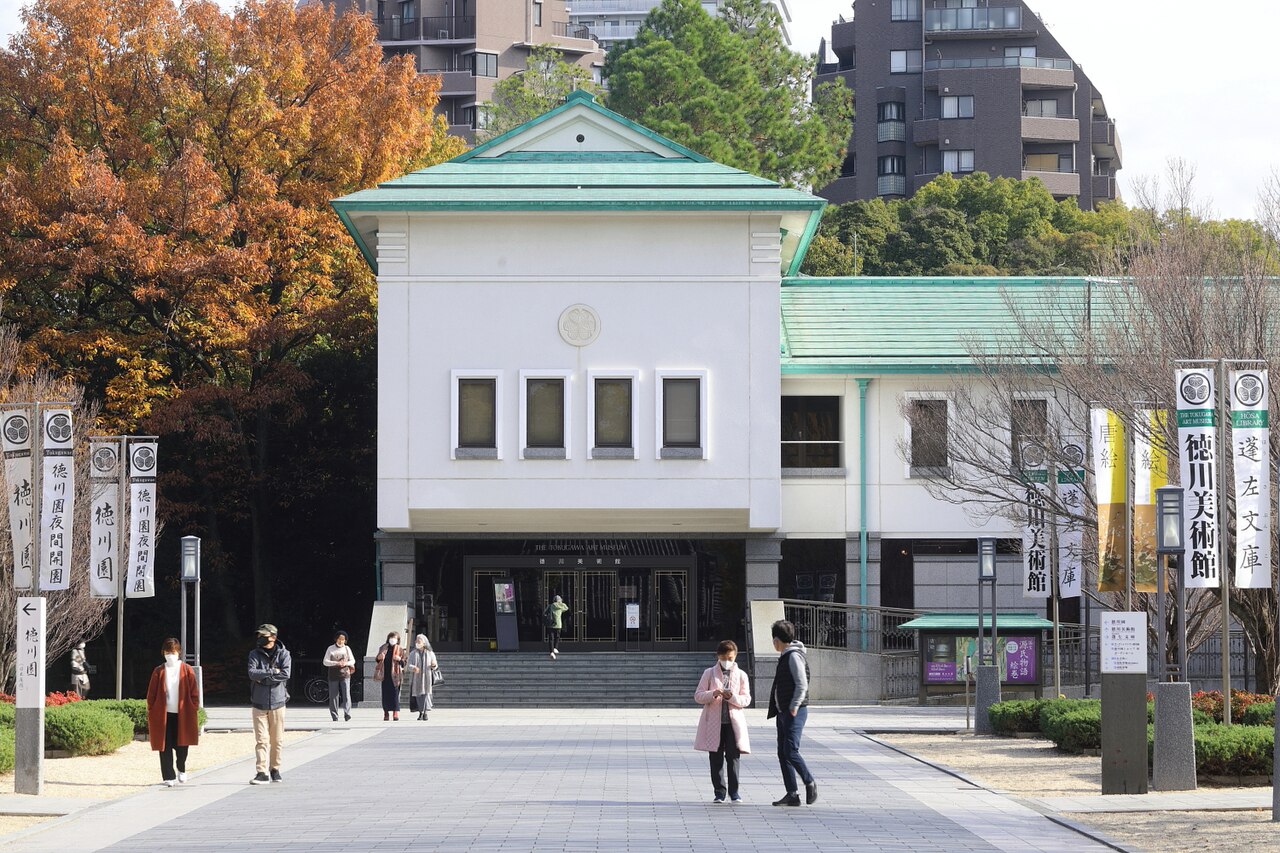
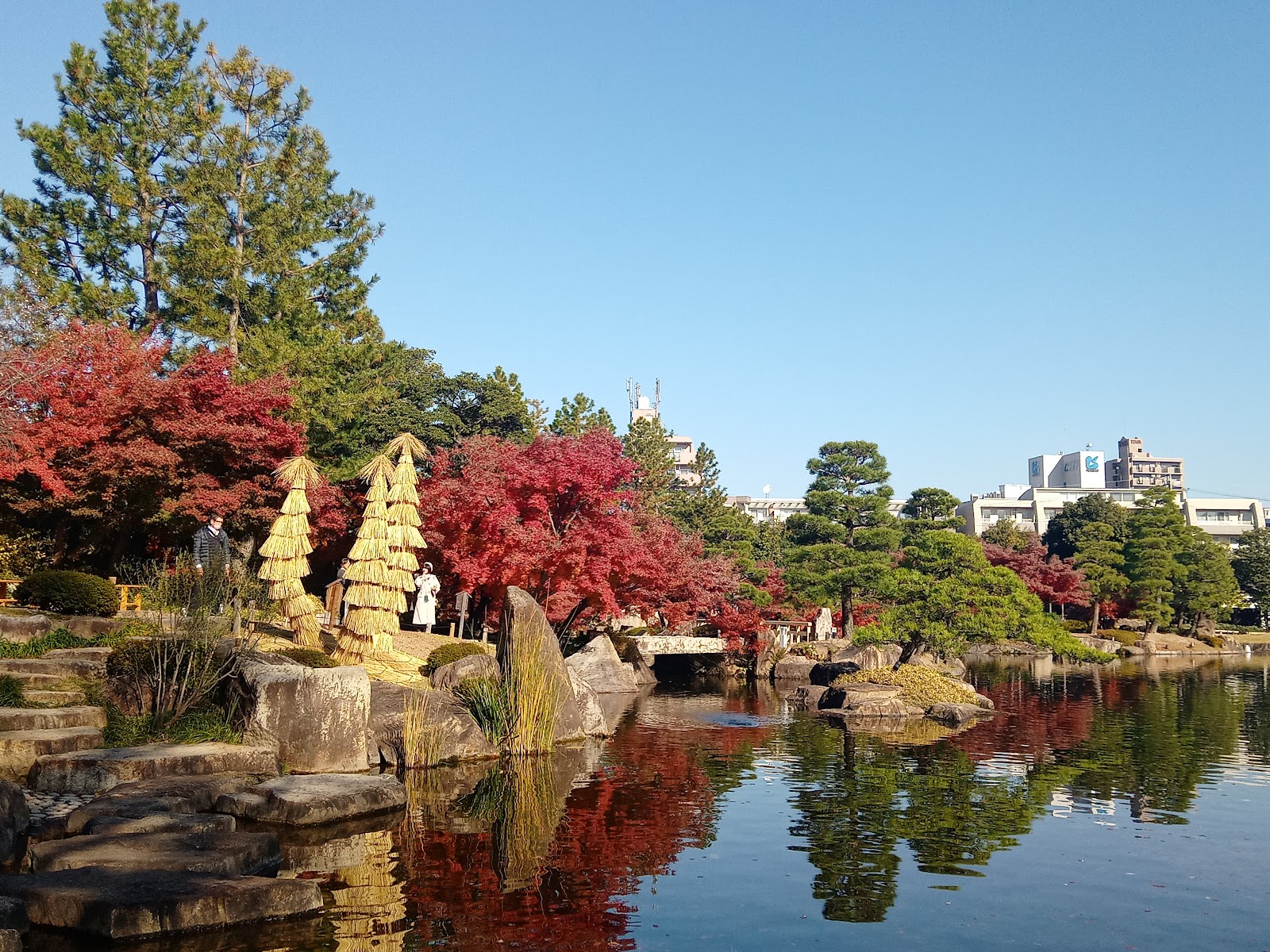
The temple sits in the Chikusa area of eastern Nagoya, in a district thick with Tokugawa heritage. Within a short walk are the Tokugawa Art Museum, which houses the family's treasures including the celebrated Illustrated Tale of Genji scrolls, and the elegant Tokugawaen strolling garden built on the site of a former Owari villa. Together these three sites make an excellent themed afternoon exploring the legacy of the lords who built and ruled the city.
The visiting experience at Kenchuji itself is quiet and reflective. Because it is primarily a place of worship and remembrance rather than a sightseeing destination, crowds are rare and the mood is contemplative. Cherry trees bloom on the grounds in spring and maples colour in autumn, framing the great gate attractively in either season. Admission is free, and a visit takes little more than half an hour.
Getting there is easy. Kuruma-michi Station on the Sakura-dori subway line is about eight minutes' walk away, and the temple is well placed within the Tokugawa cultural cluster. The grounds are mostly flat and accessible, with some steps around certain halls.
For travellers who want to go beyond the obvious sights and connect with the human story behind Nagoya's rise, Kenchuji offers a genuine encounter with the ruling house that shaped the city. Stand beneath its old gate, consider the generations of lords remembered within, and the abstract history of the castle town suddenly acquires faces and names.
A local's tip
This is the family temple of the Owari Tokugawa lords of Nagoya Castle; its imposing sanmon gate survived the wartime bombing and is a designated cultural property, so pair a visit with the nearby Tokugawa Art Museum.
Best time to visit
Autumn for the garden foliage
Getting there
From Kuruma-michi Station on the Sakura-dori subway line, walk about eight minutes; the temple lies in the Chikusa area not far from the Tokugawa Art Museum and Tokugawaen garden.
Good to know
- Restrooms
Plan the whole trip offline
Kenchuji Temple is one of many places in the Real Japan app — with turn-by-turn directions, nearby spots and full offline maps you can use with no signal.