A 710-metre lookout on the caldera's southern rim with a sweeping view of the whole Aso basin and its volcanic peaks.
Tawarayama Pass Observatory sits high on the southern outer wall of the Aso caldera, at an elevation of about 710 metres, where Prefectural Route 28 crests the Tawarayama Pass between Nishihara village and the Minami-Aso (South Aso) basin. If the northern-rim lookouts like Daikanbo and Kabutoiwa are the classic Aso viewpoints, Tawarayama offers the counterpoint from the opposite side, and many who know the caldera well argue it gives the single most complete panorama of all.
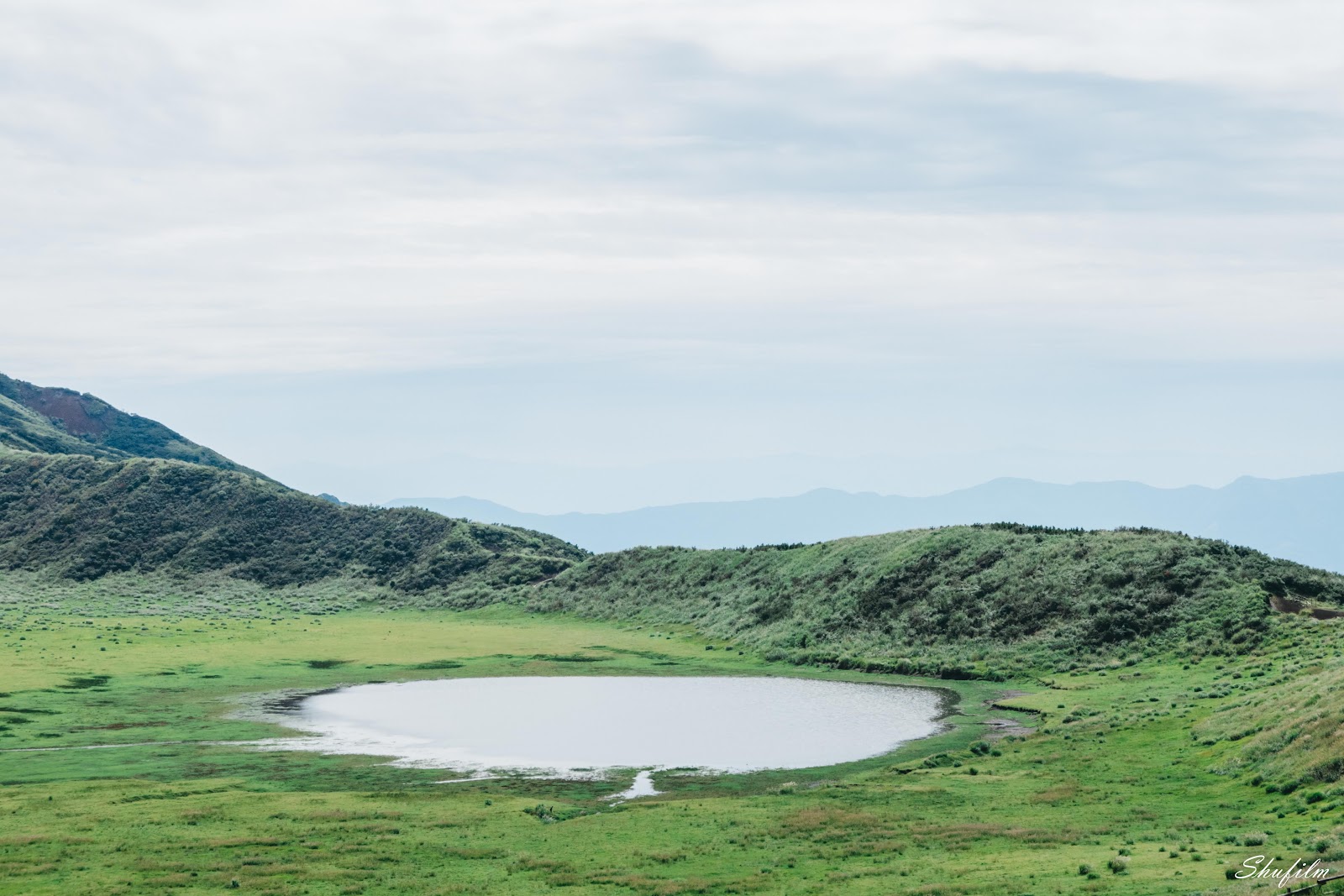
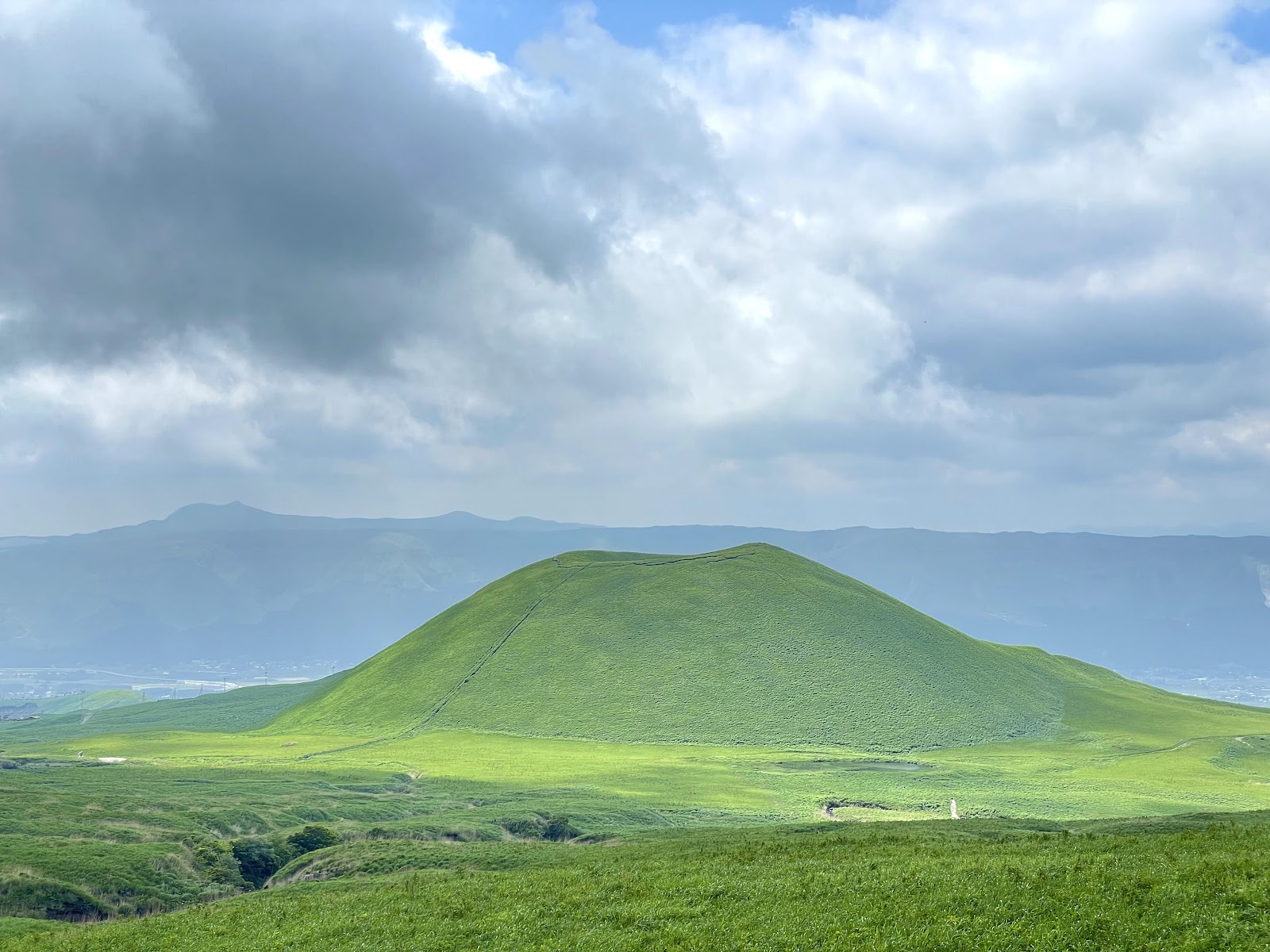
From the viewing deck the entire Aso landscape opens up in one sweep. Directly across the caldera rise the five central peaks, the Aso Gogaku, with the steaming Nakadake crater among them and the perfect grass-covered cone of Komezuka in the foreground. Beyond them, on a clear day, the jagged Kuju mountain range fills the northern horizon. Below lie both great basins of the caldera, the northern Aso valley and the southern Minami-Aso valley, patchworked with rice fields and villages. Few places let you take in the whole scale of the world's caldera-and-volcano complex in a single gaze the way Tawarayama does.
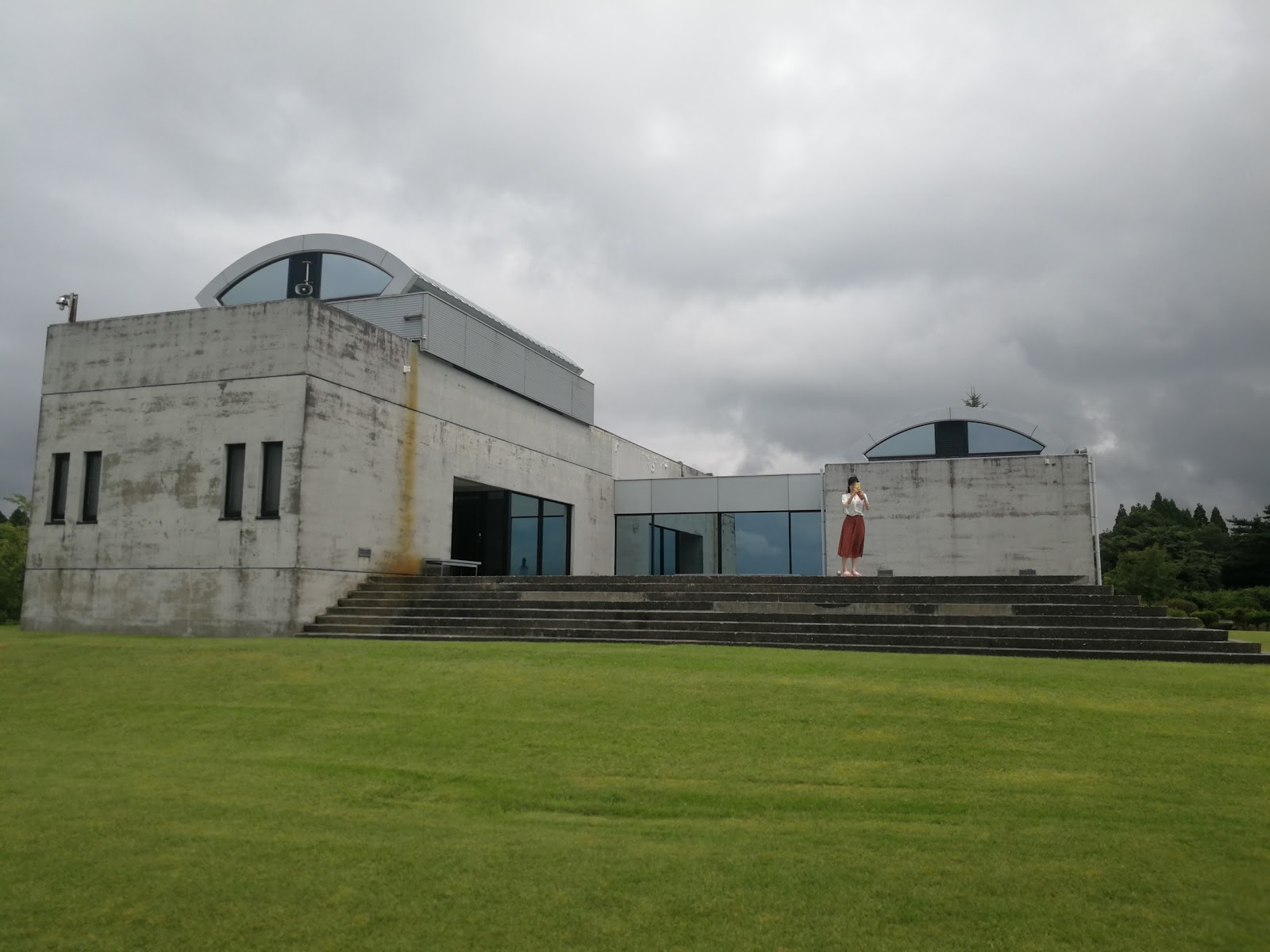
The observatory is more developed than the simpler rim lookouts, with a large car park, restrooms, a shop and a nearby produce hall, making it a comfortable stop rather than a quick pull-in. From here a walking trail also climbs along the southern outer rim toward the summit of Mount Tawarayama itself, so hikers can extend the visit into a ridge walk with ever-widening views. For most travellers, though, the reward is simply standing at the deck and absorbing the panorama.
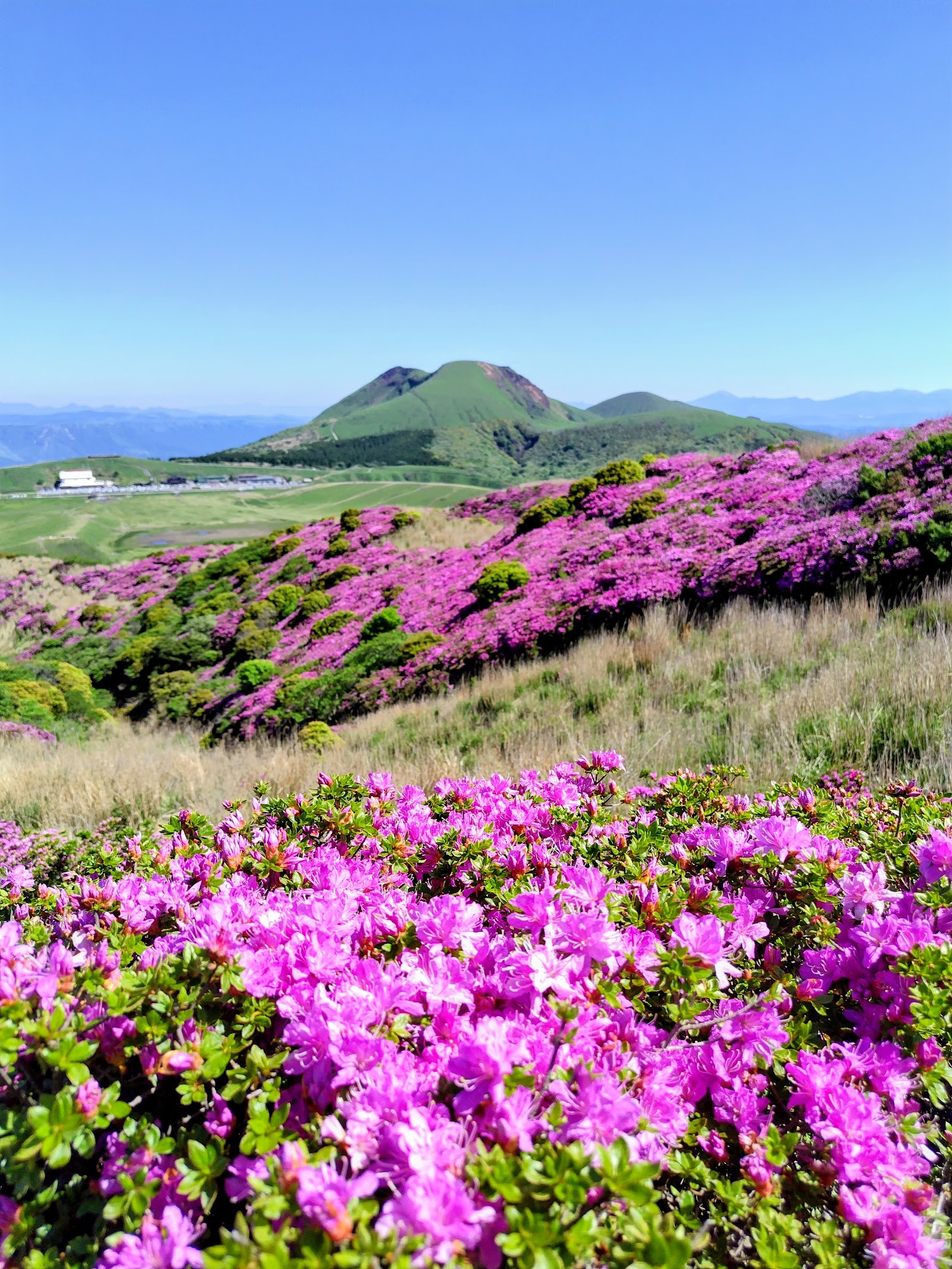
Seasons transform the scene. Spring brings fresh green and, on the slopes, wildflowers; summer is lush; autumn turns the pampas-grass hillsides silver-gold. The pass is exposed and high, so it is considerably cooler and windier than the valley, and in the depths of winter the road over the pass can close for snow and ice, so it is best treated as a spring-to-autumn destination and checked against local conditions before you set out.
As with the rest of the Aso rim, this is a driving destination; there is no public transport to the pass. The practical approach is a rental car from JR Aso Station or Higo-Ozu on the Hohi Main Line, following Route 28 up and over the southern wall. The observatory is free and open at all hours, with the shop and restrooms keeping daytime hours.
Come on a clear day, ideally with good visibility to the distant Kuju range, park at the summit deck, and give yourself time to pick out each feature, the crater smoke, the rice-mound cone of Komezuka, the twin basins below. It is the grandest, most encompassing viewpoint over the Aso caldera, and being on the quieter southern rim, it rarely feels crowded.
A local's tip
From the 710-metre deck you see the entire caldera at once, the Kuju range, Komezuka, the five Aso peaks and both the northern and southern basins, arguably the most complete Aso view of all.
Best time to visit
Clear days for the full southern-rim panorama; closed in deep winter
Getting there
Drive Prefectural Route 28 over the Tawarayama Pass between Nishihara and Minami-Aso villages; the observatory has a large car park and shop near the summit.
Good to know
- Shop
- Parking
- Restrooms
- Viewing Deck
Plan the whole trip offline
Tawarayama Pass Observatory is one of many places in the Real Japan app — with turn-by-turn directions, nearby spots and full offline maps you can use with no signal.