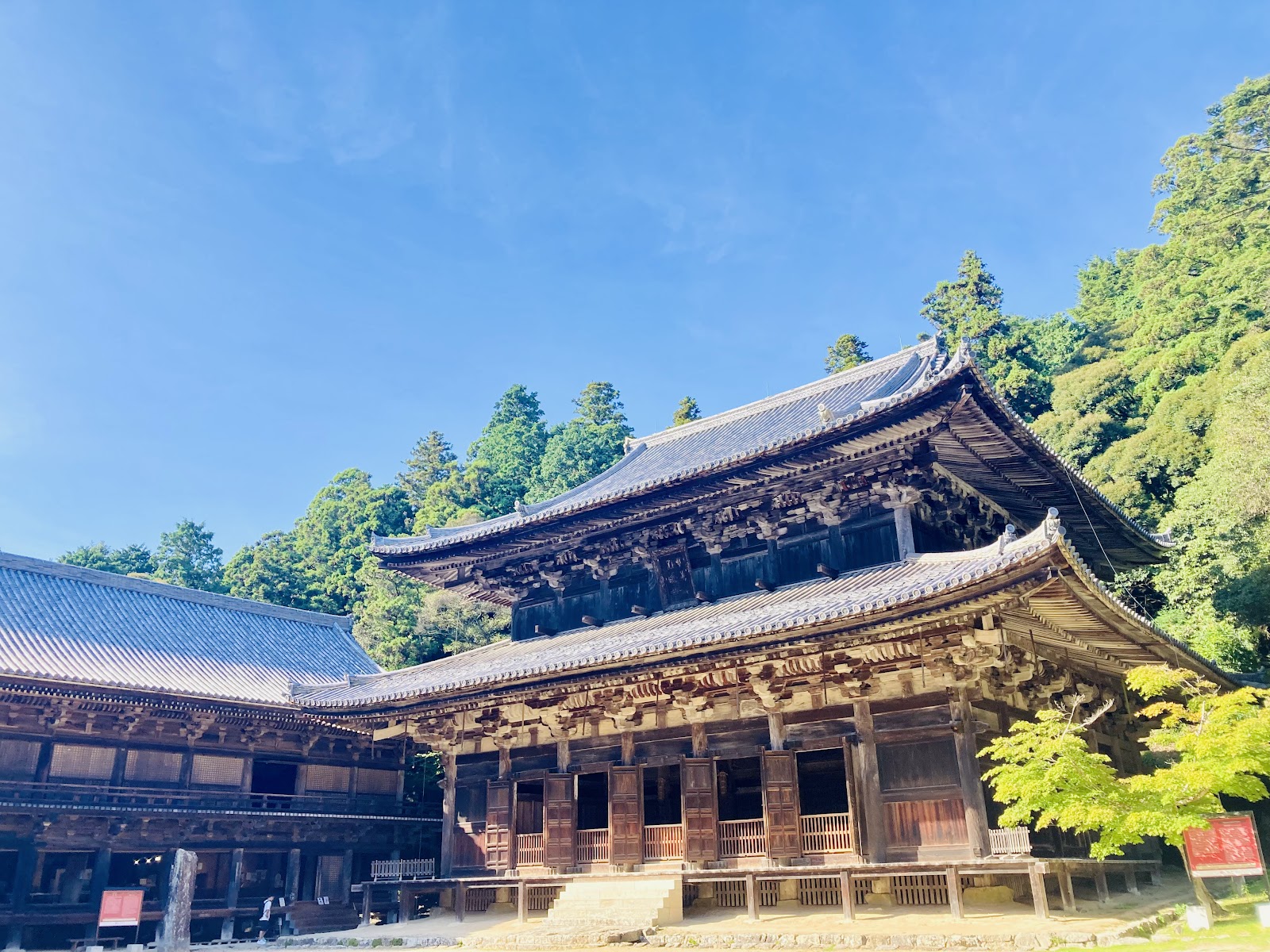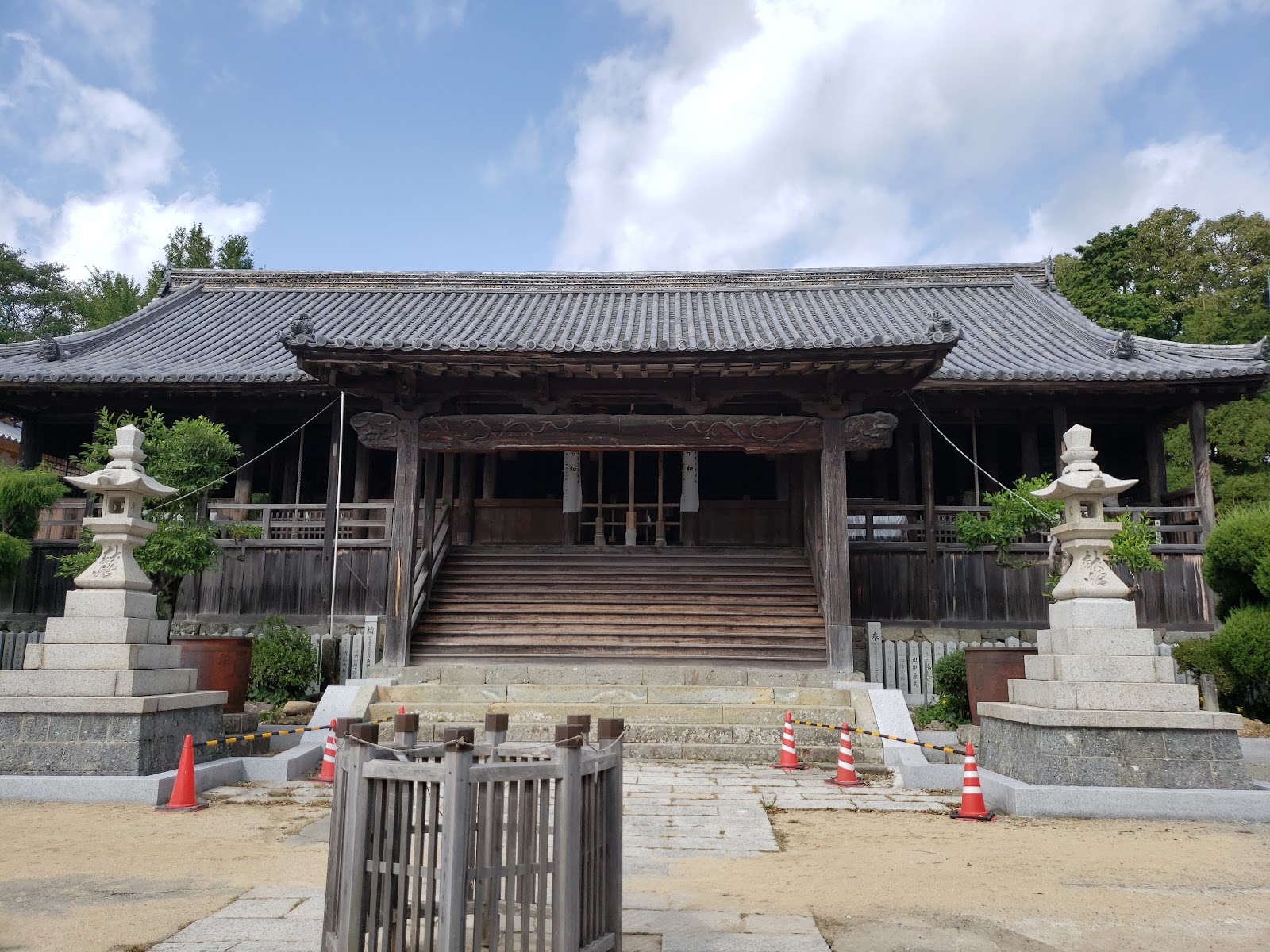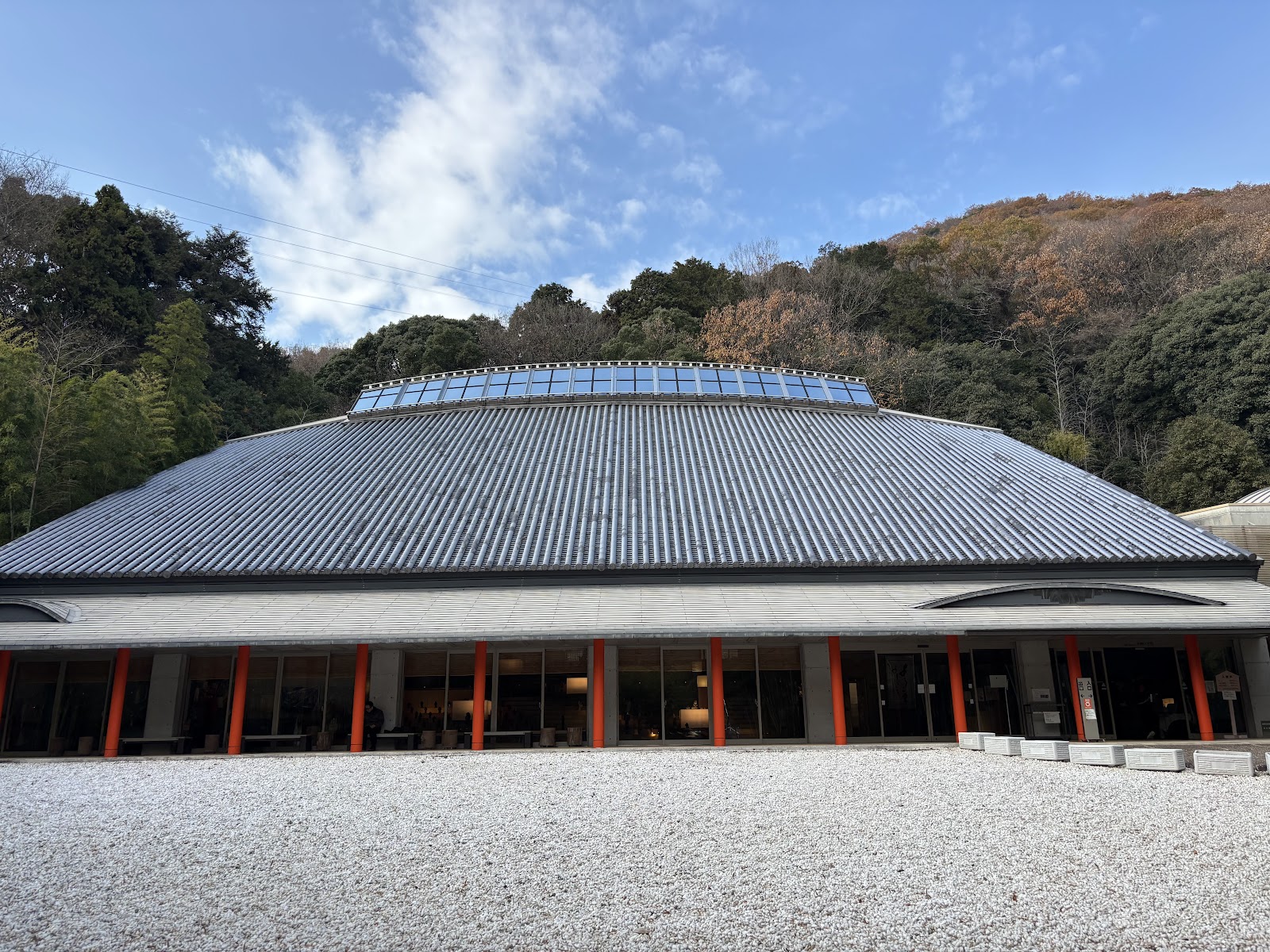
Folk-craft museum at the foot of Mount Shosha showcasing Harima artisanship in a traditional-style building.
The Shosha Art and Craft Museum, known in Japanese as Shosha-no-Sato Bijutsu-Kogeikan, sits at the base of Mount Shosha, the sacred peak crowned by the great temple complex of Engyo-ji. Most travellers ride the ropeway straight up to the temple, but those who pause at the museum discover a peaceful, thoughtfully designed showcase of the folk arts and crafts of Himeji and the wider Harima region.
The building is a pleasure in itself. Designed to evoke the traditional storehouses and farmhouses of the area, with white plaster walls, tiled roofs and timber detailing, it blends into the wooded foot of the mountain rather than competing with it. Inside, the galleries display local crafts including leatherwork — Himeji has been a centre of white-tanned leather (shironameshi) for centuries — along with ceramics, textiles, toys, masks and everyday objects that reveal the aesthetic sensibility of ordinary rural life. Temporary exhibitions rotate through the year, often spotlighting a single craft, a regional artisan, or seasonal themes.
A particular strength of the museum is its focus on living craft rather than dusty artefacts. It regularly hosts hands-on workshops and demonstrations where visitors can try their hand at painting a papier-mache toy, working leather, or other regional techniques, making it a favourite with families and travellers who want to take home something they made themselves. There is also a quiet tea room and a small garden that invite you to slow down.
Because of its location, the museum pairs perfectly with a visit to Engyo-ji. The temple, over a thousand years old and famous as a filming location for The Last Samurai, is the region's spiritual heart; descending afterwards to the craft museum grounds the experience in the material culture of the same landscape — the objects, tools and artistry of the people who have lived in the shadow of the sacred mountain for generations. The setting is especially beautiful in autumn, when the maples around Mount Shosha turn crimson and gold, and lovely again in spring.
Practical details are straightforward. Admission is inexpensive at around 310 yen, with additional fees for special exhibitions. The museum opens from 10:00 to 17:00 and closes on Mondays (or the next weekday when Monday is a public holiday) and over New Year. It is reached by the same Mount Shosha bus from Himeji Station that serves the ropeway, with the museum a short walk from the base station.
Allow around an hour, more if you join a workshop or linger in the garden and tea room. For visitors who appreciate craft, design and the quieter textures of regional Japan, the Shosha Art and Craft Museum turns a temple day-trip into a richer, more rounded encounter with Himeji's cultural heritage.
A local's tip
Visit on your way down from Engyo-ji Temple — the museum's tea room and garden make a serene decompression after the mountaintop temple complex, and the building's design deliberately echoes traditional Harima farmhouses.
Best time to visit
Autumn for foliage; combine with Engyo-ji on Mount Shosha
Getting there
Take the bus from Himeji Station bound for Mount Shosha (Shoshazan Ropeway); the museum is a short walk from the ropeway base station, at the foot of the mountain. About 30 minutes by bus.
Good to know
- Garden
- Tea Room
- Gift Shop
- Restrooms
Plan the whole trip offline
Shosha Art and Craft Museum is one of many places in the Real Japan app — with turn-by-turn directions, nearby spots and full offline maps you can use with no signal.