Ancient mountaintop shrine north of Himeji, revered as a birthplace of Gion plague-warding worship.
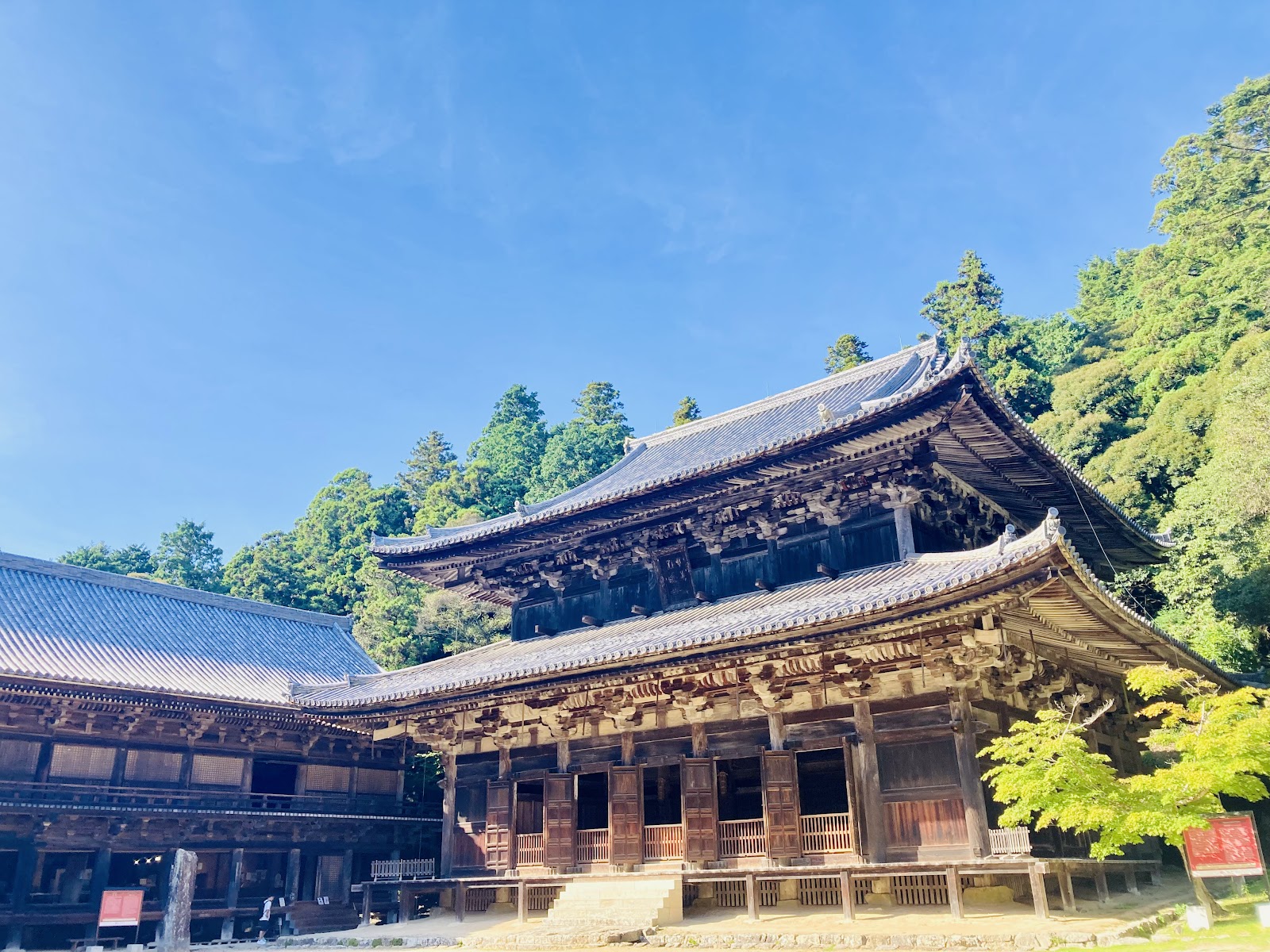
Perched on the wooded slopes of Mount Hiromine north of the city, Hiromine Shrine (Hiromine Jinja) is one of the oldest and most atmospheric sanctuaries in the Harima region. Founded, by tradition, in the early eighth century when the deity Gozu Tenno was enshrined here, it became a powerful center of plague-warding worship long before Kyoto's famous Yasaka Shrine. Historians regard Hiromine as one of the roots of the Gion faith that later spread across Japan, giving this quiet hilltop an outsized place in the country's religious history.
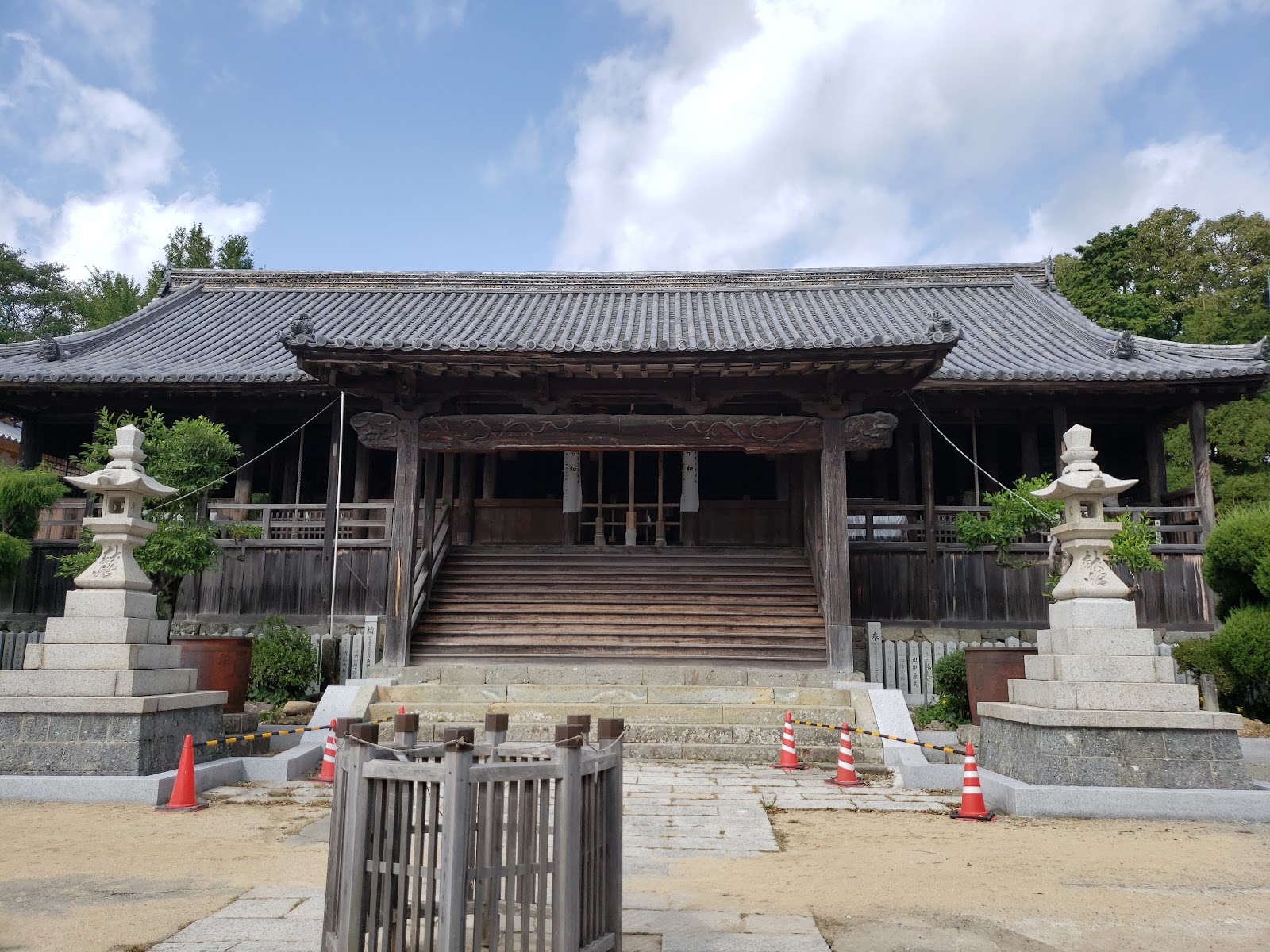
The main hall and worship hall, rebuilt in the Muromachi period and designated Important Cultural Properties, are fine examples of the elegant, restrained architecture of their age. Their weathered cypress and gently curving roofs sit beneath towering cedars, and the whole compound has the hushed, incense-scented calm of a place far removed from the modern city below. A long stone approach lined with moss and stone lanterns leads up to the gate, and on clear days gaps in the trees open to sweeping views over Himeji and the Seto Inland Sea beyond.
A distinctive feature is the row of small sub-shrines strung along the ridge behind the main hall, each dedicated to a different deity and associated with a particular wish — health, study, safe childbirth, good fortune. Devout visitors walk the entire line, offering a coin and a bow at each. The shrine is also the origin of a local New Year custom in which fortune sticks called "onbe" are distributed to farmers, and the annual spring festival still draws worshippers from across Hyogo.
Because it sits well above the valley floor, reaching Hiromine takes a little effort — a bus and shuttle, a taxi, or a pleasant if steady walk up the mountain. That relative inaccessibility is part of its charm: unlike the crowds that swirl around Himeji Castle, here you may share the grounds with only a handful of pilgrims and the occasional priest. Autumn brings fiery maples to the approach, while spring scatters cherry blossoms across the lower slopes.
Allow about an hour to climb the steps, pay respects at the main hall, walk the sub-shrine row, and take in the view. Combine it with a morning at Himeji Castle and you experience both faces of the city — the dazzling white fortress that everyone comes to see, and the ancient mountain shrine that locals have quietly revered for more than a thousand years. Restrooms and parking are available near the top, but bring water and sturdy shoes, as the paths can be steep and slick after rain. It is a rewarding detour for anyone drawn to living history away from the tourist trail.
A local's tip
Ask at the shrine office about the twelve smaller sub-shrines lined along the ridge, each said to grant a different wish — locals walk the full row for luck.
Best time to visit
Early morning; autumn for foliage
Getting there
From Himeji Station north exit, take a Shinki bus toward Hiromine and transfer to the shrine's shuttle, or take a taxi (about 20 minutes) up Mount Hiromine. Hardy visitors can hike the wooded approach from the trailhead in roughly 40 minutes.
Good to know
- Parking
- Restrooms
Plan the whole trip offline
Hiromine Shrine is one of many places in the Real Japan app — with turn-by-turn directions, nearby spots and full offline maps you can use with no signal.