Tadao Ando-designed museum celebrating Himeji's writers, set in a striking concrete pavilion with castle views.
The Himeji City Museum of Literature is a quietly rewarding stop for anyone who has already ticked off the castle and wants to see a different, more contemporary side of the city. Opened in 1991, the museum honours the writers, poets and scholars connected to Himeji and the wider Harima region, chief among them the philosopher and diplomat Tetsuro Watsuji, who was born nearby.
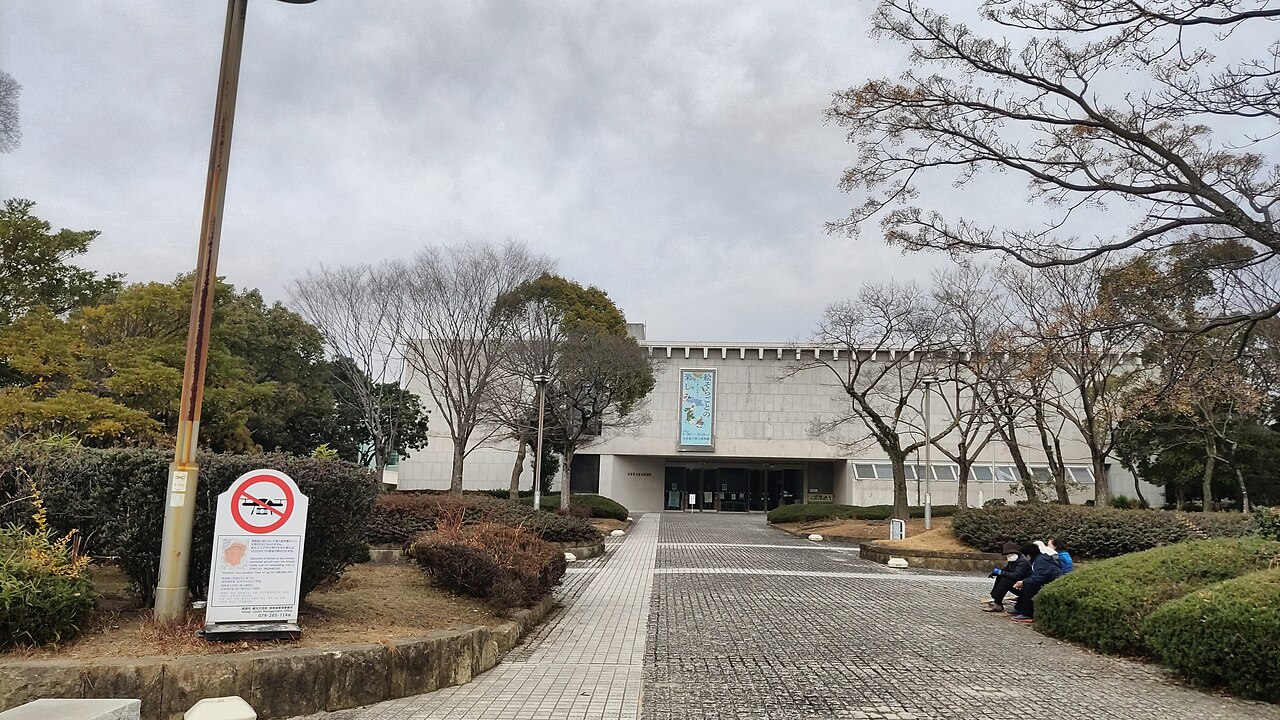
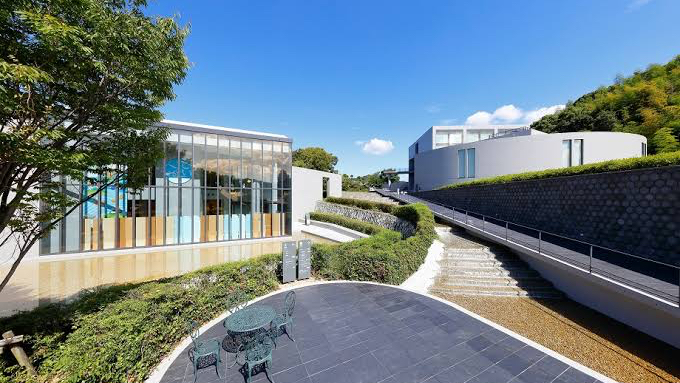
The real draw for many visitors, though, is the building itself. The museum was designed by Tadao Ando, Japan's most internationally celebrated living architect and a Pritzker Prize laureate. His signature vocabulary is all here: smooth board-formed concrete, sharp geometric volumes, long ramps and courtyards, and pools of still water that mirror the sky. Ando arranges the spaces so that, as you move through them, Himeji Castle keeps reappearing in carefully framed views — a dialogue between the white feudal keep on the hill and the cool modern pavilion below. Architecture students make pilgrimages here for exactly this reason.
Inside, the permanent exhibits trace the literary heritage of the region through manuscripts, first editions, letters and personal effects, with rotating special exhibitions that often reach beyond books into art and local history. A separate annexe, the beautifully restored Bozan Watanabe Memorial Hall, adds a traditional counterpoint to Ando's modernism. English signage is limited, so the collections reward those with some Japanese, but the spatial experience needs no translation.
The grounds are free to wander even if you don't buy a ticket, and they make a peaceful pause away from the castle crowds. Benches beside the reflecting pools are a fine spot to rest tired legs after climbing the castle keep. There is a small cafe and a shop stocking design-minded souvenirs and books.
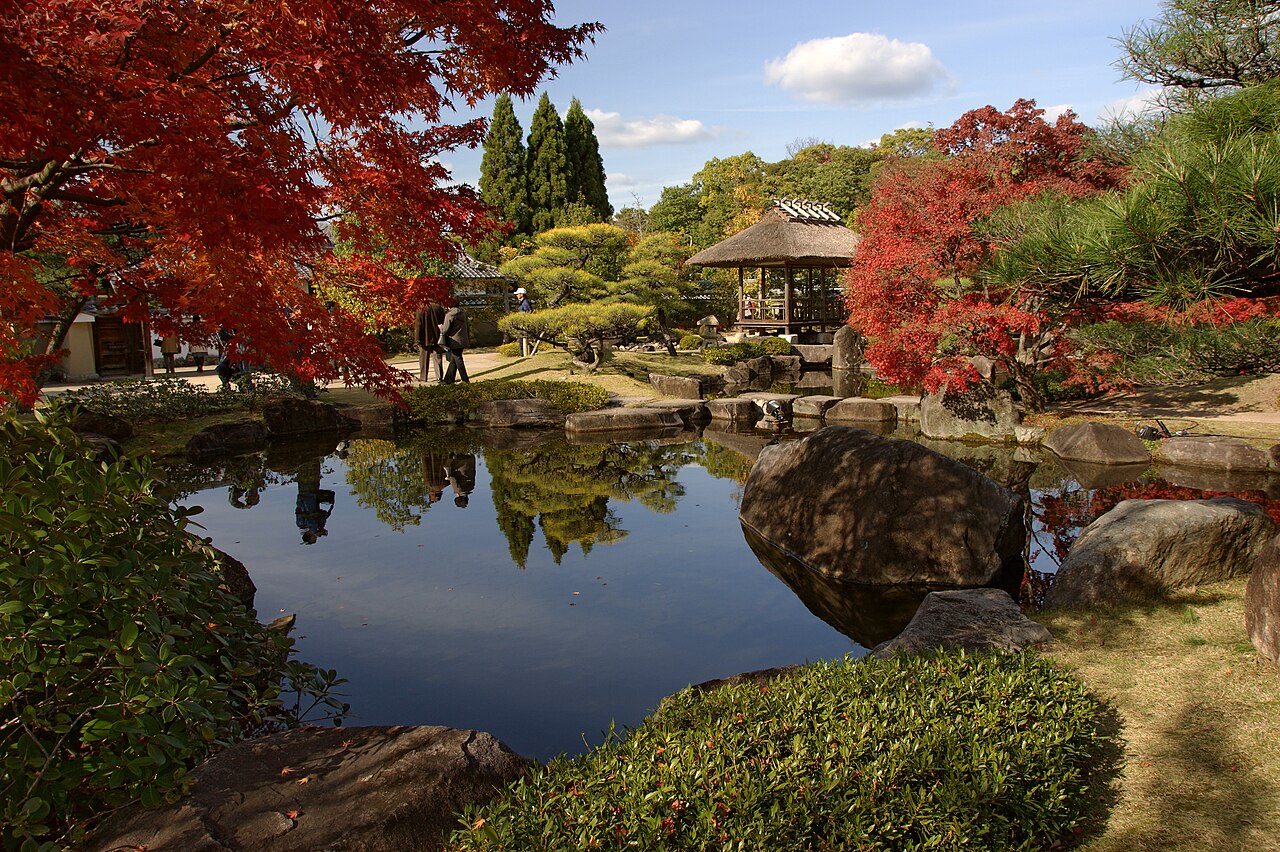
Historically, the museum sits in the Nozato area, once home to samurai residences in the castle town's outer defensive ring, so the neighbourhood itself carries echoes of Edo-period Himeji. Pairing the museum with nearby Koko-en garden and the castle makes for a satisfying half-day that moves from feudal grandeur to modernist calm.
The best times to visit are spring, when cherry trees soften the concrete geometry, and autumn, when the light is crisp and the pools reflect a clear sky. It is closed on Mondays (or the following weekday if Monday is a holiday) and over the New Year period. Allow around an hour, or longer if a special exhibition is on or if you want to sit and enjoy the architecture properly. For travellers who appreciate design, this is one of Himeji's most underrated attractions and a natural complement to the historic sights that draw most visitors to the city.
A local's tip
Even if Japanese literature isn't your thing, come for the architecture — the concrete-and-glass building is one of Tadao Ando's finest civic works, and the reflecting pools frame Himeji Castle beautifully from the grounds.
Best time to visit
Any season; combine with a castle visit
Getting there
A 25-minute walk northwest of Himeji Station, or a short ride on the Loop Bus (get off at 'Museum of Literature/Nozato'). It sits just northwest of Himeji Castle in the quiet Yamanoicho district, an easy add-on after touring the castle and Koko-en.
Good to know
- Cafe
- Wi-Fi
- Restrooms
- Museum Shop
Plan the whole trip offline
Himeji City Museum of Literature is one of many places in the Real Japan app — with turn-by-turn directions, nearby spots and full offline maps you can use with no signal.