A hilltop reservoir park northwest of Himeji Castle offering the classic elevated postcard view of the White Heron Castle above the city.
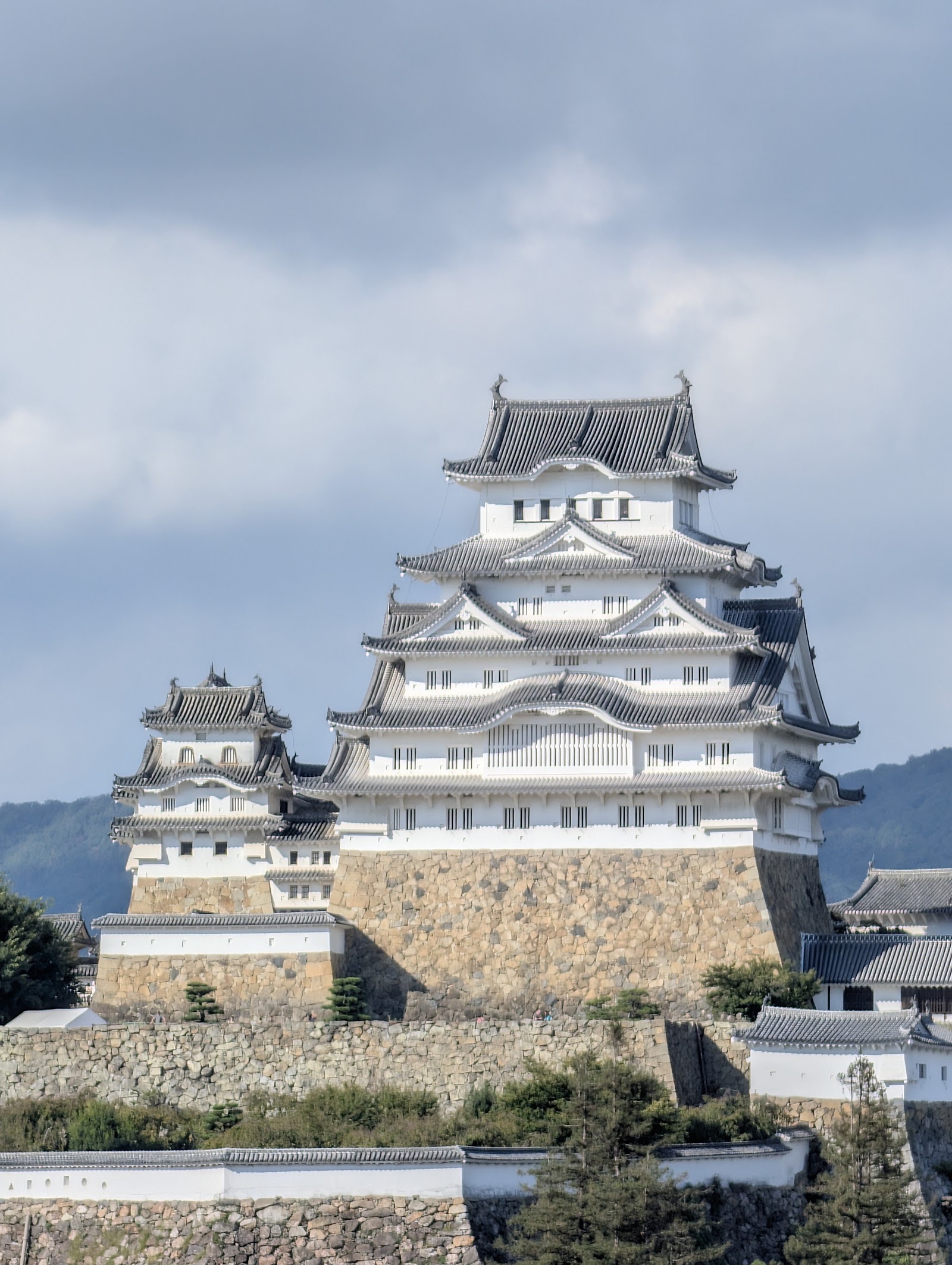
Otokoyama is a modest wooded hill rising just northwest of Himeji Castle, and the reservoir park at its summit, Otokoyama Haisuiike Koen, holds a small but priceless secret: it is the finest free vantage point for photographing the castle in all its floating white glory. While most visitors experience Himeji Castle from within its walls, climbing the great keep and threading its defensive maze, this quiet hilltop lets you step back and see the whole composition, the brilliant white towers and cascading roofs of the World Heritage citadel rising above the low roofscape of the city, exactly as it appears on postcards and travel posters.
Himeji Castle, nicknamed Shirasagi-jo or the White Heron Castle for its elegant white plaster walls and the way it seems poised for flight, is widely regarded as the finest surviving example of Japanese castle architecture. Completed in its current form in 1609, it escaped both the demolitions of the Meiji era and the bombing of the Second World War, and its main keep and connected turrets remain almost entirely original. Designated a National Treasure and, in 1993, one of Japan's first UNESCO World Heritage Sites, it is a masterpiece best appreciated both up close and, as here, from a thoughtful distance.
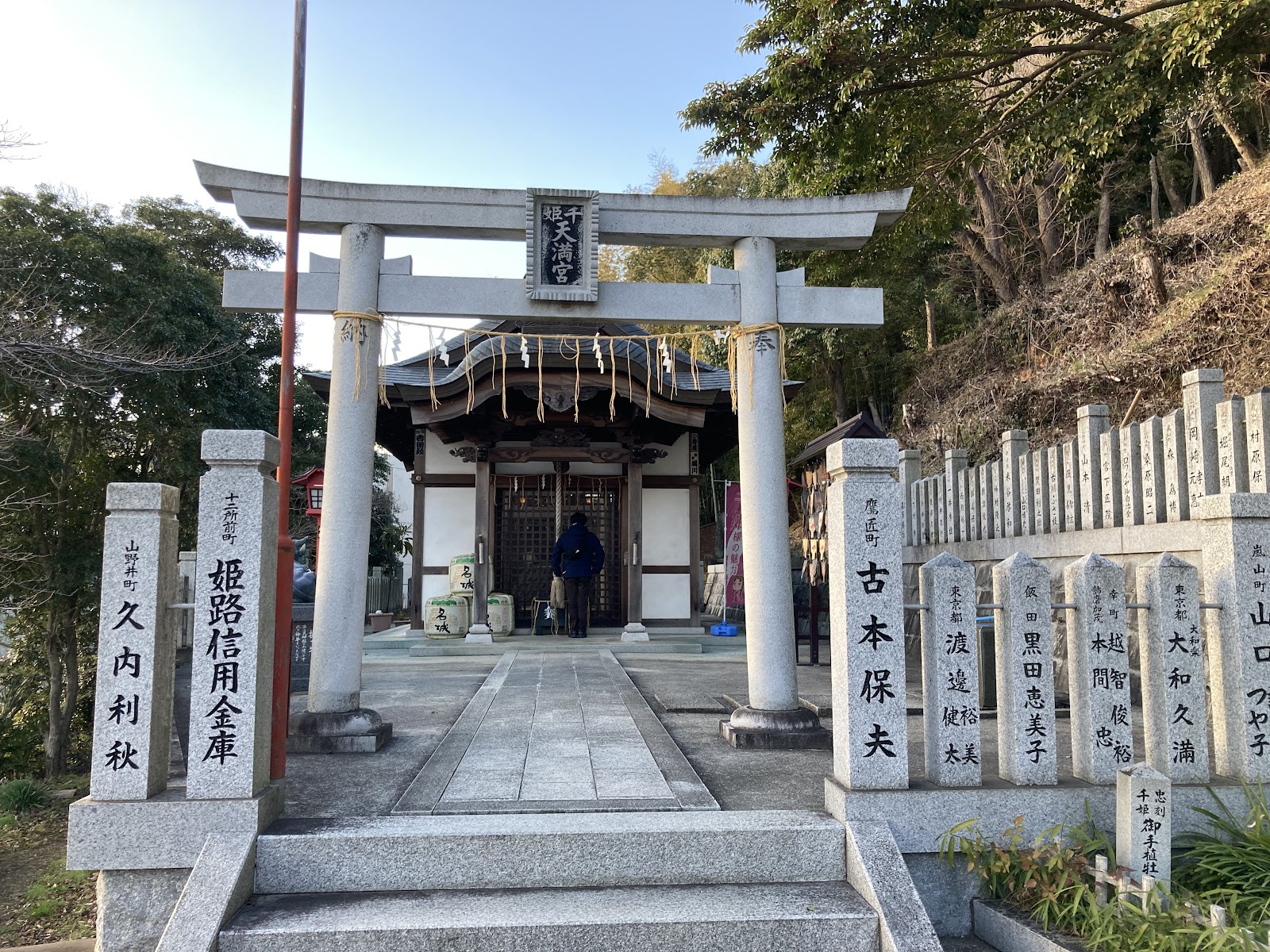
The climb to the Otokoyama observation deck is short but involves a flight of stone steps, beginning near Senhime Tenmangu Shrine at the base of the hill. The hill takes its name and part of its history from Princess Sen (Senhime), the granddaughter of the shogun Tokugawa Ieyasu, who once lived at the castle and is said to have prayed toward this hill. At the top, the ground opens onto a small park built around a covered water reservoir, with benches, open space and an unobstructed view southeast to the castle. Because the platform is elevated and set at just the right distance, the castle appears to rise cleanly above the intervening buildings, uncluttered and perfectly framed.
The viewpoint rewards different seasons and times of day. In spring, cherry trees around the castle and along the approach burst into bloom, and the White Heron Castle framed in pink blossom is one of the great images of Japanese travel. In autumn the surrounding foliage warms to gold and red. Late afternoon light, falling from the west, catches the castle's white walls and lends them a soft glow, making the hours before sunset the best time for photographs. The park is open and free at all hours, so early risers can catch the castle in morning calm before the crowds fill its grounds.
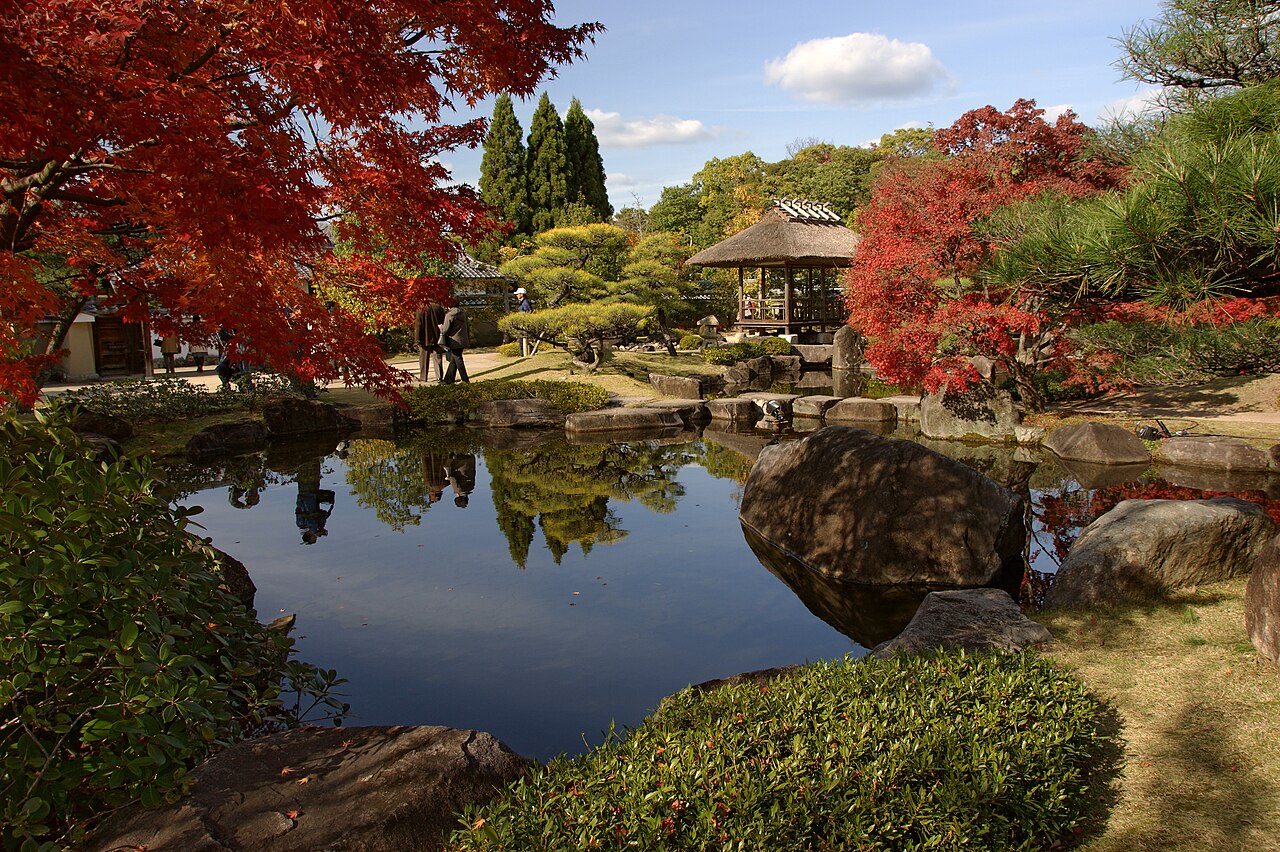
Reaching Otokoyama is easy on foot from JR Himeji Station, itself a stop on the JR Sanyo Line and covered by the Japan Rail Pass; the walk northwest past the castle takes around twenty-five minutes, and a local bus or taxi can shorten it. Many visitors work the hill into a castle day, seeing the keep and the adjacent Koko-en garden up close and then climbing Otokoyama for the wider view. For photographers, and for anyone who wants to understand how Himeji Castle commands its city, this free and often overlooked hilltop is well worth the short climb.
A local's tip
This is the classic postcard angle of Himeji Castle floating above the city; come at cherry-blossom time for the castle framed in pink, and bring a zoom lens.
Best time to visit
Late afternoon, when the castle catches warm light
Getting there
From JR Himeji Station walk about 25 minutes northwest past the castle to the base of Otokoyama hill, near Senhime Tenmangu Shrine, then climb the stone steps to the reservoir park at the top. A bus or taxi shortens the approach.
Good to know
- Benches
- Restrooms
Plan the whole trip offline
Otokoyama Observation Deck is one of many places in the Real Japan app — with turn-by-turn directions, nearby spots and full offline maps you can use with no signal.